
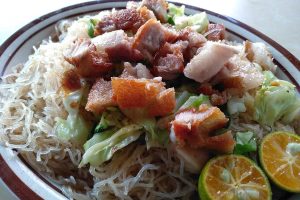
Pancit Guide: Bihon, Canton, Palabok, Sotanghon, and More
The noodles decide much of a pancit dish before the pan is hot. This guide starts with a bihon-canton base recipe, combining two noodle textures with chicken, shrimp, cabbage, and carrot rather than treating every pancit name as the same stir-fry.
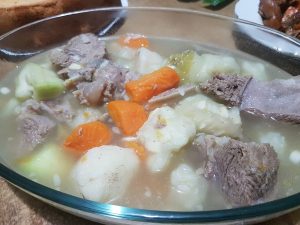
Nilagang Baka: Filipino Beef Soup with Cabbage and Potatoes
Beef shank or chuck, onion, and whole peppercorns make a broth worth keeping simple. Potatoes give nilagang baka substance, cabbage brings a little sweetness, and fish sauce with calamansi on the side lets the meat take a sharper turn at the table.

Lechon Kawali: Crispy Filipino Pork Belly
Tender pork and crisp skin require separate attention in lechon kawali. The belly first simmers with garlic, bay, and peppercorns, then dries overnight in the refrigerator before frying. Vinegar or lechon sauce gives each rich piece a different finish.
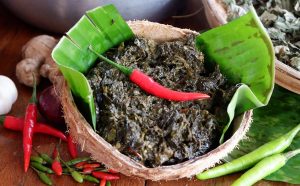
Laing: Filipino Coconut Greens with Chiles
Dried taro leaves become the center of this laing as they soften in coconut milk seasoned with ginger, garlic, and bagoong. Coconut cream makes the finish richer, while Thai chiles bring heat to greens that are substantial enough to eat with rice.
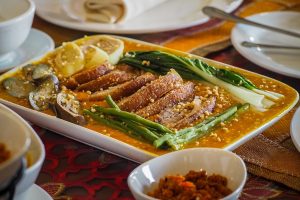
Kare-Kare: Filipino Peanut Stew with Oxtail and Vegetables
Kare-kare rewards a little separation of tasks: soften the meat, build the peanut sauce, then cook the vegetables just long enough. Ground toasted rice gives the sauce body, while bagoong at the table brings a salty contrast to each spoonful.
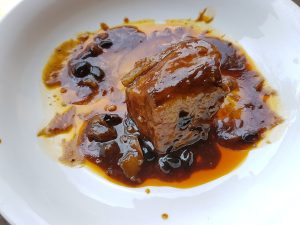
Humba: Visayan Braised Pork with Pineapple and Black Beans
Pineapple juice and brown sugar give this humba a rounded sweetness, while fermented black beans keep the sauce deeply savory. Belly makes a richer pot; shoulder puts more meat in each bite. Either needs a gentle braise before the sauce reduces.

Filipino Tomato Stew Guide: Menudo, Afritada, Mechado, and Kaldereta
Menudo, afritada, mechado, and kaldereta share a tomato-stew vocabulary, but they are not interchangeable recipes. This guide uses a menudo-style pork base to explain the cooking sequence: brown the meat, build the sauce, then add vegetables according to their cooking needs.
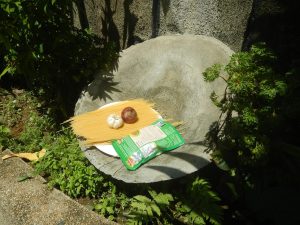
Filipino Spaghetti: Sweet-Savory Party Noodles
Banana ketchup, sliced hot dogs, and grated cheese make this spaghetti unmistakably sweet-savory. Tomato paste gives the meat sauce depth, and evaporated milk rounds its edges. Keep some sauce for the top so the noodles arrive glossy, not buried in cheese alone.

Filipino Adobo Guide: Chicken, Pork, White Adobo, and Adobo Flakes
This adobo guide starts with a chicken-and-pork base: soy sauce, cane vinegar, garlic, bay, and peppercorns. It is a useful starting point for thinking about saucy braises, drier finishes, and leftovers, rather than a single formula for every adobo.

Crispy Chicken Adobo Flakes
Cooked chicken takes on a different character when shredded, coated in soy-vinegar sauce, and spread across a hot skillet. The goal is crisp edges around savory strands, with garlic rice and egg catching the little flakes that fall away.