Lechon Kawali: Crispy Filipino Pork Belly
 Recipe Guy

Filipino crispy pork | Pork belly | Party platter
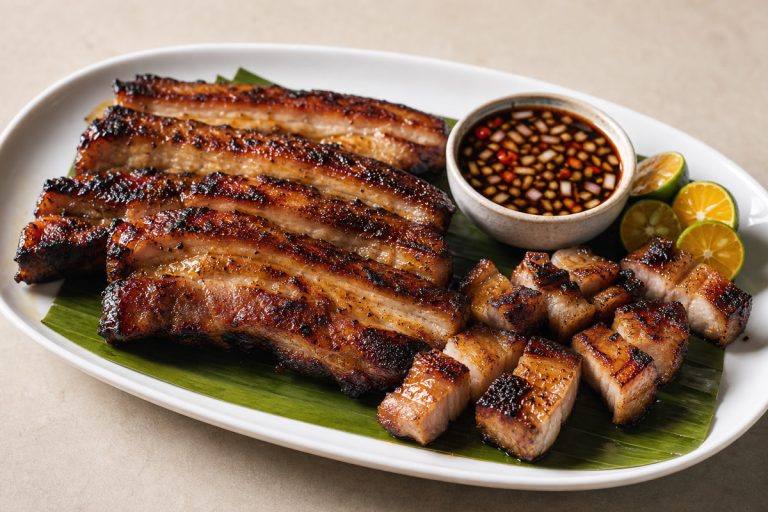
Tender pork and crisp skin require separate attention in lechon kawali. The belly first simmers with garlic, bay, and peppercorns, then dries overnight in the refrigerator before frying. Vinegar or lechon sauce gives each rich piece a different finish.
Why make it: This version includes make-ahead drying and oven/air-fryer notes so the frying step is less intimidating.
Fresh From the Kitchen
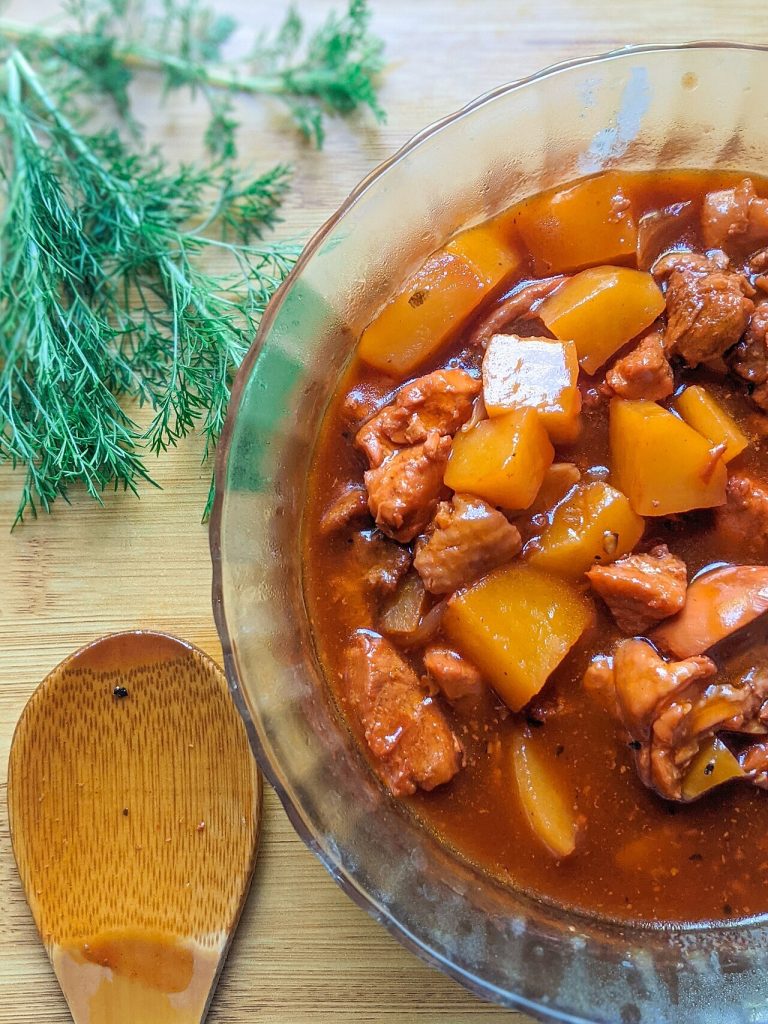
These photos show the colors, textures, and serving style to look for when making Lechon Kawali.


About This Recipe
Start with boneless skin-on belly with reasonably even layers. Cut it into six similar pieces before simmering. The simmer makes the meat tender; frying or a hot-air finish then crisps the surface. Do not lower a whole three-pound slab into hot oil.
The overnight drying step deserves space in the schedule. Pat the pork thoroughly before refrigerating it uncovered, then check for surface moisture again before frying. Resting the finished belly on a rack keeps its underside from sitting in the moisture it releases.
Cooking Notes
- Arrange drained pork pieces separately on a rack over a shallow tray and refrigerate promptly while still warm. Get them into a refrigerator at 40 F or below within 2 hours of leaving the simmer, or within 1 hour above 90 F. Overnight drying happens there, never on the counter.
- Keep the vinegar or lechon sauce on the side rather than pouring it over the platter. Dip individual pieces so the remaining pork keeps its crisp surface.
Ingredient Notes
For the pork
A slab with even layers of meat and fat cooks most evenly.
For crisp skin
Drying uncovered in the refrigerator helps skin crisp and reduces surface water, but does not eliminate frying splatter. Keep pieces at 40 F or below until the equipment is ready.
Lechon Kawali Recipe
This version includes make-ahead drying and oven/air-fryer notes so the frying step is less intimidating.
Shopping List
- pork belly slab
- bay leaves
- peppercorns
- garlic; allow 3 additional cloves for the optional sawsawan
- salt
- neutral oil
- vinegar or lechon sauce, for serving
- cane vinegar and soy sauce, only for the optional sawsawan
- 1 small red onion, 1 to 2 chiles, and black pepper, only for the optional sawsawan
- rice
Ingredients
Pork
- 3 pounds boneless, skin-on pork belly, cut into 6 similar pieces before simmering, about 8 ounces each and no more than 2 inches thick
- 8 cups water
- 1 tablespoon salt
- 4 garlic cloves
- 3 bay leaves
- 1 teaspoon peppercorns
Frying
- Neutral oil for frying
- Extra salt for the skin
For Serving
- Spiced vinegar or lechon sauce
- Steamed rice
- Tomatoes or atchara
Instructions
- Place the six pork pieces in a pot with the listed water, salt, garlic, bay leaves and peppercorns; add only enough extra water to cover if needed. Bring to a boil, then simmer gently about 45 to 75 minutes until fork-tender but intact. Continue if the meat is still tough.
- Drain and arrange pieces apart, skin up, on a rack over a shallow tray. Pat off moisture and refrigerate promptly while still warm, within 2 hours (1 hour above 90 F). Do not wait for complete counter cooling. Keep at 40 F or below, uncovered overnight where raw food cannot drip onto it.
- Choose ONE finishing method below. Keep pork refrigerated while the equipment heats; pat every surface completely dry before loading. No ice or surface water should enter hot fat.
- Deep-fry: Use a deep heavy pot and 2 to 3 inches high-heat neutral oil, never more than one-third of the pot depth. Heat to 350 F and maintain 350 to 365 F. Using long tongs and a metal skimmer, gently lower one small piece away from you. Leave ample space and headroom, using a splatter screen rather than a tight lid. Fry about 8 to 12 minutes, turning carefully, until skin blisters and the center reaches 165 F; thick pieces may need longer. Lift to a rack, check temperature away from oil, and repeat in small batches. Never add water or fry the whole slab.
- Oven alternative: Heat oven to 450 F. Arrange dry pieces skin-up and apart on an oven-safe metal rack over a deep rimmed roasting tray, without paper. Roast about 25 to 40 minutes, checking from 20 minutes, until skin crisps and centers reach 165 F. Watch rendered fat and smoking; reduce to 400 F if browning outruns heating. Texture differs from frying.
- Air-fryer alternative: Preheat to 370 F. Arrange only as many dry pieces as fit in one layer with air gaps, respecting appliance capacity. Cook about 25 to 36 minutes, turning halfway and ending skin-up, until crisp and at least 165 F inside. Check from 20 minutes; batch time varies with thickness and appliance. No added oil is required.
- Rest finished pork on a rack for 5 minutes, then chop into bite-size pieces and serve with vinegar or lechon sauce.
Optional Vinegar-Soy Sawsawan
This dipping sauce is a separate accompaniment for the six pork servings. Its ingredients are additional to the pork recipe, and the dip is not included in the pork-only nutrition estimate.
Dip Ingredients
- 1/2 cup cane vinegar
- 2 tablespoons soy sauce
- 3 additional garlic cloves, minced
- 1 small red onion, chopped
- 1 to 2 chiles, chopped
- Black pepper, to taste
Dip Method
- In a clean small bowl, stir together the cane vinegar, soy sauce, minced garlic, chopped red onion and chiles. Add black pepper to taste. If preparing ahead, cover and refrigerate the dip separately until serving.
- Stir again before serving and divide among small dipping bowls. Serve alongside the pork; dip individual pieces instead of pouring the sauce over the platter so the remaining skin stays crisp.
Nutrition Estimate
Approximate values per serving based on the listed ingredients and yield. Actual nutrition will vary by brand, exact portion size, and cooking changes. Existing rough estimate excludes absorbed frying oil, sauce and sides, and does not deduct measured rendered fat. Actual values differ between frying, baking and air-frying.
The optional vinegar-soy sawsawan is not included in the pork-only figures below. No nutrition estimate is provided for the dip; sauce, rice and other sides remain separate.
Tips For The Best Lechon Kawali
- Dry thoroughly: Water on pork skin causes splatter and prevents crisping.
- Use a deep pot: High sides make frying safer.
- Rest before chopping: The crust stays cleaner.
- Choose one finish: Use the oven or air-fryer method in the card if you do not deep-fry; both start with simmered, refrigerated, dry pork.
How To Serve And Store
Serve hot with rice, sawsawan, tomatoes or atchara. Refrigerate leftovers promptly in shallow containers within 2 hours (1 hour above 90 F), use within 3 to 4 days, and reheat in a 350 F oven or air fryer until centers reach 165 F.
Common Questions
Can I skip the overnight dry?
Do not skip drying in this version. Surface moisture makes oil spit, and cold overnight drying is built into the method. Even dry pork can splatter, so keep the same small-batch precautions.
What oil should I use?
Use a neutral high-heat oil.
Can I oven-finish it?
Yes. Follow the card's 450 F oven method for six simmered, chilled pieces, checking early and requiring 165 F in their centers. It is not a raw-slab roasting instruction.
How do I reheat leftovers?
Use an oven or air fryer, not the microwave.
Why simmer pork belly before frying it?
The simmer gives the meat time to become tender in the seasoned water. After draining and drying, the frying step can focus on blistering the skin instead of softening a still-tough slab.
Should I chop the pork as soon as it leaves the oil?
Rest it on a rack first, as directed. Then move it to a cutting board and use deliberate cuts through the skin so you keep crisp pieces attached to the tender pork underneath.
Do you dip lechon kawali in vinegar, lechon sauce, or both? Share your family version or testing notes in the comments.
Recipe inspiration and technique reference: Filipino home-cooking source research from Panlasang Pinoy, Kawaling Pinoy, and Filipino-American cooking sources in the site roadmap.
Technique and food-safety references: kawalingpinoy.com; ask.fsis.usda.gov; imarflex.ph; panlasangpinoy.com.