Filipino Tomato Stew Guide: Menudo, Afritada, Mechado, and Kaldereta
 Recipe Guy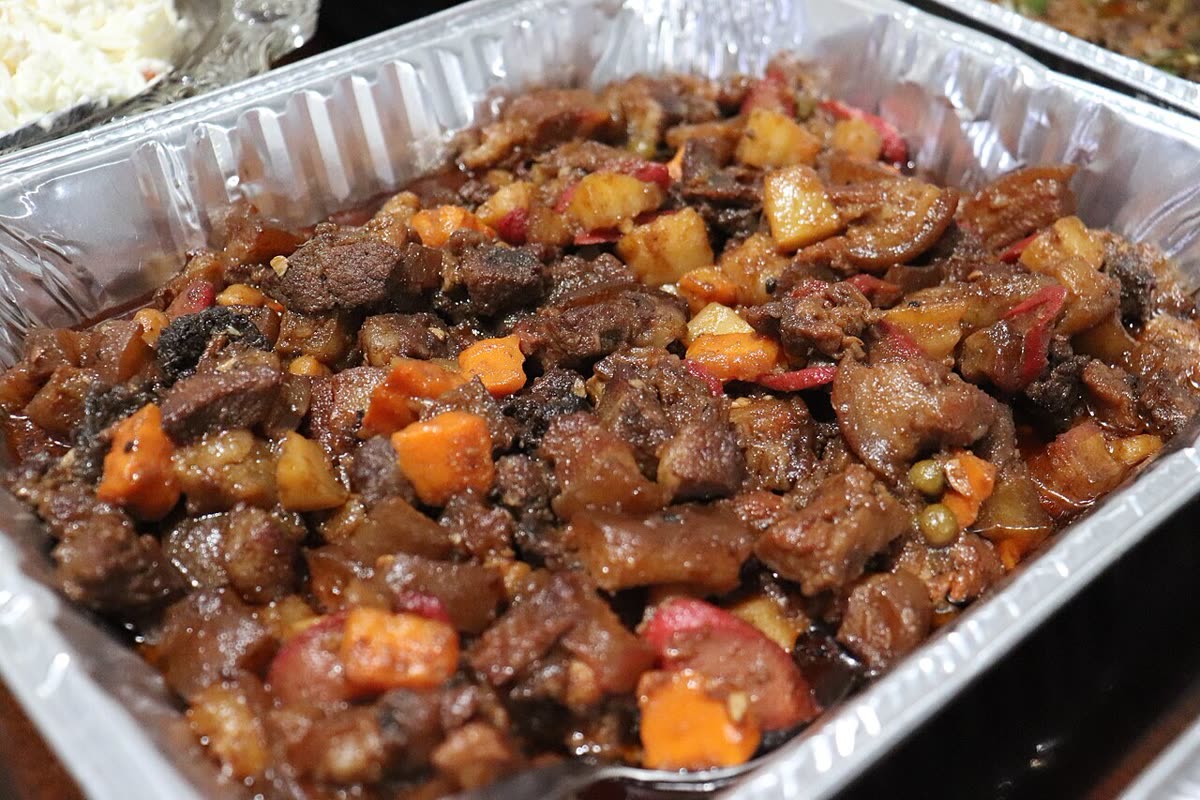
Filipino stew guide | Tomato sauce | Family meals
Filipino tomato stews can look similar from across the table, but menudo, afritada, mechado, and kaldereta each have a different personality.
Why make it: This guide helps readers understand which stew they are craving before shopping for pork, chicken, beef, liver spread, or peppers.
Fresh From the Kitchen
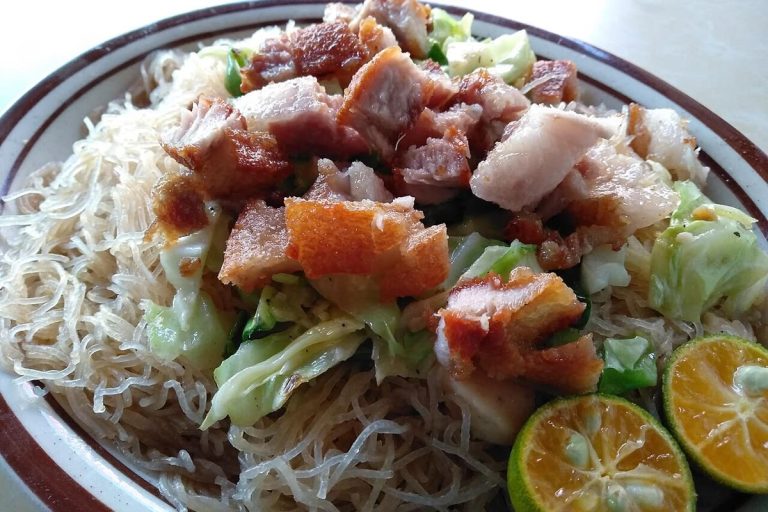
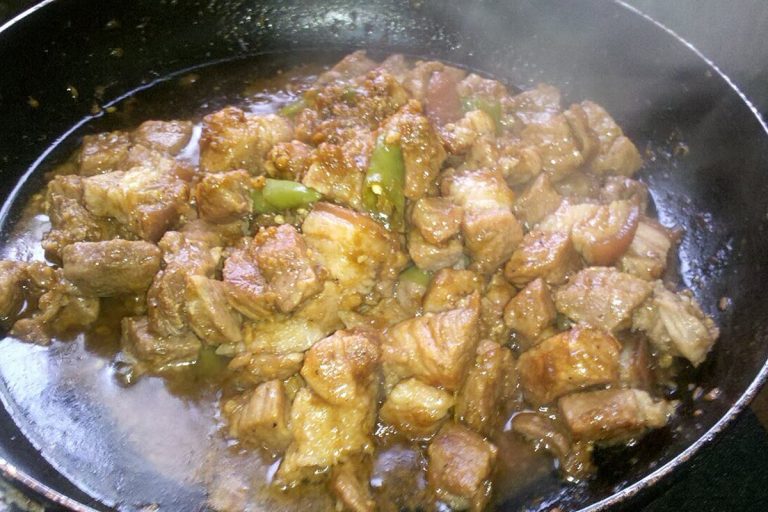
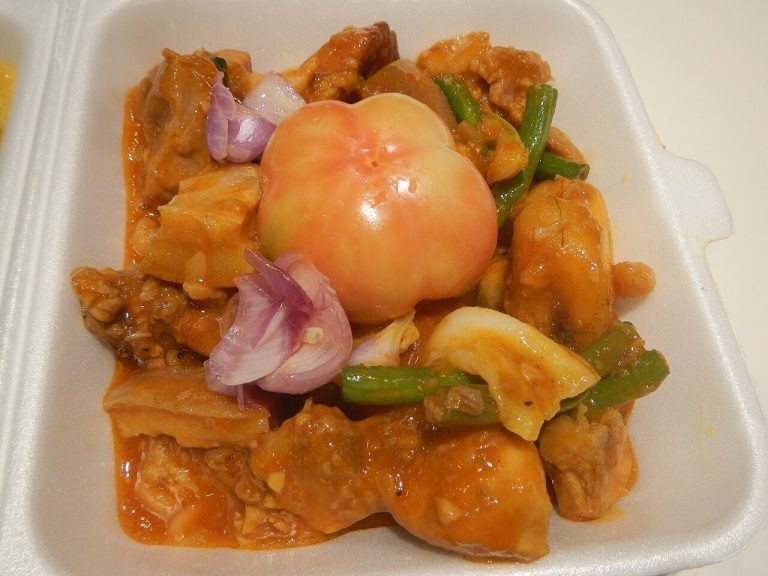
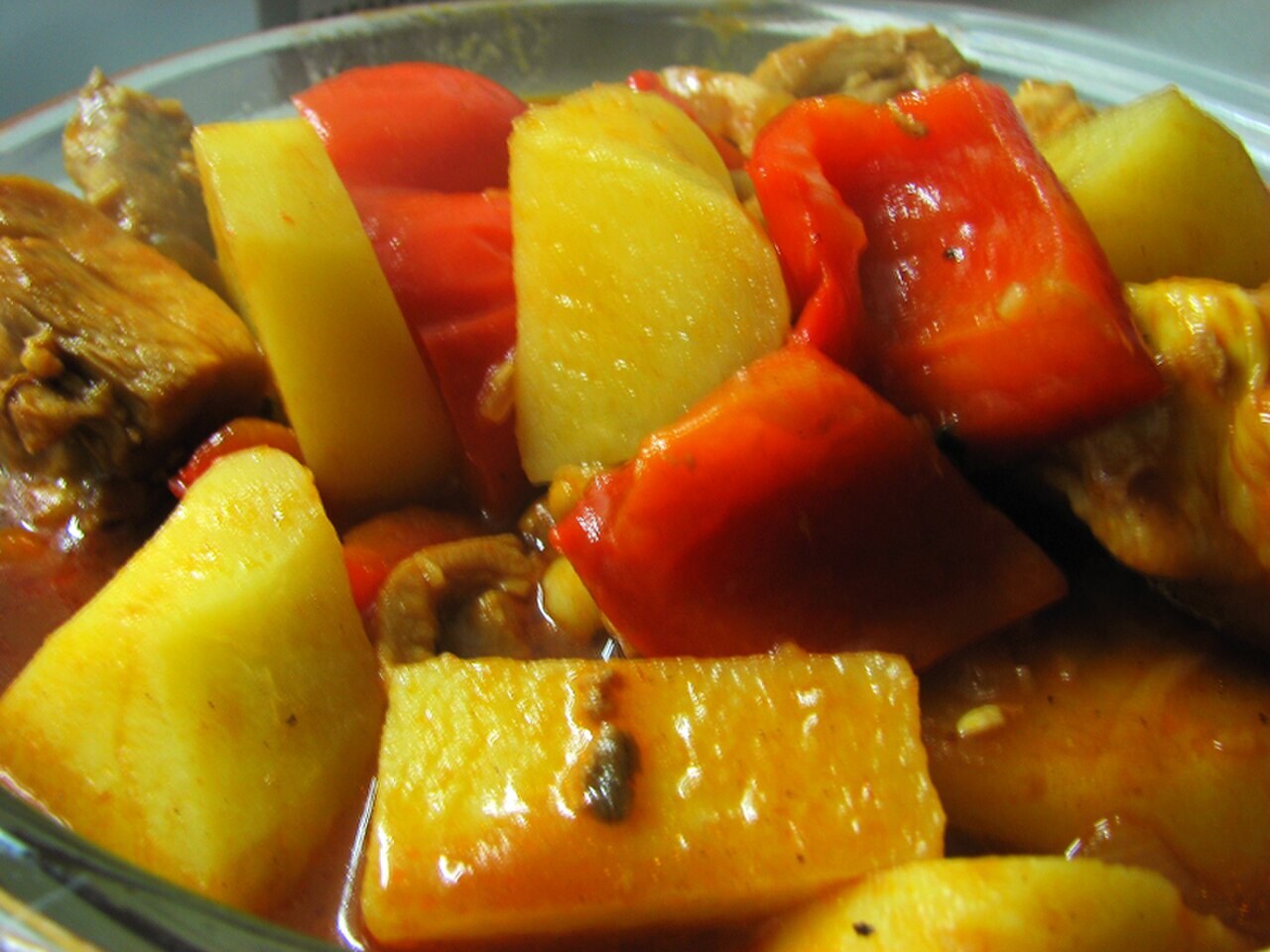
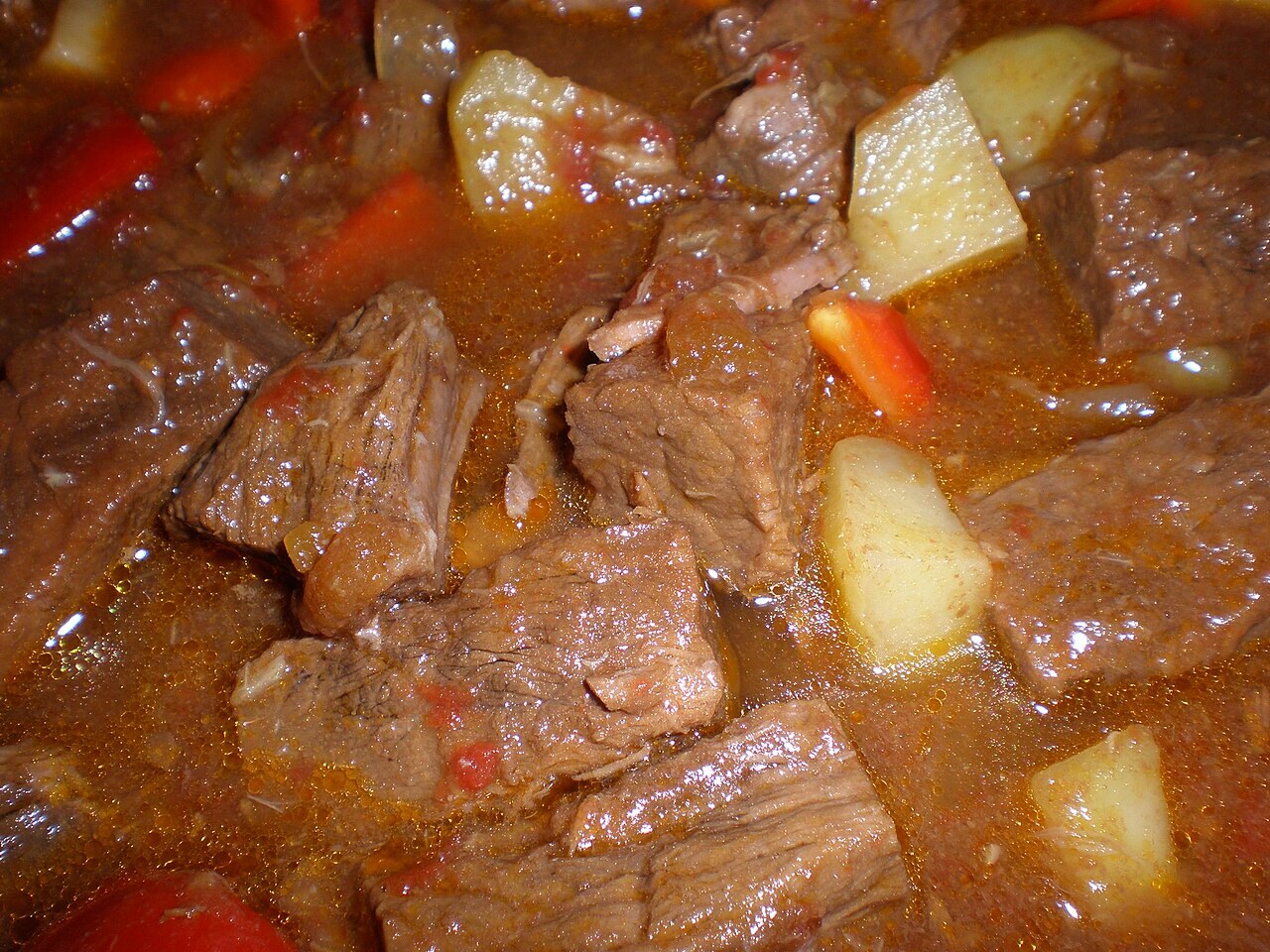
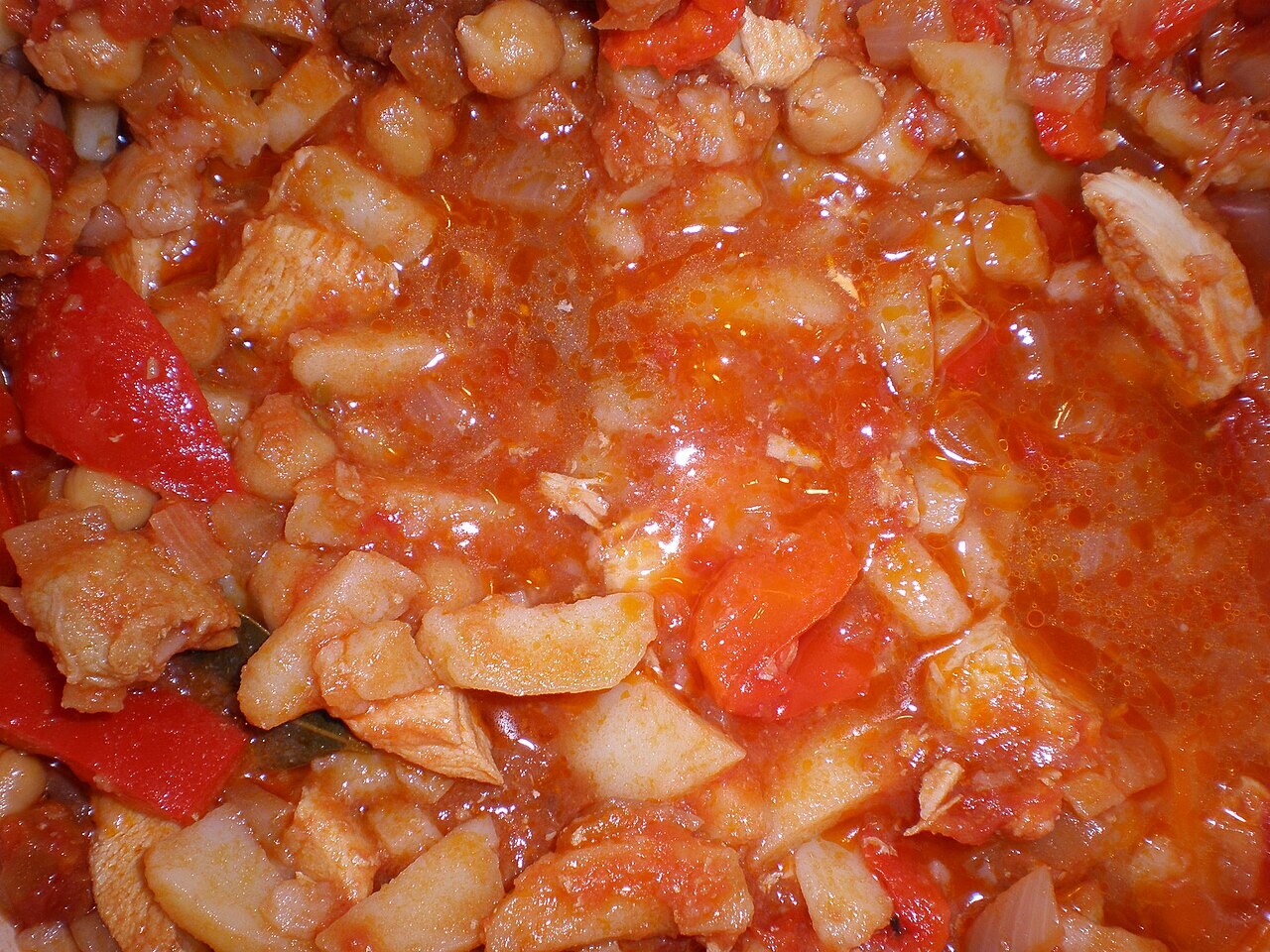
These photos show the colors, textures, and serving style to look for when making Filipino Tomato Stew Guide.
About This Recipe
Filipino tomato-based stews often combine meat, potatoes, carrots, tomato sauce, and savory seasonings. The differences come from the protein, cut size, richness, and regional or family choices.
Why You Will Love It
- Practical for U.S. kitchens: the recipe uses ingredients and substitutions a home cook can realistically shop for.
- Built for the table: the serving notes match how the dish usually lands in Filipino-American homes, from weeknights to merienda to parties.
- Flexible without erasing the dish: swaps are named clearly so the original idea stays visible.
- Easy to cook through: the shopping list, timings, and storage notes make the recipe straightforward to test and adjust.
Ingredient Notes
For the sauce
Tomato sauce is the base, but fish sauce, soy sauce, and slow simmering make it taste Filipino.
For the differences
Menudo is usually pork and smaller cuts, afritada often chicken, mechado beefy and braised, kaldereta richer and sometimes spicy.
Filipino Tomato Pork Stew Recipe
A starter menudo-style tomato stew that demonstrates the base used across Filipino tomato stews.
Shopping List
- pork shoulder
- tomato sauce
- tomato paste
- potatoes
- carrots
- bell pepper
- peas
- soy sauce
- fish sauce
Ingredients
Stew Base
- 2 pounds pork shoulder, cut into 1-inch pieces
- 2 tablespoons neutral oil
- 1 medium onion, chopped
- 5 garlic cloves, minced
- 1 can tomato sauce
- 2 tablespoons tomato paste
- 1 cup chicken broth
- 2 tablespoons soy sauce
- 1 tablespoon fish sauce
Vegetables
- 2 medium potatoes, diced
- 2 large carrots, diced
- 1 red bell pepper, diced
- 1 cup green peas
Instructions
- Heat oil in a heavy pot and brown pork in batches.
- Saute onion and garlic in the same pot until fragrant.
- Stir in tomato sauce and tomato paste and cook until the sauce darkens slightly.
- Return pork to the pot with broth, soy sauce, and fish sauce.
- Simmer covered until pork is almost tender, 45 to 60 minutes.
- Add potatoes and carrots and cook until tender.
- Stir in bell pepper and peas and simmer until the sauce is rounded and glossy.
- Rest 10 minutes before serving with rice.
Nutrition Estimate
Approximate values per serving based on the listed ingredients and yield. Actual nutrition will vary by brand, exact portion size, and cooking changes.
Tips For The Best Filipino Tomato Stew Guide
- Brown the meat: Color gives tomato stews depth.
- Cook potatoes separately if needed: This prevents them from dissolving.
- Taste tomato sauce after simmering: Raw tomato flavor needs time.
- Respect family versions: These names vary by household and region.
How To Serve And Store
Use this guide as a hub for the site's stew recipes and link each finished recipe as it publishes.
Common Questions
Which stew is easiest?
Chicken afritada is usually the simplest starting point.
Which one is richest?
Kaldereta is often the richest.
Are these Spanish dishes?
They have colonial influence, but Filipino versions developed their own pantry and family styles.
Can I use one base for all?
You can start similarly, but each dish should be seasoned and finished differently.
Which Filipino tomato stew do you want a full recipe for first? Share your family version or testing notes in the comments.
Guide inspiration and technique reference: Filipino recipe source research from Panlasang Pinoy, Kawaling Pinoy, Serious Eats, and the site roadmap.