Humba: Visayan Braised Pork with Pineapple and Black Beans
 Recipe Guy

Visayan pork braise | Sweet-savory | Party dish
Pineapple juice and brown sugar give this humba a rounded sweetness, while fermented black beans keep the sauce deeply savory. Belly makes a richer pot; shoulder puts more meat in each bite. Either needs a gentle braise before the sauce reduces.
Why make it: This version gives an adobo-adjacent path for readers who know soy-vinegar braises but want a softer, sweeter Visayan-style dish.
Fresh From the Kitchen
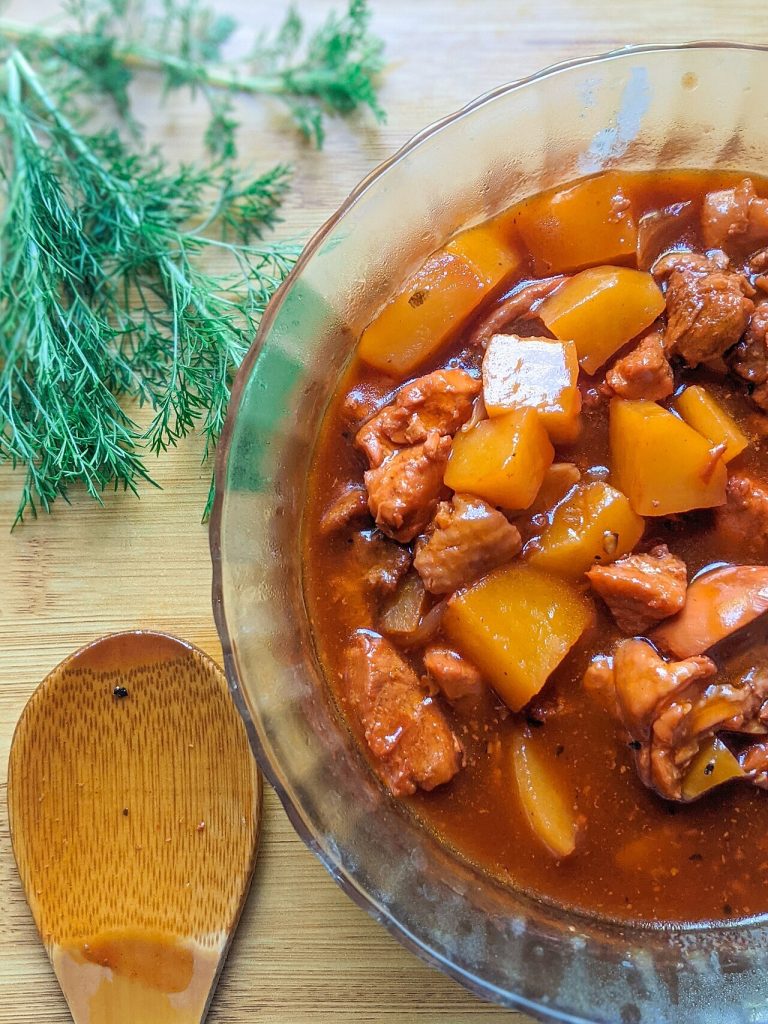
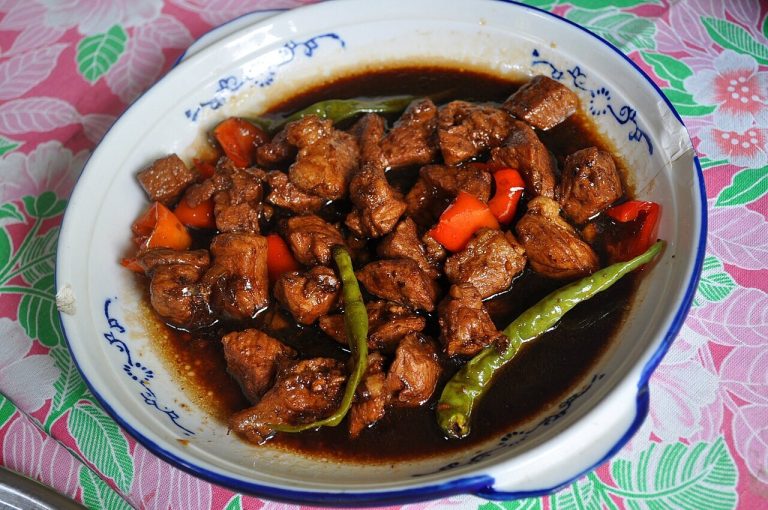
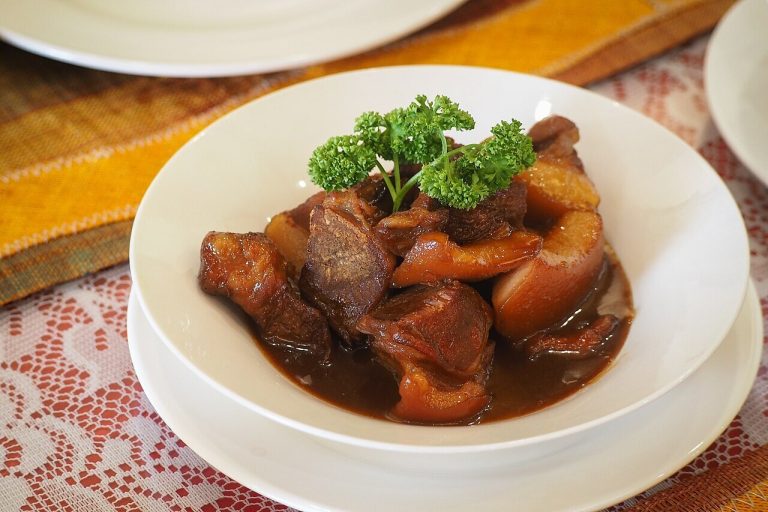
These photos show the colors, textures, and serving style to look for when making Humba.


About This Recipe
The ingredient that deserves a second look is the fermented black bean. Just two tablespoons sit alongside soy sauce, garlic, and bay, adding a concentrated savory note to the pineapple-sweetened liquid. Rinsing the beans is part of the preparation, not an optional garnish step.
Brown the pork before adding the sauce, then let tenderness dictate when to uncover the pot. The final reduction should leave a coating for the meat and enough sauce for rice. Star anise and pineapple chunks remain optional accents.
Cooking Notes
- Cut the pork into similarly sized pieces before browning. Keep them in contact with the pot long enough to color rather than continually stirring them through their released moisture.
- Do the final reduction only after the pork is tender. If the sauce thickens first, the meat still needs gentle cooking, not a hotter pan of concentrated sugar and soy.
Ingredient Notes
For the pork
Belly is rich and traditional for many versions; shoulder makes a meatier pot.
For the sauce
Pineapple and sugar make humba rounder and sweeter than many adobo styles.
Humba Recipe
This version gives an adobo-adjacent path for readers who know soy-vinegar braises but want a softer, sweeter Visayan-style dish.
Shopping List
- pork belly or shoulder
- soy sauce
- vinegar
- pineapple juice
- brown sugar
- garlic
- bay leaves
- black beans
- star anise optional
- rice
Ingredients
Pork and Aromatics
- 2 1/2 pounds pork belly or shoulder
- 1 head garlic, smashed
- 3 bay leaves
- 1 star anise, optional
Braising Sauce
- 1/2 cup soy sauce
- 1/3 cup cane vinegar
- 1/2 cup pineapple juice
- 1/4 cup brown sugar
- 2 tablespoons fermented black beans, rinsed
- 1 cup water
For Serving
- Steamed rice
- Pineapple chunks, optional
Instructions
- Brown pork pieces in a heavy pot until some fat renders.
- Add garlic, bay leaves, and star anise if using.
- Add soy sauce, vinegar, pineapple juice, sugar, black beans, and water.
- Bring to a boil without stirring for a few minutes to soften the vinegar edge.
- Cover and simmer until pork is tender.
- Uncover and reduce until the sauce is glossy.
- Serve with rice and pineapple if desired.
Nutrition Estimate
Approximate values per serving based on the listed ingredients and yield. Actual nutrition will vary by brand, exact portion size, and cooking changes.
Tips For The Best Humba
- Let vinegar boil first: This rounds off the raw vinegar taste.
- Rinse black beans: They are salty and intense.
- Reduce at the end: The sauce should cling to the pork.
- Balance sweetness: Add water or vinegar if the sauce gets too sweet.
How To Serve And Store
Serve with rice, greens, or pickled vegetables. Refrigerate up to 4 days.
Common Questions
Is humba the same as adobo?
It is related in flavor, but humba is usually sweeter and often uses pineapple and black beans.
Can I skip black beans?
Yes, though they add a distinct savory depth.
Can I use pork shoulder?
Yes. It is less rich than belly but works well.
Should I choose pork belly or shoulder for this humba?
Choose belly for distinct layers of fat and meat and a richer sauce. Shoulder gives a meatier result while still suiting the long braise. Neither should be rushed straight from browning into the reduction stage.
Are fermented black beans the same as canned black beans?
No. The recipe calls for a small quantity of fermented beans as a seasoning, not a serving of ordinary cooked black beans. Use the specified fermented product and rinse it before adding it to the braise.
Does your family's humba lean sweet, salty, or vinegary? Share your family version or testing notes in the comments.
Recipe inspiration and technique reference: Filipino home-cooking source research from Panlasang Pinoy, Kawaling Pinoy, and Filipino-American cooking sources in the site roadmap.