Filipino Adobo Guide: Chicken, Pork, White Adobo, and Adobo Flakes
 Recipe Guy
Adobo guide | Soy-vinegar braises | Leftovers
This adobo guide starts with a chicken-and-pork base: soy sauce, cane vinegar, garlic, bay, and peppercorns. It is a useful starting point for thinking about saucy braises, drier finishes, and leftovers, rather than a single formula for every adobo.
Why make it: This guide helps readers navigate soy sauce adobo, white adobo, coconut adobo, pork adobo, chicken adobo, and leftover adobo flakes.
Fresh From the Kitchen
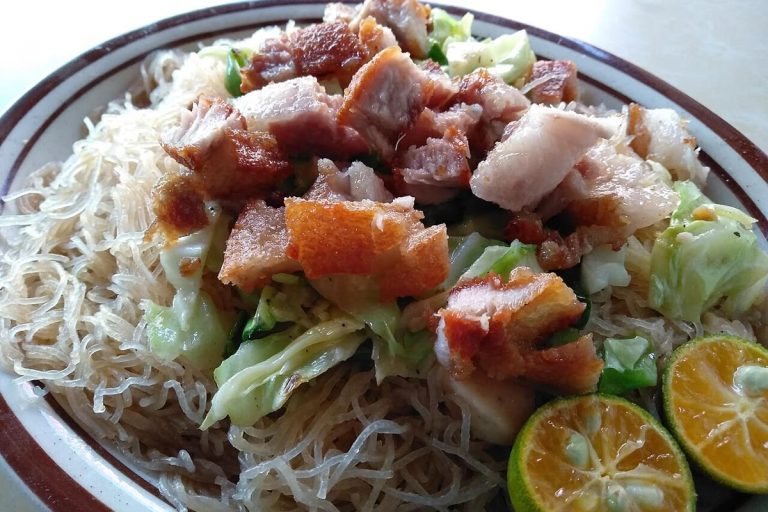
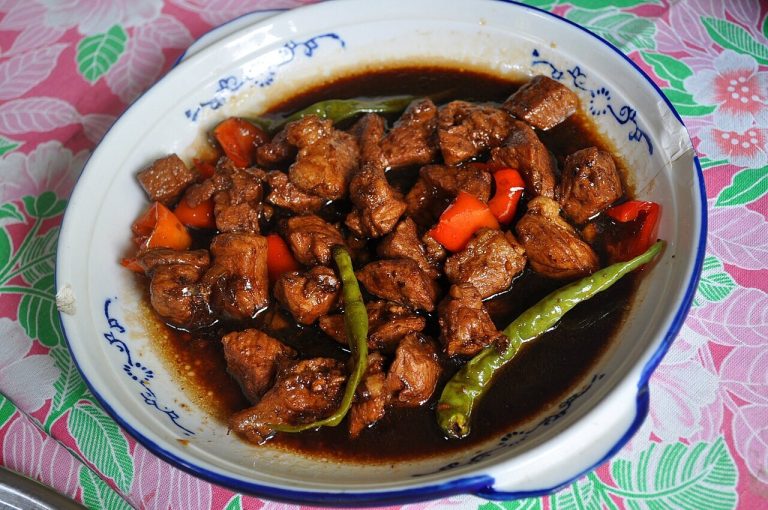
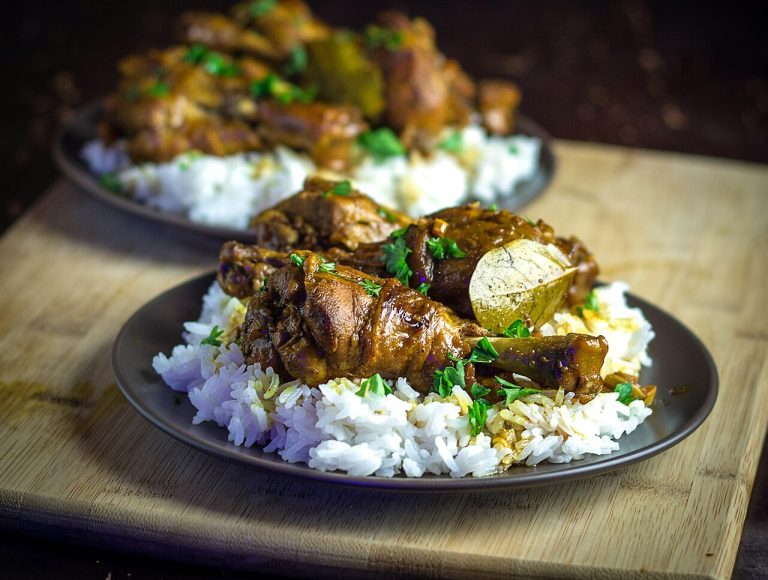
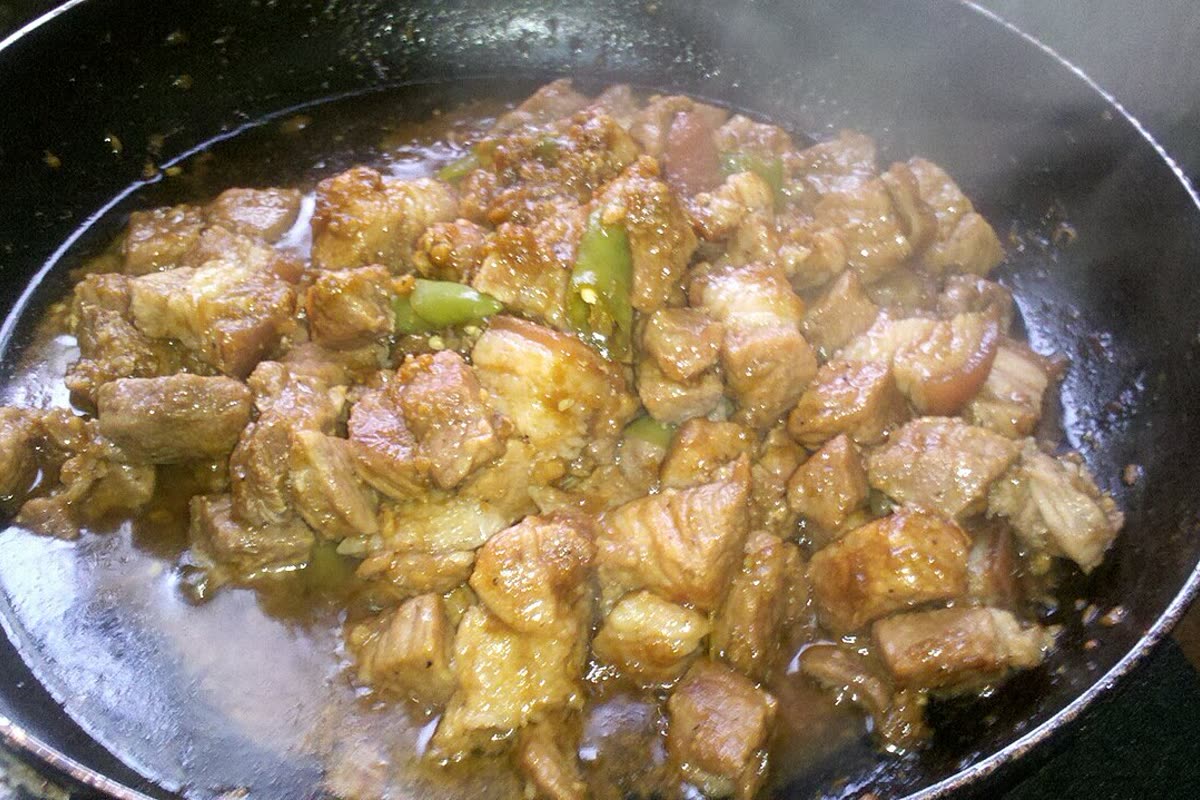
These photos show the colors, textures, and serving style to look for when making Filipino Adobo Guide.


About This Recipe
The base recipe puts chicken thighs and pork shoulder in the same pot, with equal measures of soy sauce and vinegar. Browning comes first; gentle cooking follows, then the lid comes off to concentrate the sauce around the tender meat.
Keep that sequence separate from the guide's variations. White adobo and crisp shredded flakes are not simply new names for this mixed-meat braise. Changing the seasoning or finishing texture calls for its own decisions, especially about salt and how much liquid remains.
Cooking Notes
- Let excess marinade drip from the meat before browning, and reserve the liquid as directed. A wet surface makes it harder to develop color in the oiled pot.
- Check the chicken and pork separately during the braise. If the chicken becomes tender first, lift it out while the pork finishes, then return it for the final coating of sauce.
Ingredient Notes
For vinegar
Cane vinegar, coconut vinegar, white vinegar, and apple cider vinegar all push the flavor in different directions.
For texture
Saucy adobo, dry adobo, and shredded adobo flakes come from how far you reduce and fry the meat.
Classic Chicken and Pork Adobo Recipe
A balanced soy-vinegar adobo with chicken, pork, garlic, bay, pepper, and a reduced sauce.
Shopping List
- chicken thighs
- pork shoulder
- soy sauce
- cane vinegar
- garlic
- bay leaves
- peppercorns
Ingredients
Meat
- 1 1/2 pounds chicken thighs
- 1 pound pork shoulder, cut into 1-inch pieces
Adobo Sauce
- 1/2 cup soy sauce
- 1/2 cup cane vinegar
- 1 cup water
- 10 garlic cloves, smashed
- 3 bay leaves
- 1 teaspoon whole black peppercorns
- 1 tablespoon neutral oil
Instructions
- Marinate chicken and pork with soy sauce, vinegar, garlic, bay leaves, and peppercorns for 30 minutes.
- Remove meat from marinade and reserve the liquid.
- Heat oil in a wide pot and brown pork first, then chicken.
- Pour in reserved marinade and water and bring to a simmer.
- Cook gently until pork and chicken are tender.
- Uncover and reduce the sauce until salty, sour, garlicky, and glossy.
- Rest 10 minutes before serving.
Nutrition Estimate
Approximate values per serving based on the listed ingredients and yield. Actual nutrition will vary by brand, exact portion size, and cooking changes.
Tips For The Best Filipino Adobo Guide
- Let vinegar cook: A short boil softens the raw edge.
- Use enough garlic: Adobo should be aromatic.
- Control sauce level: Cover for tender meat, uncover to reduce.
- Do not flatten adobo: Family variation is the point.
How To Serve And Store
Use this guide as a hub for adobo recipes and leftover ideas across the site.
Common Questions
Does adobo need soy sauce?
No. White adobo skips soy sauce.
Is adobo always chicken?
No. Pork, seafood, vegetables, and mixed meats all exist.
Why does adobo taste better the next day?
The sauce seasons the meat more deeply as it rests.
Can I freeze adobo?
Yes. It freezes well with its sauce.
How far should I reduce the base adobo sauce?
Stop while there is enough glossy liquid to coat the meat and spoon over rice. Soy sauce becomes more concentrated as water evaporates, so a dry pan is not the target for this saucy base.
Can I make adobo flakes directly from the uncooked meat?
The base needs to be braised until tender first. Flakes are a separate finish using cooked, shredded meat; reducing this pot further without shredding it will give you drier adobo pieces, not the same texture.
What adobo version should every Filipino-American kitchen know? Share your family version or testing notes in the comments.
Guide inspiration and technique reference: Filipino recipe source research from Panlasang Pinoy, Kawaling Pinoy, Serious Eats, and the site roadmap.