Chicken Adobo: Filipino Soy-Vinegar Chicken for Everyday Rice Bowls
 Recipe Guy

Filipino classic | Weeknight dinner | Rice bowl
Ten cloves of garlic give this chicken adobo a generous savory backbone, while equal measures of soy sauce and vinegar keep the sauce sharp and salty. Bone-in thighs and drumsticks turn tender in the braise, ready for a plate of steamed rice.
Why make it: this version keeps the ingredient list short, uses U.S. grocery-store chicken pieces, and gives the sauce enough time to reduce without drying out the meat.
Fresh From the Oven
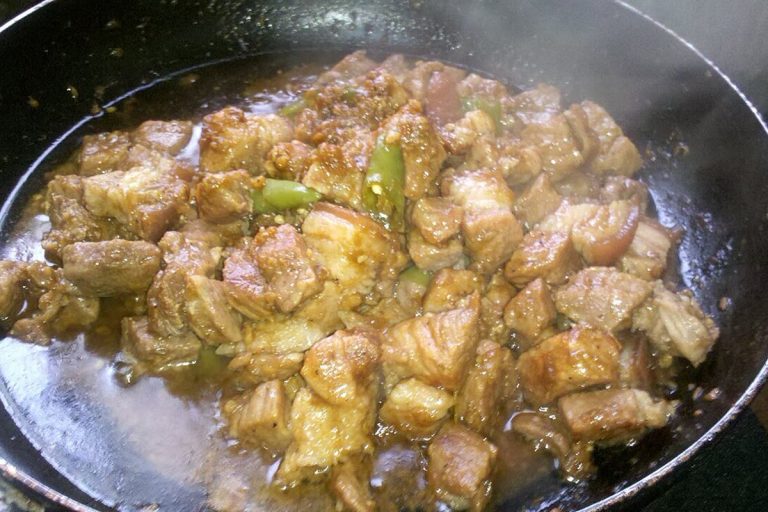
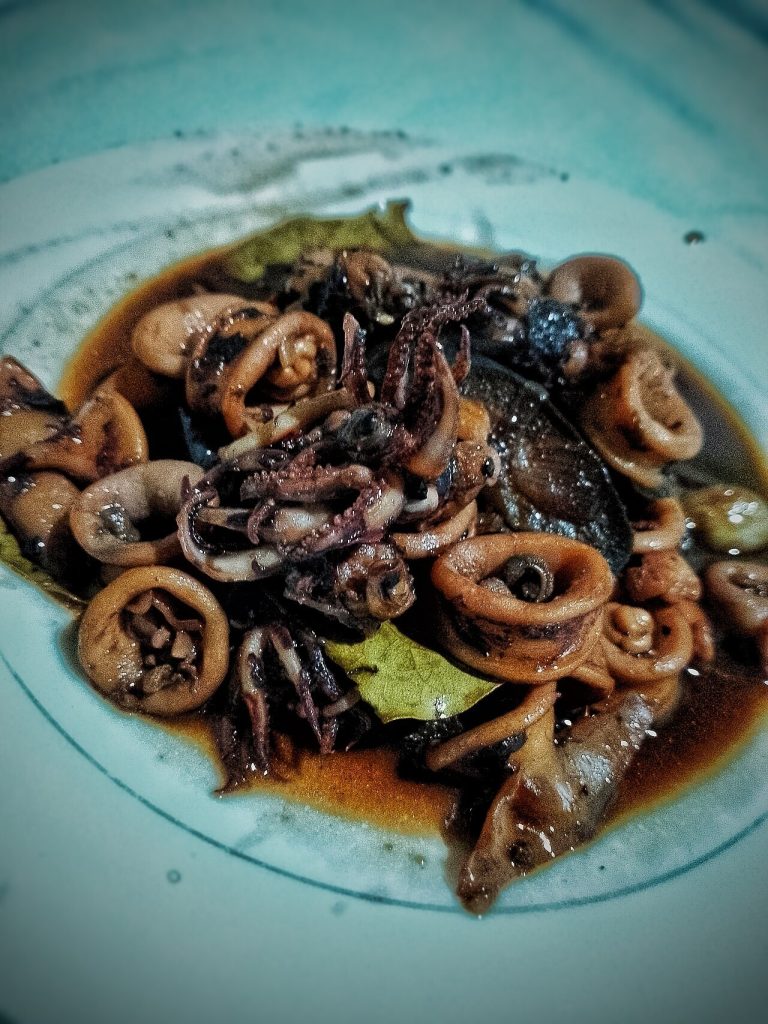
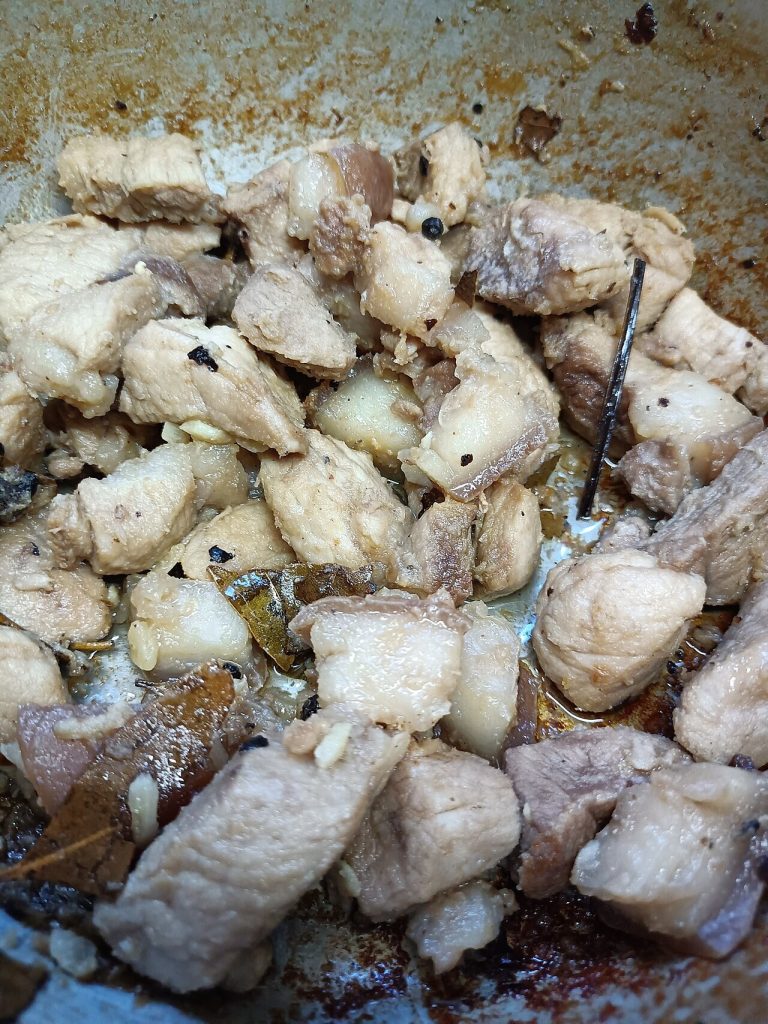
These photos show the glossy sauce, bone-in chicken pieces, and rice-ready finish this everyday adobo is built around.


About This Recipe
Browning comes before braising here. The chicken gets color in a wide pan, then simmers with its soy-vinegar marinade, bay leaves, peppercorns, and water. That covered stretch is for tenderness; the uncovered finish concentrates the sauce.
Stop the reduction while there is still enough sauce to spoon over rice. A teaspoon of optional brown sugar can soften the impression of sharp vinegar, but this is a savory dish, with garlic and pepper remaining easy to pick out.
This version lands in the everyday middle: enough sauce for rice, enough reduction for flavor, and no specialty ingredient beyond Filipino-style cane vinegar if you have it.
Why You Will Love It
- Better the next day: the soy-vinegar sauce settles into the chicken and makes leftovers even better.
- Pantry-friendly: soy sauce, vinegar, garlic, bay leaves, and pepper do most of the work.
- Flexible cuts: thighs, drumsticks, or a mixed cut-up chicken all work.
- Built for leftovers: extra meat can become adobo fried rice, adobo flakes, or lunch bowls.
Ingredient Notes
For the chicken
Bone-in chicken gives the sauce more flavor and stays juicy. Boneless thighs work, but reduce the simmering time.
For the sauce
Filipino cane vinegar is ideal if available. Distilled white vinegar works for a clean, sharp adobo. Apple cider vinegar makes the sauce rounder. Brown sugar is optional; a small amount helps the sauce gloss up and balances very sharp vinegar.
Cooking Notes
- Pat the drained chicken dry before browning, and keep the reserved marinade separate until the braising step. A wet surface makes it harder to develop an even golden color.
- Watch the sauce closely during the uncovered finish. If it becomes strongly salty before it looks glossy, add a little of the listed water instead of reducing it further.
Chicken Adobo Recipe
Classic Filipino soy-vinegar chicken written for a U.S. home kitchen, with enough sauce for rice and a final simmer that turns the braise glossy.
Shopping List
- bone-in chicken thighs and drumsticks
- neutral oil
- soy sauce
- Filipino cane vinegar or distilled white vinegar
- garlic
- dried bay leaves
- whole black peppercorns
- brown sugar, optional
- white rice
Ingredients
Chicken
- 3 pounds bone-in chicken thighs and drumsticks
- 1 tablespoon neutral oil
Adobo Sauce
- 1/2 cup soy sauce
- 1/2 cup Filipino cane vinegar or distilled white vinegar
- 10 garlic cloves, smashed
- 3 dried bay leaves
- 1 teaspoon whole black peppercorns
- 1/2 cup water, plus more if needed
- 1 teaspoon brown sugar, optional
For Serving
- Steamed white rice, for serving
Instructions
- Combine the chicken, soy sauce, vinegar, garlic, bay leaves, and peppercorns in a bowl or zip-top bag. Marinate for at least 30 minutes, or refrigerate overnight.
- Remove the chicken from the marinade and pat it dry. Save the marinade.
- Heat the oil in a wide skillet or Dutch oven over medium-high heat. Brown the chicken skin-side down until golden, 4 to 6 minutes. Flip and brown the second side for 2 to 3 minutes.
- Pour in the reserved marinade and the water. Bring to a boil, then lower the heat to a gentle simmer.
- Cover and cook until the chicken is tender, about 25 minutes.
- Uncover, turn the chicken skin-side up, and simmer until the sauce reduces to a glossy, salty-tangy gravy, 10 to 15 minutes. Add the optional sugar during this reduction if the vinegar tastes too sharp.
- Taste the sauce. If it is too salty, add a splash of water. If it is too flat, simmer a few minutes longer or add a small splash of vinegar.
- Serve hot with steamed rice and a spoonful of sauce.
Nutrition Estimate
Approximate values per serving based on the listed ingredients and yield. Actual nutrition will vary by brand, exact portion size, and cooking changes.
Tips For The Best Adobo
- Save the marinade: it becomes the braising liquid and carries most of the flavor.
- Let the vinegar boil: a short uncovered boil softens the raw vinegar edge.
- Use a wide pan: the sauce reduces faster and coats the chicken better.
- Reduce separately for drier adobo: remove the chicken once tender and simmer the sauce until thick.
How To Serve And Store
Serve with steamed rice, garlic rice, cucumber, tomato, or atchara. Refrigerate leftovers for up to 4 days. Reheat gently with a splash of water, or shred the meat and crisp it in a skillet for adobo flakes.
Common Questions
Can I use boneless chicken?
Yes. Boneless thighs work well. Start checking for tenderness after 15 minutes of simmering.
Can I make this less salty?
Use low-sodium soy sauce or replace 2 tablespoons of the soy sauce with water.
Can I make this ahead?
Yes. Adobo is one of the best make-ahead Filipino dishes because the flavor deepens overnight.
Can I add coconut milk?
Yes. Add 1/2 to 1 cup coconut milk near the end and simmer gently until the sauce is rich and slightly thickened.
What if the chicken is tender but the adobo sauce is still thin?
Lift the chicken out temporarily and reduce the sauce on its own. This lets you concentrate the liquid without leaving tender pieces in the pan longer than necessary; return them to coat before serving.
Do I need the brown sugar in this adobo?
No. It is optional, and the soy sauce, vinegar, garlic, bay leaves, and peppercorns provide the main seasoning. Use it during the final reduction only if you want a slightly rounder finish.
What kind of chicken adobo did you grow up with? Tell us whether your family makes it saucy, dry and glossy, coconut milk-rich, soy-free, or another way entirely.
Recipe inspiration and technique reference: Filipino chicken adobo methods from Panlasang Pinoy, Kawaling Pinoy, and Serious Eats, adapted here for a practical U.S. home-kitchen version.