Kakanin Guide: Filipino Rice Cakes and Coconut Sweets
 Recipe Guy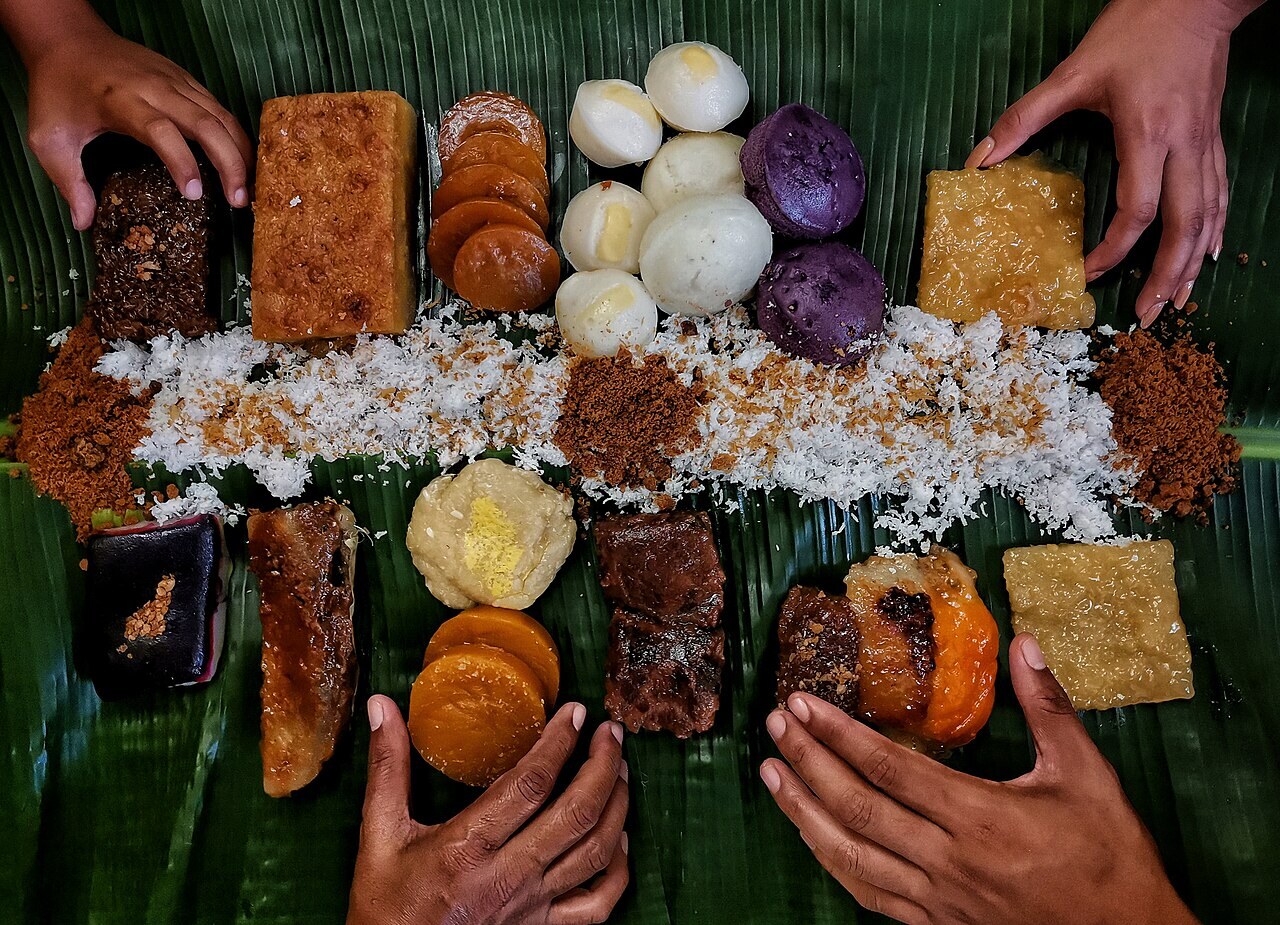
Filipino sweets | Rice cakes | Coconut desserts
Kakanin is the sweet, sticky, coconut-rich world of Filipino rice cakes, from biko and bibingka to puto, kutsinta, palitaw, and sapin-sapin.
Why make it: This guide gives readers a map before they buy glutinous rice, rice flour, coconut milk, banana leaves, or lye water.
Fresh From the Kitchen
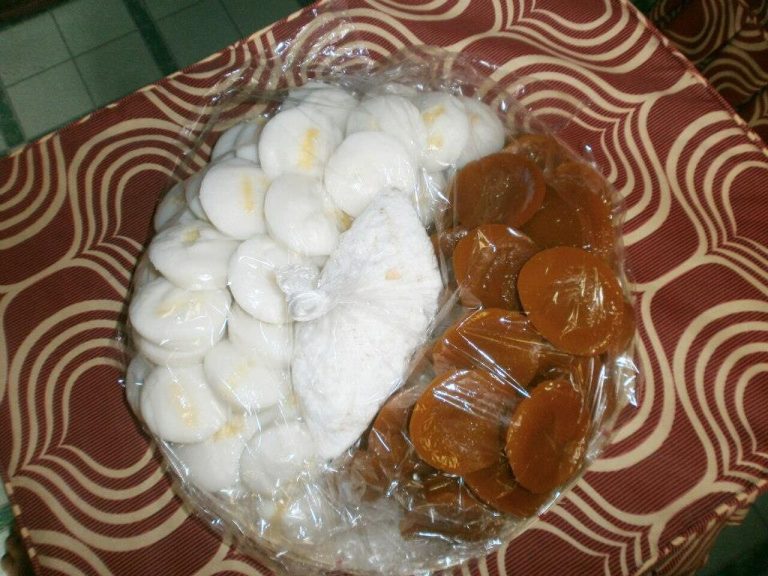
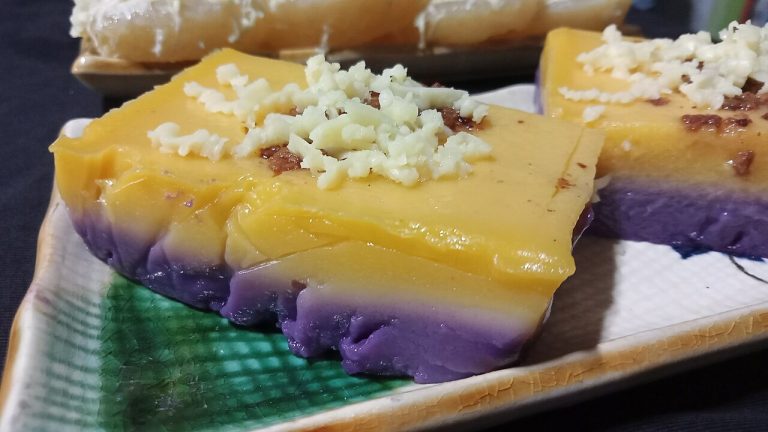
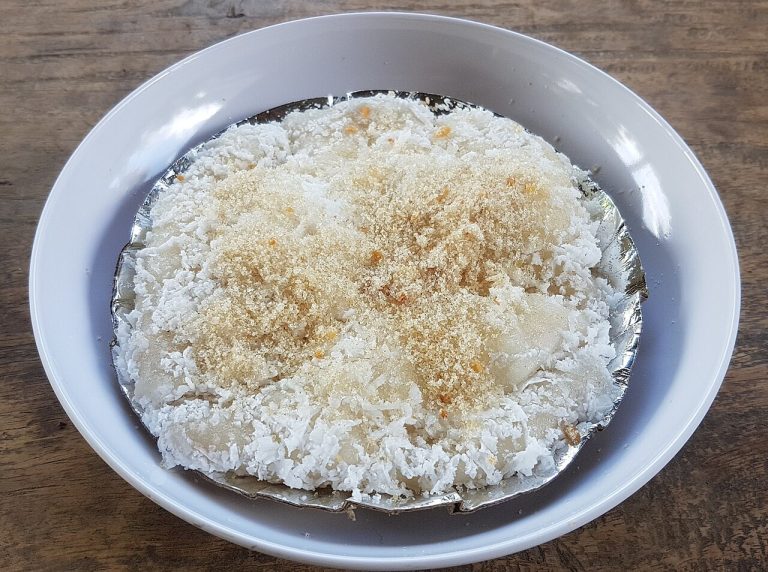
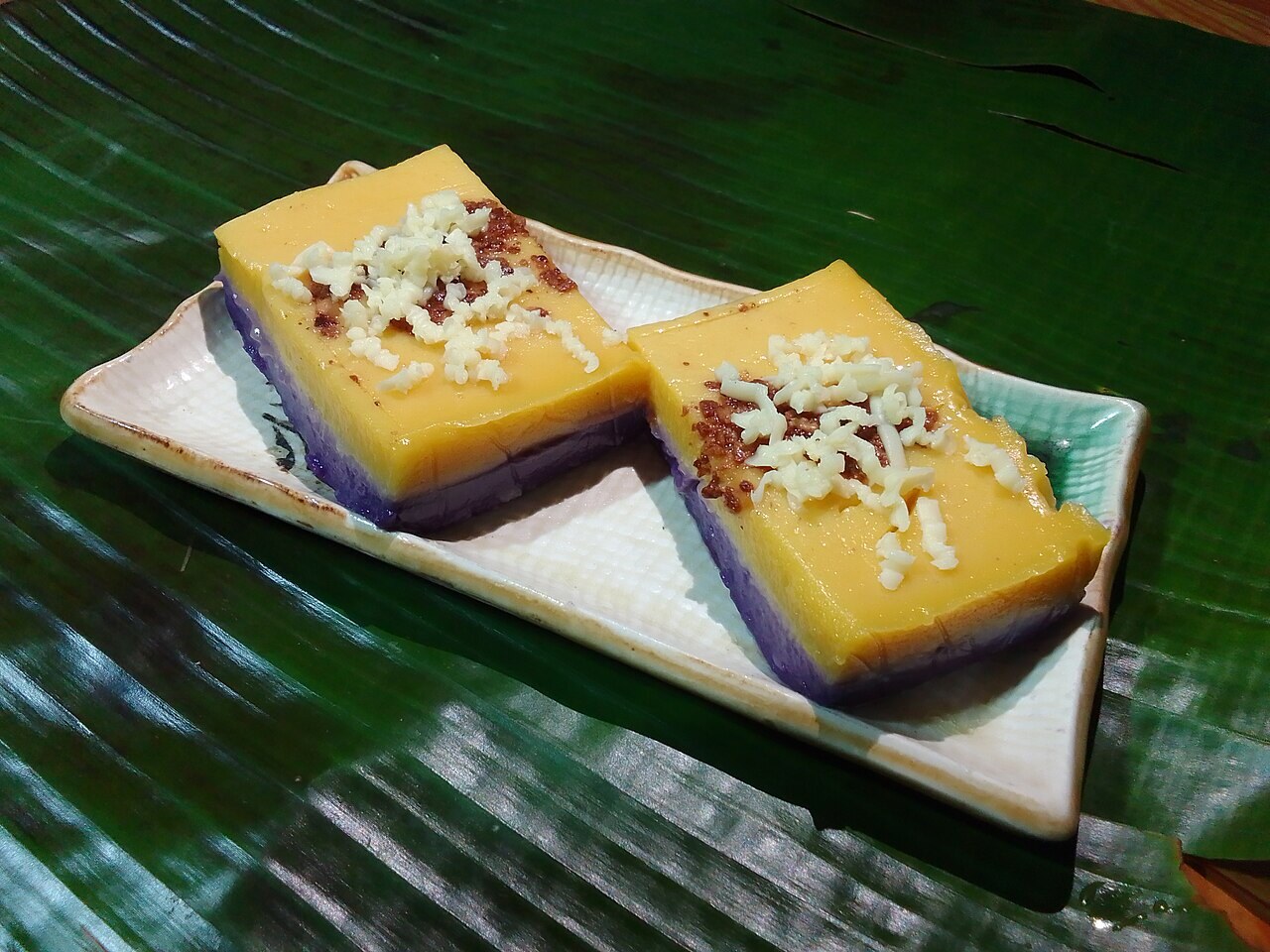
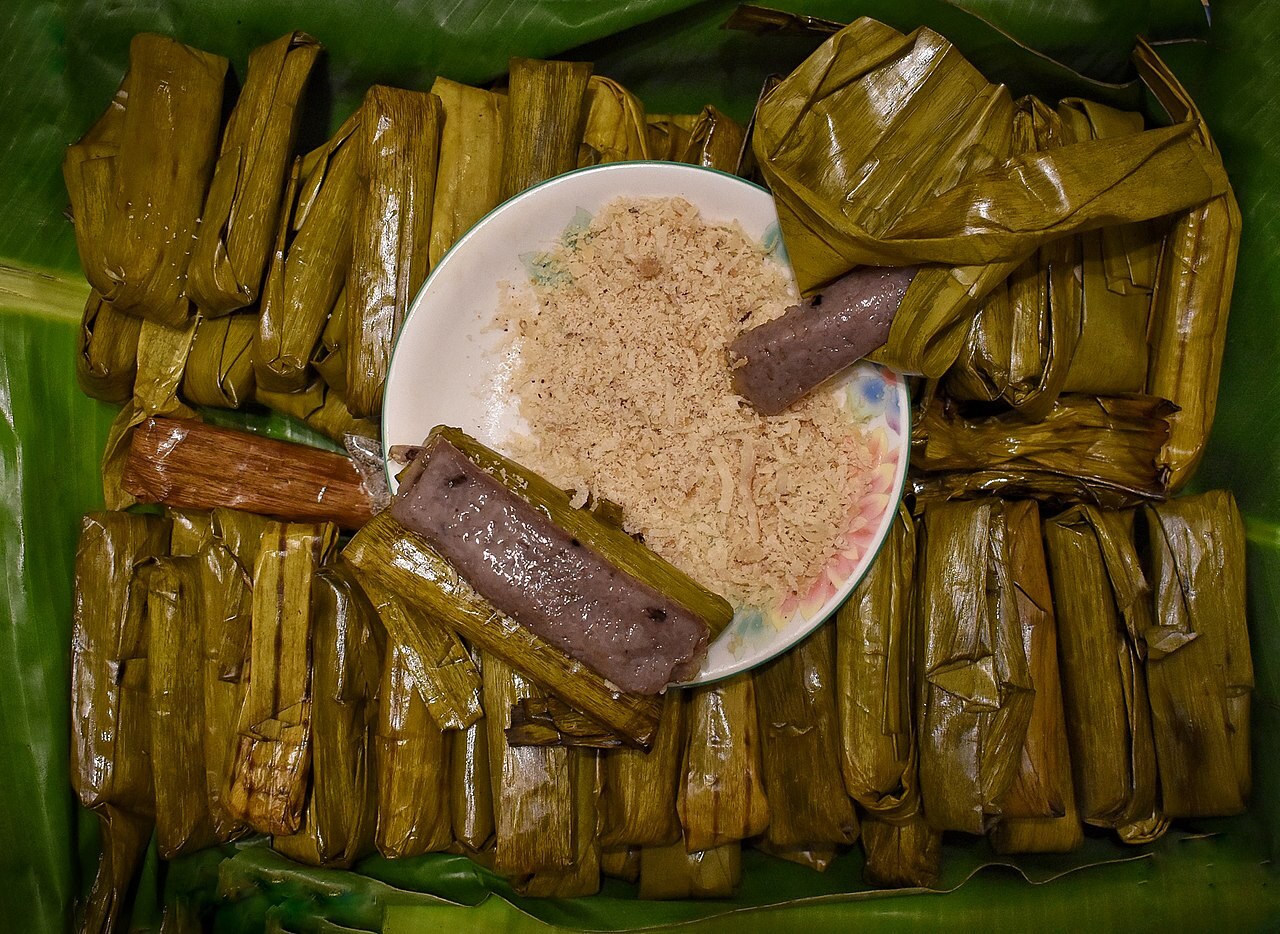
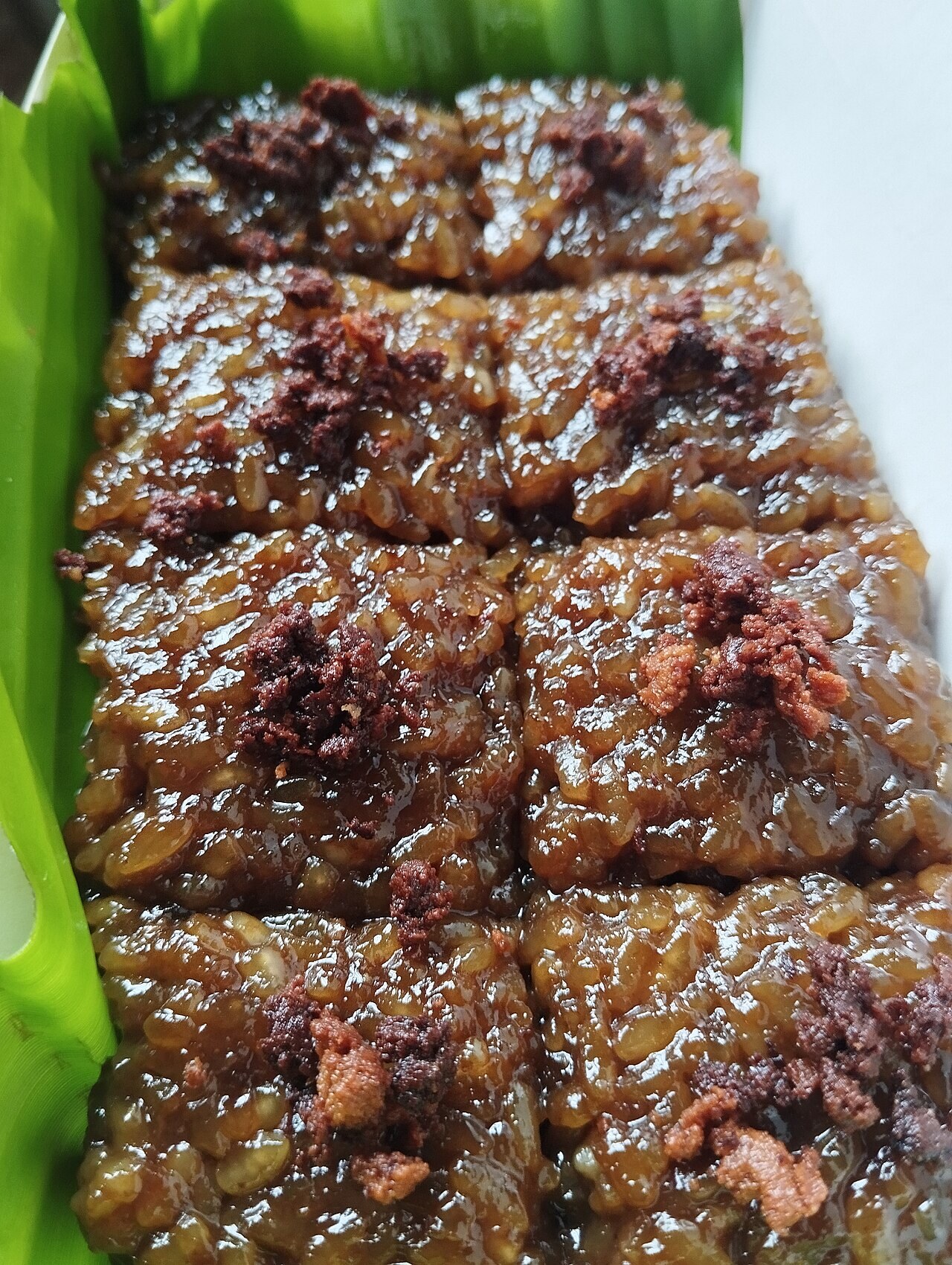
These photos show the colors, textures, and serving style to look for when making Kakanin Guide.
About This Recipe
Kakanin refers to Filipino rice-based snacks and desserts, often made with rice, glutinous rice, rice flour, coconut milk, and sugar.
Why You Will Love It
- Practical for U.S. kitchens: the recipe uses ingredients and substitutions a home cook can realistically shop for.
- Built for the table: the serving notes match how the dish usually lands in Filipino-American homes, from weeknights to merienda to parties.
- Flexible without erasing the dish: swaps are named clearly so the original idea stays visible.
- Easy to cook through: the shopping list, timings, and storage notes make the recipe straightforward to test and adjust.
Ingredient Notes
For rice
Whole glutinous rice, rice flour, and glutinous rice flour are not interchangeable.
For coconut
Coconut milk cooks; coconut cream finishes and enriches.
Starter Biko Kakanin Recipe
A core sticky rice kakanin that teaches the coconut caramel method behind many Filipino rice cakes.
Shopping List
- glutinous rice
- coconut milk
- coconut cream
- brown sugar
- latik
- banana leaves
Ingredients
Sticky Rice
- 2 cups glutinous rice
- 2 cups coconut milk
- 1/2 teaspoon salt
Coconut Caramel
- 1 cup coconut cream
- 1 cup brown sugar
- 2 tablespoons butter
Finish
- 1/2 cup latik curds
- Banana leaves for lining
Instructions
- Rinse glutinous rice until the water runs mostly clear.
- Cook rice with coconut milk and salt until tender and sticky.
- Simmer coconut cream and brown sugar until glossy and thickened.
- Fold the cooked rice into the coconut caramel and stir until evenly coated.
- Transfer to a banana-leaf-lined pan and smooth the top.
- Bake at 350 F for 20 to 25 minutes, or cook on the stovetop until set.
- Top with latik and cool before cutting into squares.
Nutrition Estimate
Approximate values per square based on the listed ingredients and yield. Actual nutrition will vary by brand, exact portion size, and cooking changes.
Tips For The Best Kakanin Guide
- Buy the right flour: Rice flour and glutinous rice flour behave differently.
- Do not rush coconut caramel: Latik and coconut caramel need steady heat.
- Use banana leaves when possible: They add aroma, not just looks.
- Label substitutions: Modern shortcuts should be clear to readers.
How To Serve And Store
Use this guide as the site's dessert hub and connect each kakanin recipe as it is tested.
Common Questions
Is all kakanin gluten-free?
Many are rice-based, but check every ingredient and kitchen setup.
What is latik?
It can mean coconut curds or coconut caramel depending on context.
Can I use canned coconut milk?
Yes. Choose full-fat coconut milk.
Which kakanin is easiest?
Palitaw and biko are approachable starting points.
Which kakanin should get the next full recipe? Share your family version or testing notes in the comments.
Guide inspiration and technique reference: Filipino recipe source research from Panlasang Pinoy, Kawaling Pinoy, Serious Eats, and the site roadmap.