Cassava Cake with Latik
 Recipe Guy
Filipino | Desserts | Baking
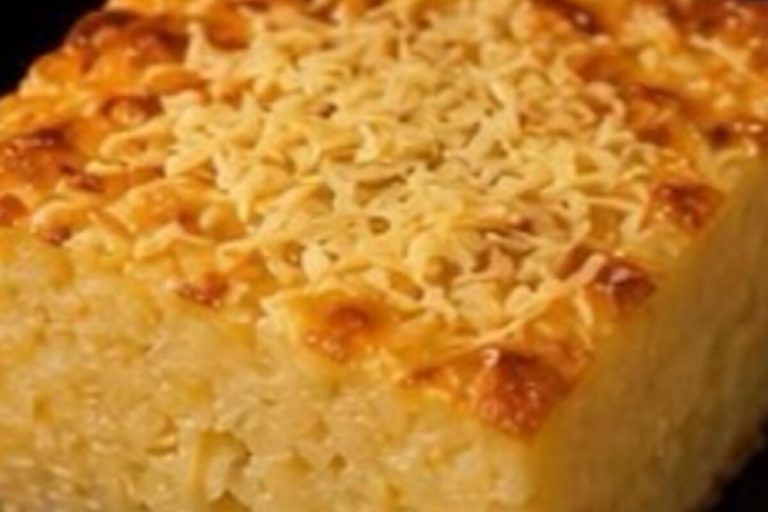
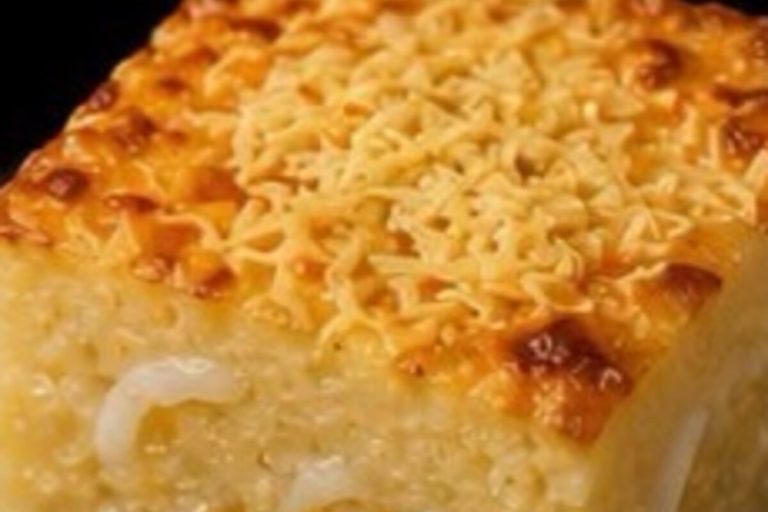
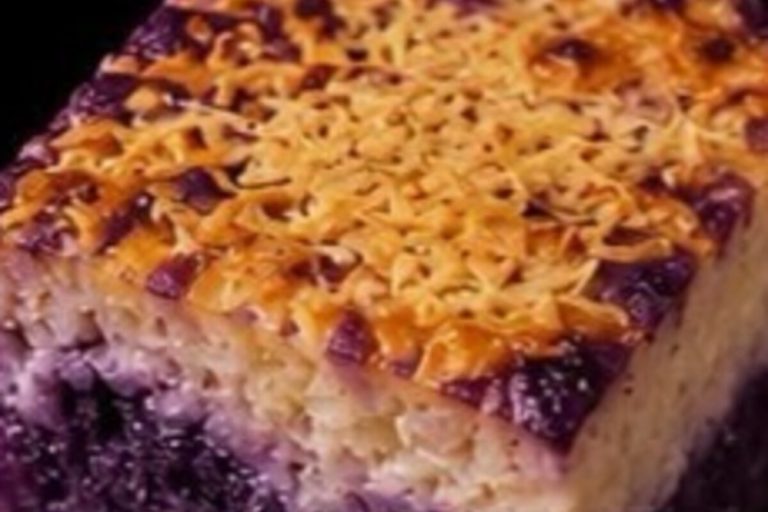
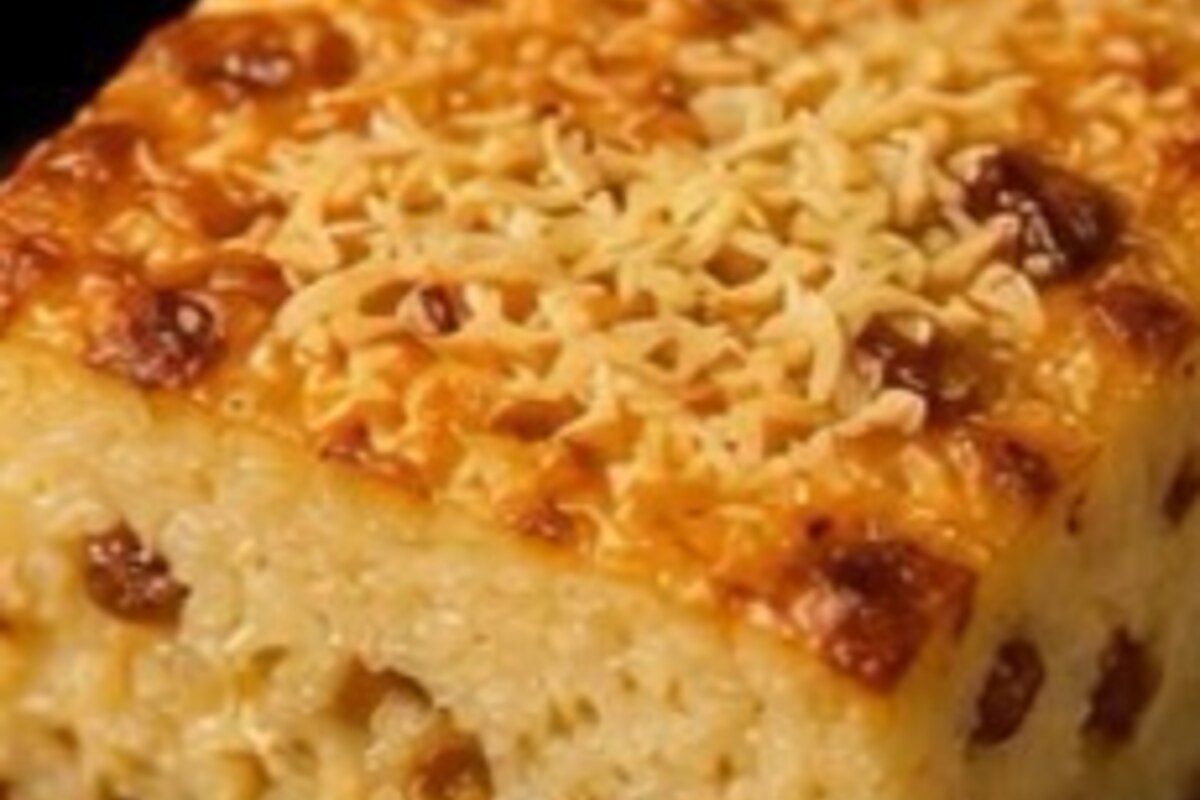
Grated cassava gives this cake a dense, chewy crumb that is quite different from a flour cake. Coconut milk and condensed milk make it rich, while latik curds add a toasted coconut finish above the egg-yolk topping. Small, cooled squares suit that richness.
About This Recipe
The base combines thawed grated cassava with coconut milk, evaporated milk, condensed milk, eggs, and butter. Vanilla and salt round out the sweet mixture, with coconut oil from making latik offered as an optional addition rather than a required ingredient.
A second mixture of condensed milk, coconut milk, and egg yolk forms the custardy top. The base and topping bake in stages, then the cake cools completely before slicing. Latik supplies a roasted note against all that sweet milk and soft cassava.
Ingredient Notes
Cassava
Use commercially prepared frozen grated cassava intended for cake-making, not cassava flour or home-grated root. Follow the package's cooking requirements as well as the checks below. If directions are absent, obtain them from the manufacturer before use.
Coconut milk
Full-fat coconut milk gives the cake its rich kakanin texture.
Topping
A custardy topping plus cheese or coconut gives contrast to the chewy cassava base.
Cooking Notes
- Thaw packaged grated cassava in the refrigerator, break apart clumps, and follow its draining instructions. Do not squeeze it dry arbitrarily or assume freezing removed cyanogenic compounds.
- Measure the base's condensed milk and coconut milk separately from the topping portions. Keeping the two mixtures organized prevents accidentally putting all the milk into the first bowl.
Cassava Cake with Latik Recipe
A coconut-rich cassava cake finished with golden latik curds for deeper kakanin flavor.
Shopping List
- frozen grated cassava
- coconut milk
- evaporated milk
- condensed milk
- eggs
- butter
- vanilla
- sugar
- prepared latik curds; coconut oil from making latik is optional
Ingredients
Cassava Base
- 1 pound commercially prepared frozen grated cassava from a reputable supplier, intended for cake-making; thaw in the refrigerator and follow its preparation and minimum cooking directions
- 1 cup coconut milk
- 1/2 cup evaporated milk
- 2/3 cup condensed milk
- 1/3 cup sugar
- 2 large eggs
Flavor
- 3 tablespoons melted butter
- 1 teaspoon vanilla extract
- 1/2 teaspoon kosher salt
- 2 tablespoons coconut oil from making latik, optional
Topping
- 1/3 cup condensed milk
- 1/3 cup coconut milk
- 1 egg yolk
- 1/2 cup latik curds
- Grated cheese, optional
Instructions
- Read the cassava package first: use commercially prepared grated cassava intended for cake-making, following its thawing, draining and minimum cooking directions. Do not substitute fresh root. Heat the oven to 350 F and line an 8 by 8 by 2-inch pan with parchment.
- Thaw cassava fully in the refrigerator and break up clumps. Whisk the base's coconut milk, evaporated milk, condensed milk, sugar, eggs, melted butter, vanilla, and salt. Fold in cassava and optional 2 tablespoons latik oil.
- Spread in the pan and bake about 50 to 60 minutes, or longer if required by the package or if the center is fluid. The base must be set throughout, with no raw, chalky cassava paste or liquid batter on a skewer inserted in the center; edges alone are insufficient.
- Whisk the topping's 1/3 cup condensed milk, 1/3 cup coconut milk, and egg yolk. Keep the latik curds separate.
- Spread topping over the cooked base. Bake another 15 to 20 minutes until the topping is set and reaches 160 F. Total baking is about 65 to 80 minutes, sometimes longer. Tent loosely with foil if the surface colors early; browning does not replace full base cooking or the package's requirements.
- Scatter the 1/2 cup prepared latik over the cake and add optional cheese. Cool on a rack; refrigerate within 2 hours to finish cooling, then slice when fully cooled.
Nutrition Estimate
Approximate values per square based on the listed ingredients and yield. Actual nutrition will vary by brand, exact portion size, and cooking changes.
Tips For The Best Cassava Cake with Latik
- Thaw fully: Frozen cassava must thaw before mixing so the batter bakes evenly.
- Follow the package: Use its preparation and minimum cooking directions; do not improvise fresh-root processing.
- Cool before cutting: Warm cassava cake can crumble or smear.
- Use a lined pan: Parchment makes clean removal easier.
How To Serve And Store
Serve at room temperature or lightly chilled. It is rich, so small squares work well for merienda or dessert trays.
Common Questions
Can I use fresh cassava?
No fresh-root substitution is provided. Use commercially prepared grated cassava and its required cooking instructions. Peeling, grating, core removal or freezing is not a validated home detoxification process for an unknown variety.
Can I skip cheese?
Yes. Use coconut, latik, or a plain custard topping instead.
How do I store it?
Refrigerate up to 4 days.
Can I freeze it?
Yes, tightly wrapped. Thaw in the refrigerator and warm gently.
Can cassava flour replace frozen grated cassava in this cake?
No, not as a direct swap. The recipe depends on moist grated root for its texture and liquid balance. Dry cassava flour would absorb the mixture differently and require its own cake formula.
Do I need the coconut oil from making latik?
No. The two tablespoons are optional, and the base already contains melted butter. You can omit the latik oil while retaining the listed curds for their toasted coconut contribution to the topping.
Technique and food-safety references: foodstandards.gov.au; panlasangpinoy.com; fda.gov.