Classic Cassava Cake
 Recipe Guy
Filipino | Desserts | Baking
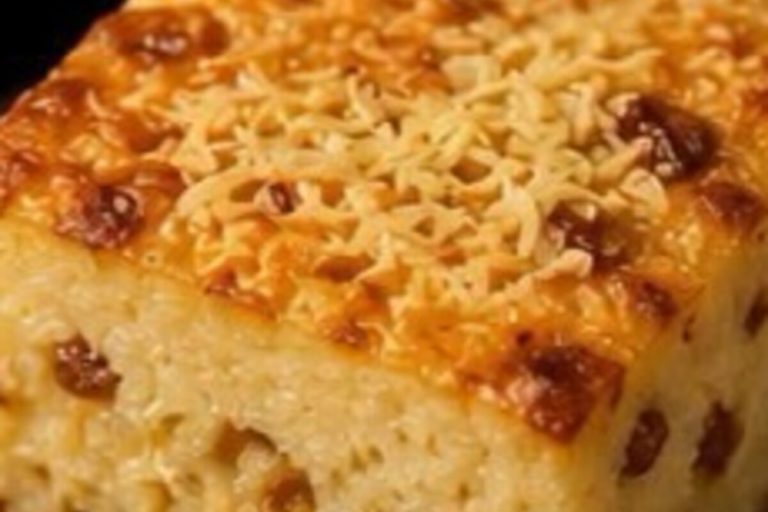
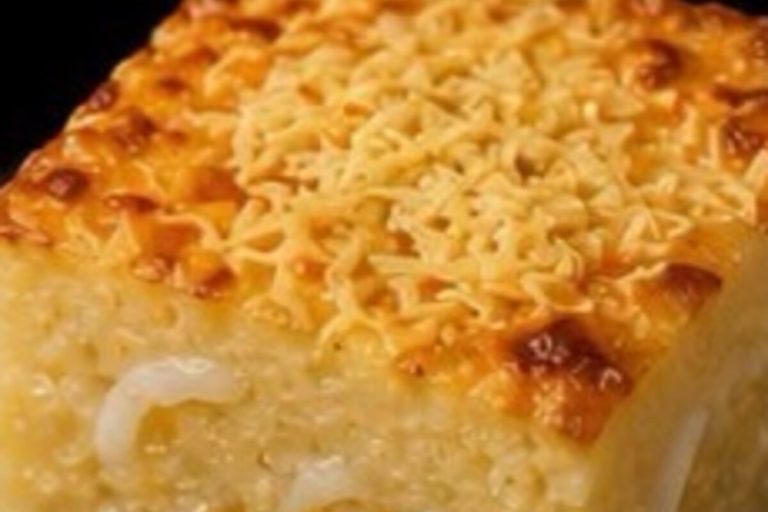
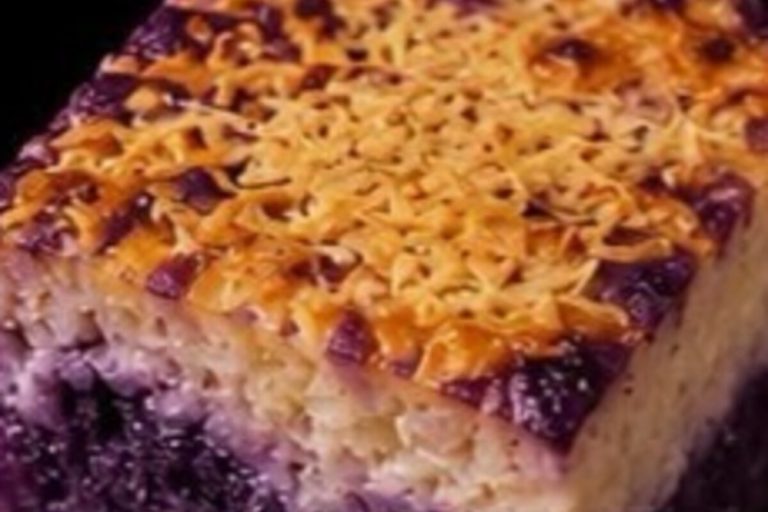
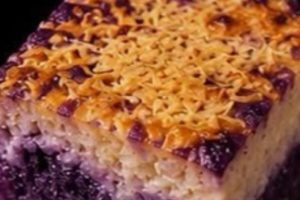
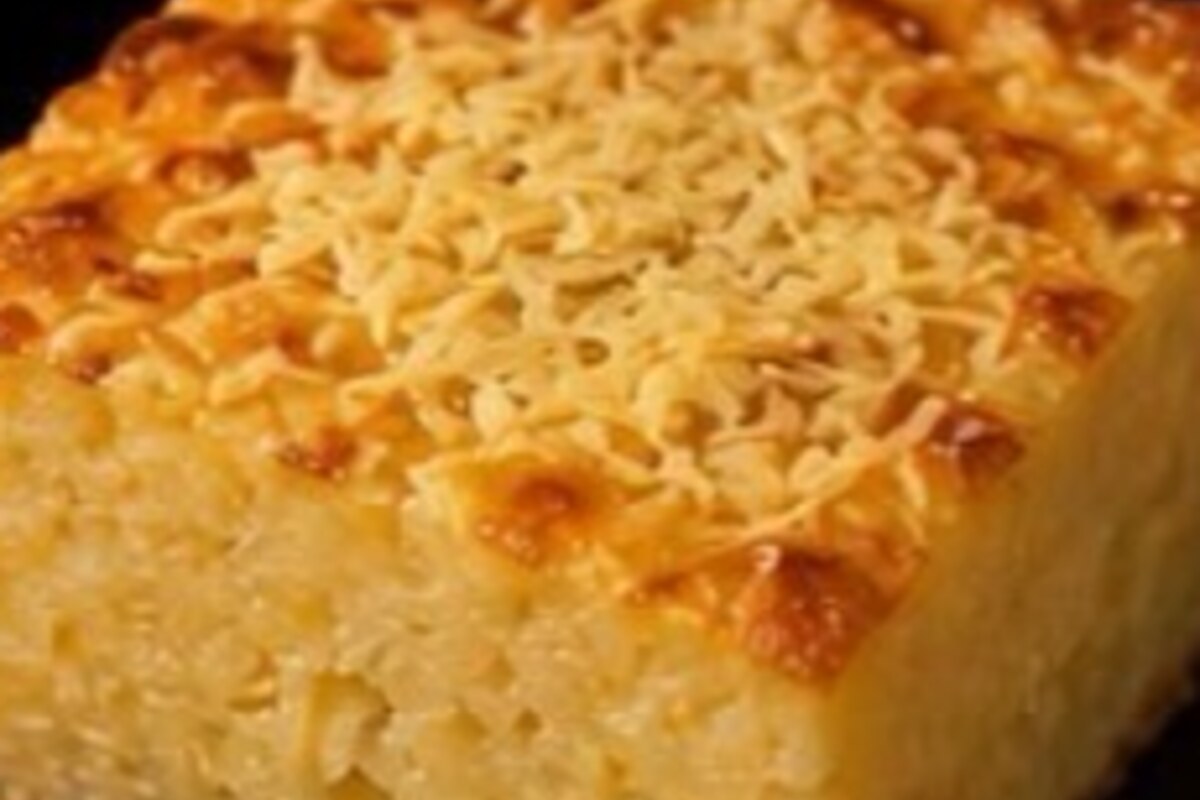
A chewy cassava base and a browned custard top give this cake two reasons to take a small, slow bite. Coconut milk runs through both layers, while mild cheddar or Edam adds a salty finish to the condensed milk sweetness.
About This Recipe
Frozen grated cassava is folded into a mixture of coconut milk, evaporated milk, condensed milk, and eggs. Butter and vanilla round out the base. Thaw the cassava fully before mixing so the shreds distribute evenly instead of leaving cold clumps in the batter.
The cake bakes in two stages: first the base, then the topping over a mostly set center. That order keeps the custard on top rather than mixed through the cassava. Let the finished cake cool completely before lifting or slicing it into small squares.
Ingredient Notes
Cassava
Use commercially prepared frozen grated cassava from a reputable supplier, labeled for use in baked cassava dishes. Follow all preparation and cooking requirements on its package. Freezing alone does not establish safe processing, and fresh raw root is not a substitute in this formula.
Coconut milk
Full-fat coconut milk gives the cake its rich kakanin texture.
Topping
A custardy topping plus cheese or coconut gives contrast to the chewy cassava base.
Cooking Notes
- Measure the base and topping ingredients into separate groups before mixing. Condensed milk, coconut milk, and butter appear twice, and each portion belongs to a different stage.
- Stay with the prepared frozen grated cassava specified here and follow its package directions. Do not sample uncooked batter or assume fresh raw cassava needs only the same baking step.
Classic Cassava Cake Recipe
A classic Filipino cassava cake with coconut milk, condensed milk, custard topping, and grated cheese.
Shopping List
- 1 pound commercially prepared frozen grated cassava suitable for baking, with preparation and cooking directions
- coconut milk
- evaporated milk
- condensed milk
- eggs
- butter
- vanilla
- sugar
Ingredients
Cassava Base
- 1 pound commercially prepared frozen grated cassava, thawed in the refrigerator and prepared as its label directs; not fresh raw root or cassava flour
- 1 cup coconut milk
- 1/2 cup evaporated milk
- 2/3 cup condensed milk
- 1/3 cup sugar
- 2 large eggs
Flavor
- 3 tablespoons melted butter
- 1 teaspoon vanilla extract
- 1/2 teaspoon kosher salt
Topping
- 1/3 cup condensed milk
- 1/3 cup coconut milk
- 1 egg yolk
- 1 tablespoon melted butter
- 1/2 cup grated mild cheddar or Edam
Instructions
- Heat the oven to 350 F. Line an 8-inch square metal pan at least 2 inches deep with baking parchment, leaving an overhang.
- Before mixing, confirm the cassava package permits baking and follow its required preparation. Thaw in the refrigerator; drain or squeeze only as directed by the manufacturer. If its instructions are missing or incompatible with this cake, select another suitable product. Never taste uncooked cassava or batter.
- Whisk only the base portions: 1 cup coconut milk, 1/2 cup evaporated milk, 2/3 cup condensed milk, 1/3 cup sugar, 2 eggs, 3 tablespoons melted butter, vanilla, and salt. Keep topping ingredients separate.
- Fold the prepared grated cassava into the base mixture until evenly distributed.
- Spread the batter in the pan. Bake the base about 45-60 minutes, until it is set enough to support the topping with no liquid batter in the center. Continue longer if needed and meet the cassava manufacturer's required cooking instructions; this timing is not a validated fresh-root processing method.
- Whisk the topping's 1/3 cup condensed milk, 1/3 cup coconut milk, egg yolk, and 1 tablespoon melted butter until smooth. Keep the 1/2 cup grated cheese ready for scattering on top.
- Spread the topping over the set base and scatter on the cheese. Bake at 350 F about 15-25 minutes more, until the topping is set and reaches at least 160 F in its center on a thin-tip thermometer angled through the custard. Light browning is a texture cue, not a substitute for checking the yolk layer; loosely shield with foil if needed.
- Cool on a rack, then refrigerate within 2 hours of baking (within 1 hour in a room above 90 F). Finish cooling in the refrigerator before slicing so the squares hold their shape.
Nutrition Estimate
Approximate values per square based on the listed ingredients and yield. Actual nutrition will vary by brand, exact portion size, and cooking changes.
Tips For The Best Classic Cassava Cake
- Thaw fully: Frozen cassava must thaw before mixing so the batter bakes evenly.
- Follow the cassava label: Product preparation and cooking directions take priority over a generic draining or squeezing shortcut.
- Cool before cutting: Warm cassava cake can crumble or smear.
- Use a lined pan: Parchment makes clean removal easier.
How To Serve And Store
Serve small squares lightly chilled or let only the portions being served lose their chill. Keep the remaining cake refrigerated at 40 F or below and use within 4 days.
Common Questions
Can I use fresh cassava?
No fresh-root substitution is provided here. Peeling, grating, removing the core, or freezing does not by itself demonstrate that cassava's cyanogenic compounds have been reduced sufficiently. Use the specified commercially prepared product and its required cooking directions.
Can I skip cheese?
Yes. Use coconut, latik, or a plain custard topping instead.
How do I store it?
Refrigerate up to 4 days.
Can I freeze it?
Yes, tightly wrapped. Thaw in the refrigerator and warm gently.
Can cassava flour replace the grated cassava in this cake?
Not as a direct replacement. The recipe uses thawed grated cassava with its moisture and shreds, not a dry flour. Substituting flour would require a different liquid balance and a separately developed cake formula.
Why wait before adding the custard topping?
The base needs enough structure to support it. If the center is still liquid, the topping can sink or blend in rather than form a distinct layer; wait until the base is mostly set.
Technique and food-safety references: foodstandards.gov.au; foxyfolksy.com; fda.gov.