Halo-Halo: Filipino Shaved Ice Dessert
 Recipe Guy

Filipino shaved ice | Mix-mix dessert | Summer sweet
Halo-halo is most satisfying when a spoonful catches several textures: soft sweet beans, chewy coconut, fine ice, and creamy ube. This four-glass version adds flan and ice cream, with pinipig or cornflakes for a little crunch on top.
Why make it: This version gives a practical U.S. assembly plan using jarred mix-ins and a few homemade upgrades.
Fresh From the Kitchen
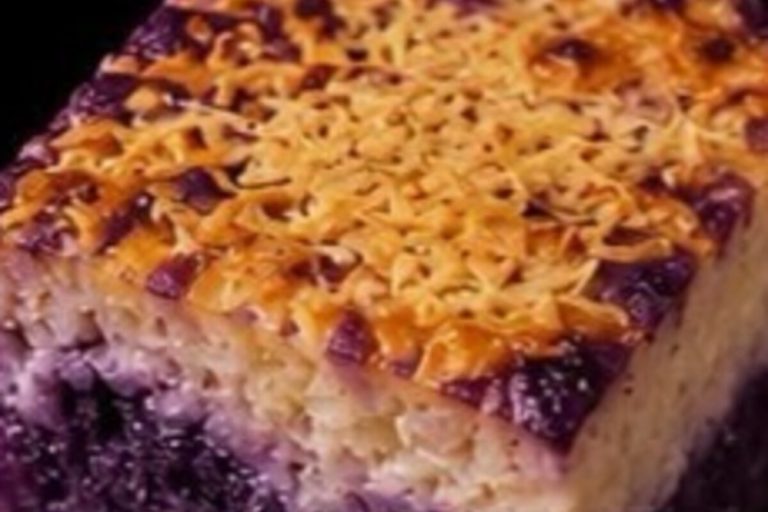
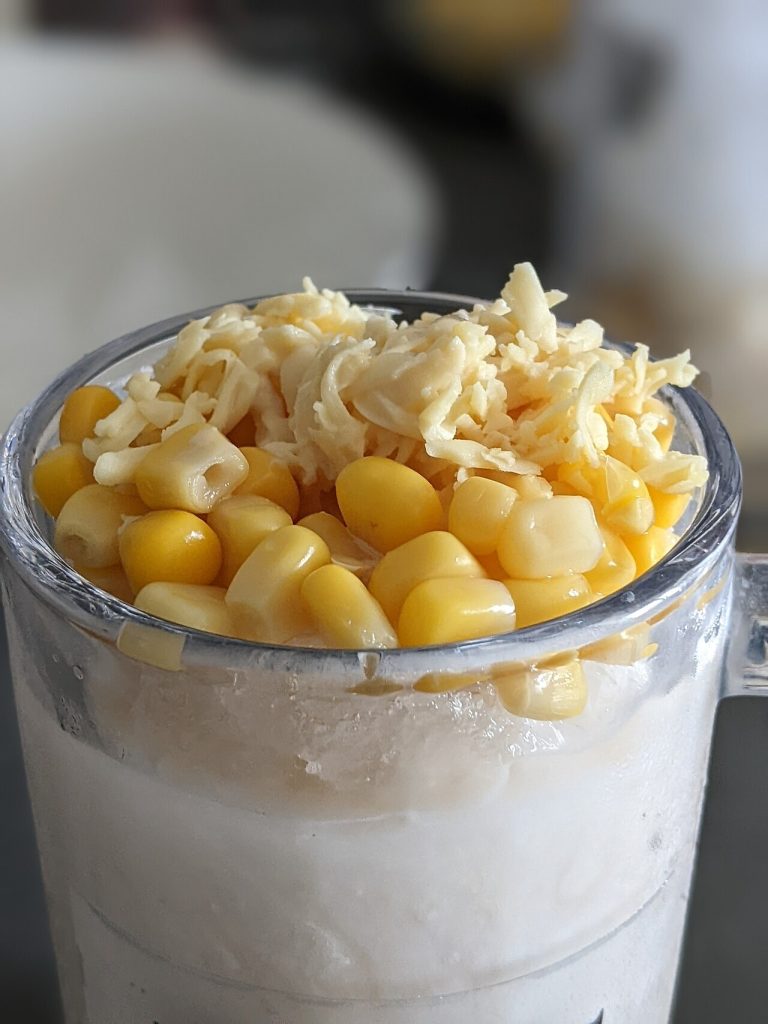
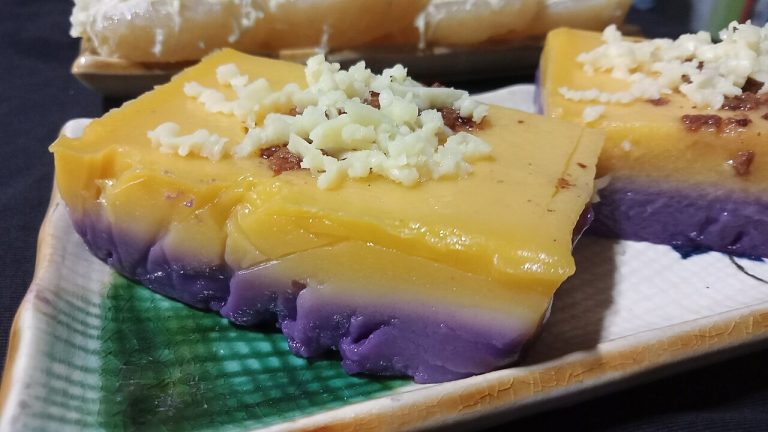
These photos show the colors, textures, and serving style to look for when making Halo-Halo.


About This Recipe
Chilling the glasses and mix-ins makes assembly more forgiving. The beans, nata de coco, kaong, and macapuno go underneath the ice, where they can mingle with the milk as you eat. Drain the nata de coco and kaong so their packing liquid does not overwhelm that balance.
Evaporated milk and condensed milk are stirred together before pouring, which distributes the sweetness more evenly. Leave enough headroom for the ube halaya, flan, ice cream, and a spoon that can reach the bottom without spilling the glass.
Cooking Notes
- Set out all four glasses before shaving the ice. Divide the chilled mix-ins first so the ice can go straight from preparation into the glasses and on to serving.
- Add pinipig or cornflakes last, after the ice cream. Keeping the crunchy topping above the milk gives it a little more time before it softens.
Ingredient Notes
For mix-ins
Use what you love; halo-halo is flexible by nature.
For ice
Fine shaved ice gives the best texture, but crushed ice works for a home version.
Halo-Halo Recipe
A complete, quantified halo-halo build with sweet beans, coconut, jellies, milk, ube, flan, ice cream, and shaved ice.
Shopping List
- sweetened red beans
- sweetened white beans
- nata de coco
- kaong
- macapuno
- evaporated milk
- condensed milk
- ube halaya
- leche flan
- ube ice cream
- pinipig
Ingredients
Base Mix-Ins
- 1/2 cup sweetened red beans
- 1/2 cup sweetened white beans
- 1/2 cup nata de coco, drained
- 1/2 cup kaong, drained
- 1/2 cup macapuno strings
Ice and Milk
- 4 cups shaved ice
- 1 cup evaporated milk
- 1/2 cup condensed milk
Toppings
- 1/2 cup ube halaya
- 4 slices leche flan
- 1 cup ube ice cream
- 1/4 cup pinipig or cornflakes
Instructions
- Chill four tall glasses and all mix-ins before assembling.
- Divide red beans, white beans, nata de coco, kaong, and macapuno among the glasses.
- Pack 1 cup shaved ice into each glass.
- Stir evaporated milk and condensed milk together, then pour evenly over the ice.
- Top each glass with ube halaya, leche flan, ube ice cream, and pinipig.
- Serve immediately with long spoons and mix before eating.
Nutrition Estimate
Approximate values per serving based on the listed ingredients and yield. Actual nutrition will vary by brand, exact portion size, and cooking changes.
Tips For The Best Halo-Halo
- Chill everything: Cold mix-ins keep the ice from melting too fast.
- Layer by texture: Heavier beans at the bottom work well.
- Serve immediately: Halo-halo waits for no one.
- Use tall glasses: Mixing needs space.
How To Serve And Store
Assemble right before serving. Store mix-ins separately in the refrigerator.
Common Questions
What does halo-halo mean?
It means mix-mix.
Do I need every ingredient?
No. Use a mix of creamy, chewy, fruity, and crunchy items.
Can I use crushed ice?
Yes, though shaved ice is better.
Is ice cream required?
No, but it is a popular topping.
Can I assemble the halo-halo before guests arrive?
Prepare and chill the separate components ahead, but wait to add ice and build the glasses until serving. A fully assembled glass loses its distinct icy texture as the milk and toppings settle.
How much milk mixture goes into each glass?
The evaporated and condensed milk make 1 1/2 cups together, divided among four glasses. Stir them thoroughly first, then pour evenly over the ice so one serving does not get most of the condensed milk.
What is your must-have halo-halo topping? Share your family version or testing notes in the comments.
Recipe inspiration and technique reference: Filipino dessert and bakery source research from Panlasang Pinoy, Kawaling Pinoy, The Dusky Kitchen, and Filipino-American dessert sources in the site roadmap.