Pork Adobo: Classic Adobong Baboy
 Recipe Guy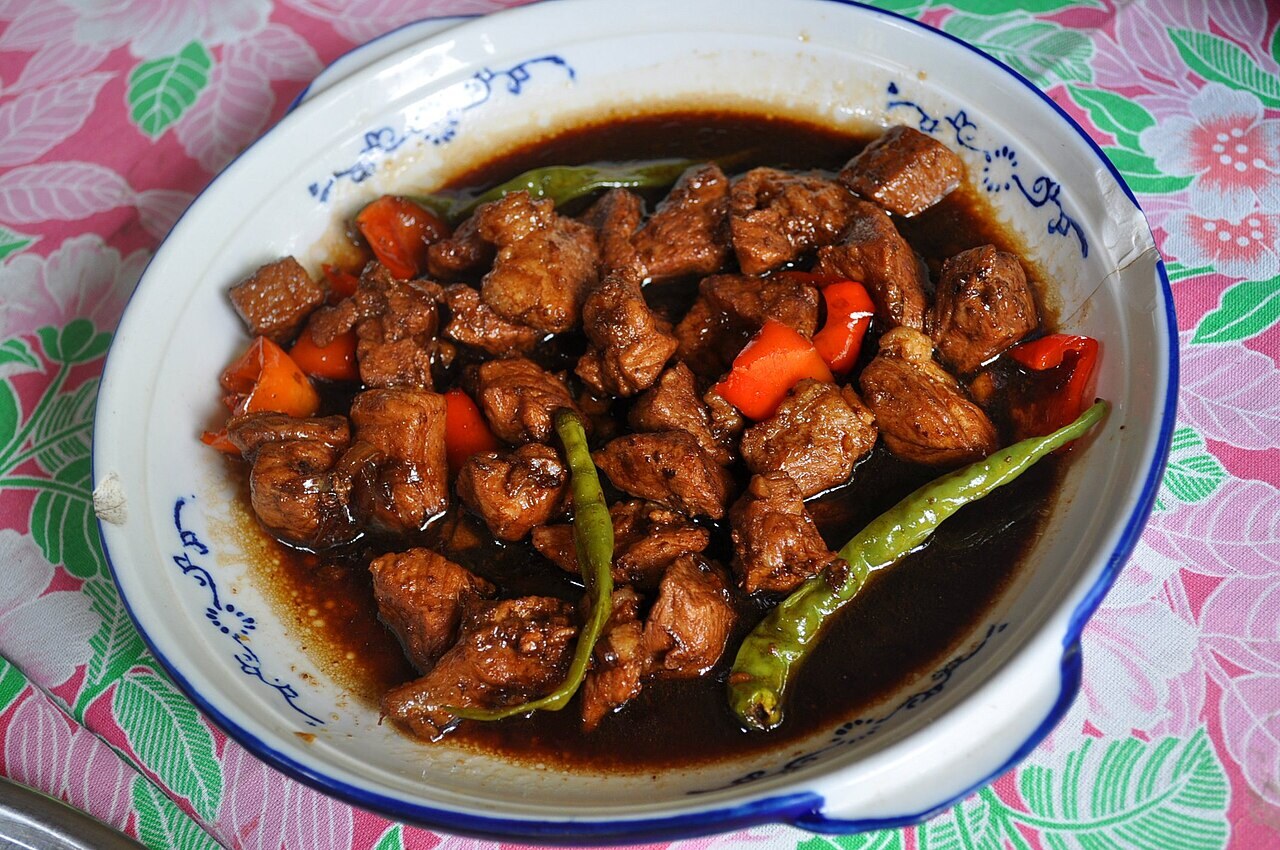
Filipino classic | Soy-vinegar pork | Rice dinner
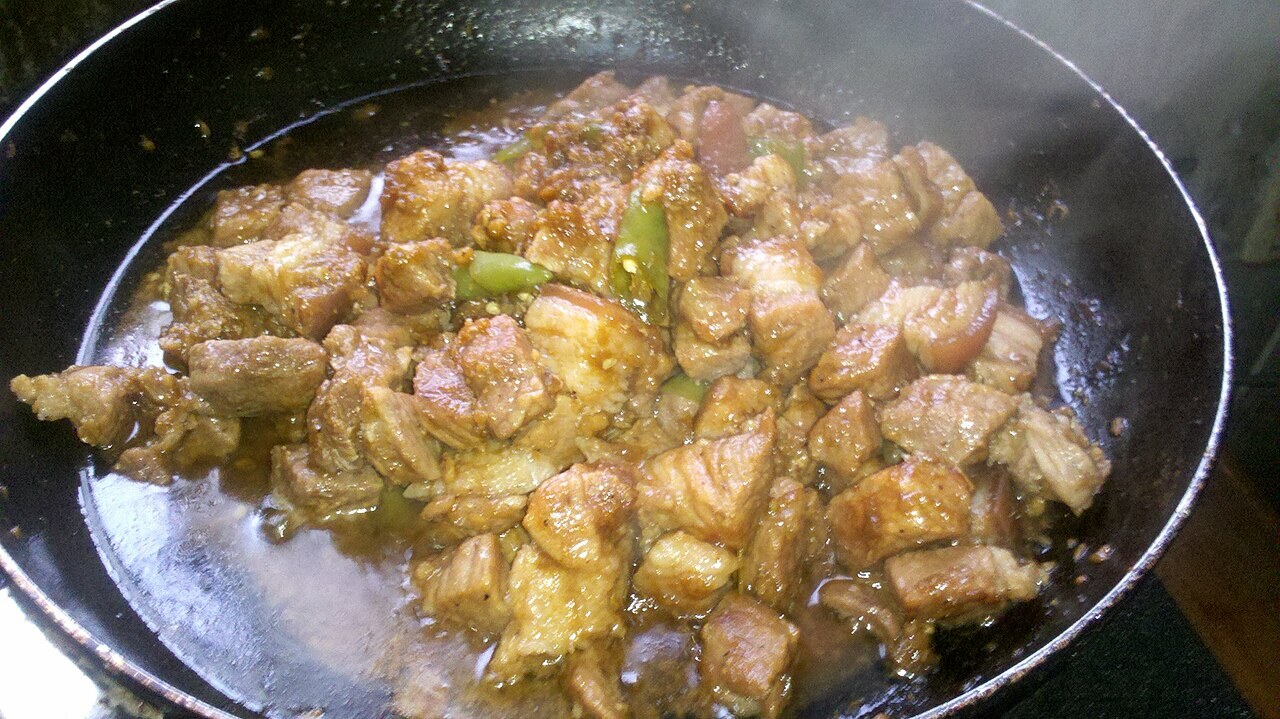
Pork adobo is salty, tangy, garlicky, and glossy from a slow simmer that turns pork shoulder into a rice-friendly everyday classic.
Why make it: This version keeps the core vinegar-soy-garlic profile while giving U.S. cooks clear pork-cut choices and sauce-reduction cues.
Fresh From the Kitchen
About This Recipe
Pork adobo, or adobong baboy, is a Filipino braise of pork cooked with vinegar, soy sauce, garlic, bay leaves, pepper, and sometimes a touch of sugar until tender and deeply seasoned.
Why You Will Love It
- Practical for U.S. kitchens: the recipe uses ingredients and substitutions a home cook can realistically shop for.
- Built for the table: the serving notes match how the dish usually lands in Filipino-American homes, from weeknights to merienda to parties.
- Flexible without erasing the dish: swaps are named clearly so the original idea stays visible.
- Easy to cook through: the shopping list, timings, and storage notes make the recipe straightforward to test and adjust.
Ingredient Notes
For the pork
Pork shoulder gives the best balance of tenderness and richness, but country-style ribs also work.
For the vinegar
Cane vinegar is classic. Distilled white vinegar works in a pinch, but start slightly lighter and adjust.
Pork Adobo Recipe
This version keeps the core vinegar-soy-garlic profile while giving U.S. cooks clear pork-cut choices and sauce-reduction cues.
Shopping List
- pork shoulder
- cane vinegar
- soy sauce
- garlic
- bay leaves
- black peppercorns
- brown sugar optional
- neutral oil
- rice
Ingredients
Pork and Marinade
- 2 pounds pork shoulder, cut into 1 1/2-inch pieces
- 1/2 cup cane vinegar
- 1/3 cup soy sauce
- 8 garlic cloves, smashed
- 2 bay leaves
- 1 teaspoon black peppercorns
For Cooking
- 1 tablespoon neutral oil
- 1 cup water
- 1 teaspoon brown sugar, optional
For Serving
- Steamed white rice
- Sliced tomatoes or cucumber
Instructions
- Combine pork, vinegar, soy sauce, garlic, bay leaves, and peppercorns and marinate 30 minutes.
- Remove pork from the marinade and pat lightly dry, reserving the marinade.
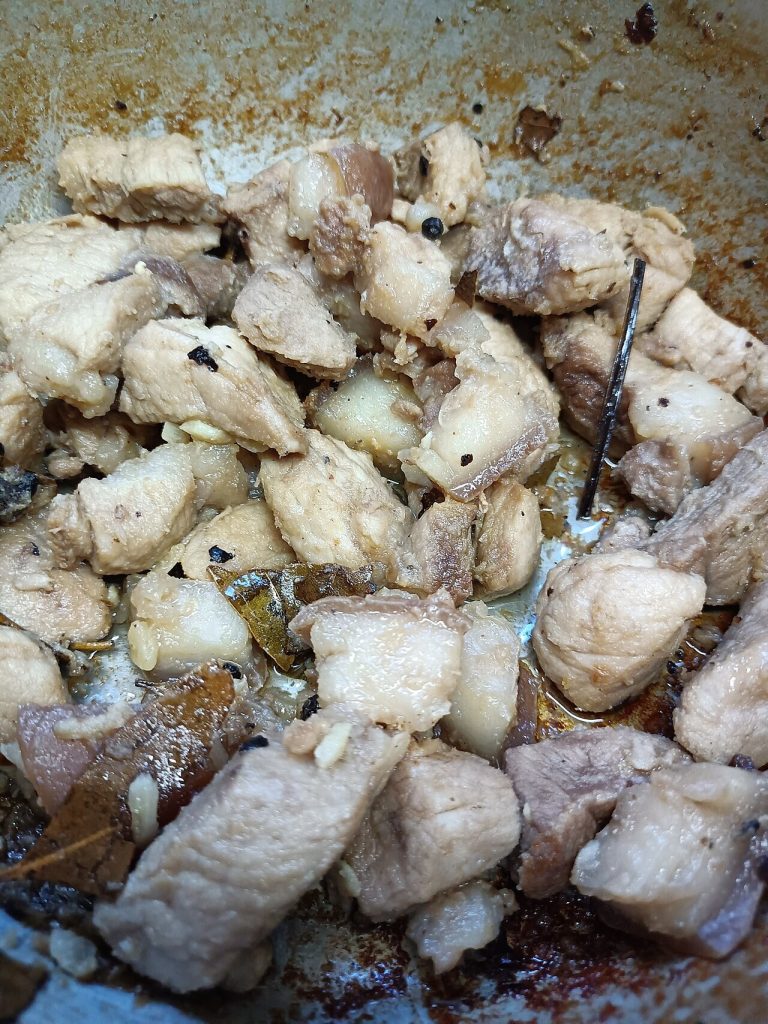
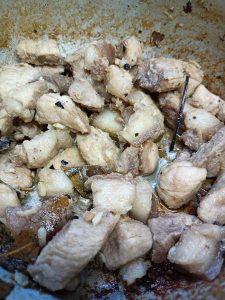
- Brown pork in oil in a wide pot until several sides are deeply colored.
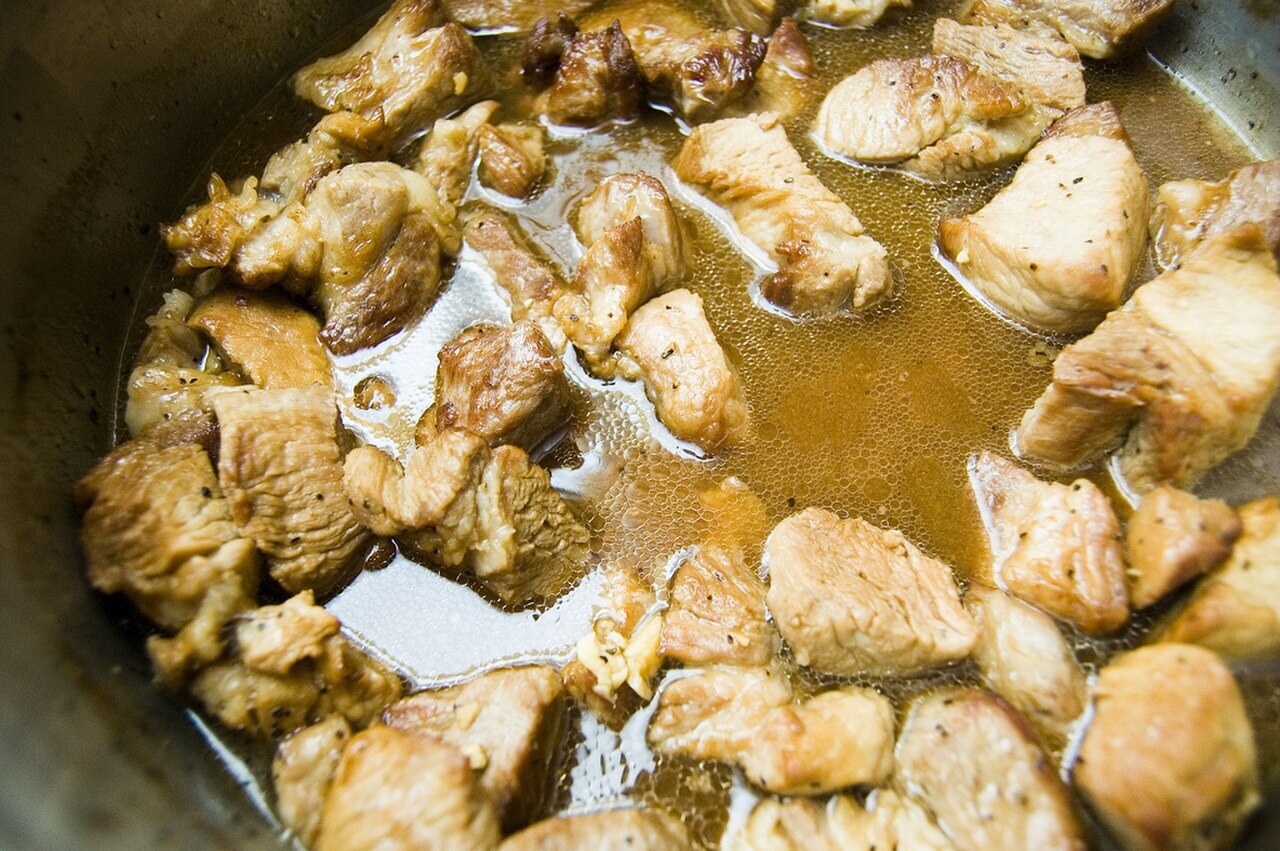
- Pour in the reserved marinade and water, then bring to a simmer without stirring for the first few minutes.
- Cover and simmer until the pork is tender.
- Uncover and reduce the sauce until glossy and slightly oily at the edges.
- Taste and adjust with a little sugar, soy sauce, or vinegar before serving.
Nutrition Estimate
Approximate values per serving based on the listed ingredients and yield. Actual nutrition will vary by brand, exact portion size, and cooking changes.
Tips For The Best Pork Adobo
- Brown first: Browning gives the final sauce deeper flavor.
- Let vinegar boil briefly: This softens the raw sharpness before the long simmer.
- Reduce at the end: Adobo should taste concentrated, not watery.
- Rest before serving: The pork tastes even better after the sauce settles.
How To Serve And Store
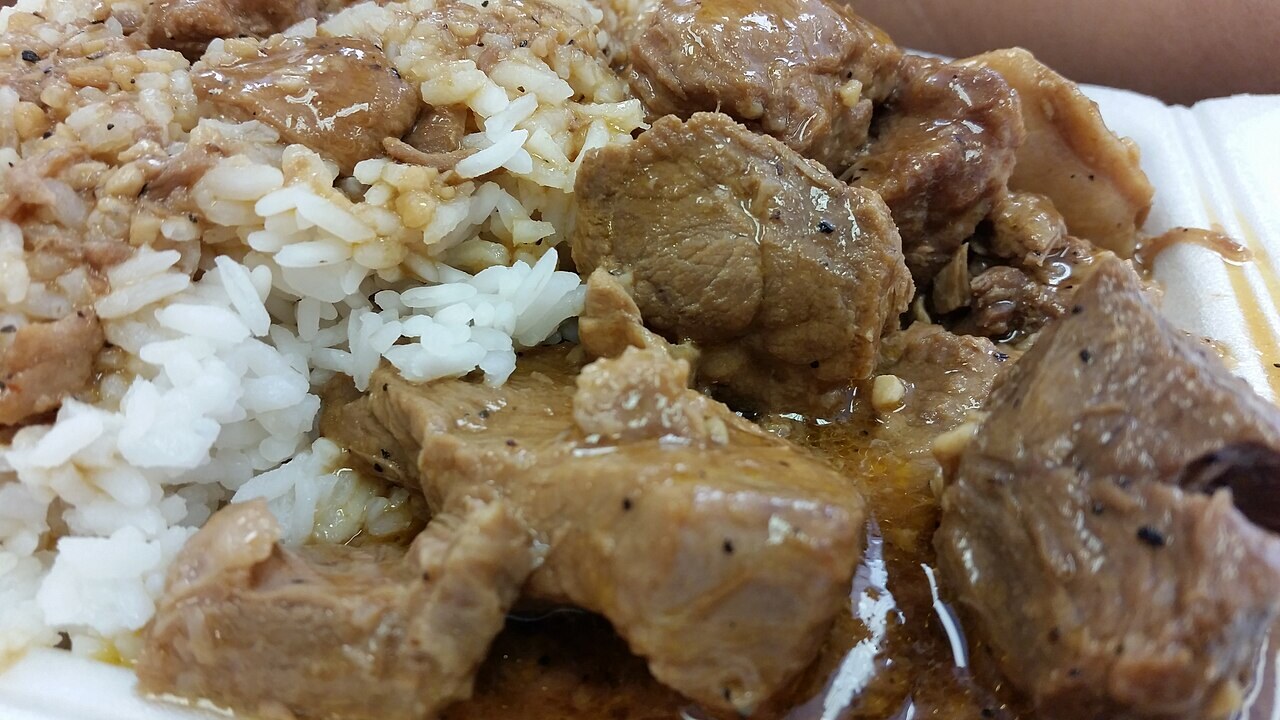
Serve hot with rice and a simple vegetable side. Refrigerate up to 4 days; adobo reheats beautifully and the sauce thickens overnight.
Common Questions
Can I use pork belly?
Yes, but the dish will be richer. Mix belly with shoulder if you want balance.
Should adobo be saucy or dry?
Both styles exist. Reduce less for saucy adobo and more for a glossy, drier finish.
Can I skip soy sauce?
That becomes closer to white adobo. Use salt and adjust the vinegar.
Can I make it ahead?
Yes. Pork adobo is one of the best make-ahead Filipino dishes.
Does your pork adobo finish saucy, oily, or almost dry? Share your family version or testing notes in the comments.
Recipe inspiration and technique reference: Filipino home-cooking source research from Panlasang Pinoy, Kawaling Pinoy, and Filipino-American cooking sources in the site roadmap.