Kare-Kare: Filipino Peanut Stew with Oxtail and Vegetables
 Recipe Guy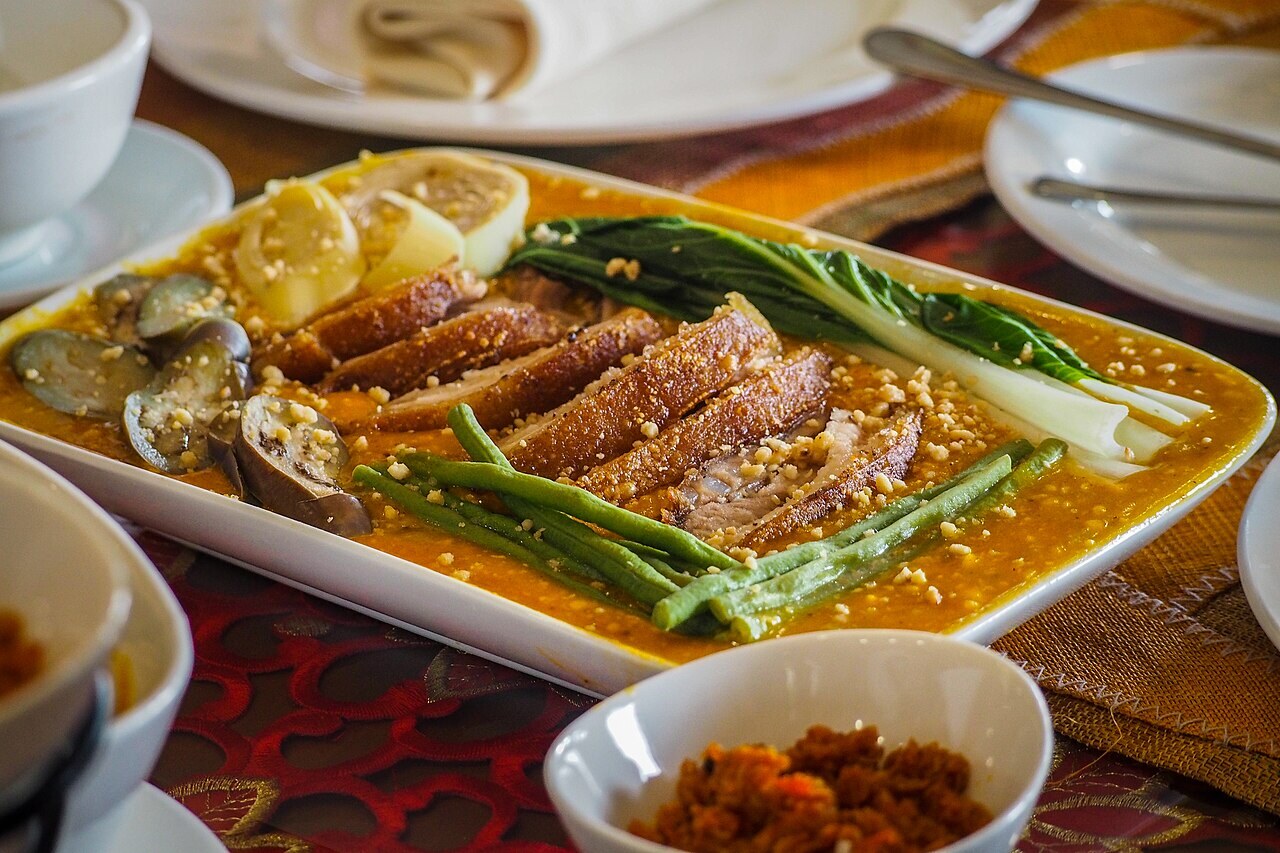
Filipino stew | Peanut sauce | Celebration food
Kare-kare is a deep, nutty stew with tender meat, vegetables, and bagoong on the side for salty contrast.
Why make it: This version offers oxtail, beef shank, and short rib options, plus a practical peanut sauce that avoids tasting flat.
Fresh From the Kitchen
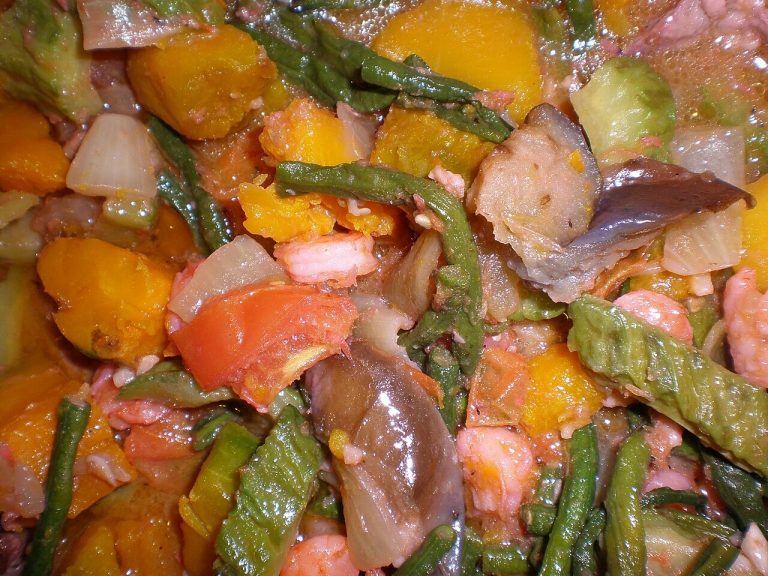
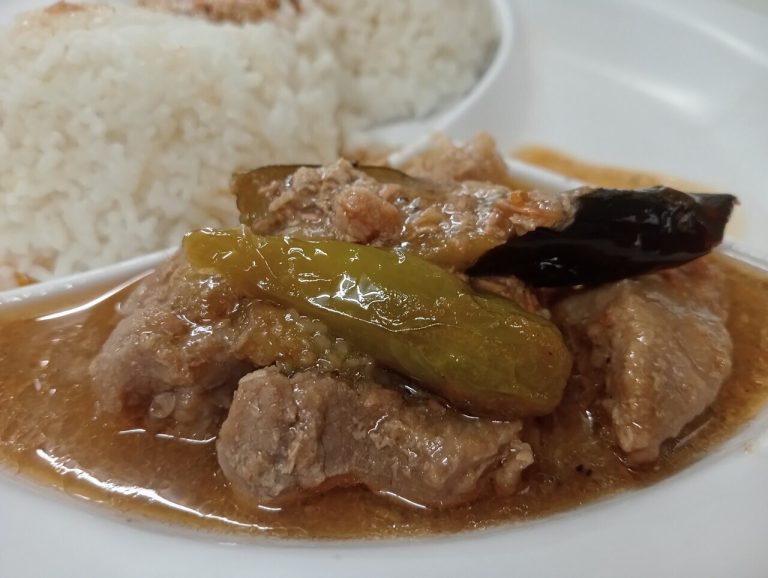
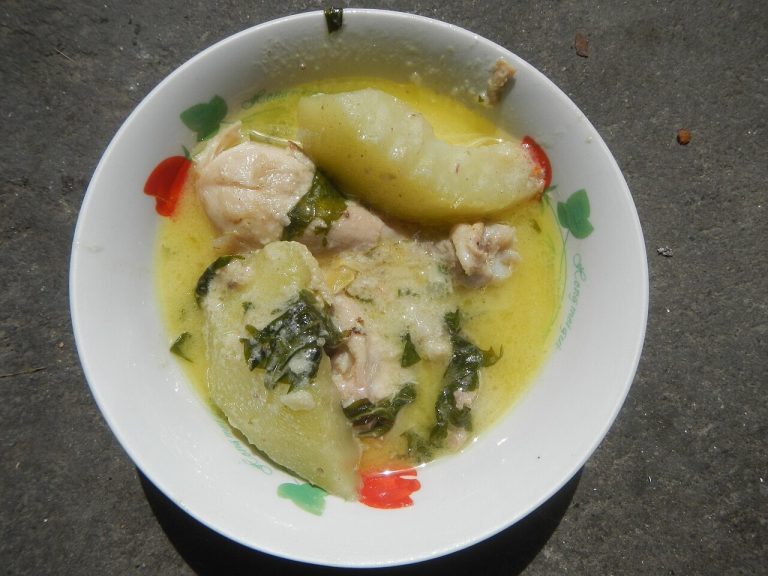
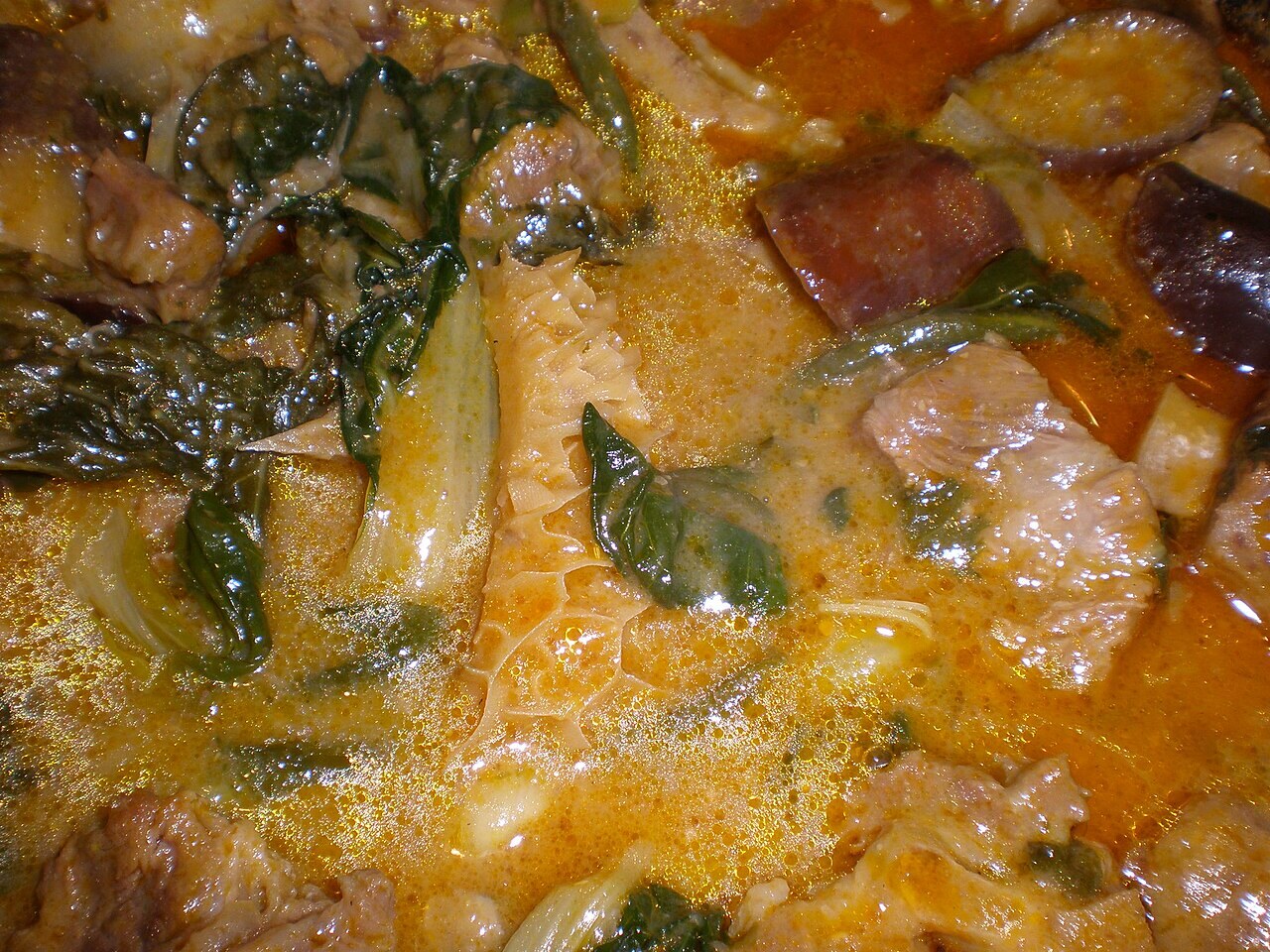
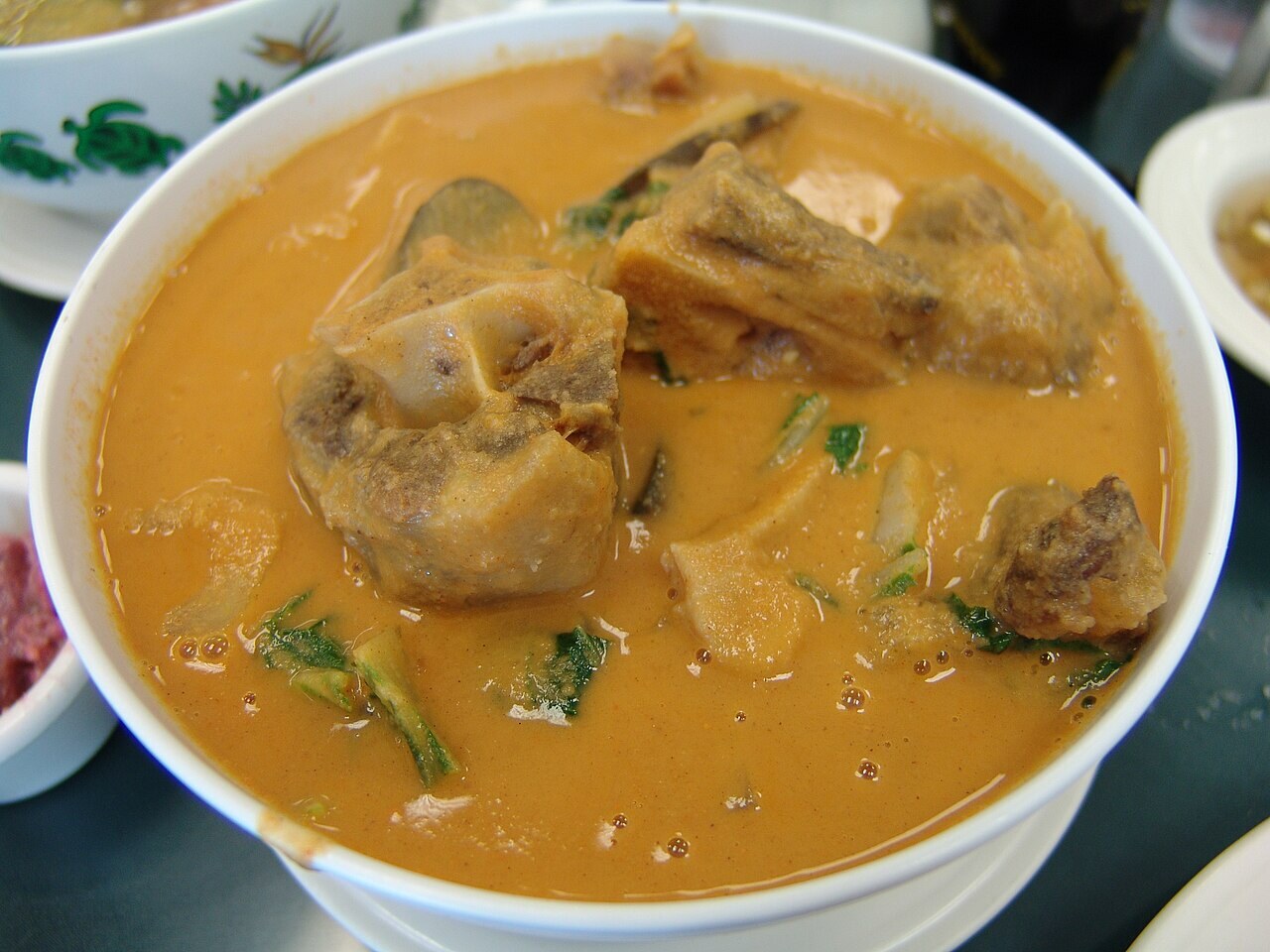
These photos show the colors, textures, and serving style to look for when making Kare-Kare.
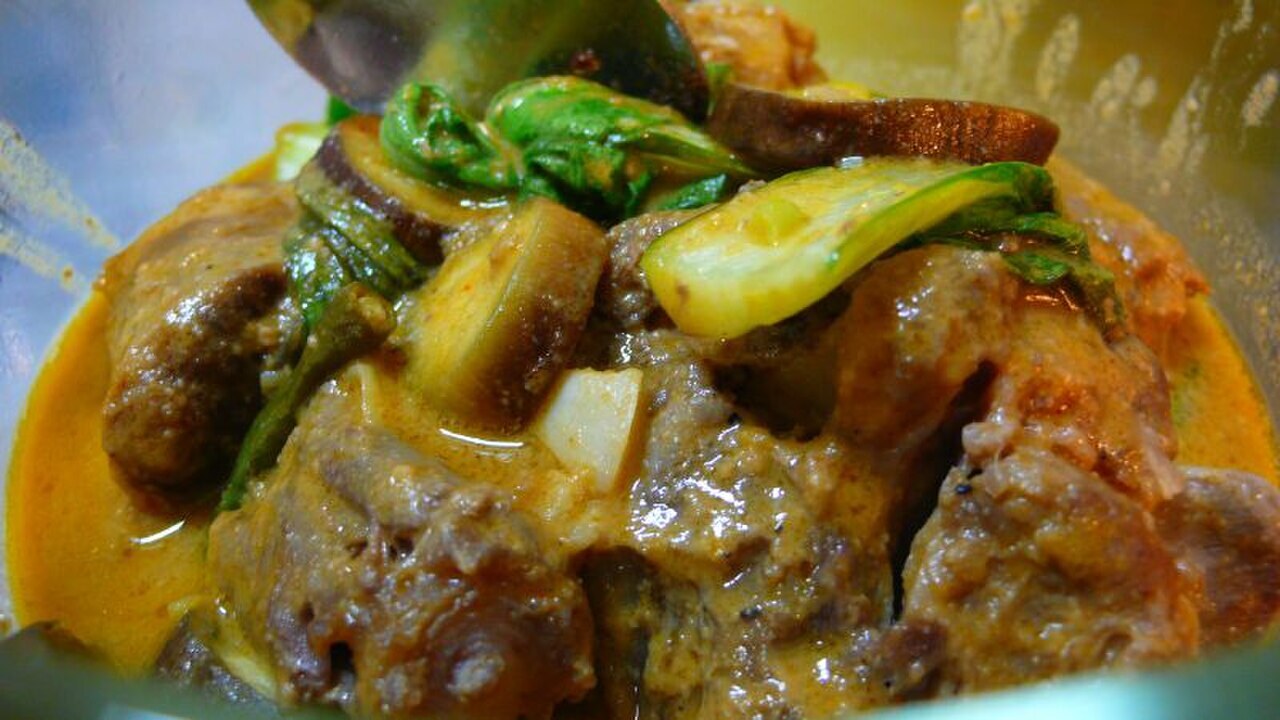
About This Recipe
Kare-kare is a Filipino peanut-based stew often made with oxtail, tripe, beef, or vegetables. It is usually served with bagoong for salt and depth.
Why You Will Love It
- Practical for U.S. kitchens: the recipe uses ingredients and substitutions a home cook can realistically shop for.
- Built for the table: the serving notes match how the dish usually lands in Filipino-American homes, from weeknights to merienda to parties.
- Flexible without erasing the dish: swaps are named clearly so the original idea stays visible.
- Easy to cook through: the shopping list, timings, and storage notes make the recipe straightforward to test and adjust.
Ingredient Notes
For the meat
Oxtail gives body, but beef shank or short ribs are easier to find in many U.S. stores.
For the sauce
Peanut butter needs toasted rice, annatto, aromatics, and enough salt at the table to taste complete.
Kare-Kare Recipe
This version offers oxtail, beef shank, and short rib options, plus a practical peanut sauce that avoids tasting flat.
Shopping List
- oxtail or beef shank
- peanut butter
- ground toasted rice
- annatto
- eggplant
- long beans
- bok choy
- onion
- garlic
- bagoong
- rice
Ingredients
Stew Base
- 3 pounds oxtail, beef shank, or short ribs
- 10 cups water
- 1 onion, quartered
- 4 garlic cloves
- 1 teaspoon salt
Peanut Sauce and Vegetables
- 1/2 cup peanut butter
- 1/4 cup ground toasted rice
- 1 teaspoon annatto powder
- 1 eggplant, sliced
- 1 bunch long beans or green beans
- 3 cups bok choy or pechay
For Serving
- Bagoong
- Steamed rice
Instructions
- Simmer meat with water, onion, garlic, and salt until tender, skimming as needed.
- Strain and save the broth. Return meat and enough broth to the pot.
- Whisk peanut butter, toasted rice, and annatto with warm broth until smooth.
- Stir the peanut mixture into the pot and simmer until the sauce thickens.
- Add eggplant and beans and cook until just tender.
- Add bok choy at the end so it stays bright.
- Serve with bagoong and rice.
Nutrition Estimate
Approximate values per serving based on the listed ingredients and yield. Actual nutrition will vary by brand, exact portion size, and cooking changes.
Tips For The Best Kare-Kare
- Cook meat until tender first: The vegetables should not wait around while tough meat softens.
- Toast the rice: It gives the sauce body and a subtle roasted flavor.
- Keep bagoong on the side: People can season their own bowl.
- Thin with broth: Peanut sauce thickens as it sits.
How To Serve And Store
Serve with hot rice and bagoong. Refrigerate up to 4 days; reheat gently with broth or water.
Common Questions
Can I make kare-kare without oxtail?
Yes. Beef shank, short ribs, or a vegetable version all work.
Can I use smooth peanut butter?
Yes. Choose an unsweetened or lightly sweetened brand if possible.
Is bagoong required?
It is traditional and balances the mild sauce, but serve it separately.
Can I make it ahead?
Yes. Add fresh vegetables when reheating if you want the best texture.
Do you like kare-kare with oxtail, tripe, vegetables, or a mix? Share your family version or testing notes in the comments.
Recipe inspiration and technique reference: Filipino home-cooking source research from Panlasang Pinoy, Kawaling Pinoy, and Filipino-American cooking sources in the site roadmap.