Kakanin Guide: Filipino Rice Cakes and Coconut Sweets
 Recipe Guy
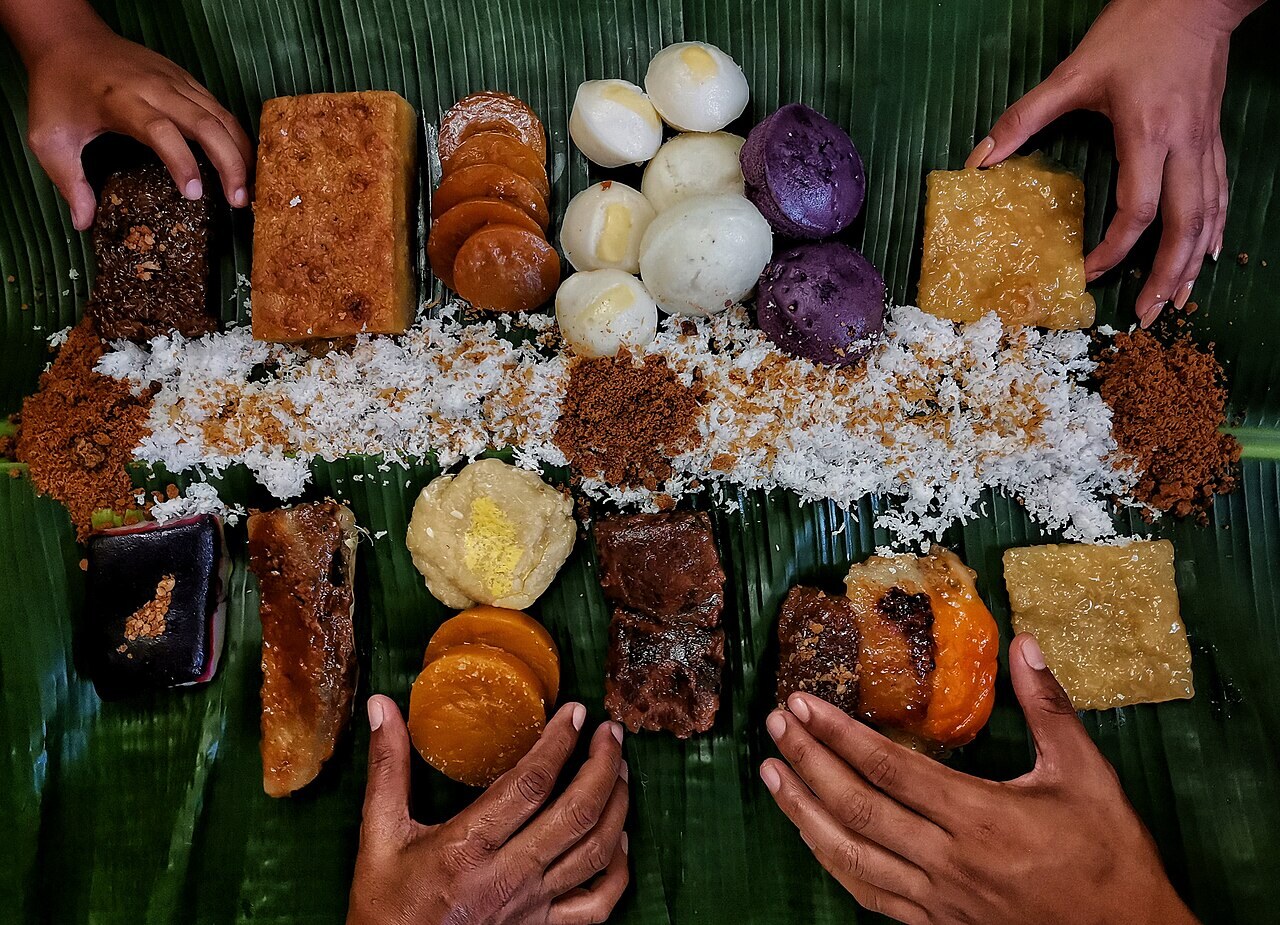
Filipino sweets | Rice cakes | Coconut desserts
Kakanin calls for paying attention to the rice before anything else. This guide begins with biko, a base recipe of whole glutinous rice, coconut milk, and brown-sugar coconut caramel, finished with latik curds and cooled into squares.
Why make it: This guide gives readers a map before they buy glutinous rice, rice flour, coconut milk, banana leaves, or lye water.
Fresh From the Kitchen
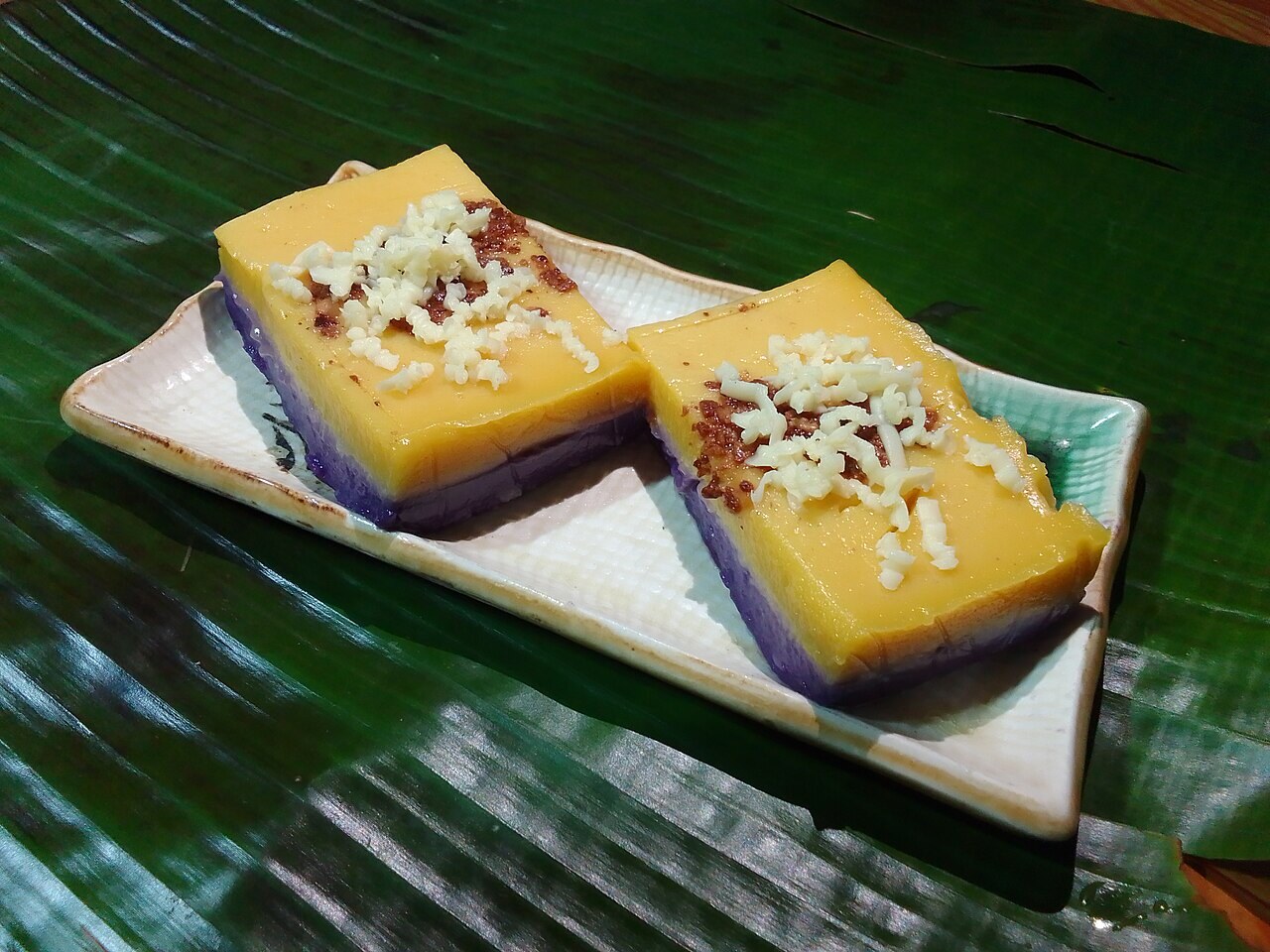
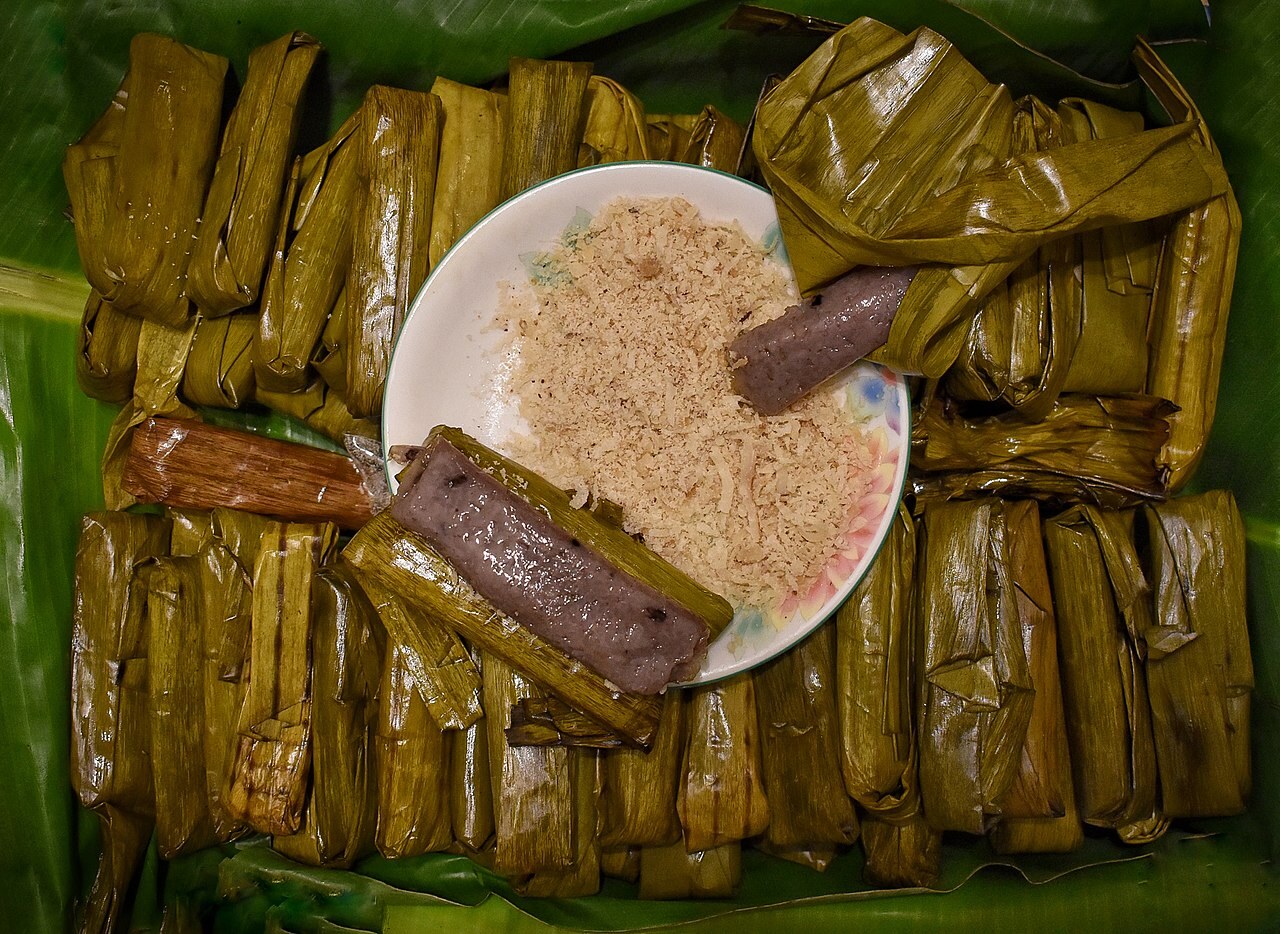
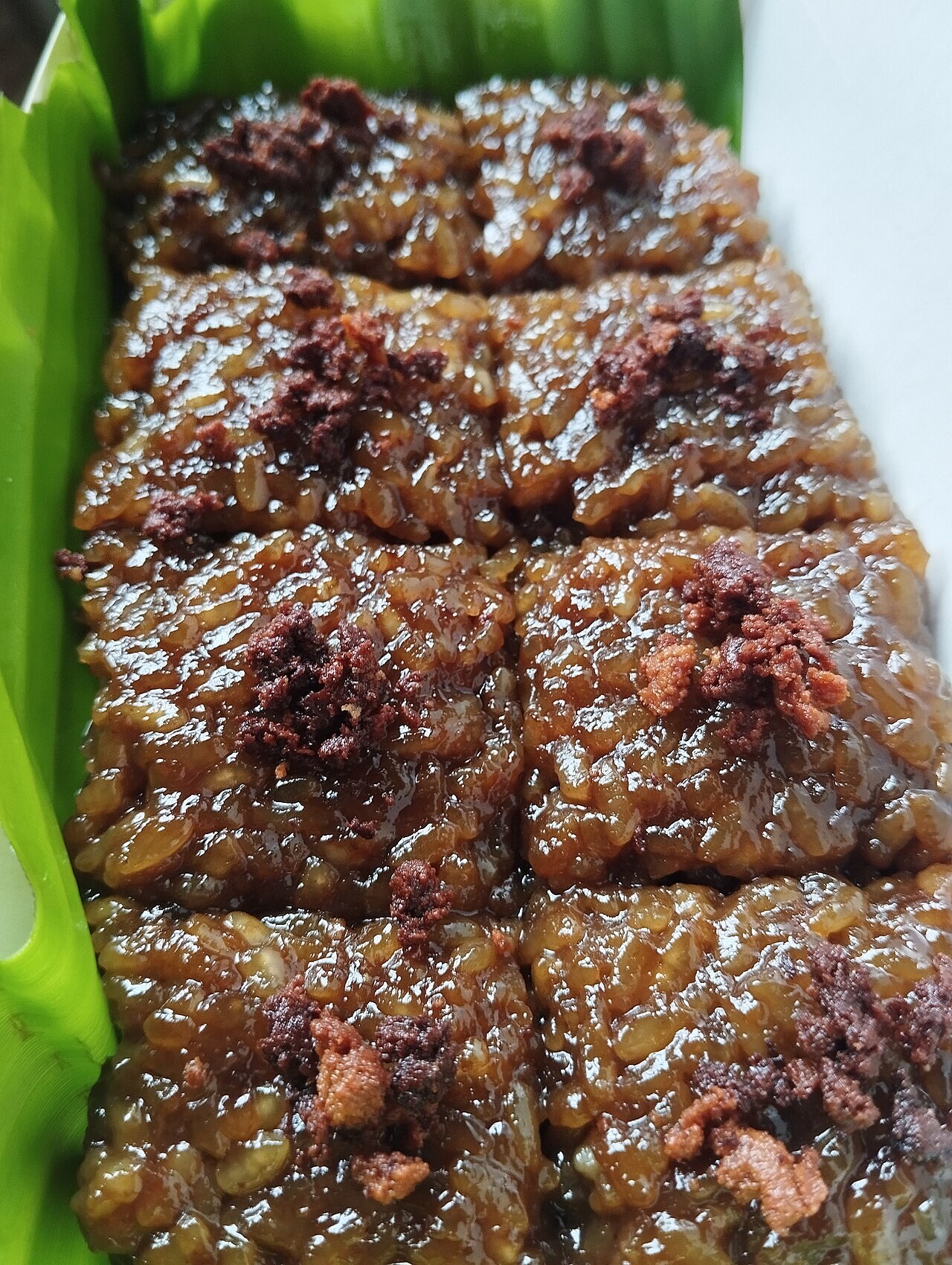
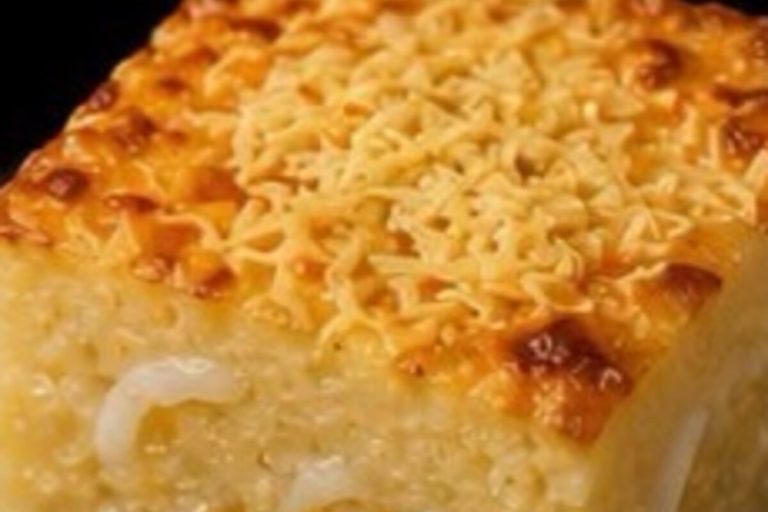
These photos show the colors, textures, and serving style to look for when making Kakanin Guide.
About This Recipe
For the starter biko, whole grains supply the texture. They first cook in coconut milk, then get folded into a separate coconut-cream caramel. That sequence lets the rice become tender before it meets the thicker, sweeter mixture.
The biko below uses whole glutinous rice, not rice flour. For other preparations, use our palitaw recipe or Lalaine Manalo's suman malagkit with coconut sauce. The linked kutsinta and sapin-sapin recipes below cover steamed flour-based cakes. In the biko card, banana leaves line the pan and prepared latik curds finish it; the caramel step does not make those curds.
Cooking Notes
- Check that the rice is tender before folding it into the caramel. A thick sugar mixture is not the place to finish grains that still have a firm center.
- Fold the rice through the coconut caramel thoroughly, reaching the bottom of the pan. Even coating matters more than flattening the surface perfectly before the mixture is transferred.
Ingredient Notes
For rice
Whole glutinous rice, rice flour, and glutinous rice flour are not interchangeable.
For coconut
Coconut milk cooks; coconut cream finishes and enriches.
Starter Biko Kakanin Recipe
A core sticky rice kakanin that teaches the coconut caramel method behind many Filipino rice cakes.
Shopping List
- glutinous rice
- coconut milk
- coconut cream
- brown sugar
- butter (2 tablespoons)
- latik
- banana leaves
Ingredients
Sticky Rice
- 2 cups glutinous rice
- 2 cups coconut milk
- 1 cup water, plus more in 1/4-cup additions if needed
- 1/2 teaspoon salt
Coconut Caramel
- 1 cup coconut cream
- 1 cup brown sugar
- 2 tablespoons butter
Finish
- 1/2 cup latik curds
- Banana leaves for lining
Instructions
- Line a 9 by 9-inch pan with cleaned, softened banana leaves, or parchment if unavailable. Rinse and drain the glutinous rice.
- Combine rice, 2 cups coconut milk, 1 cup water, and salt in a heavy saucepan. Bring to a gentle simmer, cover, and cook over low heat for about 20 to 30 minutes until the grains are tender. If the pot dries before the centers soften, add 1/4 cup hot water at a time and continue covered. Do not add sugar while the grains are still firm.
- In a wide nonstick skillet, simmer coconut cream and brown sugar over medium-low heat, stirring, until the sugar dissolves and the mixture lightly thickens. Stir in all 2 tablespoons butter until melted.
- Fold the tender rice into the caramel, scraping the bottom and turning gently until evenly coated. Choose one finish below.
- For a baked finish: heat the oven to 350 F. Stir the rice in the skillet until no free syrup pools around it, about 5 to 10 minutes. Pack into the prepared pan and bake 20 to 25 minutes, until the surface is set and the edges are lightly browned.
- For a stovetop finish: keep the rice in the wide skillet over low heat, folding and scraping frequently for about 20 to 30 minutes or longer as needed. Stop when it is a cohesive, sticky mass, a spatula leaves the pan briefly visible, and the mixture pulls from the sides without free syrup. Transfer to the prepared pan and press level; no baking is needed.
- Top with the prepared latik curds. Cool until the rice holds its shape, about 1 hour, then cut into 16 squares. Refrigerate within 2 hours of finishing cooking.
Nutrition Estimate
Approximate values per square based on the listed ingredients and yield. Actual nutrition will vary by brand, exact portion size, and cooking changes. Estimate is for the base biko recipe only, not every kakanin discussed.
Tips For The Best Kakanin Guide
- Buy the right flour: Rice flour and glutinous rice flour behave differently.
- Do not rush coconut caramel: Latik and coconut caramel need steady heat.
- Use banana leaves when possible: They add aroma, not just looks.
- Label substitutions: Modern shortcuts should be clear to readers.
How To Serve And Store
Serve the starter biko in 16 small squares. Refrigerate covered within 2 hours and use within 3 days. Warm individual portions gently, covered, so the edges do not dry out.
Common Questions
Is all kakanin gluten-free?
Many are rice-based, but check every ingredient and kitchen setup.
What is latik?
It can mean coconut curds or coconut caramel depending on context.
Can I use canned coconut milk?
Yes. Choose full-fat coconut milk.
Which kakanin is easiest?
The biko card here and our linked palitaw recipe are approachable starting points. Palitaw uses glutinous rice flour; biko starts with whole glutinous rice.
Can I use rice flour for the starter biko?
No. This base recipe depends on intact glutinous rice grains cooked in coconut milk. Rice flour would make a different mixture and needs its own liquid proportions and cooking method.
When should biko be cut into squares?
Let it cool after cooking and adding the latik. The warm rice mixture is sticky and difficult to portion cleanly; cooling gives it a better chance to hold a defined edge.
Which kakanin should get the next full recipe? Share your family version or testing notes in the comments.
Guide inspiration and technique reference: Filipino recipe source research from Panlasang Pinoy, Kawaling Pinoy, Serious Eats, and the site roadmap.
Technique and food-safety references: kawalingpinoy.com; filipinoamericancooking.com; kawalingpinoy.com.