Filipino Tomato Stew Guide: Menudo, Afritada, Mechado, and Kaldereta
 Recipe Guy
Filipino stew guide | Tomato sauce | Family meals
Menudo, afritada, mechado, and kaldereta share a tomato-stew vocabulary, but they are not interchangeable recipes. This guide uses a menudo-style pork base to explain the cooking sequence: brown the meat, build the sauce, then add vegetables according to their cooking needs.
Why make it: This guide helps readers understand which stew they are craving before shopping for pork, chicken, beef, liver spread, or peppers.
Fresh From the Kitchen
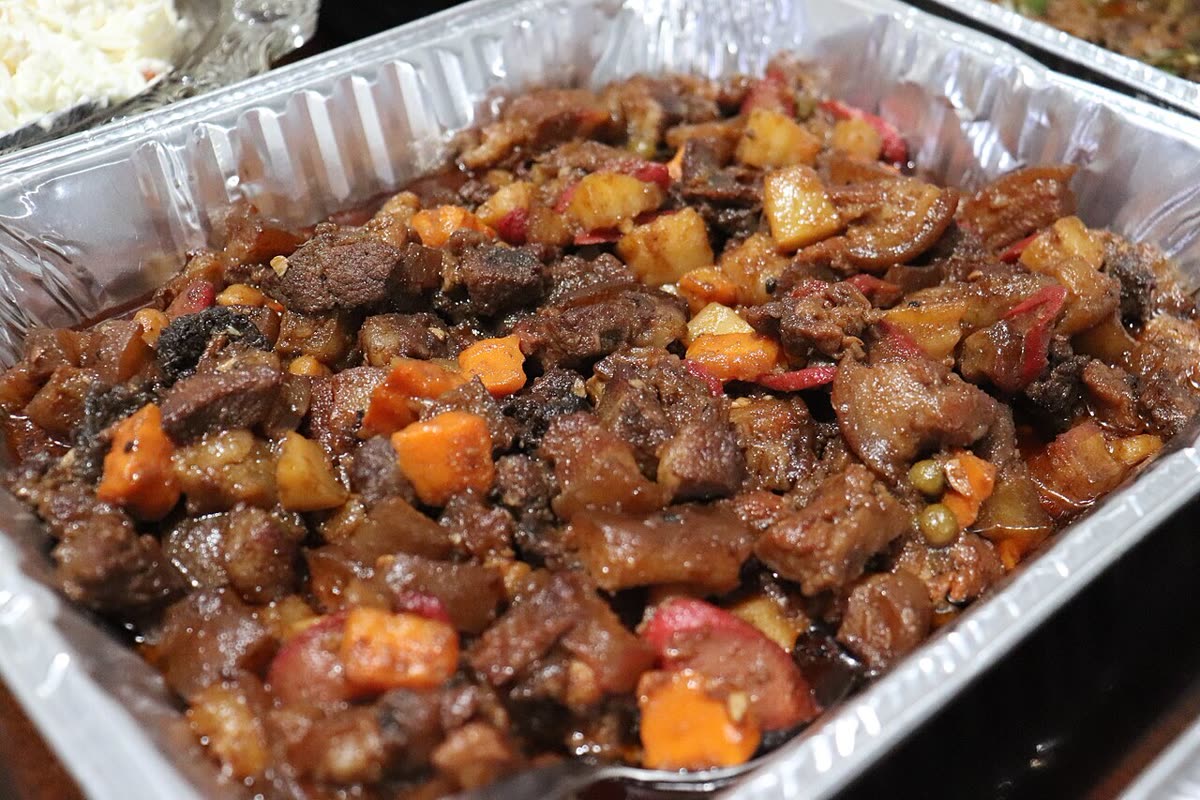
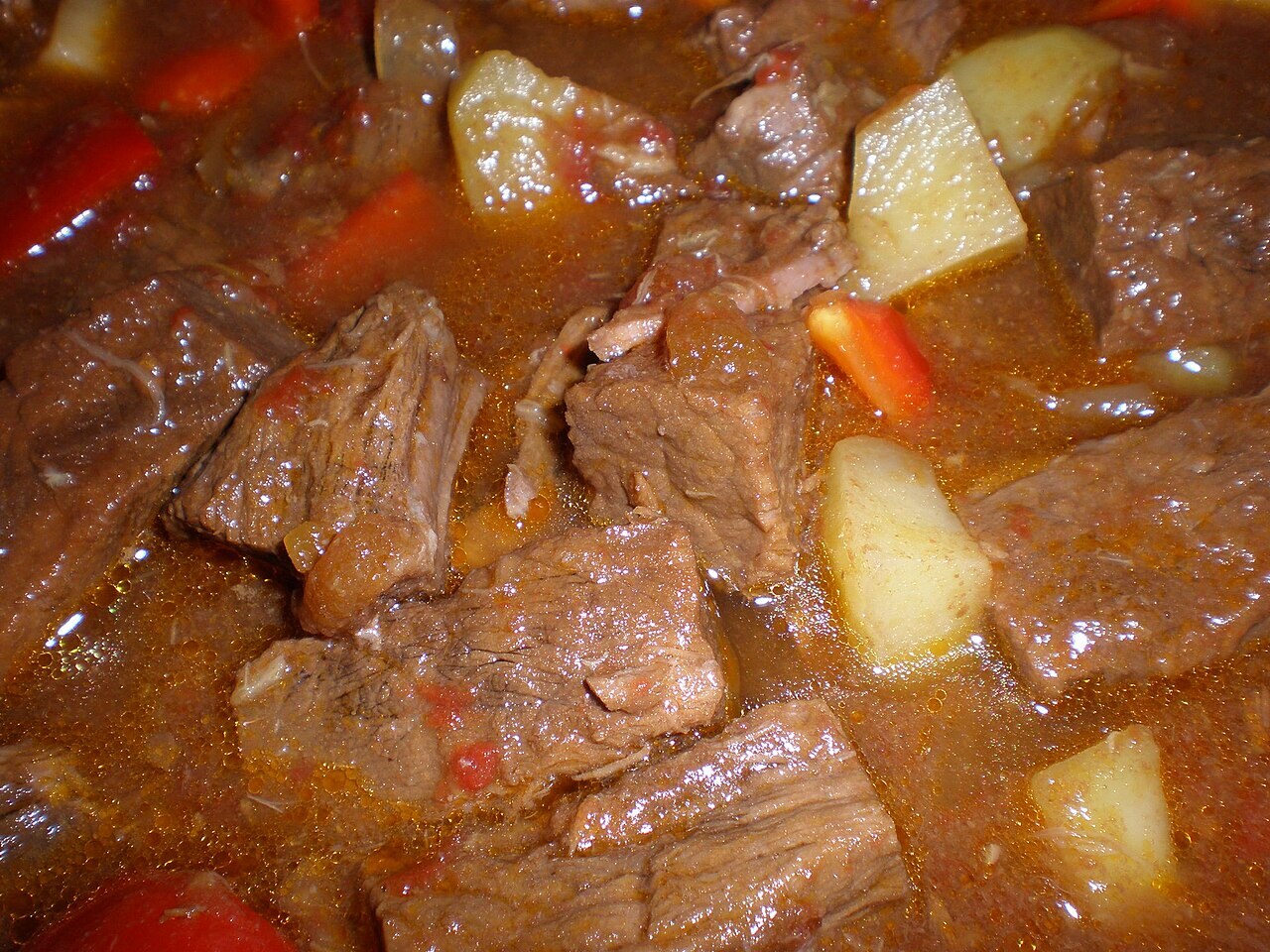
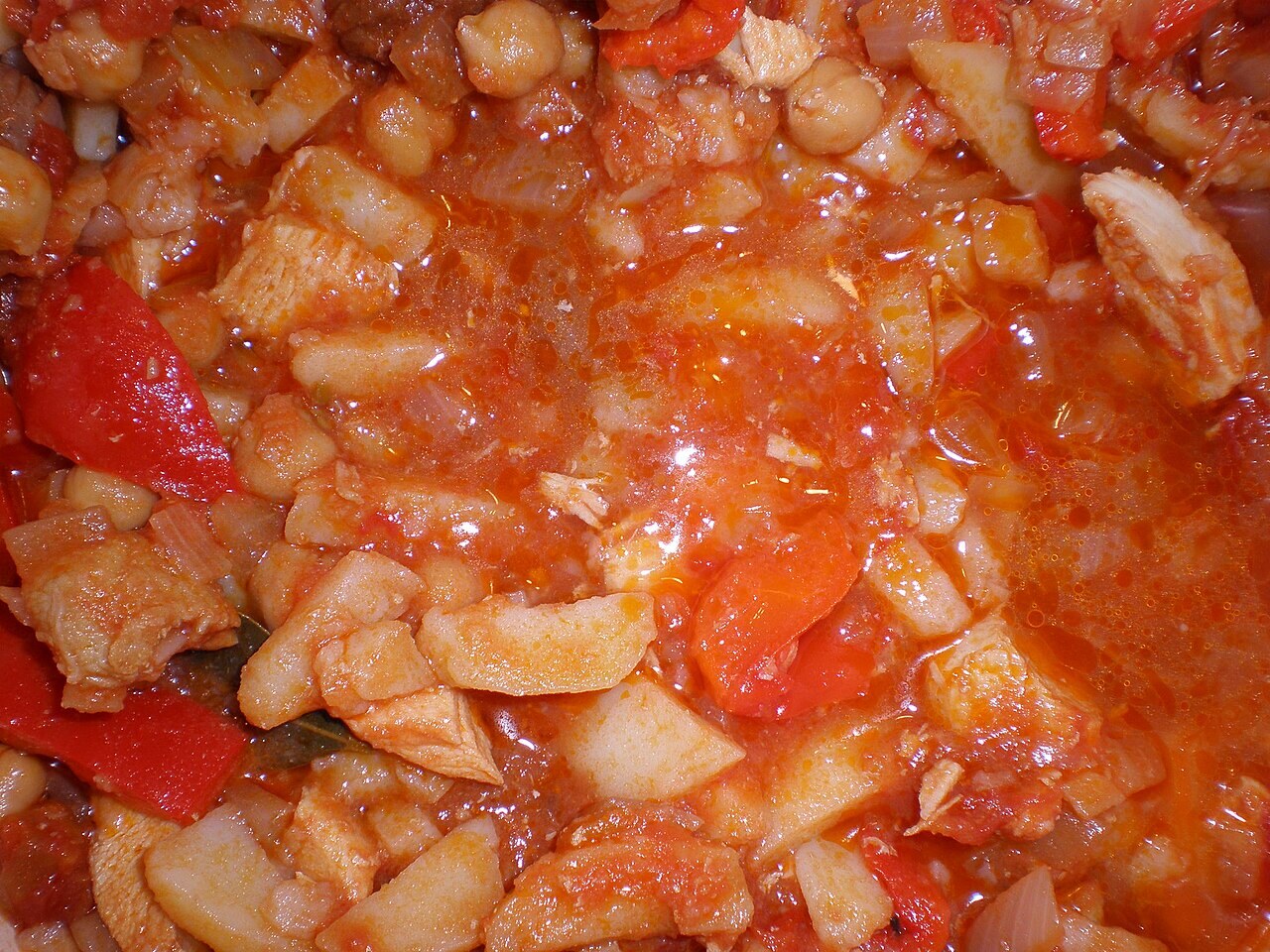
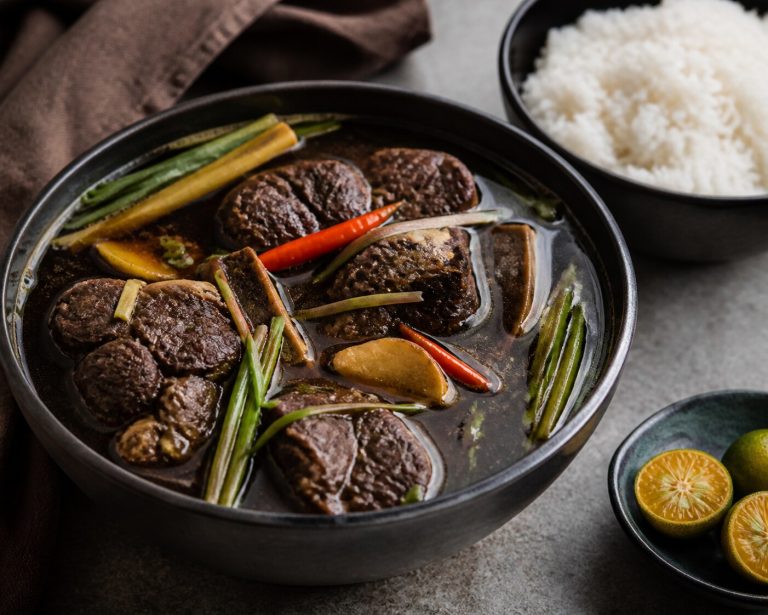
These photos show the colors, textures, and serving style to look for when making Filipino Tomato Stew Guide.
About This Recipe
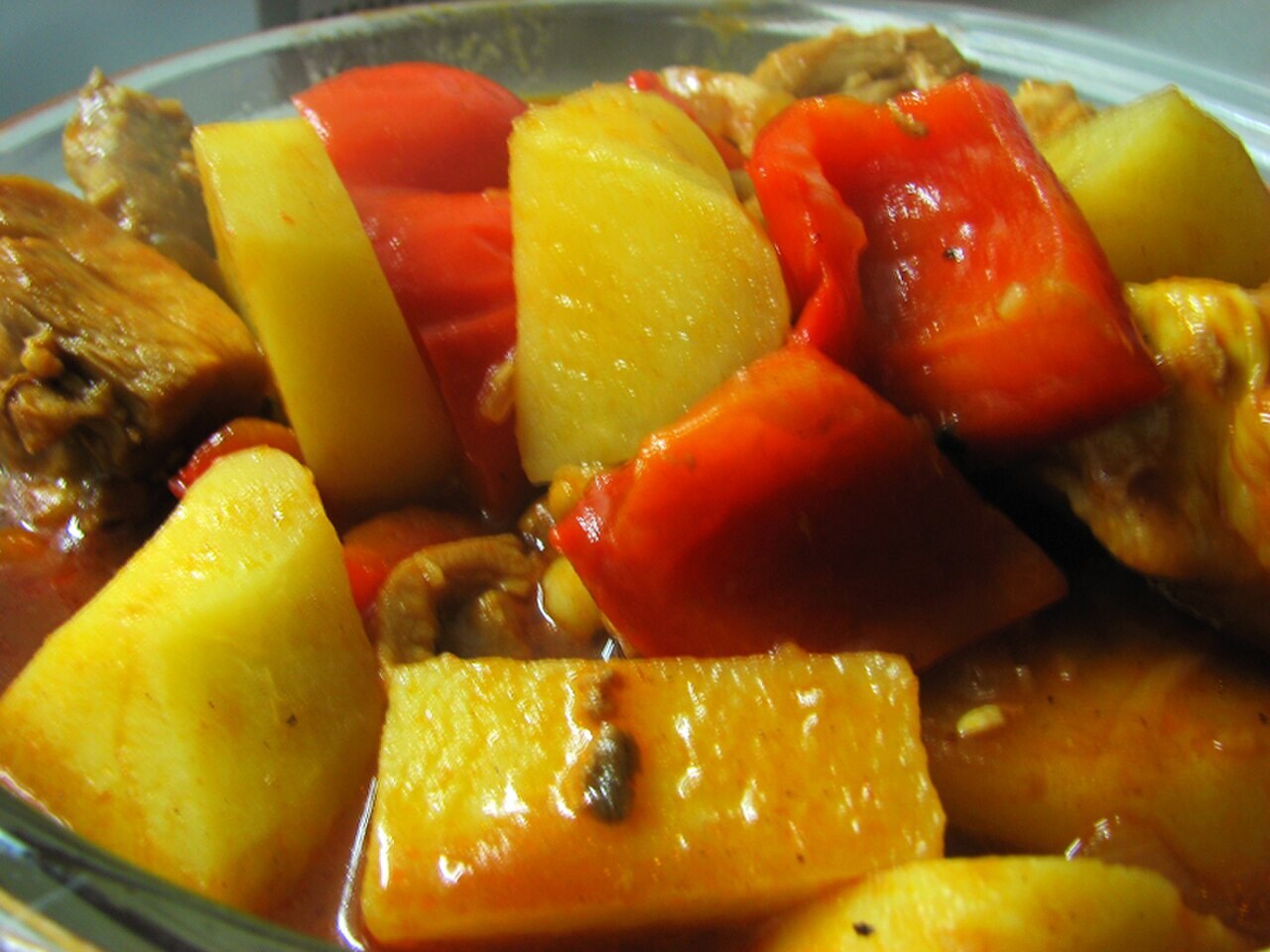
The starter recipe pairs one-inch pork shoulder pieces with tomato sauce, tomato paste, broth, soy sauce, and fish sauce. Potatoes and carrots enter after the pork has had time to soften; bell pepper and peas follow later so they retain some definition.
The measured pork recipe below is a menudo-style starting point, not one formula for all four stews. For a complete version of each named dish, use Vanjo Merano's menudo with raisins and peas, or Lalaine Manalo's chicken afritada, beef mechado and beef kaldereta. Each link includes its own measured ingredients and cooking instructions. Shop and cook the chosen recipe as a separate batch; the base below does not supply their additional meat, liver, citrus, cheese or other ingredients.
Cooking Notes
- Brown the pork in batches with space between pieces. Keep the browned residue in the pot for the onion and garlic, unless any spots have turned black.
- Check the pork's tenderness before adding potatoes and carrots. If the meat still resists a fork strongly, continue its covered simmer rather than letting the vegetables wait in the pot.
Ingredient Notes
For the sauce
For this two-pound pork base, use 425 g plain tomato sauce with the listed 2 tablespoons tomato paste and 1 cup broth. An 8-ounce can supplies barely half the required sauce; do not substitute can-for-can. Soy sauce and fish sauce provide the savory seasoning.
For the differences
The linked menudo uses pork, liver, hotdogs and raisins; the afritada uses chicken and fresh Roma tomatoes. The mechado combines beef with citrus and soy sauce, while the kaldereta uses liver spread, cheese, olives and chilies. Their different ingredients need their own liquid quantities and simmering schedules.
Filipino Tomato Pork Stew Recipe
A six-serving menudo-style pork stew. The shopping list, quantities and method here belong only to this pork base; the four linked author recipes above are separate choices.
Shopping List
- pork shoulder, neutral oil, onion, garlic and chicken broth
- 15 oz / 425 g plain tomato sauce
- tomato paste
- potatoes
- carrots
- bell pepper
- peas
- soy sauce
- fish sauce
Ingredients
Stew Base
- 2 pounds pork shoulder, cut into 1-inch pieces
- 2 tablespoons neutral oil
- 1 medium onion, chopped
- 5 garlic cloves, minced
- 1 can (15 oz / 425 g) plain tomato sauce, not tomato paste or seasoned pasta sauce
- 2 tablespoons tomato paste
- 1 cup chicken broth
- 2 tablespoons soy sauce
- 1 tablespoon fish sauce
Vegetables
- 2 medium potatoes, diced
- 2 large carrots, diced
- 1 red bell pepper, diced
- 1 cup green peas
Instructions
- Heat oil in a heavy pot and brown pork in batches.
- Saute onion and garlic in the same pot until fragrant.
- Stir in tomato sauce and tomato paste and cook until the sauce darkens slightly.
- Return pork to the pot with broth, soy sauce, and fish sauce.
- Simmer gently, covered, until pork is almost fork-tender, about 45 to 60 minutes; shoulder may need longer. Check periodically and add hot water 1/4 cup at a time only if the sauce is drying before the pork softens.
- Add potatoes and carrots and cook until tender.
- Stir in bell pepper and peas and simmer until the sauce is rounded and glossy.
- Rest 10 minutes before serving with rice.
Nutrition Estimate
Approximate nutrition for 1 serving (one-sixth of the stew). For the six-serving pork stew only, including all sauce and cooking oil. Rice and the other stews discussed are excluded. Calculated from published food data, not laboratory tested; brands and portions vary.
Tips For The Best Filipino Tomato Stew Guide
- Brown the meat: Color gives tomato stews depth.
- Cook potatoes separately if needed: This prevents them from dissolving.
- Taste tomato sauce after simmering: Raw tomato flavor needs time.
- Respect family versions: These names vary by household and region.
How To Serve And Store
Serve the menudo-style pork stew with rice. Refrigerate it in shallow containers within 2 hours (1 hour above 90 F), use within 3 to 4 days, and reheat to 165 F. For the four linked author recipes, follow the same prompt chilling rule and the recipe's shorter storage limit where specified.
Common Questions
Which stew is easiest?
Chicken afritada is usually the simplest starting point.
Which one is richest?
Kaldereta is often the richest.
Are these Spanish dishes?
They have colonial influence, but Filipino versions developed their own pantry and family styles.
Can I use one base for all?
Their browning and simmering steps overlap, but they are separate recipes. Choose one of the four complete linked formulas in the overview, or make the six-serving pork base below. Do not combine their ingredient lists or substitute chicken into a beef simmering schedule.
Can I use this exact pork base for all four stews?
No. The onsite card makes one menudo-style pork stew. The overview supplies complete author recipes for menudo, chicken afritada, beef mechado and beef kaldereta; their ingredients, meat sizes, liquid ratios and cooking times are not interchangeable.
Why are the peas and bell pepper added after the potatoes?
Potatoes and carrots need more simmering to become tender. Adding peas and diced bell pepper later keeps them from disappearing into the sauce while the denser vegetables finish cooking.
Which of the four stews do you cook most often? Share your family version or cooking notes in the comments.
Guide inspiration and technique reference: Filipino recipe source research from Panlasang Pinoy, Kawaling Pinoy, Serious Eats, and the site roadmap.
Technique and food-safety references: panlasangpinoy.com; kawalingpinoy.com; kawalingpinoy.com; kawalingpinoy.com.