Bicol Express: Spicy Filipino Coconut Pork
 Recipe Guy

Spicy Filipino pork | Coconut milk | Bicol-inspired
Coconut cream gives this Bicol Express its glossy finish, but the pork needs to become tender first. Bagoong seasons the sauce deeply, while long green chiles and Thai chiles let you choose how much heat comes with that richness.
Why make it: This version lets home cooks control the heat while keeping the coconut-bagoong backbone of the dish.
Fresh From the Kitchen
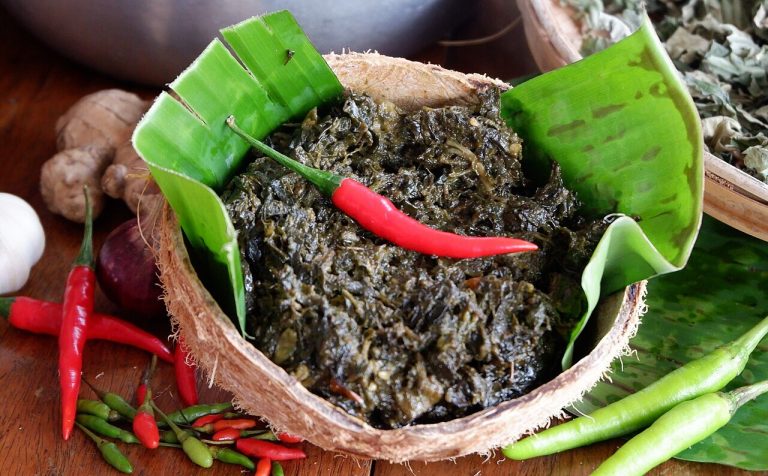
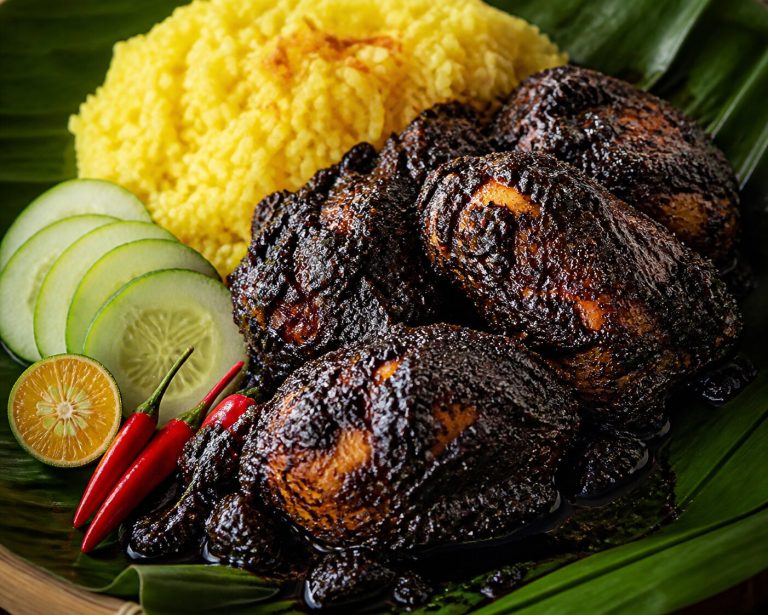
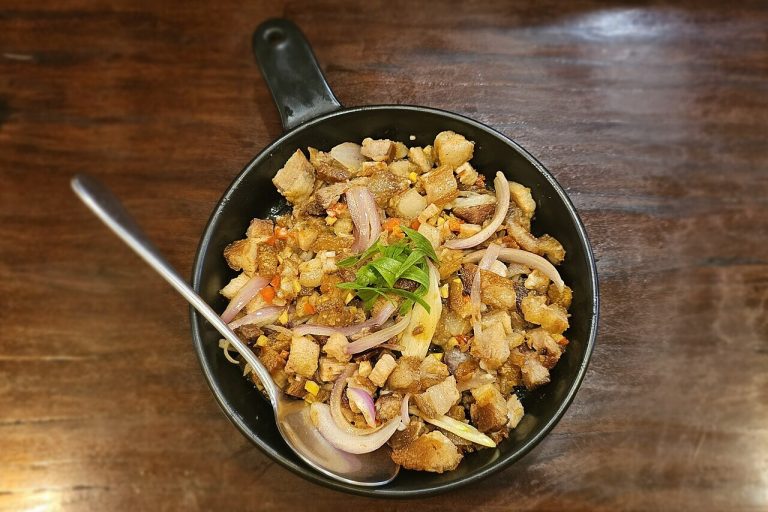
These photos show the colors, textures, and serving style to look for when making Bicol Express.


About This Recipe
Pork shoulder makes a meatier bowl; belly brings more fat into the coconut sauce. Whichever cut you choose, keep the pieces similar in size. Rendering some pork fat first gives the onion, garlic, ginger, and bagoong something to cook in before the coconut milk goes in.
The coconut cream is a finishing ingredient rather than the main braising liquid. Add it after the pork is tender, then let the sauce thicken gently. Plain steamed rice gives the concentrated sauce somewhere to go.
Cooking Notes
- Start at the lower end of the listed Thai chile range if heat is a concern. Keep the remaining chiles separate until you know how strongly the first additions season the sauce.
- Stir across the bottom of the pan during the final reduction. The sauce should cling to the pork; stop reducing before the coconut coating catches on the pan.
Ingredient Notes
For the pork
Shoulder is meaty; belly is richer. A mix works well.
For heat control
Use long green chiles for flavor and Thai chiles for sharper heat.
Bicol Express Recipe
This version lets home cooks control the heat while keeping the coconut-bagoong backbone of the dish.
Shopping List
- pork shoulder or belly
- coconut milk
- coconut cream
- bagoong
- Thai chiles
- long green chiles
- onion
- garlic
- ginger
- rice
Ingredients
Pork Base
- 2 pounds pork shoulder or belly, cut into small pieces
- 1 onion, chopped
- 5 garlic cloves, minced
- 1 tablespoon ginger, minced
- 2 tablespoons bagoong
Coconut and Chiles
- 1 can coconut milk
- 1 cup coconut cream
- 4 long green chiles, sliced
- 2 to 6 Thai chiles, to taste
For Serving
- Steamed rice
- Calamansi wedges, optional
Instructions
- Cook pork in a wide pan until some fat renders.
- Add onion, garlic, and ginger and cook until fragrant.
- Stir in bagoong.
- Add coconut milk and simmer until pork is tender.
- Add long chiles and Thai chiles.
- Stir in coconut cream and simmer until thick and glossy.
- Taste and adjust bagoong or chiles before serving.
Nutrition Estimate
Approximate values per serving based on the listed ingredients and yield. Actual nutrition will vary by brand, exact portion size, and cooking changes.
Tips For The Best Bicol Express
- Cut pork small: Small pieces become tender faster and coat with sauce.
- Simmer coconut gently: Hard boiling can make the sauce oily.
- Build heat gradually: You can add more chiles near the end.
- Serve with plenty of rice: The sauce is intense by design.
How To Serve And Store
Serve hot with rice and something fresh on the side. Refrigerate up to 4 days.
Common Questions
Can I make it mild?
Yes. Use long green chiles and skip or reduce Thai chiles.
Can I use chicken?
Yes, but simmer for less time.
Is bagoong required?
It gives the dish its salty depth, but adjust to taste.
Can I add vegetables?
Green beans or wing beans can be added near the end.
Can I use pork shoulder instead of belly?
Yes, both are listed options. Shoulder gives more lean meat in each bite, while belly makes a richer sauce. Let tenderness determine when to add the coconut cream, rather than expecting both cuts to finish together.
When should the coconut cream go in?
Wait until the pork is tender in the coconut milk, then add the chiles and cream. Reduce gently from there so you can concentrate the sauce without trying to finish a tough piece of pork in it.
How hot should Bicol Express be before it stops being fun? Share your family version or testing notes in the comments.
Recipe inspiration and technique reference: Filipino home-cooking source research from Panlasang Pinoy, Kawaling Pinoy, and Filipino-American cooking sources in the site roadmap.