
Bibingka: Filipino Coconut Rice Cake
 Recipe Guy

Filipino rice cake | Coconut | Holiday merienda
Warm bibingka needs little dressing up: coconut milk in the batter, butter on the surface, and a salty patch of cheese or egg against the sweet cake. Banana leaves bring their own aroma and make the edges especially inviting.
Why make it: This home version uses rice flour and banana leaf aroma with U.S. pan options.
Fresh From the Kitchen
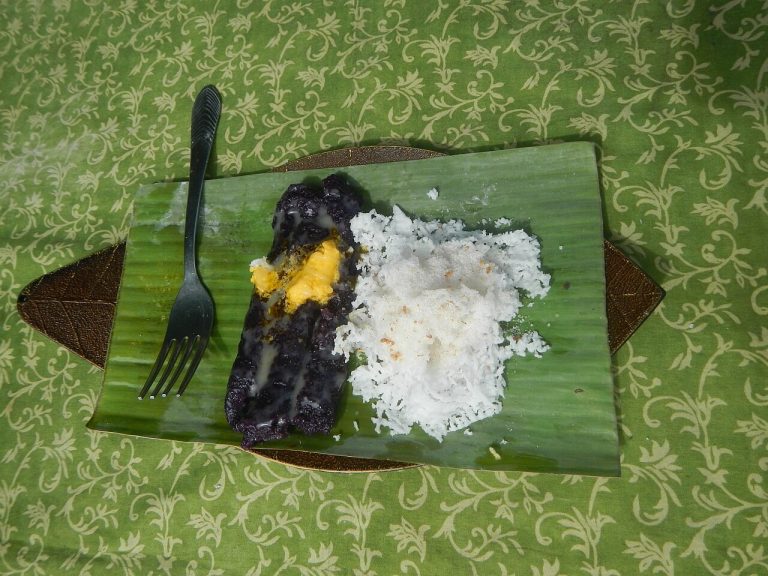
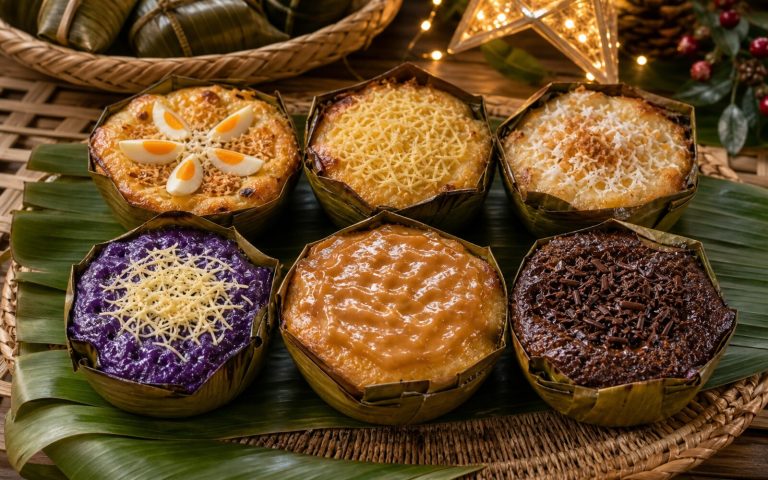
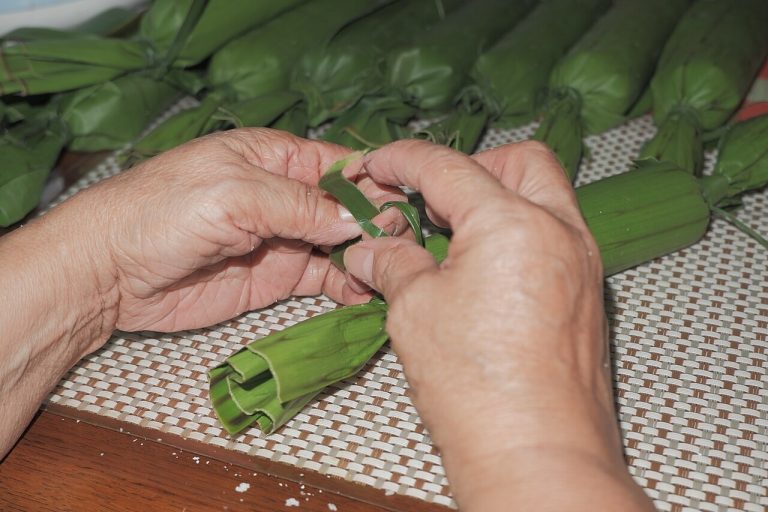
These photos show the colors, textures, and serving style to look for when making Bibingka.


About This Recipe
This batter combines rice flour with a smaller amount of all-purpose flour, plus eggs and baking powder. Coconut milk and melted butter supply richness without a separate frosting. The toppings belong on the cake before baking, with more butter and sugar added afterward.
The appeal is in the contrast between the plain, tender crumb and the seasoned top. Salted egg is optional; cheese alone keeps that sweet-salty balance. Serve while warm, when the butter can spread across the surface and the banana leaf aroma is most noticeable.
Cooking Notes
- Press the softened banana leaves into the pan without pulling them taut across the corners. A liner that follows the pan's shape supports the batter more evenly.
- Scatter cheese and optional salted egg across the batter instead of gathering them in the center. Each slice should have some topping without a heavy central layer.
Ingredient Notes
For rice flour
Regular rice flour gives tenderness; glutinous rice flour would make it chewier.
For banana leaves
Briefly heat leaves to make them pliable and aromatic.
Bibingka Recipe
This home version uses rice flour and banana leaf aroma with U.S. pan options.
Shopping List
- rice flour
- all-purpose flour
- coconut milk
- eggs
- sugar
- baking powder
- banana leaves
- butter
- cheese
- salted egg optional
Ingredients
Batter
- 1 1/2 cups rice flour
- 1/2 cup all-purpose flour
- 2 teaspoons baking powder
- 1/2 cup sugar
- 2 eggs
- 1 cup coconut milk
- 1/4 cup melted butter
Toppings
- Sliced salted egg, optional
- Grated cheese
- Sugar
- Extra butter
For Serving
- Grated coconut, optional
- Hot coffee
Instructions
- Heat the oven to 375 F with a middle rack. Line a 9-inch round, 2-inch-deep cake pan with cleaned, softened banana leaves, fitted against the bottom and sides; parchment can replace the leaves. Trim loose edges away from heating elements.
- Whisk dry ingredients in one bowl and wet ingredients in another.
- Combine into a smooth batter.
- Pour into the lined pan and add salted egg or cheese if using.
- Bake about 25 to 35 minutes until lightly golden and set in the center. A skewer inserted into cake rather than cheese should have no wet batter. Start checking at 25 minutes; continue if the middle ripples.
- Brush with butter and sprinkle with sugar.
- Serve warm.
Nutrition Estimate
Approximate values per serving based on the listed ingredients and yield. Actual nutrition will vary by brand, exact portion size, and cooking changes.
Tips For The Best Bibingka
- Warm the leaves: They bend without tearing and smell better.
- Do not overmix: A gentle batter stays tender.
- Serve warm: Bibingka is best fresh.
- Adjust toppings: Salted egg and cheese are optional but beloved.
How To Serve And Store
Serve warm for merienda or dessert. Refrigerate leftovers and reheat gently.
Common Questions
Can I skip banana leaves?
Yes, but the aroma will be missing.
Can I use glutinous rice flour?
Not for this texture.
Can I make small bibingka?
This timing is for one 9-inch round cake. Smaller molds change the depth and cooking time; do not apply the full-pan estimate to them. Use the specified pan and cut into eight servings for this method.
Is salted egg required?
No. Use cheese, coconut, or keep it plain.
Should I use glutinous rice flour for this bibingka?
Use the regular rice flour specified here. Glutinous rice flour is not an interchangeable choice for this batter; it would move the texture toward chewiness rather than the tender cake intended.
When should I add the butter and sugar finish?
Brush on the extra butter after baking, while the cake is still warm, then sprinkle with sugar. Keep this finishing butter separate from the melted butter already mixed into the batter.
What topping belongs on bibingka for you? Share your family version or testing notes in the comments.
Recipe inspiration and technique reference: Filipino dessert and bakery source research from Panlasang Pinoy, Kawaling Pinoy, The Dusky Kitchen, and Filipino-American dessert sources in the site roadmap.
Technique and food-safety references: kawalingpinoy.com.

