
Biko: Filipino Sticky Rice Cake with Coconut Caramel
 Recipe Guy
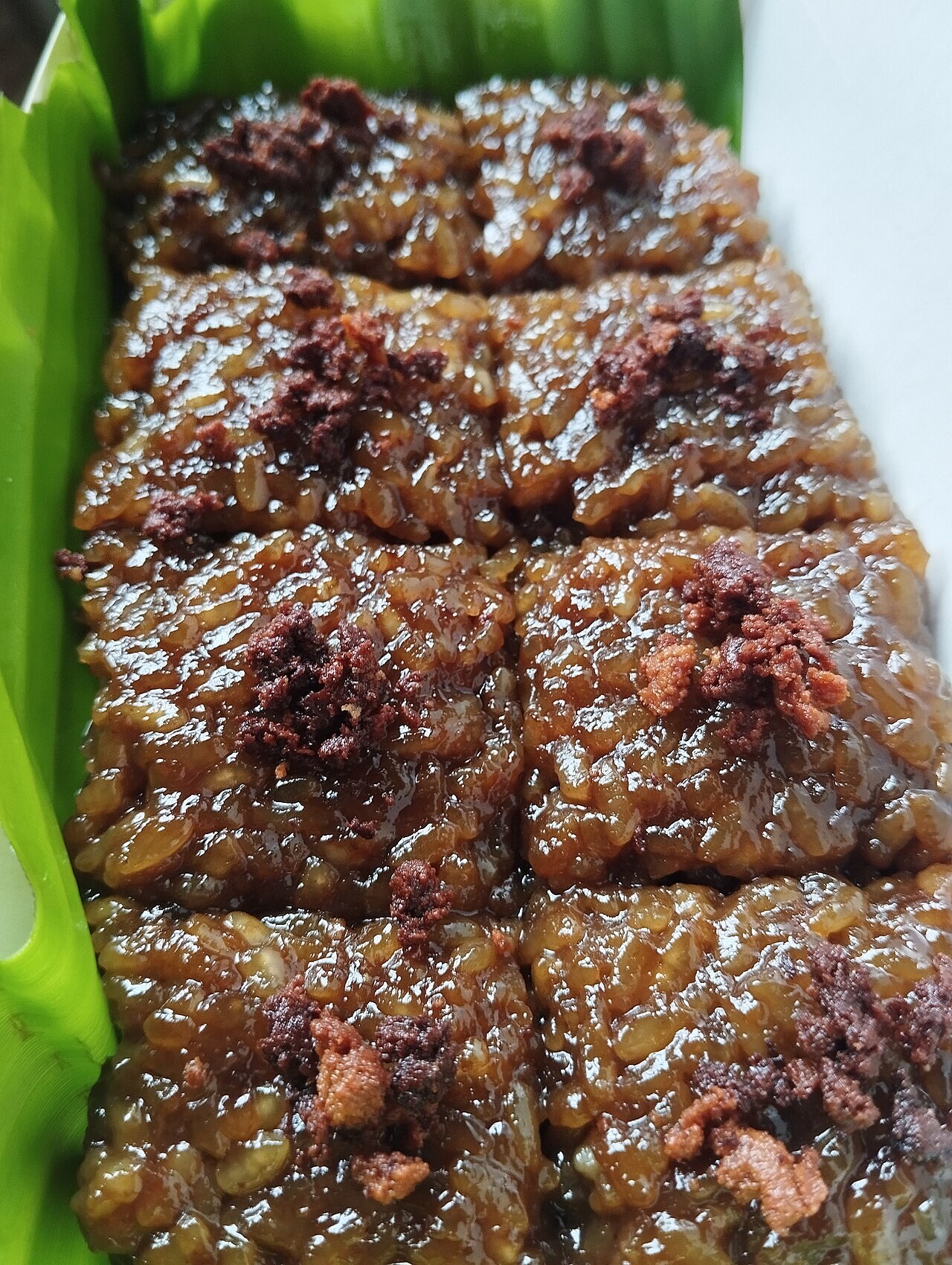
Filipino kakanin | Sticky rice | Coconut caramel
Biko gets its chew from glutinous rice and its sweetness from coconut milk reduced with brown sugar. Most of that caramel coats the grains; a separate layer on top gives each square a richer, softer finish.
Why make it: This version uses glutinous rice and canned coconut milk with careful caramel cues.
Fresh From the Kitchen
These photos show the colors, textures, and serving style to look for when making Biko.


About This Recipe
This is a rice cake built in the pot before it reaches the serving dish. The rice cooks separately until just tender, then meets the thickened coconut mixture. Keeping those stages distinct lets you check the grains before adding the sweet coating.
A little salt matters against the coconut and brown sugar. Banana leaves are optional, but a lined dish makes the sticky cake easier to serve. Give the biko time to set before cutting; warm spoonfuls and neat squares are different textures.
Cooking Notes
- Reserve the topping before folding the rice into the caramel. Once the grains are mixed in, it is difficult to recover a smooth portion for the surface.
- Scrape the bottom and corners of the pot as the coconut mixture thickens. Lower the heat if it starts catching; a scorched base will carry into both rice and topping.
Ingredient Notes
For rice
Glutinous rice is essential for the chewy texture.
For topping
Coconut caramel should be thick and glossy, not burnt.
Biko Recipe
This version uses glutinous rice and canned coconut milk with careful caramel cues.
Shopping List
- glutinous rice
- 800 ml unsweetened full-fat coconut milk, two 400 ml cans
- Baking parchment, or cleaned food-grade banana leaves, for lining
- brown sugar
- salt
- banana leaves optional
Ingredients
Rice
- 2 cups glutinous rice
- 2 cups water
- Pinch of salt
Coconut Caramel
- 2 cans unsweetened full-fat coconut milk, 400 ml each (800 ml total); measure if packages differ
- 1 cup brown sugar
- 1/2 teaspoon salt
For Serving
- Banana leaves, optional
- Coffee
Instructions
- Rinse and drain the rice. Combine with the 2 cups water and the pinch of salt, bring to a simmer, cover, and cook over low heat about 15-20 minutes until the water is absorbed and the grains are just tender. If still chalky, add a little water and continue; the rice must be tender before the final setting stage.
- While the rice cooks, in a wide heavy pan, simmer the 800 ml coconut milk, brown sugar, and 1/2 teaspoon salt over medium-low heat, stirring often, about 20-30 minutes or until reduced to a glossy syrup that coats the spoon. Reserve 1/2 cup for topping before adding rice.
- Fold the cooked rice into the remaining syrup and stir gently over low heat about 10-15 minutes, until the grains are fully tender, the mixture is cohesive and sticky, and no loose liquid collects.
- Line an 8-inch square baking dish at least 2 inches deep with baking parchment or cleaned food-grade banana leaves. Press the rice mixture into an even layer.
- Spread the reserved 1/2 cup coconut caramel over the rice.
- For a baked finish, heat the oven to 350 F and bake about 20-30 minutes until the topping bubbles and thickens; then cool 30-60 minutes until firm enough to cut. For a softer stovetop finish, omit the oven step and cool the fully cooked rice cake in its dish for 30-60 minutes. Refrigerate within 2 hours of cooking.
- Slice into squares.
Nutrition Estimate
Approximate nutrition for 1 square (one-twelfth of the batch). Includes both cans of coconut milk and all caramel, divided into twelve equal squares. Coffee is excluded. Calculated from published food data, not laboratory tested; brands and portions vary.
Tips For The Best Biko
- Use glutinous rice: Regular rice will not give biko texture.
- Stir caramel often: Coconut sugar mixtures can scorch.
- Line the pan: Banana leaves add aroma and help serving.
- Cool before slicing: Warm biko is sticky and soft.
How To Serve And Store
Serve small portions warm or at room temperature. Refrigerate the remaining biko promptly, within 2 hours of cooking, and keep covered at 40 F or below for up to 4 days.
Common Questions
Can I use jasmine rice?
No, glutinous rice is needed.
What is latik?
It can refer to coconut curds or coconut caramel depending on context.
Can I add ube?
Yes, but it becomes a different variation.
Can I freeze biko?
Yes, though the texture is best fresh.
Can jasmine rice replace glutinous rice in this biko?
Not for the same result. This cake depends on the sticky texture of glutinous rice to hold together after cooling. Jasmine rice would make a different dessert, with more separate grains and less chew.
Why does my biko fall apart when I slice it?
Check whether it has fully cooled and set before judging the texture. The warm rice and coconut caramel are soft and sticky. Press the mixture into an even layer and allow it to settle before portioning.
Do you like biko with coconut curds on top? Share your family version or testing notes in the comments.
Recipe inspiration and technique reference: Filipino dessert and bakery source research from Panlasang Pinoy, Kawaling Pinoy, The Dusky Kitchen, and Filipino-American dessert sources in the site roadmap.
Technique and food-safety references: foxyfolksy.com; fsis.usda.gov.

