Ginisang Ampalaya with Egg: Bitter Melon Stir-Fry
 Recipe Guy
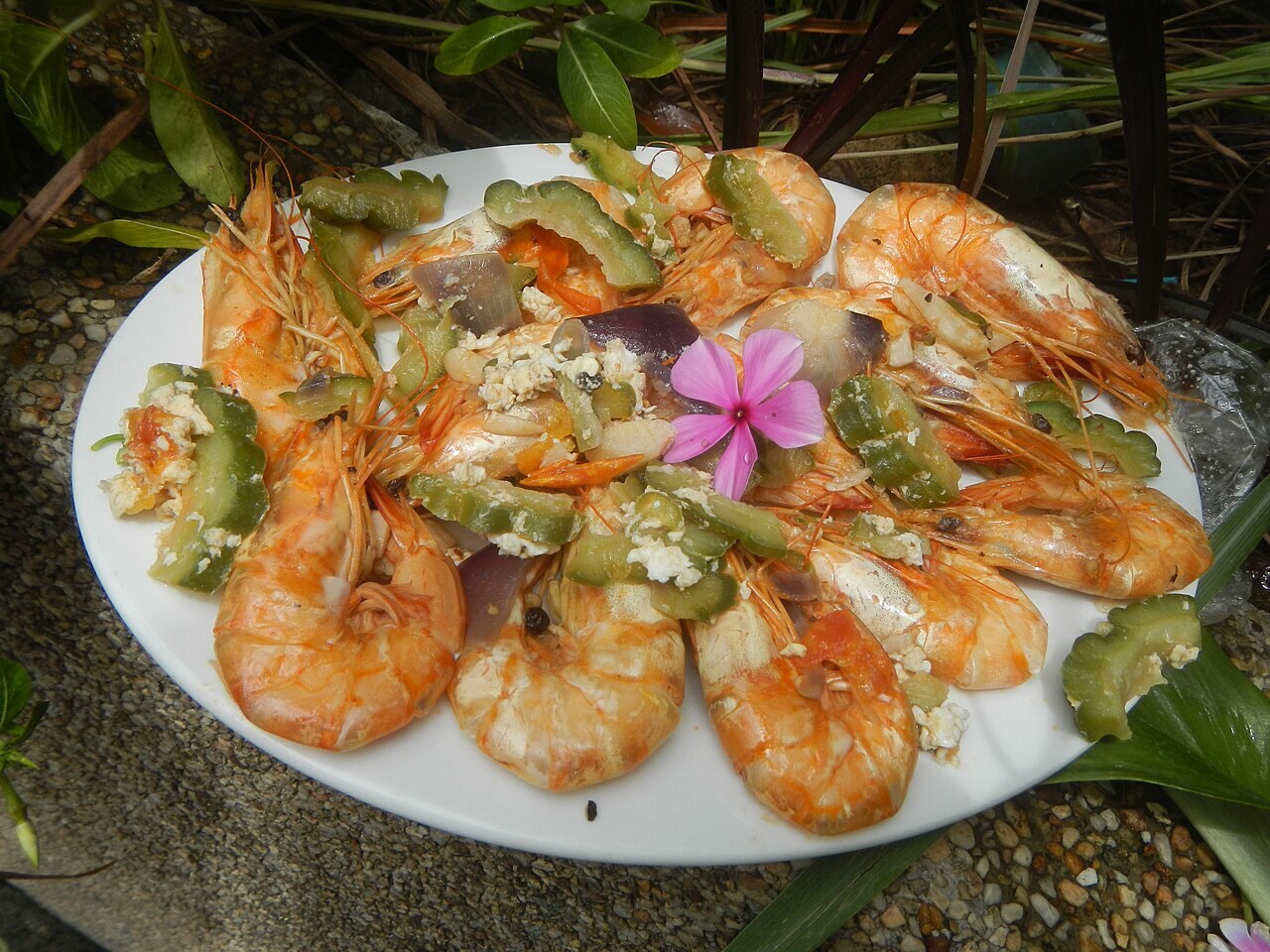
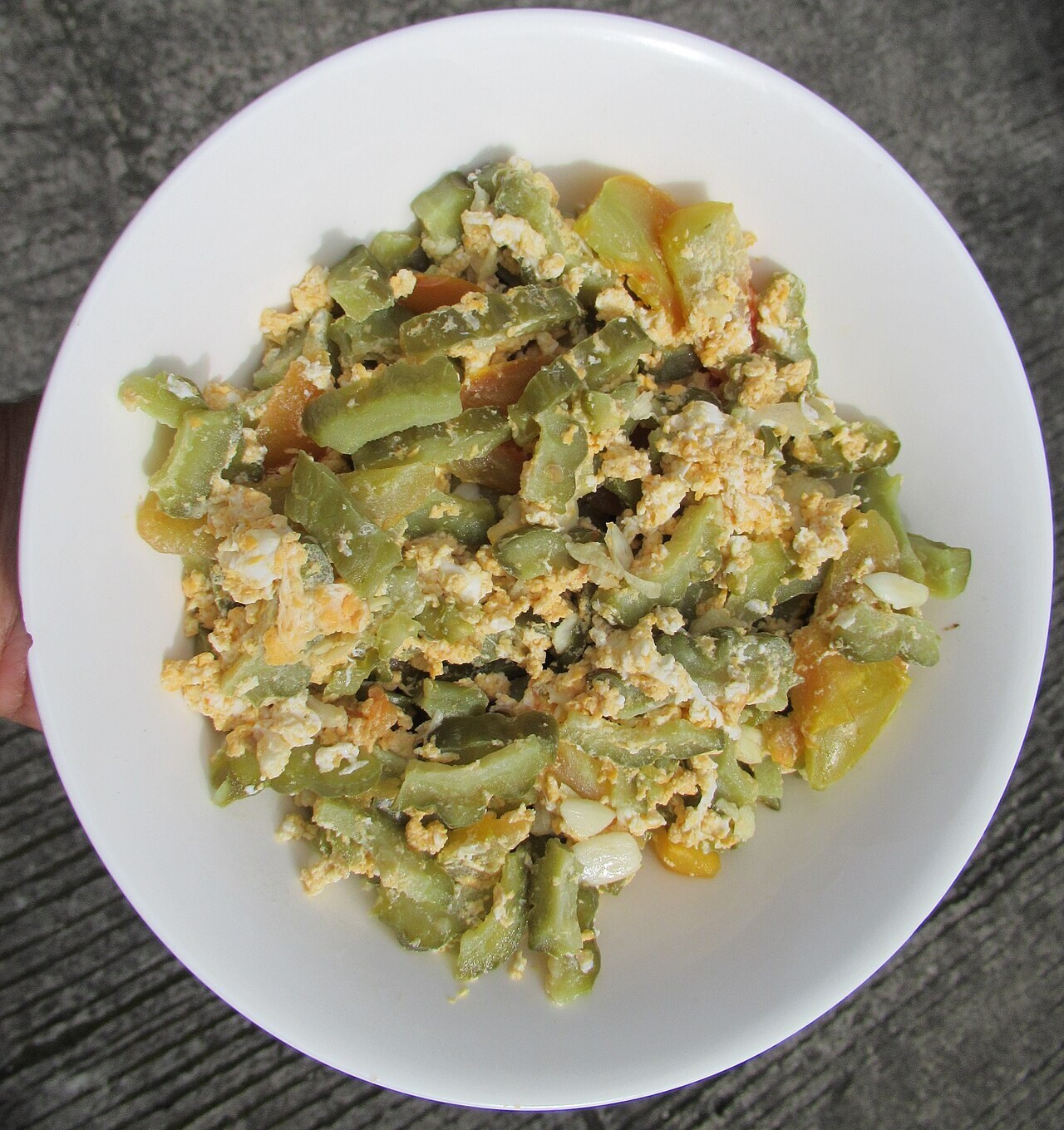
Filipino vegetable ulam | Bitter melon | Egg stir-fry
Ampalaya does not need to stop tasting bitter to make a good egg saute. Thin slices, a brief salting, softened tomato, and gently folded eggs give that bitterness company, leaving a vegetable dish with enough texture and seasoning to eat with rice.
Why make it: This version includes bitterness-control steps for cooks who grew up loving ampalaya and for those still negotiating with it.
Fresh From the Kitchen
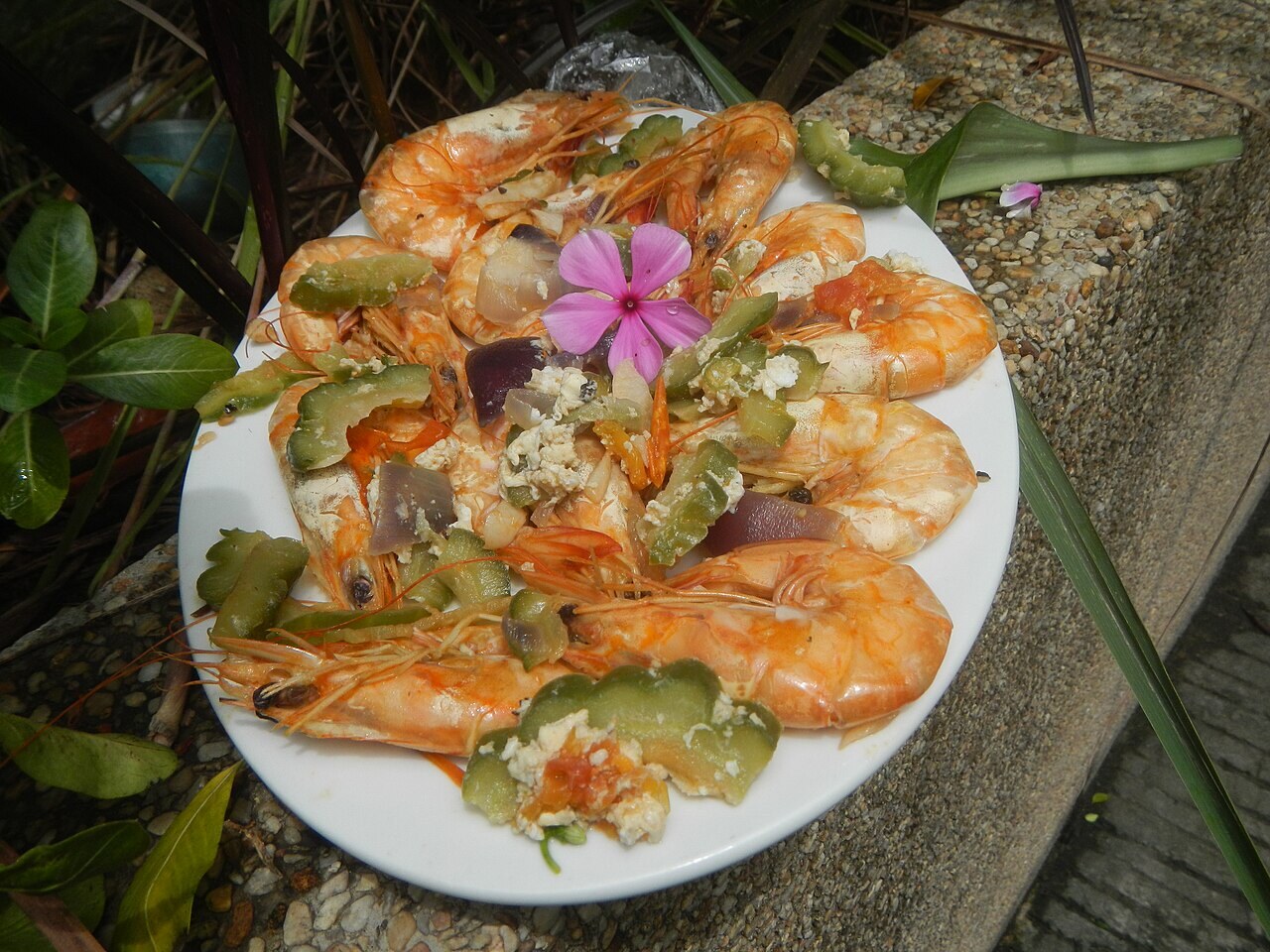
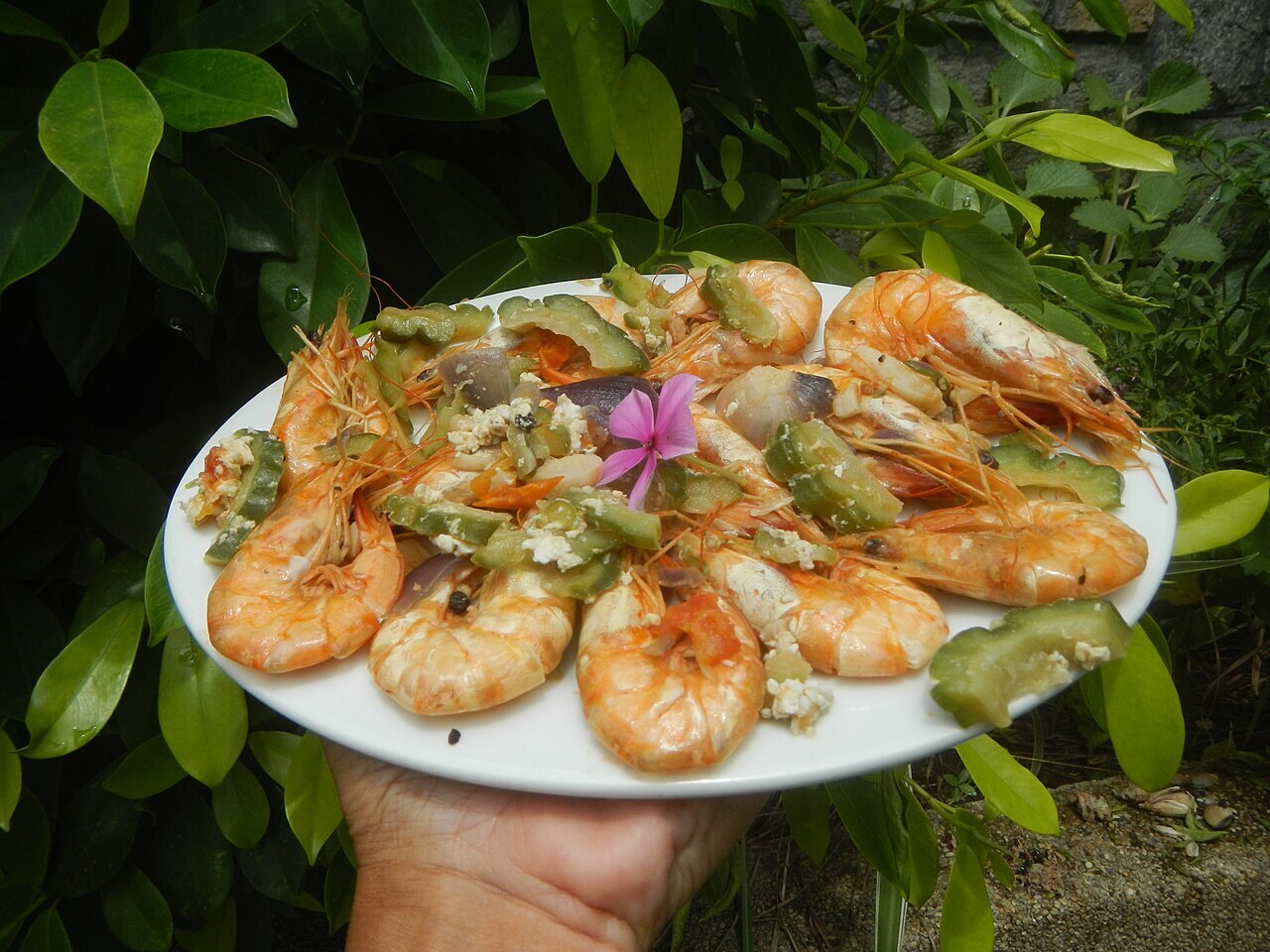
About This Recipe
The bitter melon is salted separately, then rinsed and gently squeezed before it reaches the skillet. That preparation also keeps excess water from flooding the onion, garlic, and tomato base. The ampalaya should remain crisp-tender when the eggs go in.
Three beaten eggs bind the vegetables in soft curds rather than a solid omelet. Lowering the heat and waiting briefly before folding gives those curds time to form. Fish sauce supplies savory depth, while black pepper finishes the dish without adding another competing flavor.
Cooking Notes
- Keep the ampalaya slices similar in thickness, including the curved end pieces. Thin, even slices reach the intended crisp-tender stage together and distribute more easily through the eggs.
- Let the chopped tomatoes soften before adding the melon. They should mingle with the onion and garlic rather than remain hard chunks that need extra cooking after the eggs arrive.
Ingredient Notes
For the ampalaya
Choose firm, bright bitter melon. Scrape out the white pith well, then slice thinly for a gentler bite.
For bitterness
A short salt soak takes the edge off, but do not rinse away all the character of the vegetable.
Ginisang Ampalaya with Egg Recipe
This version includes bitterness-control steps for cooks who grew up loving ampalaya and for those still negotiating with it.
Shopping List
- ampalaya or bitter melon
- eggs
- tomatoes
- onion
- garlic
- fish sauce
- neutral oil
- black pepper
- rice
Ingredients
Ampalaya
- 2 medium ampalaya, halved, seeded, and thinly sliced
- 1 teaspoon salt for soaking
- Water for rinsing
Saute
- 1 tablespoon neutral oil
- 1 onion, sliced
- 3 garlic cloves, minced
- 2 tomatoes, chopped
- 1 tablespoon fish sauce
- 1/4 teaspoon black pepper
Egg and Serving
- 3 large eggs, beaten
- Steamed rice
- Extra fish sauce, optional
Instructions
- Toss sliced ampalaya with salt and let it sit for 10 minutes.
- Rinse briefly and squeeze gently to remove excess moisture.
- Heat oil in a skillet and saute onion, garlic, and tomatoes until softened.
- Add ampalaya and fish sauce and stir-fry until crisp-tender.
- Lower the heat and pour in beaten eggs.
- Let the eggs set slightly, then fold gently through the vegetables.
- Finish with pepper and serve with rice.
Nutrition Estimate
Approximate values per serving based on the listed ingredients and yield. Actual nutrition will vary by brand, exact portion size, and cooking changes.
Tips For The Best Ginisang Ampalaya with Egg
- Slice thinly: Thin pieces cook quickly and taste less aggressively bitter.
- Do not overcook: Ampalaya should keep some texture.
- Fold eggs gently: Soft curds make the dish feel fuller.
- Taste before salting: Fish sauce and the salted melon both add seasoning.
How To Serve And Store
Serve hot with rice as breakfast, lunch, or a vegetable side. Refrigerate leftovers for up to 3 days.
Common Questions
Can I skip the salt soak?
Yes, if you like a stronger bitter flavor.
Can I add meat?
Ground pork, shrimp, or canned sardines can be added before the ampalaya.
What if I cannot find ampalaya?
There is no exact substitute, but zucchini with greens makes a mild egg saute.
How bitter should it be?
Bitter enough to taste like ampalaya, but balanced by tomato and egg.
Should the salting step remove all the ampalaya's bitterness?
No. The recipe still aims for a recognizably bitter vegetable balanced by tomato and egg. Follow the short salting and rinsing step rather than repeatedly soaking until the slices lose their character.
Why are the eggs breaking into tiny dry bits?
The heat may be too high, or the eggs may be getting stirred too aggressively. Lower the heat before pouring them in, let them start setting, and fold in broad strokes.
Are you team extra-bitter ampalaya or team salt-soak? Share your family version or testing notes in the comments.
Recipe inspiration and technique reference: Filipino home-cooking source research from Panlasang Pinoy, Kawaling Pinoy, and Filipino-American cooking sources in the site roadmap.