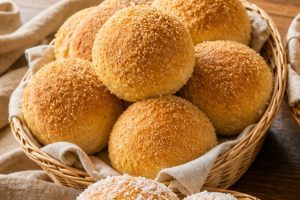
Pandesal Variations
 Recipe Guy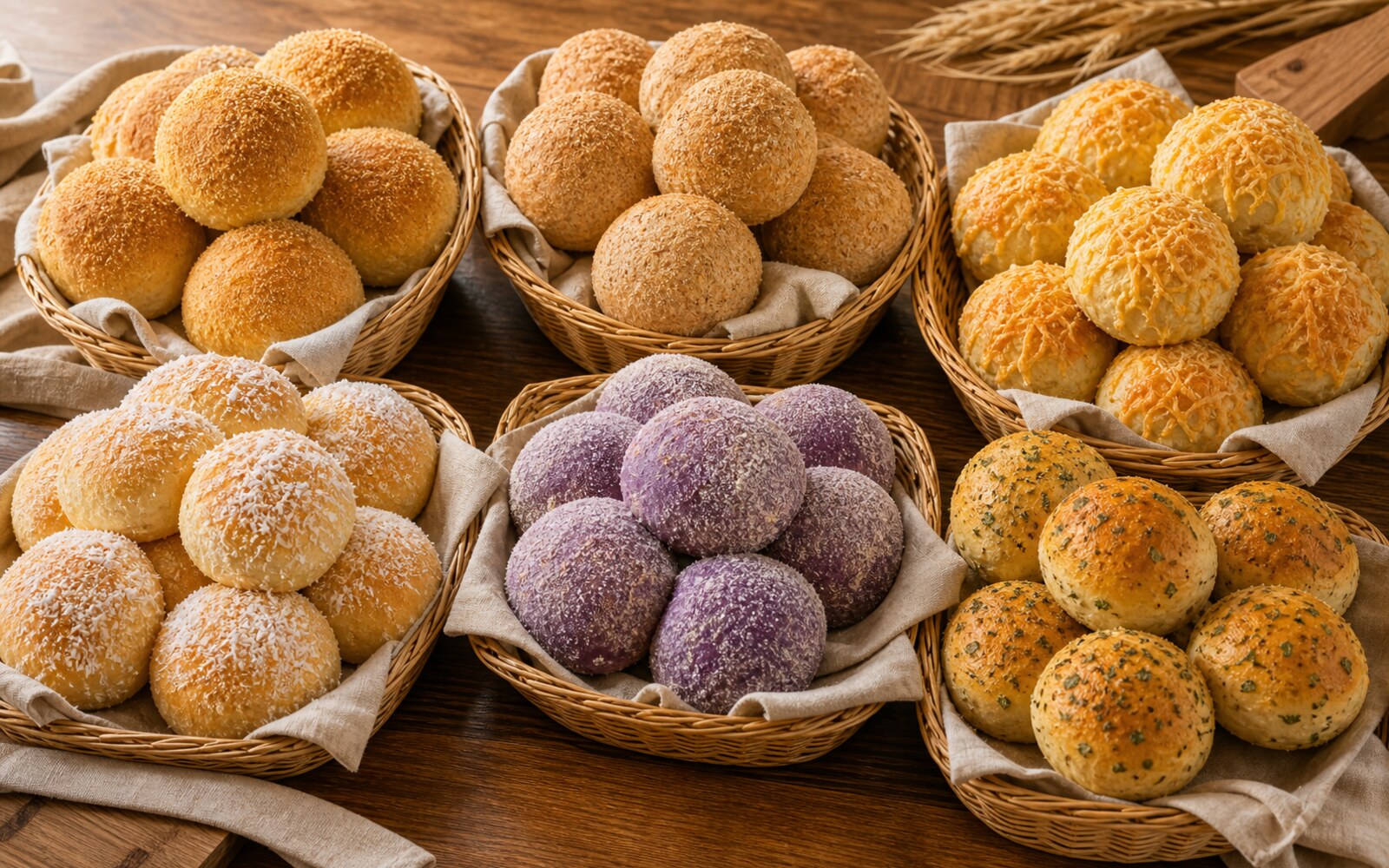
Filipino | Merienda and Bakery | Baking
A Filipino bread guide for classic pandesal plus whole wheat, cheese, coconut, ube, and garlic versions.
Why make it: This version turns a useful flavor idea into a complete home recipe with clear shopping notes and a practical cooking process.
About This Recipe
A Filipino bread guide for classic pandesal plus whole wheat, cheese, coconut, ube, and garlic versions.
Why You Will Love It
- Practical for U.S. kitchens: the shopping list uses ingredients that are realistic to find in Filipino, Asian, and mainstream grocery stores.
- Clear method: the process separates prep, cooking, finishing, and serving so each stage is easy to follow.
- Flexible but focused: variation posts keep one core method and show exactly where the flavors change.
- Complete recipe: the article uses the same recipe card, quick facts, table of contents, tips, and FAQ structure as the rest of the site.
Ingredient Notes
Dough texture
Pandesal dough should be soft and slightly tacky, not dry.
Breadcrumbs
Fine dry breadcrumbs give the familiar bakery-style coating.
Pandesal Variations Recipe
A Filipino bread guide for classic pandesal plus whole wheat, cheese, coconut, ube, and garlic versions.
Shopping List
- all-purpose flour
- bread flour
- instant yeast
- sugar
- salt
- warm milk
- butter
- breadcrumbs
- whole wheat flour
- cheese
- coconut milk
- ube halaya
- garlic
- parsley
Ingredients
Base Dough
- 3 cups all-purpose flour
- 1 cup bread flour
- 2 1/4 teaspoons instant yeast
- 1/4 cup sugar
- 1 1/2 teaspoons salt
- 1 cup warm milk
- 1/4 cup softened butter
- 1 large egg
Coating
- 1 cup fine breadcrumbs
- 2 tablespoons melted butter for brushing, optional
Variation Add-Ins
- Whole wheat: replace 1 cup flour with whole wheat flour
- Cheese: add 3/4 cup grated cheddar
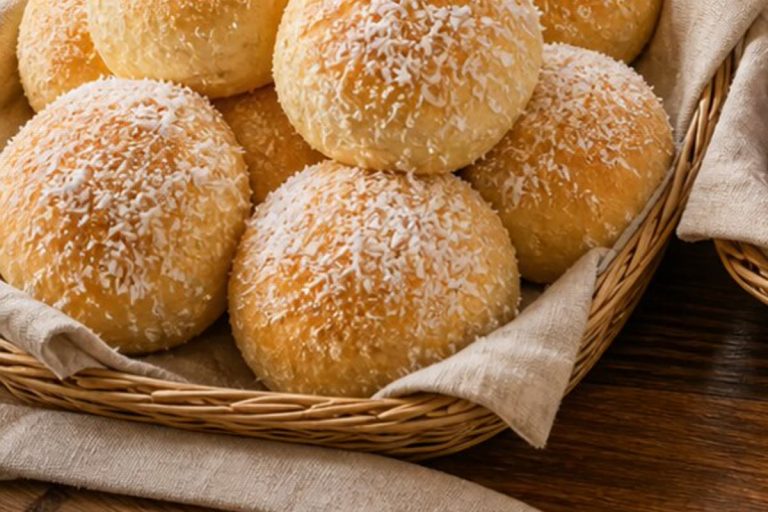
- Coconut: use coconut milk and add 1/2 cup desiccated coconut
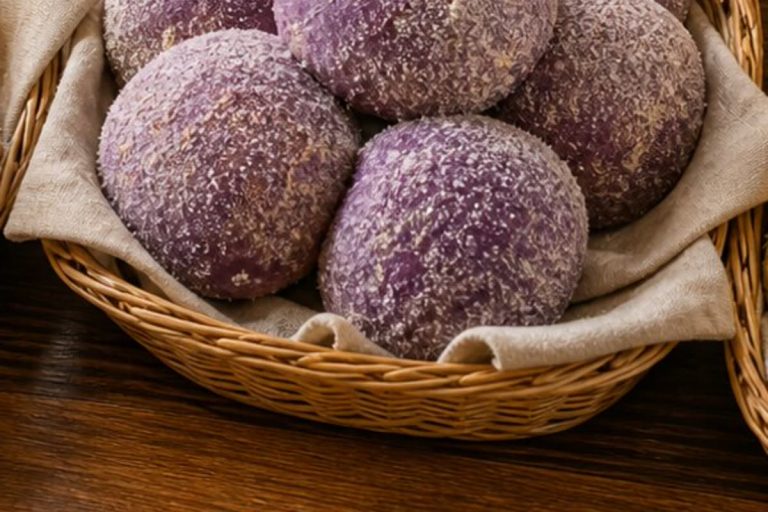
- Ube: add 1/2 cup ube halaya and 1 teaspoon ube extract
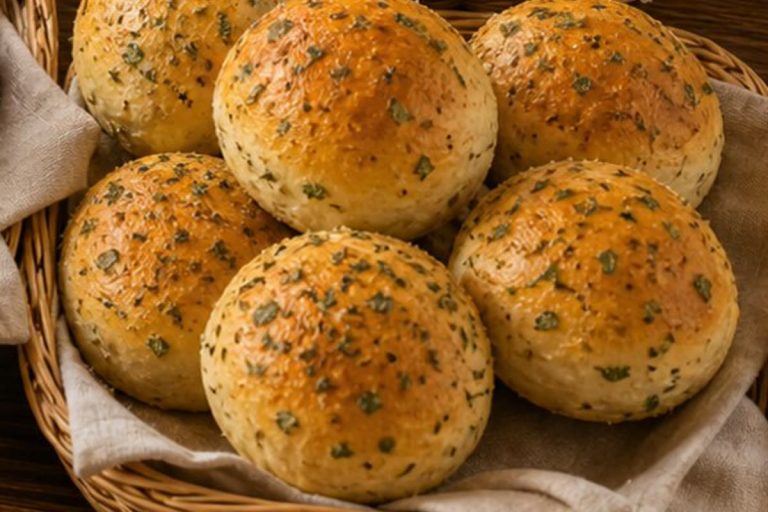
- Garlic: add 3 minced garlic cloves and 2 tablespoons parsley
Variation Paths
- Classic
- Whole Wheat
- Cheese
- Coconut
- Ube
- Garlic
Instructions
- Mix flour, yeast, sugar, and salt in a large bowl.
- Add warm milk, egg, and softened butter, then mix into a soft dough.
- Knead until smooth and elastic, adding flour only if the dough is unworkably sticky.
- Let rise until doubled.
- Knead in the chosen variation add-in, keeping the dough soft.
- Divide into 18 pieces, shape into rolls, and coat with breadcrumbs.
- Proof until puffy and light.
- Bake at 350 F until golden and cooked through.
Nutrition Estimate
Approximate values per roll based on the listed ingredients and yield. Actual nutrition will vary by brand, exact portion size, and cooking changes.
Tips For The Best Pandesal Variations
- Use warm milk: Milk should feel warm, not hot, so the yeast stays active.
- Do not overload ube: Too much halaya makes the rolls dense.
- Proof fully: Underproofed rolls bake tight.
- Serve warm: Pandesal is best while fresh and soft.
How To Serve And Store
Serve warm with coffee, butter, cheese, eggs, or leftover ulam. Store covered at room temperature for 1 day or freeze for longer storage.
Common Questions
Can I use all-purpose flour only?
Yes. The rolls will be softer and less chewy.
Can I make the dough overnight?
Yes. Chill after shaping, then proof before baking.
Can I freeze pandesal?
Yes. Freeze baked rolls and reheat wrapped in foil.
Can I fill these?
Yes. Use cheese cubes, ube halaya, or coconut filling, sealing tightly.
Cook's note: Taste as you go and adjust sweetness, salt, texture, and finishing time for your ingredients.
Recipe developed as an original Filipino-American Cooking recipe for home kitchens.