Sapin-Sapin: Layered Filipino Coconut Sticky Rice Cake
 Recipe Guy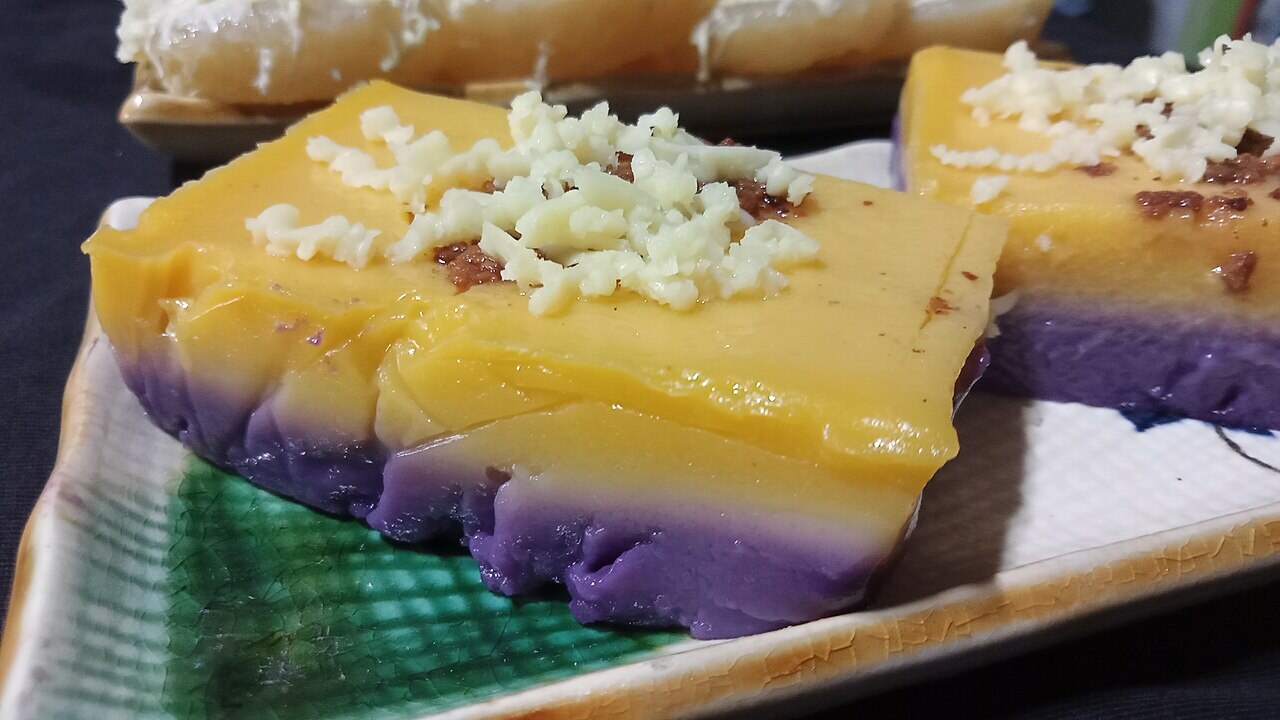
Filipino kakanin | Layered rice cake | Coconut and ube
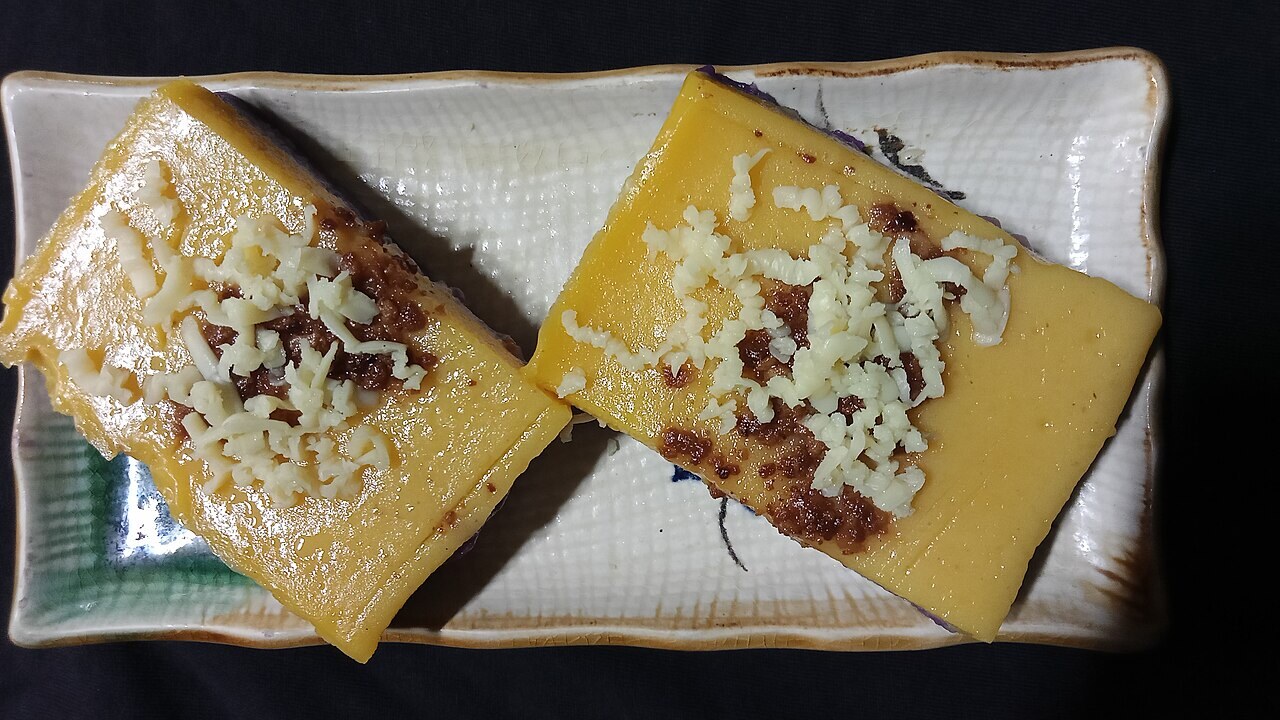
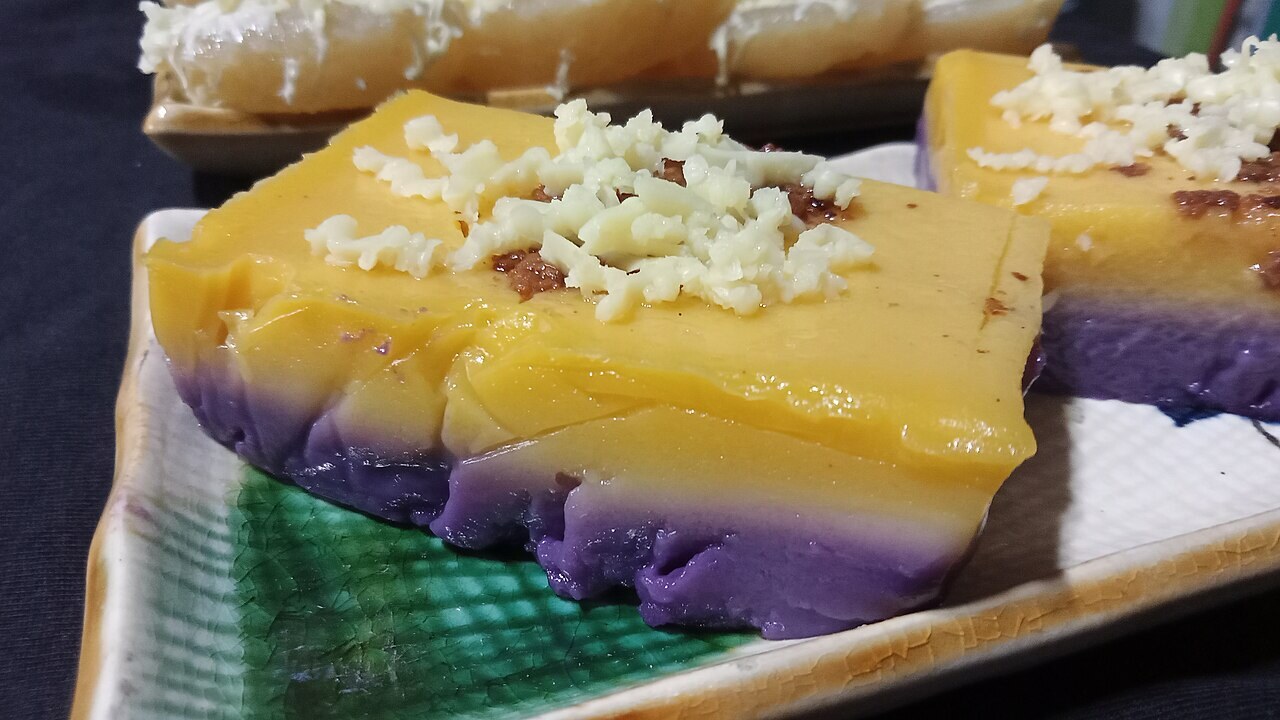
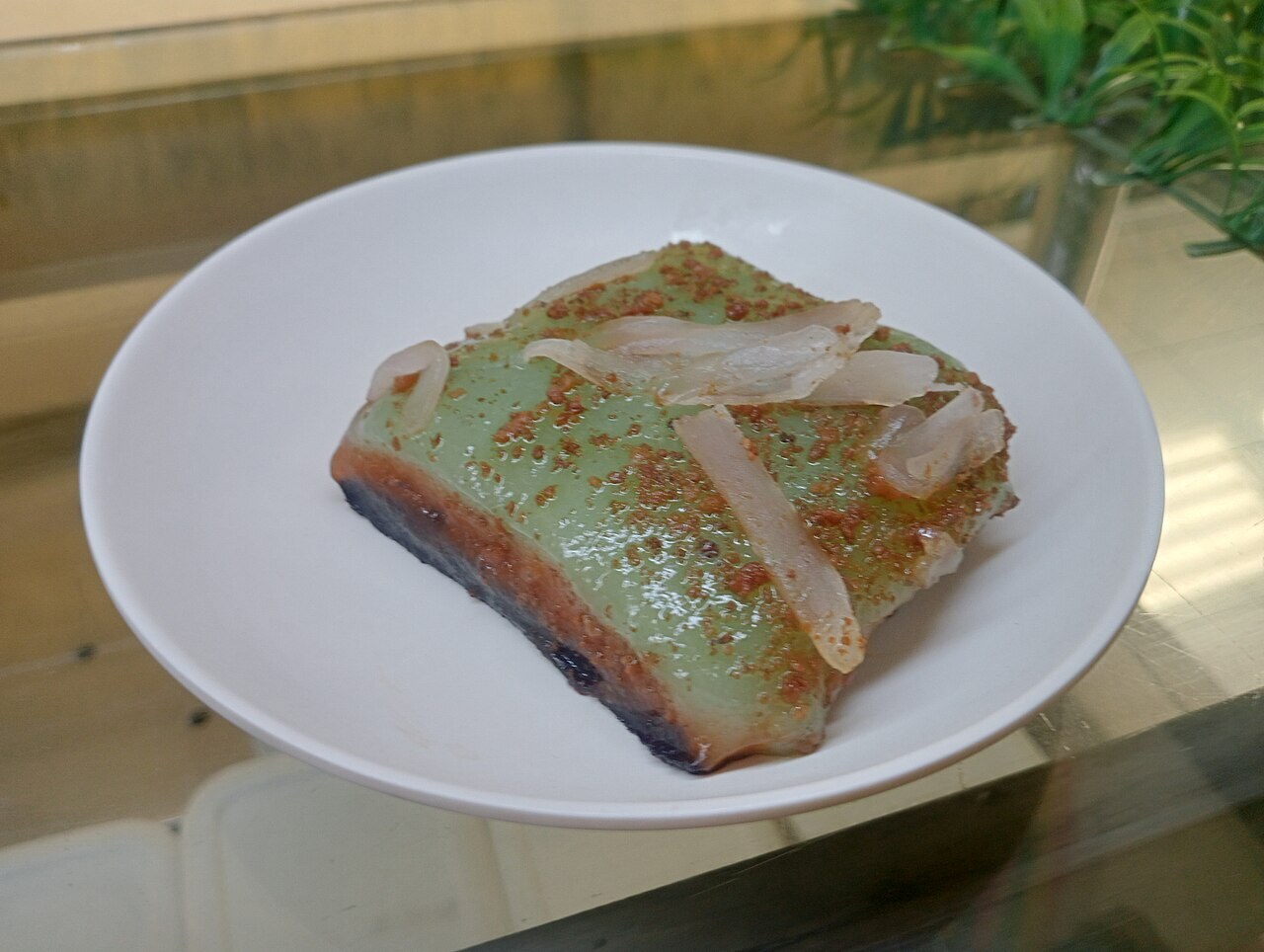
Sapin-sapin is colorful, chewy, coconut-rich, and made for slicing into layers that look as festive as they taste.
Why make it: This version uses glutinous rice flour, canned coconut milk, and simple flavor layers so the dessert is doable without specialty steaming molds.
Fresh From the Kitchen
About This Recipe
Sapin-sapin is a Filipino layered sticky rice cake made with glutinous rice flour, coconut milk, sugar, and flavorings such as ube, jackfruit, or plain coconut.
Why You Will Love It
- Practical for U.S. kitchens: the recipe uses ingredients and substitutions a home cook can realistically shop for.
- Built for the table: the serving notes match how the dish usually lands in Filipino-American homes, from weeknights to merienda to parties.
- Flexible without erasing the dish: swaps are named clearly so the original idea stays visible.
- Easy to cook through: the shopping list, timings, and storage notes make the recipe straightforward to test and adjust.
Ingredient Notes
For the layers
Each layer should be pourable but not watery. Stir the batter before pouring because rice flour settles.
For the topping
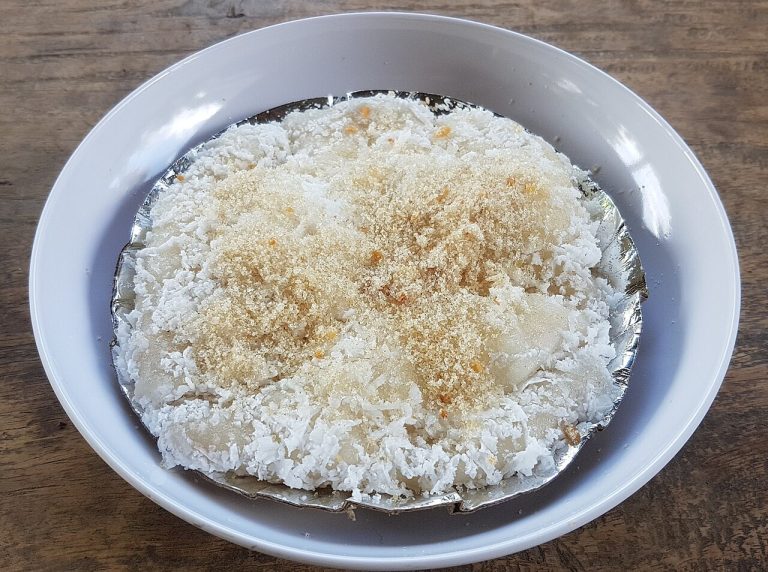
Latik is classic, but toasted coconut is a practical finish when you do not want to cook coconut curds.
Sapin-Sapin Recipe
This version uses glutinous rice flour, canned coconut milk, and simple flavor layers so the dessert is doable without specialty steaming molds.
Shopping List
- glutinous rice flour
- rice flour
- coconut milk
- condensed milk
- sugar
- ube halaya or ube extract
- jackfruit or langka flavor
- annatto optional
- latik or toasted coconut
- banana leaves optional
Ingredients
Base Batter
- 2 cups glutinous rice flour
- 1/2 cup rice flour
- 2 cans coconut milk
- 1 can condensed milk
- 1/2 cup sugar
- 1/4 teaspoon salt
Flavor Layers
- 1/2 cup ube halaya or 1 teaspoon ube extract
- 1/2 teaspoon langka extract or 1/3 cup minced jackfruit
- Pinch annatto powder, optional
For Pan and Topping
- Banana leaves or oil for lining
- Latik or toasted coconut
- Extra coconut oil for brushing
Instructions
- Whisk the base batter until smooth, then divide it into three bowls.
- Flavor one bowl with ube, one with jackfruit or annatto, and leave one coconut-white.
- Line or grease a steaming pan and heat the steamer.
- Pour in the first layer and steam until set before adding the next layer.
- Repeat with the remaining layers, stirring each batter before pouring.
- Steam until the full cake is firm and glossy.
- Cool completely, brush lightly with coconut oil, and top with latik before slicing.
Nutrition Estimate
Approximate values per square based on the listed ingredients and yield. Actual nutrition will vary by brand, exact portion size, and cooking changes.
Tips For The Best Sapin-Sapin
- Steam in layers: Do not rush the next pour or the colors will blend.
- Stir before pouring: Rice flour settles quickly.
- Cool fully: Warm sapin-sapin sticks to the knife.
- Oil the knife: A lightly oiled blade makes cleaner slices.
How To Serve And Store
Serve at room temperature for merienda, holidays, or party dessert trays. Refrigerate covered and bring close to room temperature before serving.
Common Questions
Can I skip food coloring?
Yes. Use ube and annatto lightly, or keep the layers natural.
Can I use only glutinous rice flour?
Yes, but a little rice flour helps the cake set with a cleaner bite.
What is latik?
For this dessert, latik usually means toasted coconut curds sprinkled on top.
Can I make sapin-sapin ahead?
Yes. It slices best after cooling completely and can be made a day ahead.
Which sapin-sapin layer do you look for first: ube, jackfruit, or plain coconut? Share your family version or testing notes in the comments.
Recipe inspiration and technique reference: Filipino dessert and bakery source research from Panlasang Pinoy, Kawaling Pinoy, The Dusky Kitchen, and Filipino-American dessert sources in the site roadmap.