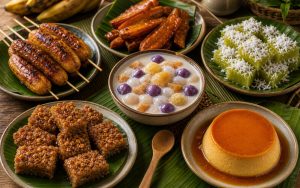
Kutsinta: Chewy Filipino Steamed Rice Cakes with Coconut
 Recipe Guy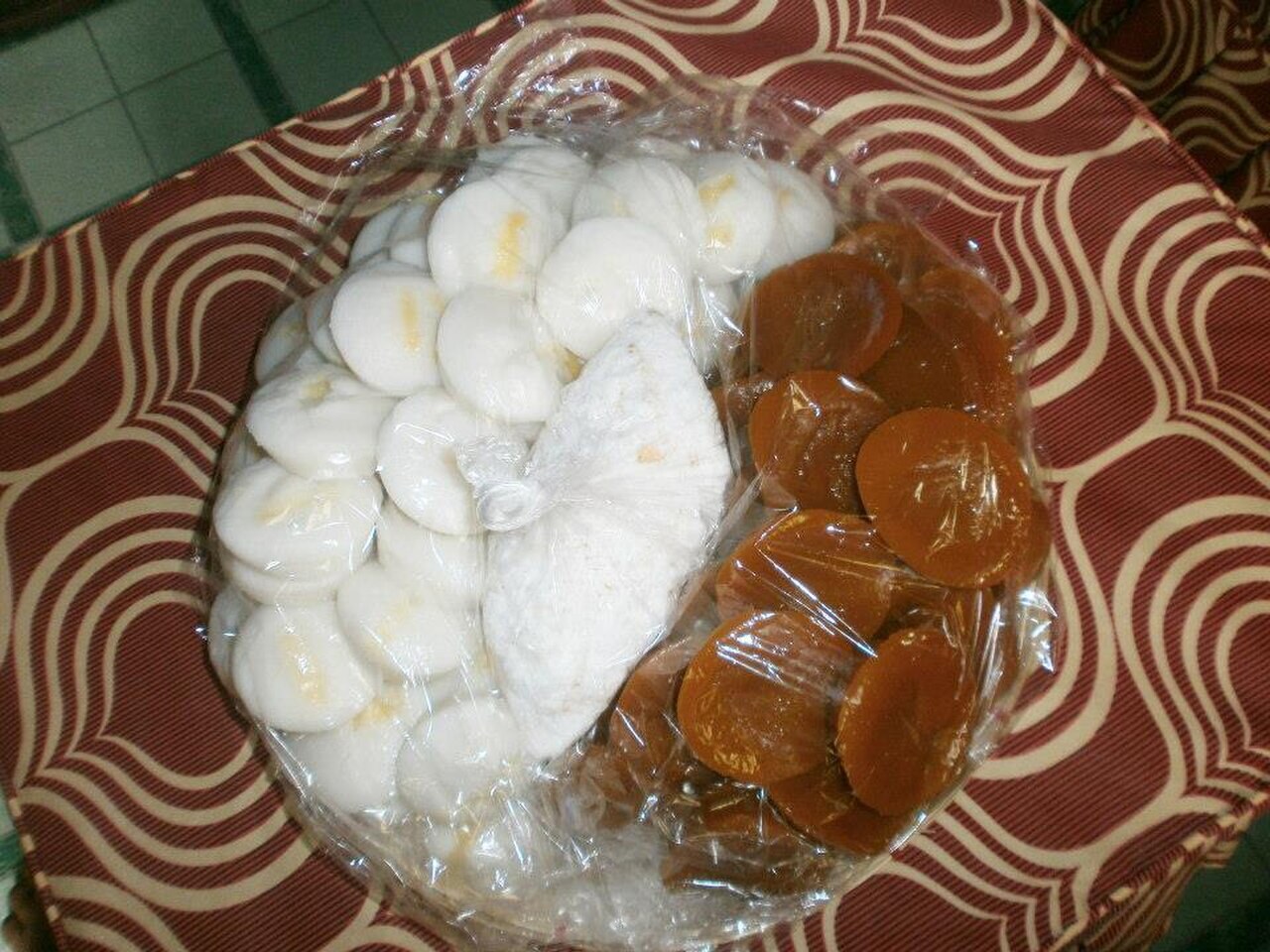
Filipino kakanin | Chewy rice cakes | Grated coconut
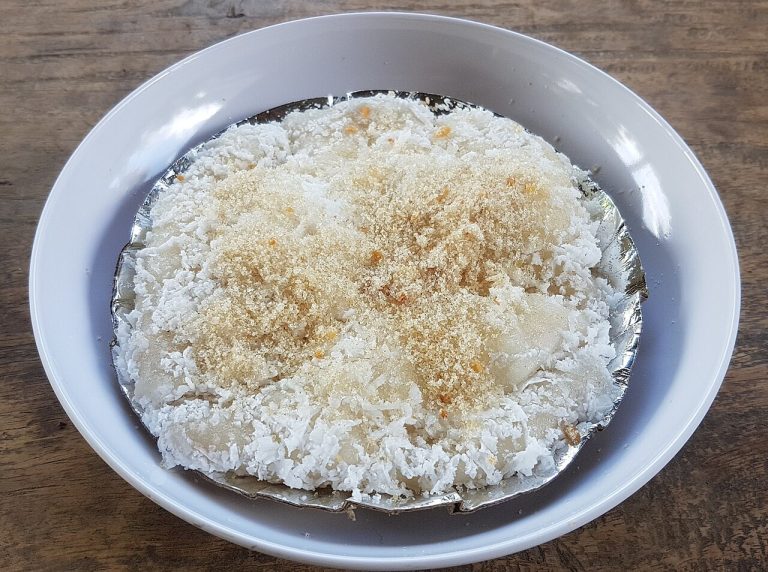
Kutsinta is soft, chewy, lightly sweet, and made for a snowfall of grated coconut on top.
Why make it: This version uses rice flour, tapioca starch, annatto color, and common small molds for a practical home steamer setup.
Fresh From the Kitchen
About This Recipe
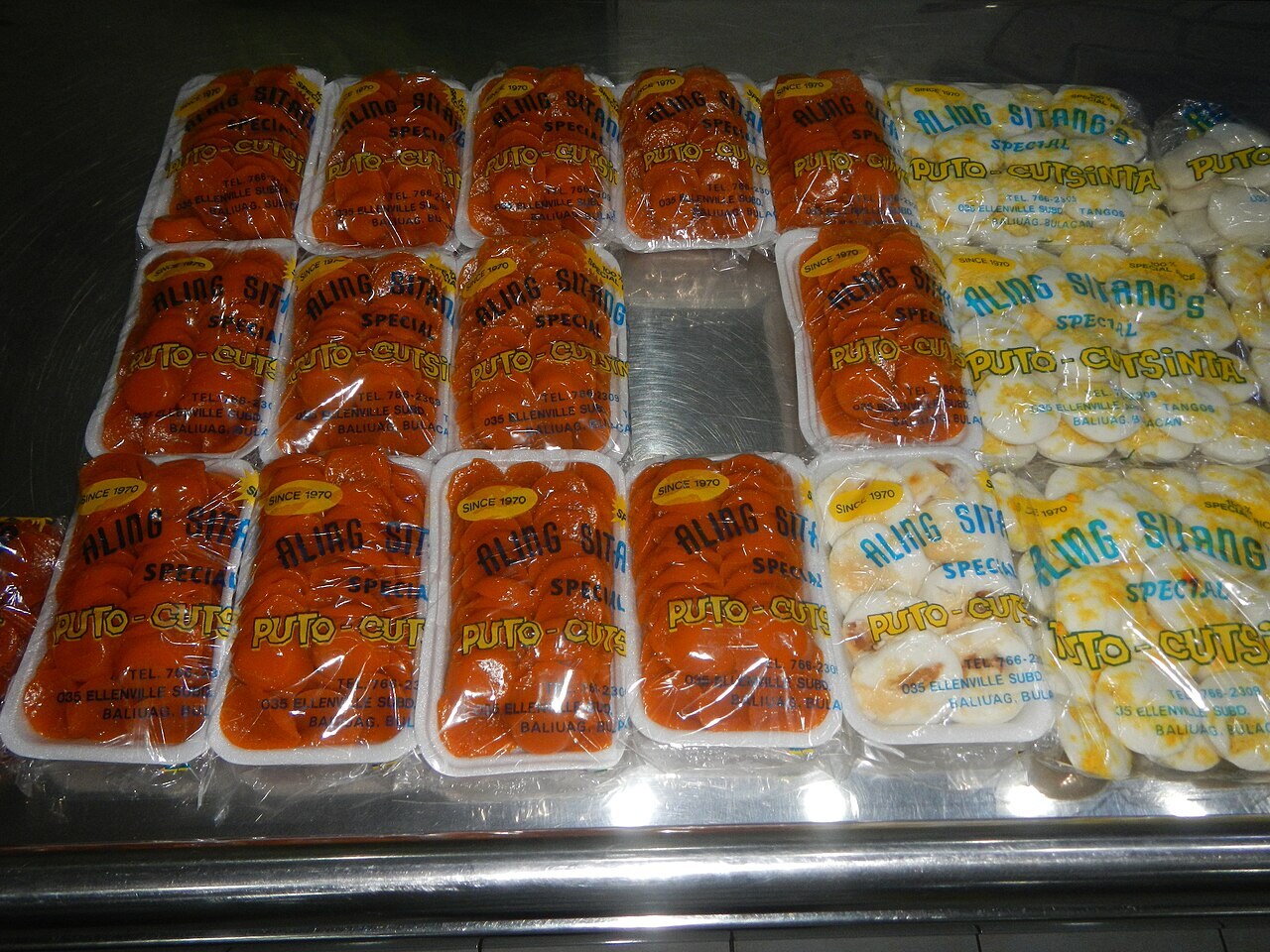
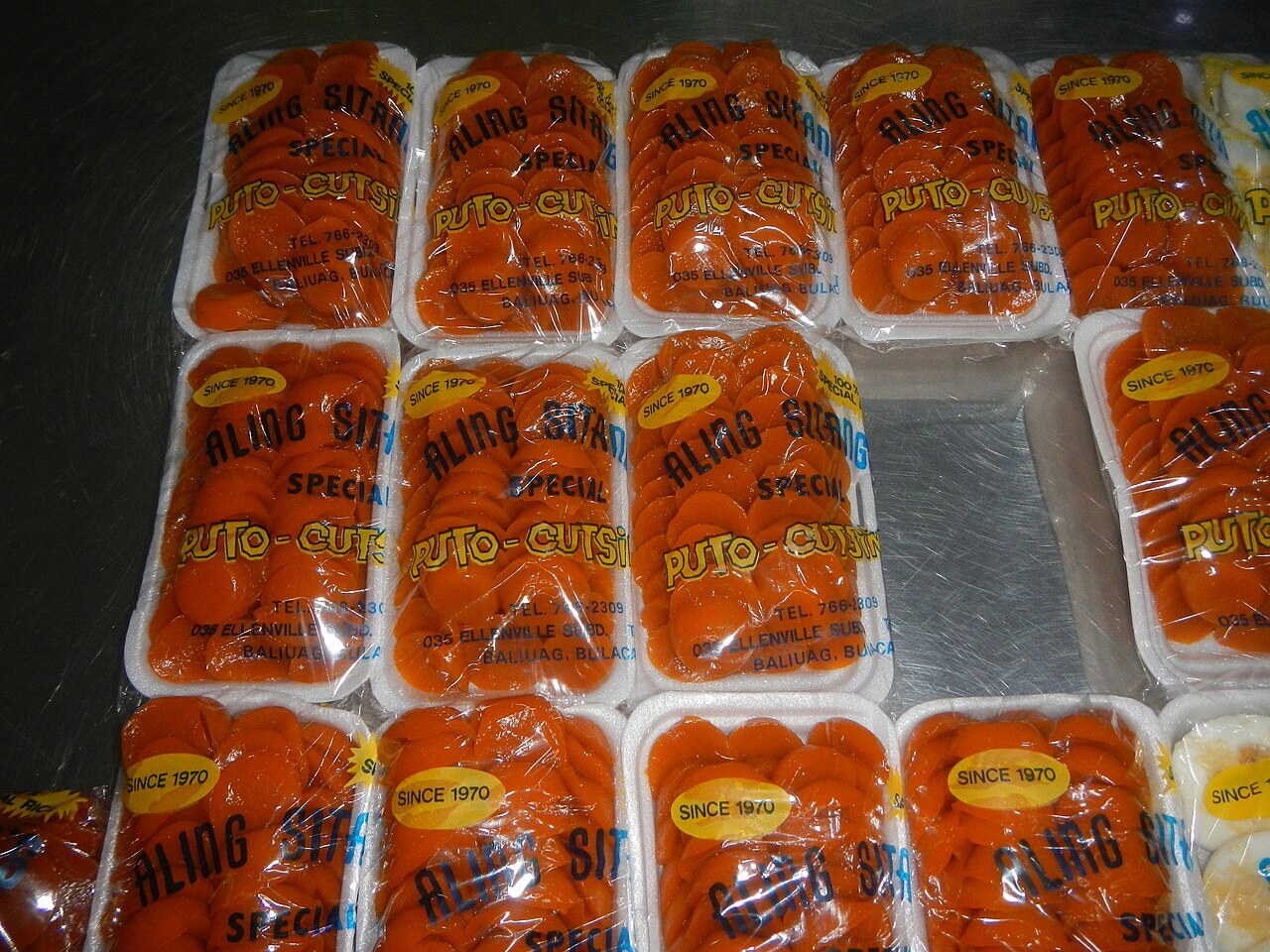
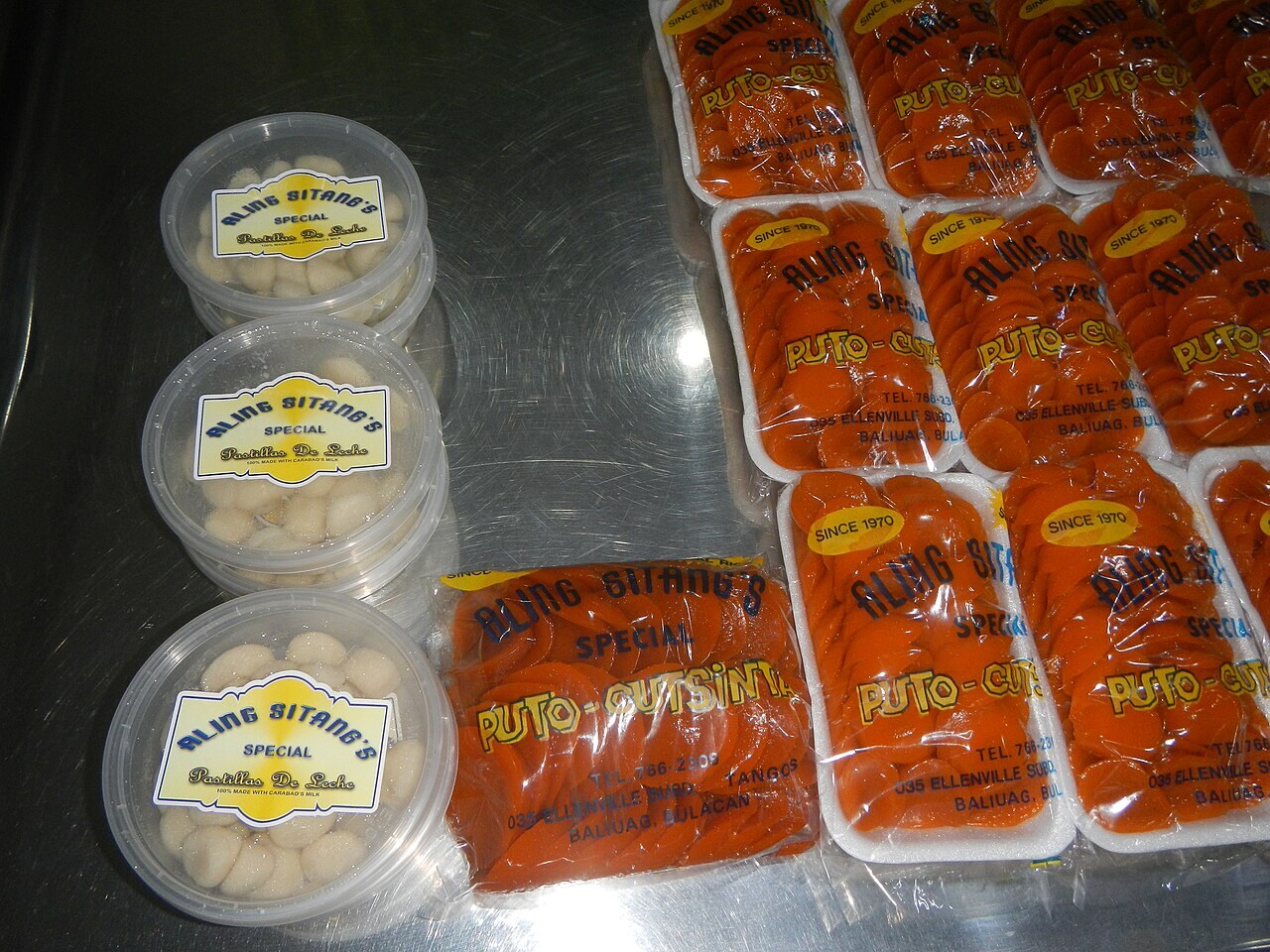
Kutsinta are Filipino steamed rice cakes with a springy, chewy texture, usually tinted amber-orange and served with grated coconut.
Why You Will Love It
- Practical for U.S. kitchens: the recipe uses ingredients and substitutions a home cook can realistically shop for.
- Built for the table: the serving notes match how the dish usually lands in Filipino-American homes, from weeknights to merienda to parties.
- Flexible without erasing the dish: swaps are named clearly so the original idea stays visible.
- Easy to cook through: the shopping list, timings, and storage notes make the recipe straightforward to test and adjust.
Ingredient Notes
For the texture
Tapioca starch gives kutsinta its bounce. Rice flour alone will not create the same chew.
For lye water
Use food-grade lye water and measure carefully. A little helps the color and texture; too much tastes harsh.
Kutsinta Recipe
This version uses rice flour, tapioca starch, annatto color, and common small molds for a practical home steamer setup.
Shopping List
- rice flour
- tapioca starch
- brown sugar
- annatto powder
- lye water
- grated coconut
- neutral oil
- small molds
Ingredients
Batter
- 1 cup rice flour
- 1/2 cup tapioca starch
- 3/4 cup brown sugar
- 1 1/2 cups water
- 1 teaspoon annatto powder dissolved in 1 tablespoon water
- 1 teaspoon food-grade lye water
Molds
- Neutral oil for greasing
- 18 small kutsinta or silicone molds
For Serving
- 1 1/2 cups grated fresh or frozen coconut
- Pinch of salt for coconut, optional
Instructions
- Whisk rice flour, tapioca starch, brown sugar, water, annatto, and lye water until smooth.
- Strain the batter for a finer texture.
- Grease small molds lightly and arrange them in a steamer.
- Stir the batter again, then fill molds about three-quarters full.
- Steam over steady heat until set, glossy, and springy.
- Cool until easy to handle, then unmold with a small spatula.
- Top with grated coconut before serving.
Nutrition Estimate
Approximate values per piece based on the listed ingredients and yield. Actual nutrition will vary by brand, exact portion size, and cooking changes.
Tips For The Best Kutsinta
- Measure lye water: Too much can give an unpleasant alkaline taste.
- Strain the batter: This removes small flour lumps.
- Cover the lid: A towel under the steamer lid keeps water from dripping onto the cakes.
- Stir between batches: Starch settles at the bottom of the bowl.
How To Serve And Store
Serve room temperature with grated coconut for merienda. Store covered in the refrigerator and steam briefly to soften leftovers.
Common Questions
Can I make kutsinta without lye water?
You can, but the texture and color will be different.
Can I use desiccated coconut?
Fresh or frozen grated coconut is better, but rehydrated unsweetened coconut can work in a pinch.
Why is my kutsinta too soft?
It may need more steaming time or the batter may have been under-measured on starch.
Can I use silicone molds?
Yes. Lightly oil them for easier unmolding.
Do you like kutsinta with lots of coconut or just a little on top? Share your family version or testing notes in the comments.
Recipe inspiration and technique reference: Filipino dessert and bakery source research from Panlasang Pinoy, Kawaling Pinoy, The Dusky Kitchen, and Filipino-American dessert sources in the site roadmap.