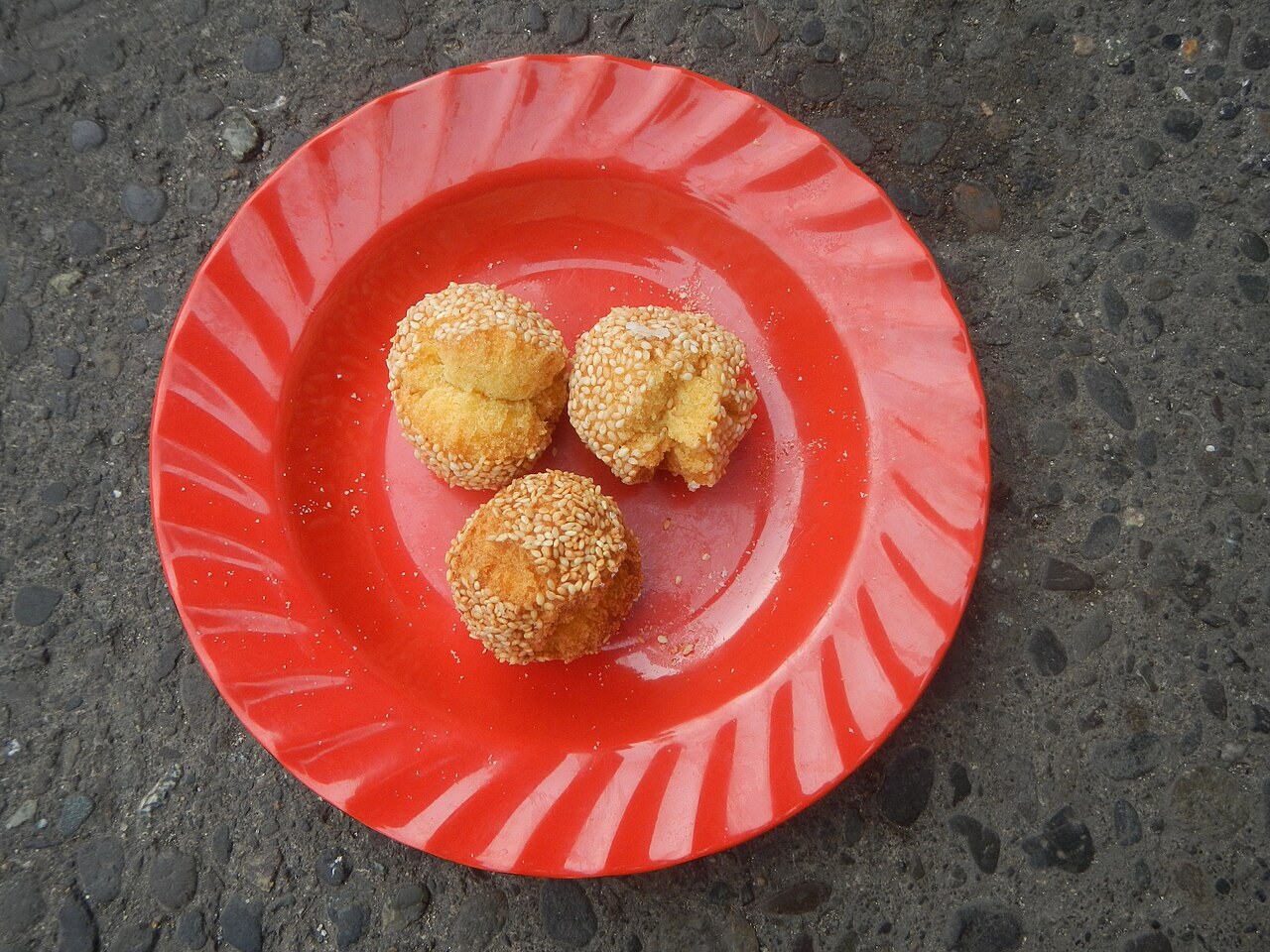
Binangkal: Sesame-Coated Filipino Fried Dough Balls
 Recipe Guy
Filipino merienda | Sesame fried dough | Coffee snack
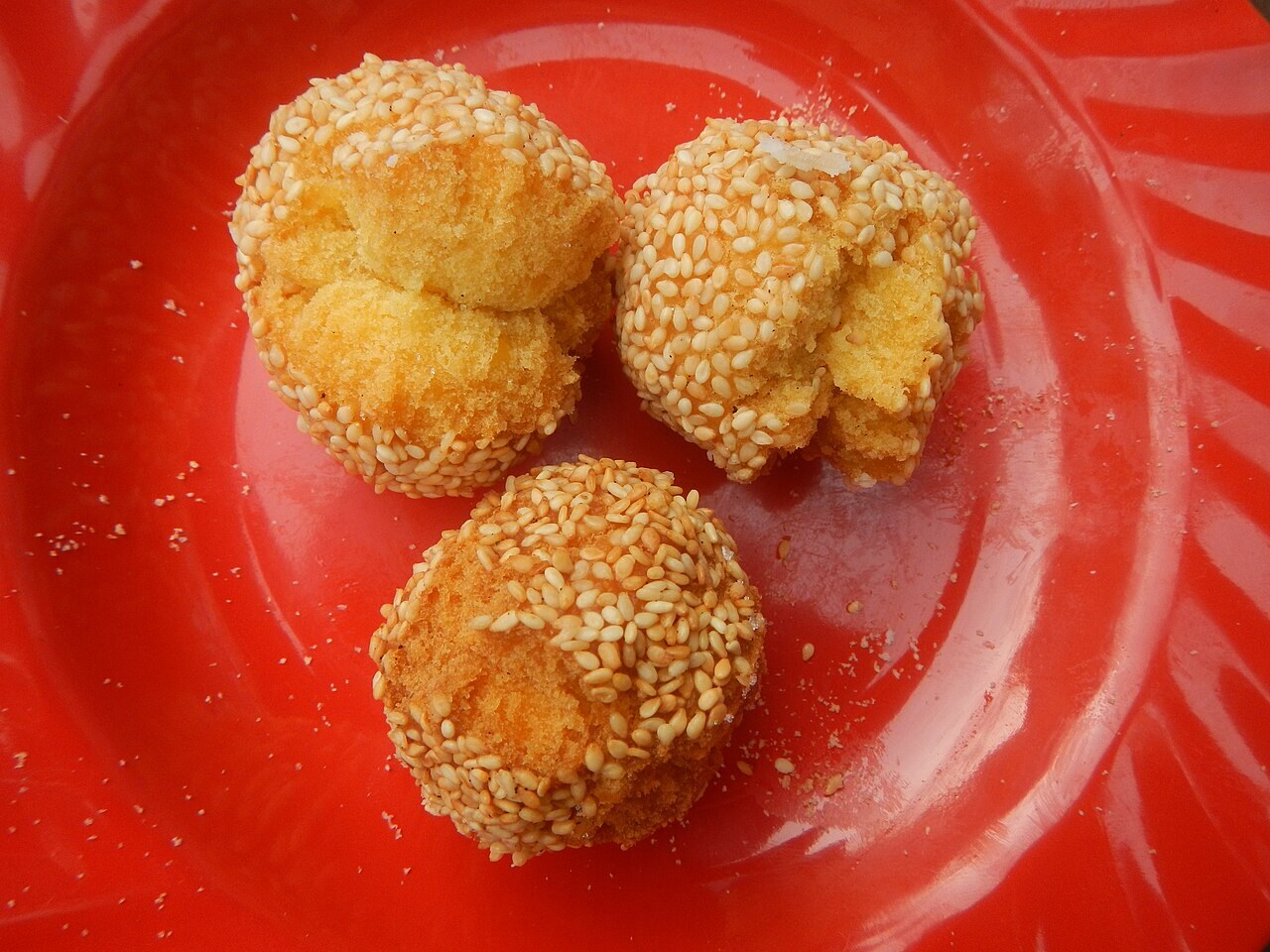
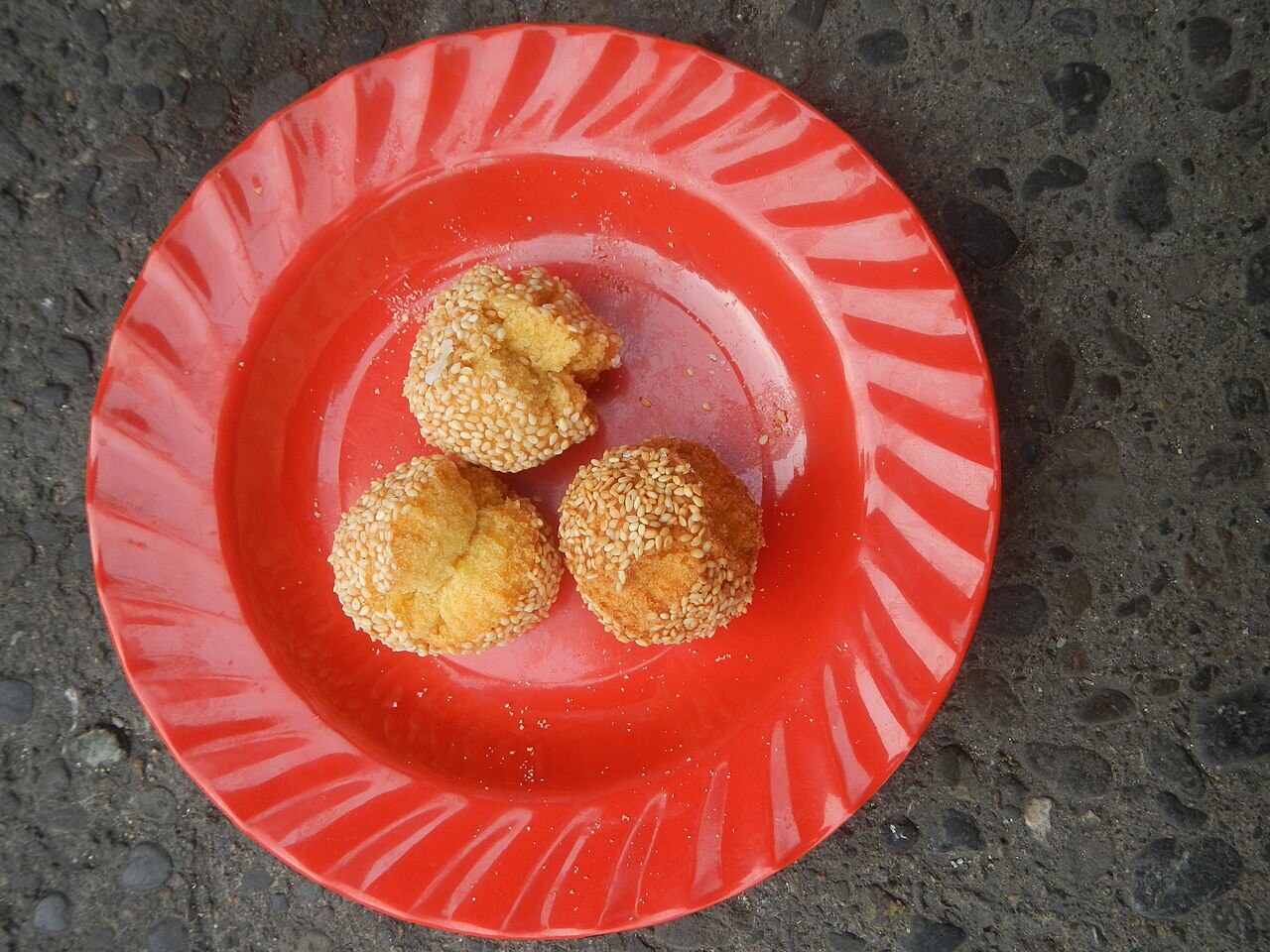
A sesame coating gives binangkal its nutty crunch, but the center deserves equal attention. Small dough balls and moderate frying heat let the inside cook while the seeds turn golden, making a lightly sweet snack that needs no filling or glaze.
Why make it: This version gives dough texture and frying-temperature cues so the outside browns while the center cooks through.
Fresh From the Kitchen
About This Recipe
This dough uses baking powder rather than yeast, so its short rest is not a rise. Mix the wet and dry ingredients into a soft dough, leave it for the stated fifteen minutes, then shape pieces of similar size. That consistency matters more than making every ball perfectly round.
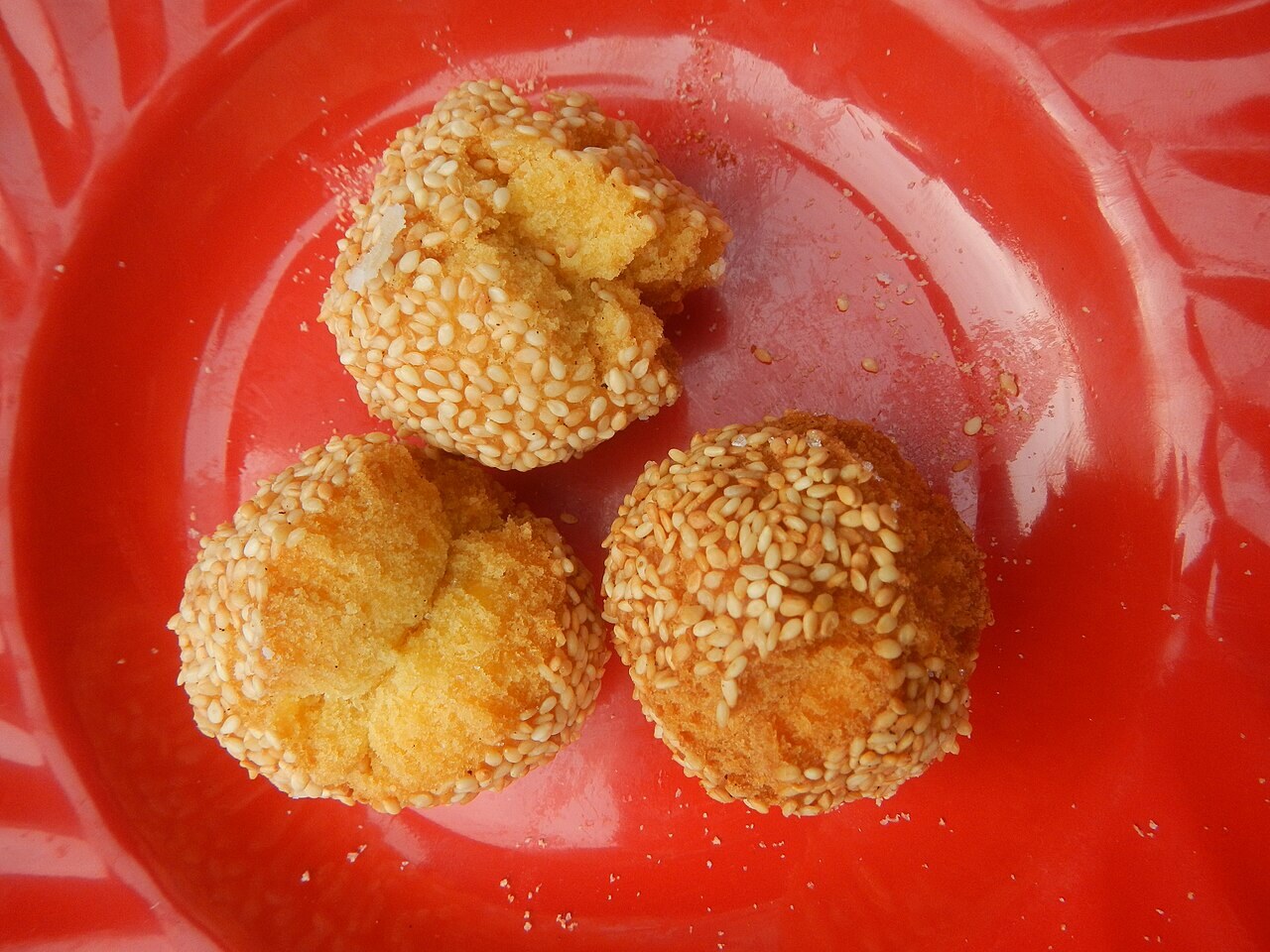
Sesame seeds cover the outside generously and provide a clear visual cue as they color. Turn the balls often, and do not rush by raising the oil temperature. Let them cool slightly on a rack before serving.
Cooking Notes
- Use the listed water or milk to dampen your hands lightly when shaping. A slightly moist surface helps sesame seeds adhere without wetting the dough into a sticky paste.
- Monitor the oil around the stated 325 F as batches go in and come out. Allow it to recover between batches instead of adding more dough to increasingly cool oil.
Ingredient Notes
For the dough
The dough should be soft but not sticky. A short rest makes it easier to roll.
For frying
Moderate oil temperature matters because the sesame coating browns before the center is done if the oil is too hot.
Binangkal Recipe
This version gives dough texture and frying-temperature cues so the outside browns while the center cooks through.
Shopping List
- all-purpose flour
- baking powder
- sugar
- eggs
- milk
- butter
- sesame seeds
- salt
- neutral oil
- vanilla optional
Ingredients
Dough
- 2 1/2 cups all-purpose flour
- 2 teaspoons baking powder
- 1/2 cup sugar
- 1/2 teaspoon salt
- 2 eggs
- 1/2 cup milk
- 3 tablespoons melted butter
- 1 teaspoon vanilla, optional
Coating
- 3/4 cup sesame seeds
- 2 tablespoons water or milk for dampening hands
Frying
- Neutral oil for deep frying
- Paper towels or a wire rack
- Extra sugar, optional
Instructions
- Whisk flour, baking powder, sugar, and salt in a bowl.
- Whisk eggs, milk, melted butter, and vanilla in another bowl.
- Combine wet and dry ingredients into a soft dough.
- Rest the dough for 15 minutes.
- Roll into small balls and coat each one generously in sesame seeds.
- Heat oil to about 325 F.
- Fry in batches, turning often, until deep golden and cooked through.
- Drain on a rack and cool slightly before serving.
Nutrition Estimate
Approximate values per piece based on the listed ingredients and yield. Actual nutrition will vary by brand, exact portion size, and cooking changes.
Tips For The Best Binangkal
- Keep pieces small: Large dough balls brown outside before the middle cooks.
- Fry at moderate heat: Sesame seeds darken quickly in hot oil.
- Turn often: Rolling the balls around gives even color.
- Rest the dough: Resting hydrates the flour and makes shaping easier.
How To Serve And Store
Serve warm or room temperature with coffee, tea, or hot chocolate. Store airtight for 2 days and refresh briefly in an oven or air fryer.
Common Questions
Can I bake binangkal?
It is traditionally fried; baking will make a different texture.
Can I use black sesame?
Yes, alone or mixed with white sesame for a different look.
Why is the center raw?
The oil was likely too hot or the balls were too large.
Can I make the dough ahead?
You can refrigerate it for a few hours, then bring it closer to room temperature before rolling.
Why are the sesame seeds dark before the binangkal centers cook?
The oil may be too hot or the dough balls too large. Keep the pieces small and return the oil to about 325 F, giving the centers time while you turn the balls for even color.
Does binangkal dough need to double before frying?
No. This is a baking-powder dough, not a yeast dough. Follow the fifteen-minute rest, then shape and coat it; waiting for a visible doubling is not part of this method.
Do you want binangkal plain, extra sesame-heavy, or lightly sugared after frying? Share your family version or testing notes in the comments.
Recipe inspiration and technique reference: Filipino dessert and bakery source research from Panlasang Pinoy, Kawaling Pinoy, The Dusky Kitchen, and Filipino-American dessert sources in the site roadmap.