Nilagang Baboy: Filipino Pork Soup with Cabbage and Saba
 Recipe Guy

Filipino pork soup | Clear broth | Family comfort
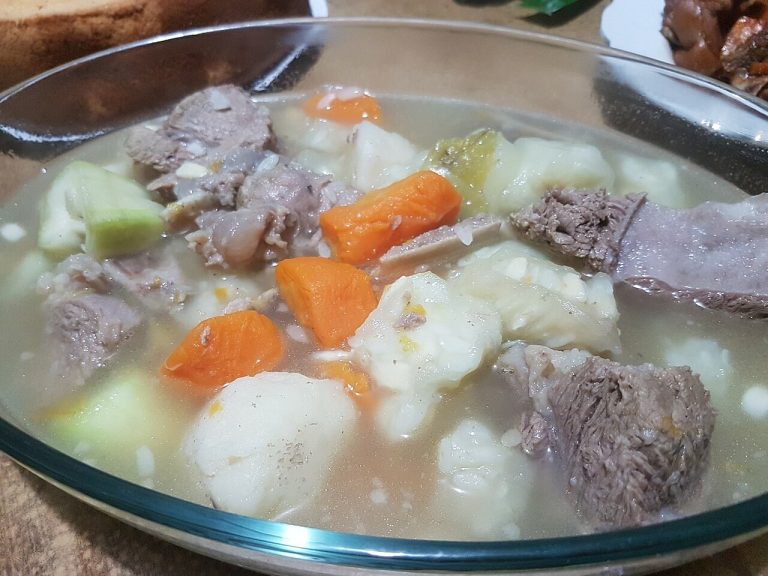
Pork ribs or shoulder give nilagang baboy its savory broth, while potatoes, cabbage, and pechay make it a full bowl. Optional saba adds a gentle sweetness; leave it out when you want the pork, peppercorns, and fish sauce to lead without that contrast.
Why make it: This version uses supermarket pork shoulder or ribs, plus optional saba, so the soup feels familiar even when specialty ingredients are limited.
Fresh From the Kitchen


About This Recipe
This soup is built by timing additions, not by loading everything into the pot together. First simmer the pork with onion and peppercorns until tender. Only then should the potatoes and optional saba go in, followed by the quicker vegetables.
Cabbage provides substantial wedges, while pechay or bok choy gives a softer leafy finish. Fish sauce with calamansi belongs alongside the rice, where a small dip can season the pork more sharply without changing the whole pot of broth.
Cooking Notes
- Skim the foam when the pork first comes to a boil, before adding onion and peppercorns. The surface is easier to clear while there are fewer ingredients floating in the way.
- Keep the cabbage wedges and leafy pechay separate during prep. They enter at different points, and having them in one bowl makes it too easy to add the delicate greens early.
Ingredient Notes
For the pork
Bone-in pork ribs make a flavorful broth. Shoulder works well if you want meatier pieces.
For the saba
Frozen saba from a Filipino market adds gentle sweetness. Leave it out if you prefer a strictly savory soup.
Nilagang Baboy Recipe
This version uses supermarket pork shoulder or ribs, plus optional saba, so the soup feels familiar even when specialty ingredients are limited.
Shopping List
- pork shoulder or pork ribs
- onion
- peppercorns
- fish sauce
- potatoes
- cabbage
- pechay or bok choy
- green beans
- saba banana optional
- rice
Ingredients
Broth
- 3 pounds pork ribs or pork shoulder, cut into large pieces
- 10 cups water
- 1 onion, quartered
- 1 teaspoon whole peppercorns
- 2 tablespoons fish sauce, plus more to taste
Vegetables
- 3 potatoes, quartered
- 2 saba bananas, halved, optional
- 2 cups green beans
- 1 small cabbage, cut into wedges
- 3 cups pechay or bok choy
For Serving
- Steamed rice
- Fish sauce with calamansi
- Ground black pepper
Instructions
- Cover pork with water and bring to a boil, then skim off any foam.
- Add onion, peppercorns, and fish sauce.
- Simmer gently until the pork is tender and the broth tastes savory.
- Add potatoes and optional saba and cook until almost tender.
- Add green beans and cabbage and simmer until just cooked.
- Fold in pechay or bok choy at the end.
- Taste the broth and adjust with fish sauce before serving.
Nutrition Estimate
Approximate values per serving based on the listed ingredients and yield. Actual nutrition will vary by brand, exact portion size, and cooking changes.
Tips For The Best Nilagang Baboy
- Skim early: Removing foam gives a cleaner broth.
- Keep it gentle: A steady simmer keeps the soup clear.
- Add vegetables in order: Potatoes and saba need more time than leafy greens.
- Use a dipping sauce: Fish sauce with calamansi lets everyone season their own pork.
How To Serve And Store
Serve hot with rice and dipping sauce. Refrigerate for up to 4 days; add fresh greens when reheating if you want a brighter bowl.
Common Questions
Can I use pork belly?
Yes, but the soup will be richer and oilier.
What can replace pechay?
Baby bok choy, napa cabbage, or spinach all work.
Can I pressure cook the pork?
Yes. Cook the pork first, then simmer the vegetables after.
Is saba required?
No. It adds sweetness, but nilaga is still comforting without it.
Does nilagang baboy need saba bananas?
No. Saba is optional and adds sweetness beside the pork and cabbage. Without it, keep the potatoes and the same sequence of vegetables; there is no need to replace it with another sweet ingredient.
How do I choose between ribs and pork shoulder?
Choose ribs when you want bone-in pieces in the bowl, or shoulder for larger bites of meat. Either needs to become tender before the vegetables go in, so do not use their cooking time interchangeably.
Does saba belong in nilagang baboy for you? Share your family version or testing notes in the comments.
Recipe inspiration and technique reference: Filipino home-cooking source research from Panlasang Pinoy, Kawaling Pinoy, and Filipino-American cooking sources in the site roadmap.