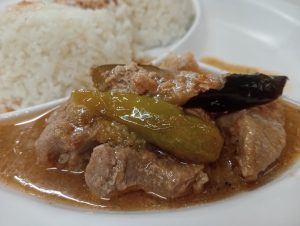
Ginataang Kalabasa at Sitaw: Squash and Long Beans in Coconut Milk
 Recipe Guy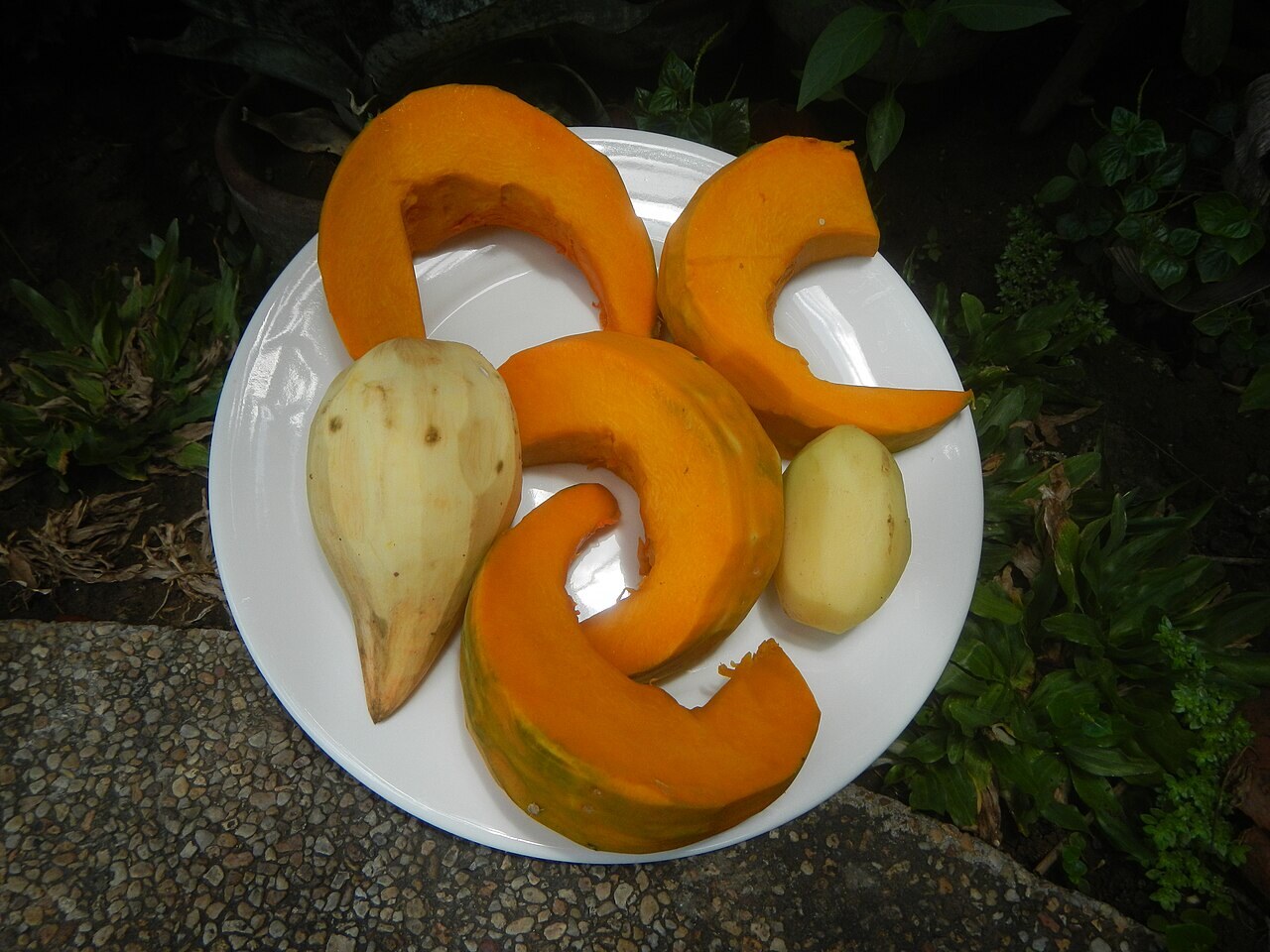
Filipino vegetables | Coconut milk | Squash and beans
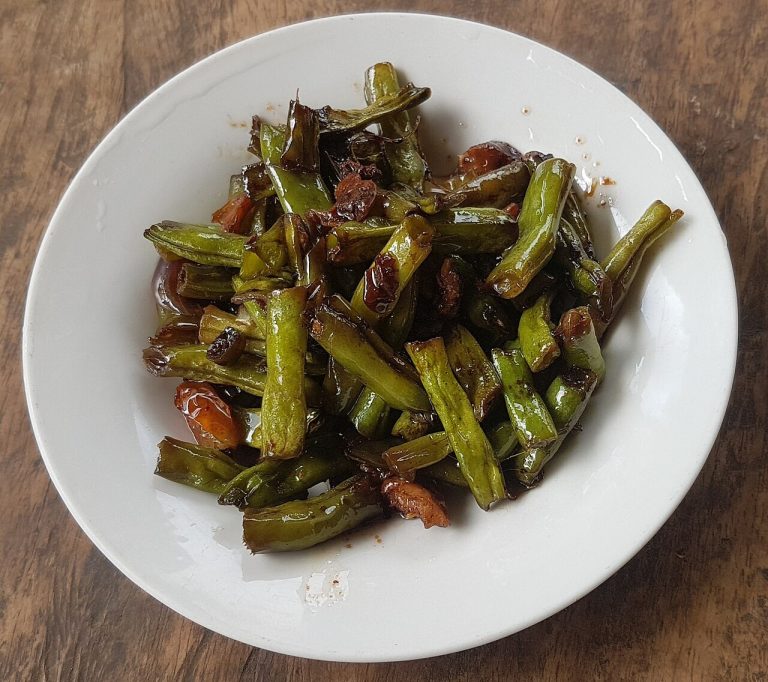
Ginataang kalabasa at sitaw is creamy, sweet-savory, and vegetable-forward, with squash and long beans simmered in coconut milk.
Why make it: This version keeps the vegetables distinct and includes shrimp or pork options for a flexible weeknight ulam.
Fresh From the Kitchen
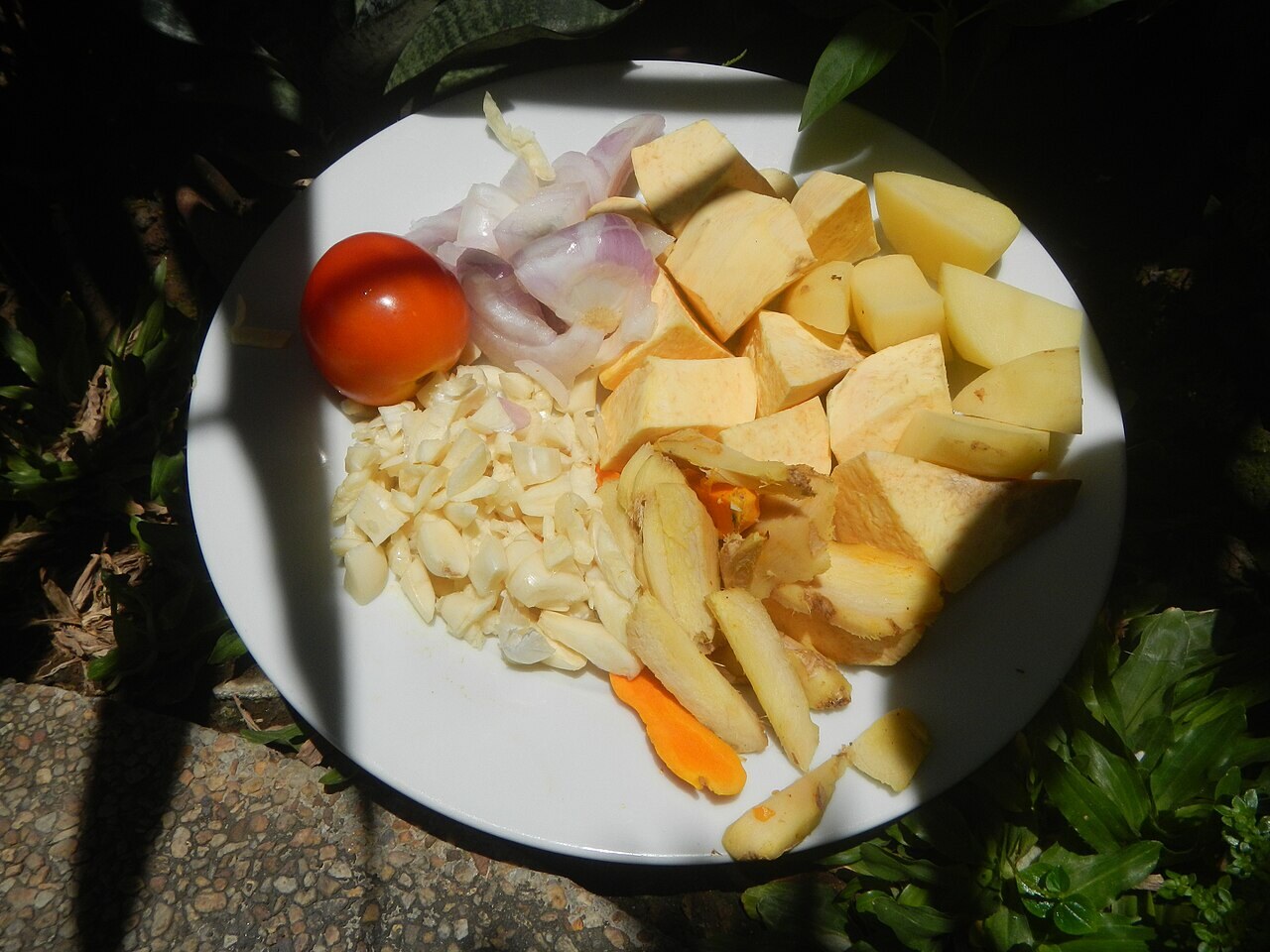
About This Recipe
Ginataang kalabasa at sitaw is a Filipino vegetable dish of squash and long beans cooked in coconut milk, often with shrimp, pork, or bagoong.
Why You Will Love It
- Practical for U.S. kitchens: the recipe uses ingredients and substitutions a home cook can realistically shop for.
- Built for the table: the serving notes match how the dish usually lands in Filipino-American homes, from weeknights to merienda to parties.
- Flexible without erasing the dish: swaps are named clearly so the original idea stays visible.
- Easy to cook through: the shopping list, timings, and storage notes make the recipe straightforward to test and adjust.
Ingredient Notes
For the main ingredient
Choose fresh, good-quality ingredients and cut them evenly so Ginataang Kalabasa at Sitaw cooks predictably.
For the sauce
Taste near the end; Filipino stews and braises should feel balanced with rice, not flat on their own.
Ginataang Kalabasa at Sitaw Recipe
This version keeps the vegetables distinct and includes shrimp or pork options for a flexible weeknight ulam.
Shopping List
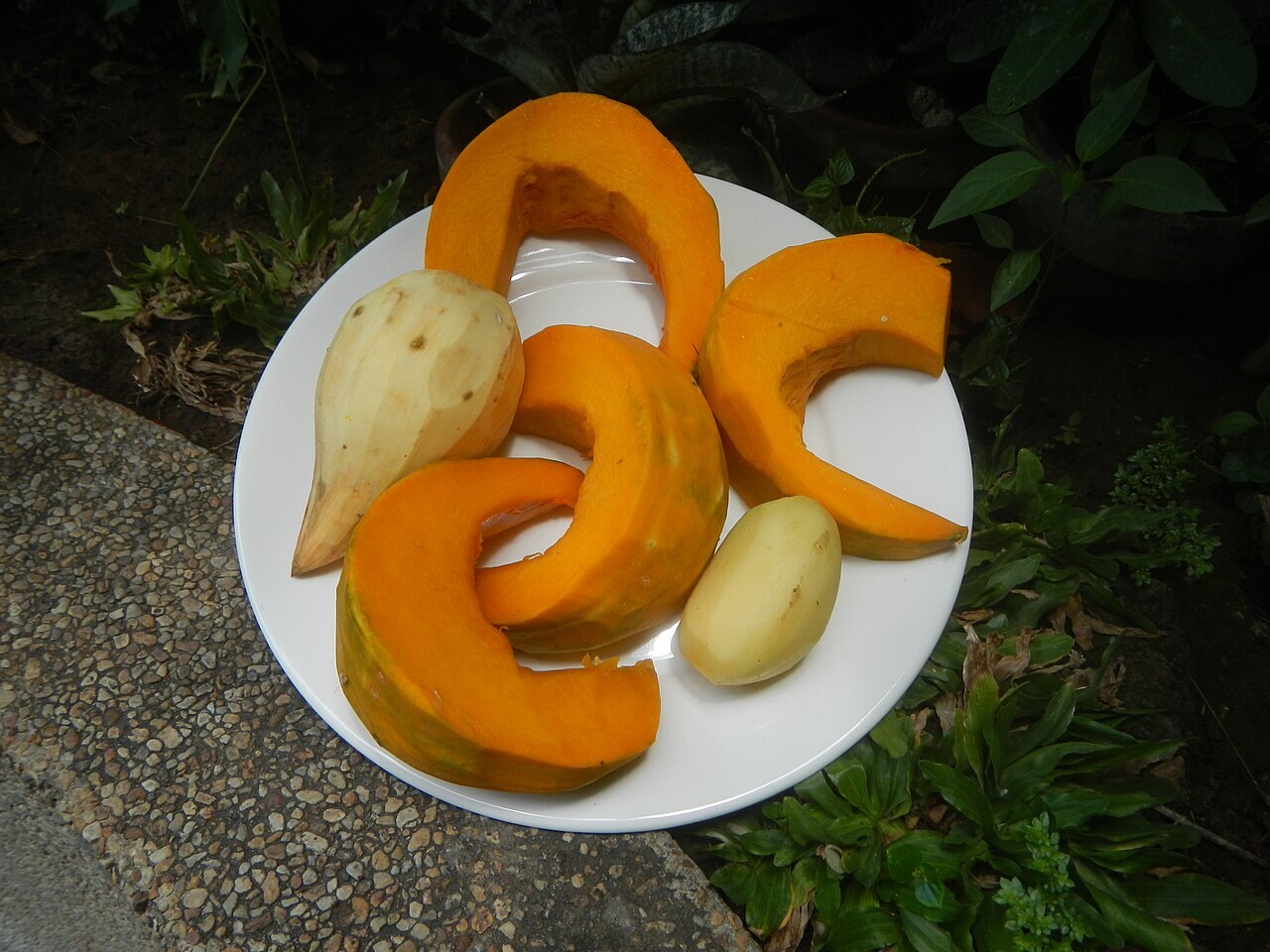
- kabocha or butternut squash
- yardlong beans
- coconut milk
- shrimp or pork optional
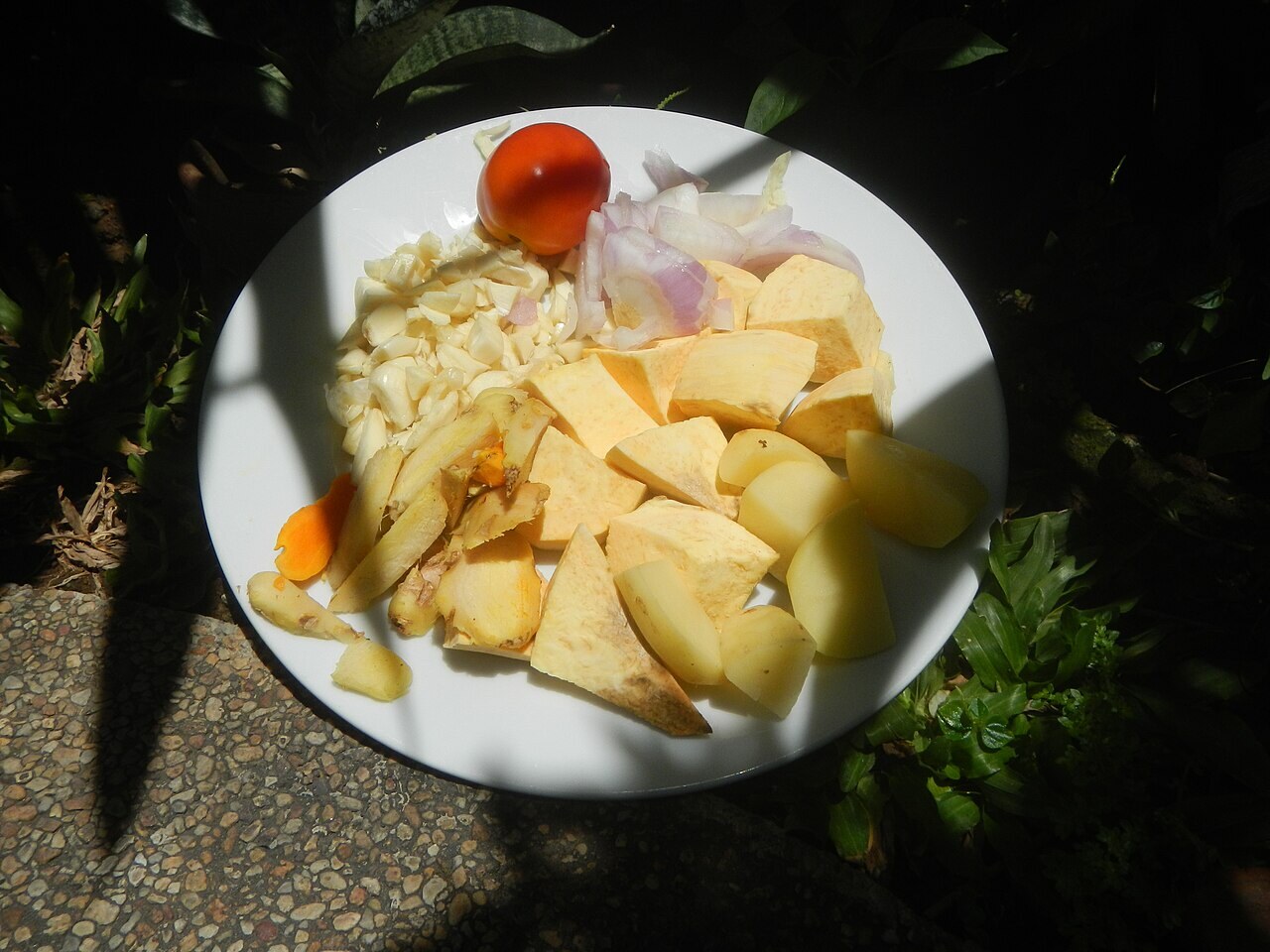
- garlic
- onion
- ginger
- fish sauce
- rice
Ingredients
Vegetables
- 1 1/2 pounds kabocha or butternut squash
- 1 pound yardlong beans or green beans
Sauce
- 1 tablespoon oil
- 1 onion
- 5 garlic cloves
- 1 tablespoon ginger
- 1 can coconut milk
- 1 cup water
Protein and Serving
- Shrimp or pork, optional
- Fish sauce
- Chiles
- Steamed rice
Instructions
- Prepare and season the main ingredients so they are ready before the pot gets hot.
- Cook the aromatics in oil until fragrant and lightly softened.
- Add the main protein or vegetables and cook long enough to build flavor.
- Pour in the sauce or broth ingredients and bring to a steady simmer.
- Cook until tender, adding vegetables in stages so each one keeps the right texture.
- Taste and adjust salt, acidity, sweetness, or heat before serving.
- Rest briefly, then serve hot with rice or the suggested sides.
Nutrition Estimate
Approximate values per serving based on the listed ingredients and yield. Actual nutrition will vary by brand, exact portion size, and cooking changes.
Tips For The Best Ginataang Kalabasa at Sitaw
- Build flavor early: Take time with aromatics before adding liquid.
- Add vegetables in stages: This keeps soft vegetables from dissolving.
- Taste with rice in mind: The sauce should be slightly bold because rice softens it.
- Rest before serving: A short rest helps the flavors settle.
How To Serve And Store
Serve hot with steamed rice and a simple vegetable side. Refrigerate leftovers in a covered container for up to 4 days and reheat gently.
Common Questions
Can I make Ginataang Kalabasa at Sitaw ahead?
Yes. Most Filipino stews and braises taste even better after resting overnight.
Can I use a different cut?
Usually yes, as long as you adjust the cooking time for tenderness.
Can I make it less salty?
Use low-sodium soy sauce or fish sauce sparingly, then adjust at the end.
Can I freeze it?
Saucy meat dishes freeze well; vegetable-heavy dishes are best eaten fresh or refrigerated.
What detail makes Ginataang Kalabasa at Sitaw taste like home for you? Share your family version or testing notes in the comments.
Recipe inspiration and technique reference: Filipino home-cooking source research from Panlasang Pinoy, Kawaling Pinoy, and Filipino-American cooking sources in the site roadmap.