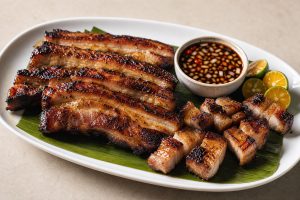
Homemade Chicken Tocino (Tosinong Manok)
 Recipe Guy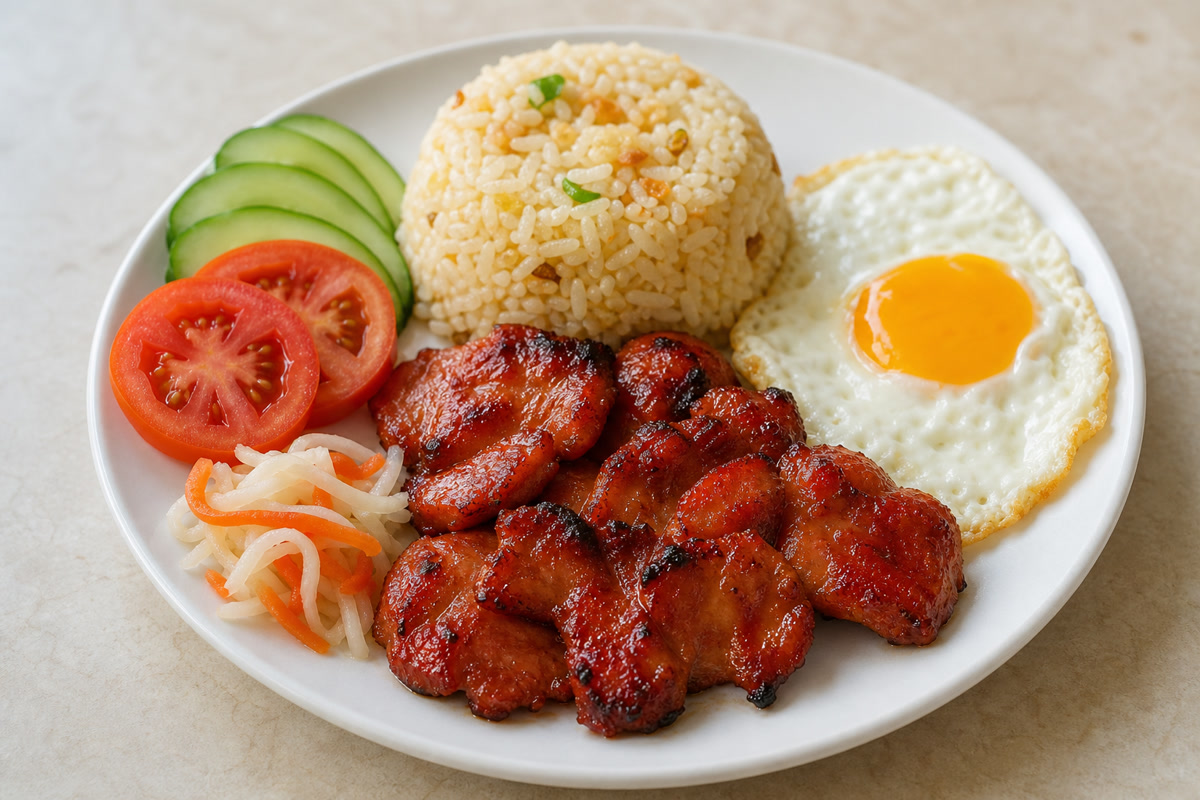
Filipino breakfast | Sweet-savory chicken | Skillet caramelized
Homemade chicken tocino pairs juicy boneless thighs with a pineapple, brown sugar, banana ketchup, soy, and garlic marinade, then caramelizes everything in one skillet without requiring red food coloring.
About This Recipe
Tosinong manok is chicken prepared in the sweet, salty, garlicky style of Filipino tocino, a breakfast favorite more commonly made with pork. This U.S.-kitchen version uses boneless chicken thighs and a refrigerator marinade rather than a measured nitrite cure. Pineapple juice and cane vinegar bring tang, brown sugar builds the characteristic sticky glaze, and banana ketchup contributes fruitiness and color. It is especially good as part of a silog plate with sinangag, or garlic fried rice, and itlog, or egg.
Ingredient Notes
Chicken thighs
Boneless, skinless thighs stay juicy while the sugary glaze caramelizes. Cut each thigh into two or three broad pieces and even out any very thick sections so the chicken finishes before the glaze burns.
Pineapple juice
Use canned or shelf-stable 100% pineapple juice, not pineapple packed in heavy syrup. It gives the marinade predictable acidity; fresh juice can soften the surface of the chicken too aggressively during a long marination.
Banana ketchup
Banana ketchup adds sweet-tangy Filipino flavor as well as color. The same amount of tomato ketchup works when banana ketchup is unavailable, although the finished tocino will taste less fruity.
Salt, sugar, and curing
Brown sugar, soy sauce, oyster sauce, and salt create the familiar tocino flavor, but this formula does not preserve the chicken or make it shelf-stable. Keep it refrigerated and do not substitute curing salt for the fine sea salt.
Annatto
Annatto, also labeled atsuete or achiote powder, is optional. One-half teaspoon gives the chicken a warmer orange-red tint and a faint earthy note; no separate red food coloring is needed.
The skillet
A 12-inch nonstick or well-seasoned skillet gives the chicken room to simmer and makes the sticky final stage easier to control. Once the liquid becomes syrupy, stay at the stove and turn the pieces often.
Homemade Chicken Tocino (Tosinong Manok) Recipe
Homemade chicken tocino pairs juicy boneless thighs with a pineapple, brown sugar, banana ketchup, soy, and garlic marinade, then caramelizes everything in one skillet without requiring red food coloring.
Yield: 6 servings Serving size: About 4 ounces cooked chicken
Yield note: Two pounds of trimmed boneless chicken thighs yield about 1 1/2 pounds cooked. Plan on two or three pieces per serving, depending on how the thighs are cut. Rice, eggs, and pickles are serving suggestions and are not included in the yield or nutrition estimate.
Shopping List
- 2 pounds boneless, skinless chicken thighs
- 100% pineapple juice
- light brown sugar
- banana ketchup
- soy sauce
- oyster sauce
- cane vinegar or unseasoned rice vinegar
- fresh garlic
- fine sea salt
- black pepper
- annatto powder, optional
- neutral cooking oil
Ingredients
Chicken and Marinade
- 2 pounds boneless, skinless chicken thighs, trimmed
- 1/2 cup canned or shelf-stable unsweetened pineapple juice
- 1/3 cup packed light brown sugar
- 1/4 cup banana ketchup
- 2 tablespoons soy sauce
- 1 tablespoon oyster sauce
- 1 tablespoon cane vinegar or unseasoned rice vinegar
- 4 garlic cloves, finely grated or minced
- 1/2 teaspoon fine sea salt
- 1/2 teaspoon freshly ground black pepper
- 1/2 teaspoon annatto (atsuete or achiote) powder, optional
For Skillet Cooking
- 1/4 cup water, plus more by the tablespoon if needed
- 1 tablespoon neutral cooking oil, such as canola or avocado oil
Instructions
- Trim away large pockets of fat and any tough connective tissue from the chicken thighs. Cut each thigh crosswise into two or three broad pieces, roughly 2 to 3 inches wide.
- Set each piece between two sheets of parchment or plastic wrap and gently pound only the thickest areas until the pieces are an even 1/2 inch thick. Even thickness helps the chicken cook before the sweet glaze scorches.
- In a glass or stainless-steel bowl, whisk the pineapple juice, brown sugar, banana ketchup, soy sauce, oyster sauce, vinegar, garlic, salt, pepper, and optional annatto until the sugar is mostly dissolved.
- Add the chicken and turn every piece through the marinade. Cover the bowl tightly and refrigerate for at least 8 hours and no longer than 24 hours for the best texture.
- When ready to cook, scrape the chicken and every bit of marinade into a 12-inch nonstick or well-seasoned skillet. Arrange the pieces in a snug single layer, add the 1/4 cup water, and wash the bowl and any raw-chicken utensils with hot, soapy water.
- Set the skillet over medium heat and bring the liquid to a steady simmer, about 3 to 4 minutes. Lower the heat to medium-low, cover, and cook for 5 minutes; the liquid should bubble gently rather than boil hard.
- Uncover carefully and turn every piece. Move thicker pieces toward the hotter center of the skillet and thinner pieces toward the edge, then leave the skillet uncovered so the liquid can reduce.
- Continue simmering over medium-low, turning the chicken every 2 minutes, until the sauce reduces to a loose, glossy syrup, 8 to 12 minutes. Scrape the bottom with a silicone spatula so the sugar does not catch.
- When about 3 tablespoons of glaze remain, drizzle the oil around the chicken and raise the heat to medium. Turn the pieces through the oil and glaze so both sides are coated.
- Cook uncovered, turning every 30 to 60 seconds, until the chicken has mahogany patches and lightly charred edges, 3 to 5 minutes. If the glaze darkens before the meat is ready, lower the heat and add 1 tablespoon water to loosen it.
- Check several of the thickest pieces with an instant-read thermometer inserted from the side, avoiding contact with the skillet. Every piece must reach at least 165 F; transfer smaller pieces to a clean plate as they finish.
- Remove the skillet from the heat as soon as the final piece is done. Turn the chicken once more in the fully cooked glaze, leaving behind any blackened bits, then rest on the clean plate for 5 minutes.
- Spoon the remaining glossy glaze over the chicken and serve hot. For a classic breakfast plate, add garlic fried rice, a fried egg, sliced tomato or cucumber, and atchara.
Nutrition Estimate
Approximate values per serving based on the listed ingredients, six servings, and all marinade and cooking oil being consumed. Rice, eggs, atchara, and other sides are not included. Actual nutrition will vary by brand, trimming, exact portion size, and the amount of glaze left in the skillet.
Tips For The Best Homemade Chicken Tocino (Tosinong Manok)
- Marinate under refrigeration: Keep the chicken at 40 F or below while it marinates. USDA guidance allows poultry to marinate in the refrigerator for up to 2 days; this recipe recommends 8 to 24 hours because the pineapple and vinegar can soften the texture over time.
- Treat it as raw chicken: The sugar-and-salt marinade seasons the meat but does not make it safe to hold at room temperature. Do not rinse the chicken, and keep its bowl, cutting board, and utensils away from ready-to-eat foods.
- Cook the marinade completely: All marinade that touched raw chicken goes into the skillet and reaches a sustained simmer in this method. Do not use uncooked leftover marinade as a sauce; discard any that does not go into the skillet.
- Use a thermometer: Color and caramelization do not prove doneness. Check multiple thick pieces and cook all chicken to a minimum internal temperature of 165 F.
- Chill leftovers promptly: Refrigerate cooked tocino within 2 hours, or within 1 hour when the room or outdoor temperature is above 90 F. Use a shallow container so the chicken cools quickly.
How To Serve And Store
Serve chicken tocino hot with sinangag, fried eggs, atchara, and fresh tomato or cucumber, or tuck it into pandesal for a breakfast sandwich. Refrigerate cooled leftovers in a shallow airtight container for 3 to 4 days. Reheat in a covered skillet with 1 tablespoon water or in the microwave until the center reaches 165 F. For longer storage, freeze cooked portions with a little glaze for up to 2 months for best quality; thaw overnight in the refrigerator before reheating.
Common Questions
Do I need curing salt to make chicken tocino?
No. This is a refrigerator-marinated tocino for cooking, not a shelf-stable cured product. Use the listed fine sea salt only. Curing salts are not interchangeable with table or sea salt and should be used only in a tested formula that specifies the exact product and weight.
Why is my chicken tocino not bright red?
Homemade tocino does not need to be vivid red. Banana ketchup, annatto if used, and caramelized sugar create a natural red-brown color. The final shade also varies by ketchup and soy sauce brand.
Can I use chicken breast instead of thighs?
Yes. Slice boneless breasts crosswise into 1/2-inch cutlets and begin checking the temperature several minutes earlier. Pull each piece as soon as it reaches 165 F because breast meat dries faster than thighs.
Can I use fresh pineapple juice?
Use canned or shelf-stable juice for the most predictable overnight marinade. If fresh juice is your only option, limit marinating to about 2 to 4 hours; its active enzymes can make the chicken's surface soft or pasty.
Can I freeze the chicken in the marinade?
Yes. Combine the chicken and marinade in a freezer bag and freeze it immediately rather than marinating it first. Freeze for up to 1 month for best texture, then thaw in the refrigerator and cook within 24 hours.
Why did the glaze burn before the chicken browned?
The heat was likely too high after the water evaporated. Keep the reduction at medium-low, turn the chicken often, and add water 1 tablespoon at a time if the glaze becomes dark and sticky before the chicken reaches 165 F.
Can I make chicken tocino less sweet?
Yes. Reduce the brown sugar to 1/4 cup, but do not omit it entirely: sugar supplies the characteristic tocino balance and sticky caramelized finish. Keep the other marinade amounts the same.