Pinakbet: Filipino Vegetables with Bagoong
 Recipe Guy

Filipino vegetables | Bagoong | Regional classic
Squash needs a head start in this pinakbet. Once it is partly tender, eggplant, beans, okra, and optional bitter melon can steam in the tomato-bagoong juices, giving you a vegetable dish with substance rather than a pot of softened odds and ends.
Why make it: This version gives U.S. grocery substitutions and a gentle approach to bitter melon for readers new to the dish.
Fresh From the Kitchen
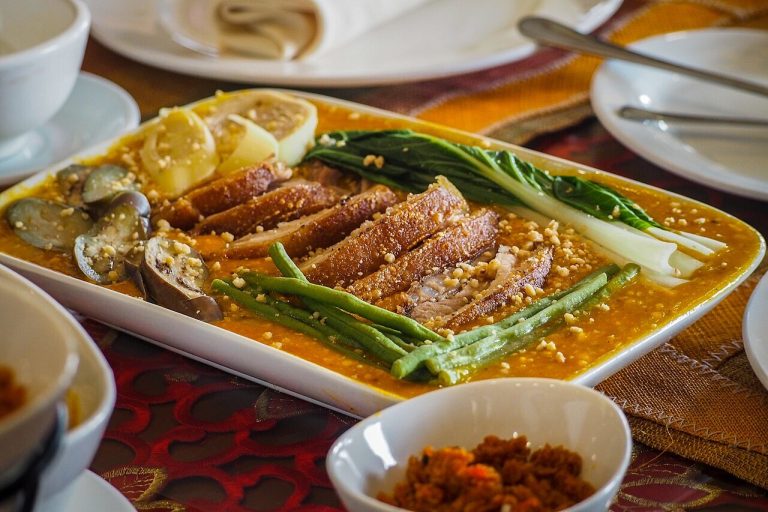
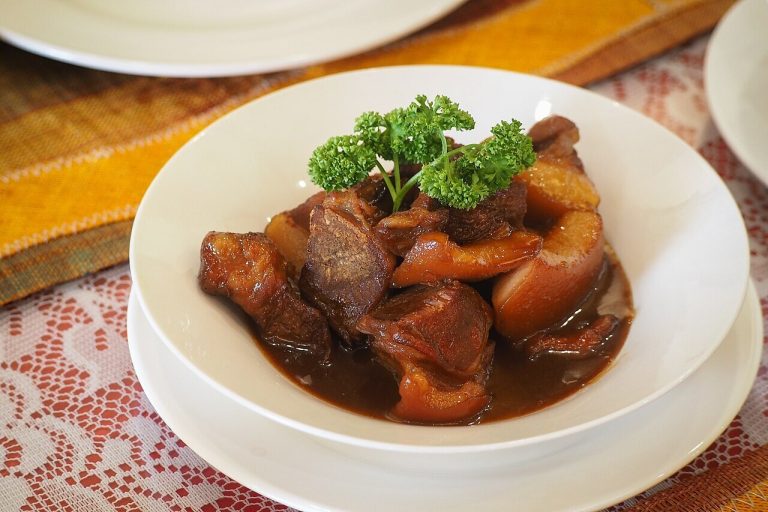
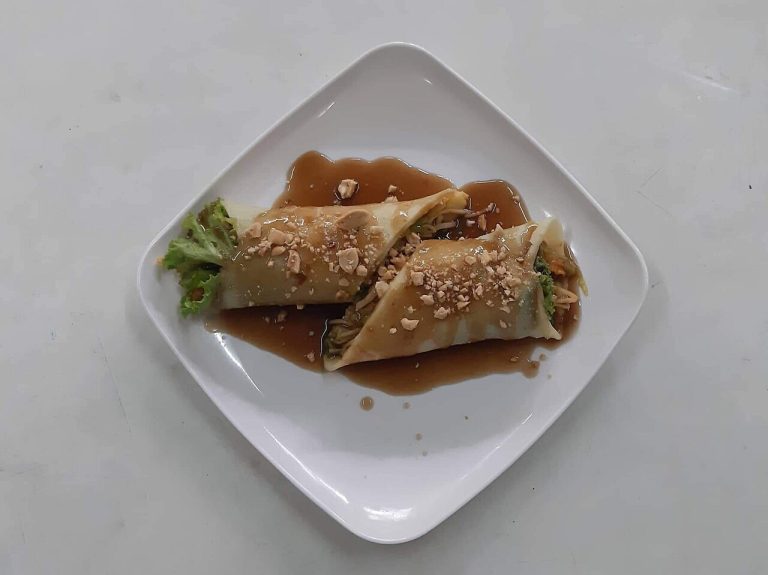
These photos show the colors, textures, and serving style to look for when making Pinakbet.


About This Recipe
Bagoong provides the main savory seasoning, while softened tomatoes contribute moisture to the pan. The optional diced pork belly adds richness, but the squash and other vegetables remain the bulk of the dish. Rice is useful alongside those concentrated juices.
The cooking sequence protects the different textures. Covered heat helps the squash along with only a splash of water; the remaining vegetables follow later. Fold gently near the end so the eggplant and squash hold together instead of thickening the whole pan into a mash.
Cooking Notes
- Keep the squash chunks reasonably even and test one before adding the other vegetables. It should have started softening but still need cooking when the eggplant joins it.
- Use the tomatoes' released juice before adding more water. This is a covered vegetable simmer, so the pan needs moisture underneath the vegetables, not enough liquid to submerge them.
Ingredient Notes
For the vegetables
Use what looks best: kabocha, eggplant, okra, green beans, and bitter melon all fit.
For the bagoong
Bagoong is salty and strong, so start modestly and adjust.
Pinakbet Recipe
This version gives U.S. grocery substitutions and a gentle approach to bitter melon for readers new to the dish.
Shopping List
- kabocha squash
- eggplant
- okra
- long beans
- bitter melon optional
- tomatoes
- onion
- garlic
- bagoong
- pork belly optional
- rice
Ingredients
Aromatics and Protein
- 2 tablespoons oil
- 4 ounces pork belly, diced, optional
- 1 onion, sliced
- 4 garlic cloves, minced
- 2 tomatoes, chopped
- 2 tablespoons bagoong, plus more to taste
Vegetables
- 3 cups kabocha or squash chunks
- 1 eggplant, sliced
- 1 cup long beans or green beans
- 8 okra pods
- 1 small bitter melon, sliced, optional
For Serving
- Steamed rice
- Extra bagoong or fish sauce
Instructions
- Render pork belly in oil if using, then add onion, garlic, and tomatoes.
- Cook until tomatoes soften and release juices.
- Stir in bagoong.
- Add squash and a splash of water, cover, and cook until partly tender.
- Add eggplant, beans, okra, and bitter melon if using.
- Cover and steam-simmer until vegetables are tender but not mushy.
- Taste and adjust bagoong before serving.
Nutrition Estimate
Approximate values per serving based on the listed ingredients and yield. Actual nutrition will vary by brand, exact portion size, and cooking changes.
Tips For The Best Pinakbet
- Layer vegetables by cook time: Squash needs longer than okra.
- Do not over-stir: Gentle folding keeps vegetables intact.
- Start light with bagoong: You can add more, but you cannot take it out.
- Rice is essential: The salty vegetable juices are made for rice.
How To Serve And Store
Serve as a main vegetable dish or alongside grilled fish, fried pork, or rice. Refrigerate up to 4 days.
Common Questions
Can I skip bitter melon?
Yes. The dish is still good without it.
Can I make it vegetarian?
Use a vegetarian bagoong-style seasoning or miso-fish sauce alternative to taste.
What squash works best?
Kabocha holds shape and tastes sweet.
Can I use shrimp paste?
Yes, depending on your regional style and pantry.
Can I leave out the bitter melon?
Yes. It is optional in this version, and the squash, eggplant, beans, and okra still make up the dish. Leaving it out changes the bitter contrast without requiring a different cooking sequence.
Can green beans replace yardlong beans in this pinakbet?
Yes, both are listed. Cut the green beans into manageable pieces and add them with the eggplant and okra. Check their tenderness directly rather than waiting for the softer eggplant to indicate readiness.
Which pinakbet vegetable is non-negotiable for you? Share your family version or testing notes in the comments.
Recipe inspiration and technique reference: Filipino home-cooking source research from Panlasang Pinoy, Kawaling Pinoy, and Filipino-American cooking sources in the site roadmap.