Pandesal: Soft Filipino Bread Rolls
 Recipe Guy

Filipino bread | Soft rolls | Breadcrumb coating
Fine breadcrumbs give these pandesal their familiar sandy coating, with a soft, lightly sweet roll underneath. Milk, egg, and butter enrich the dough, while a mixture of bread flour and all-purpose flour gives it structure for shaping into sixteen rolls.
Why make it: This version gives a home-baker version with a tender crumb and clear rise cues.
Fresh From the Kitchen
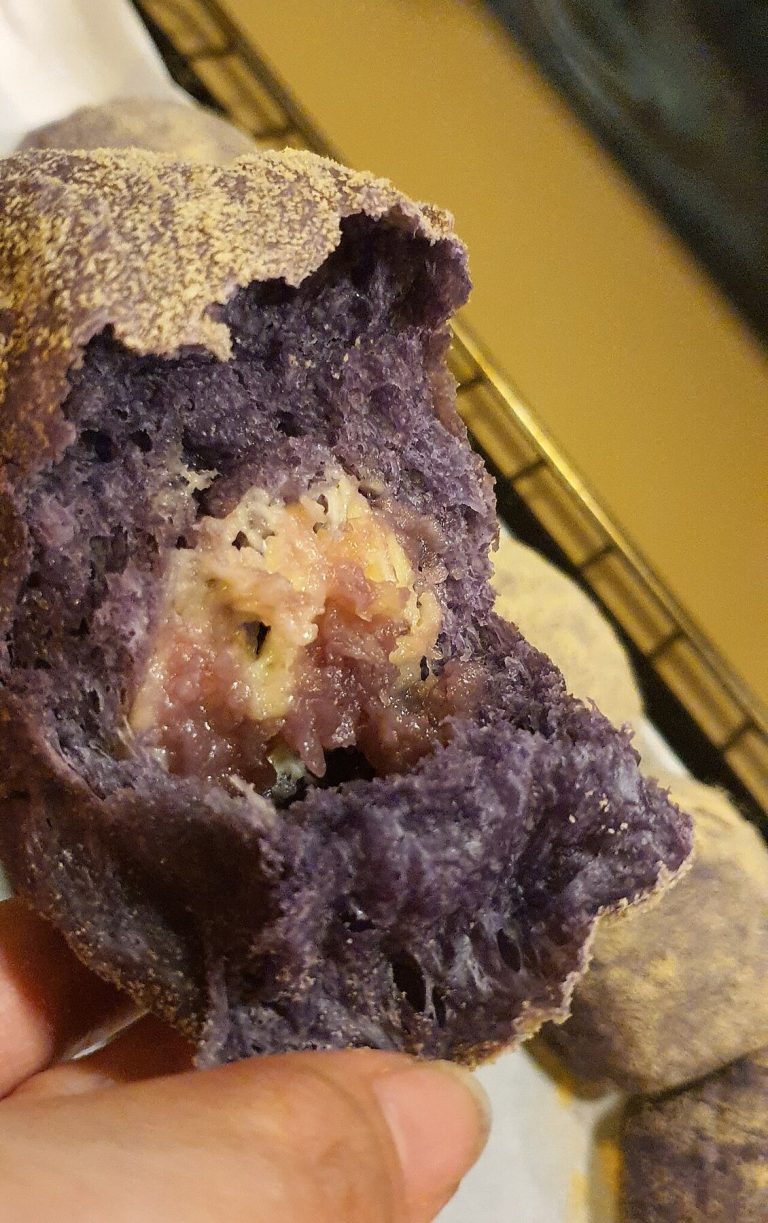
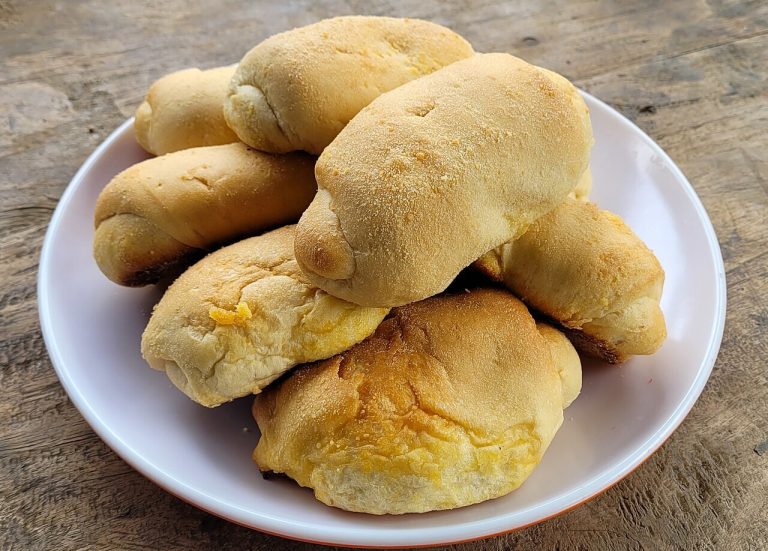
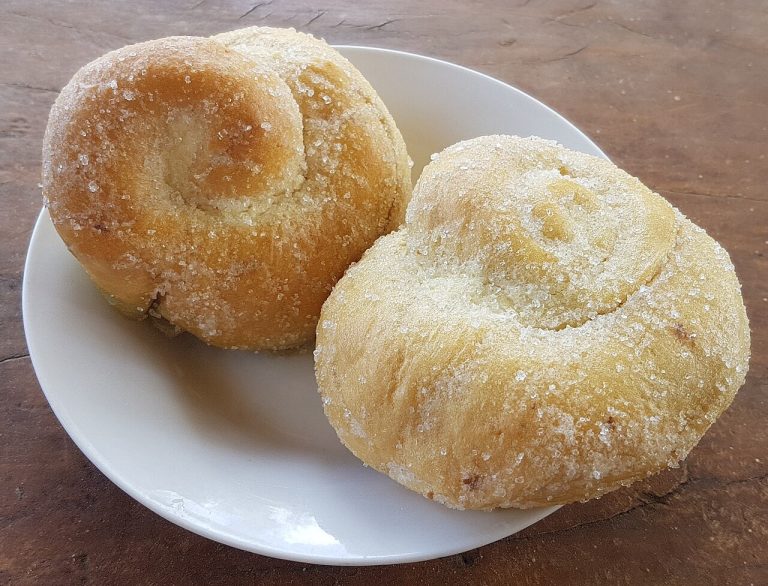
These photos show the colors, textures, and serving style to look for when making Pandesal.


About This Recipe
The coating is only a thin outer layer; the dough still needs proper kneading and two rises. Look for a smooth, elastic dough before the first rise, then a visibly puffy roll after shaping. Breadcrumbs cannot disguise a dough that has not had time to expand.
These rolls suit both sweet and savory fillings because the sweetness stays in the bread rather than a topping. Butter, cheese, or jam can go inside after baking, with coffee alongside and loose crumbs inevitably left on the plate.
Cooking Notes
- Measure the flour without packing it tightly into the cup. Avoid repeatedly dusting the dough during kneading; extra flour can turn a soft roll into a noticeably heavier one.
- Divide the dough into sixteen similar portions before shaping. Even pieces rise and color more consistently, so the smallest rolls do not finish while the largest still look pale.
Ingredient Notes
For flour
A mix of bread flour and all-purpose flour gives softness with enough structure.
For coating
Fine dry breadcrumbs create the familiar pandesal exterior.
Pandesal Recipe
This version gives a home-baker version with a tender crumb and clear rise cues.
Shopping List
- all-purpose flour
- bread flour
- yeast
- milk
- sugar
- butter
- egg
- salt
- breadcrumbs
Ingredients
Dough
- 2 cups bread flour
- 1 1/2 cups all-purpose flour
- 2 1/4 teaspoons instant yeast
- 3/4 cup warm milk
- 1/3 cup sugar
- 1 egg
- 4 tablespoons softened butter
- 1 teaspoon salt
Coating
- 1 cup fine breadcrumbs
For Serving
- Butter
- Cheese
- Jam
- Coffee
Instructions
- Mix flour, yeast, milk, sugar, egg, butter, and salt into a dough.
- Knead until smooth and elastic.
- Rise until doubled.
- Divide into 16 pieces and shape into rolls.
- Roll in breadcrumbs.
- Rise again until puffy.
- Bake at 350 F until lightly golden.
Nutrition Estimate
Approximate values per roll based on the listed ingredients and yield. Actual nutrition will vary by brand, exact portion size, and cooking changes.
Tips For The Best Pandesal
- Do not add too much flour: A soft dough makes soft bread.
- Let it rise fully: Underproofed rolls bake dense.
- Use fine crumbs: Coarse crumbs fall off.
- Freeze extras: Pandesal reheats well.
How To Serve And Store
Serve warm. Store at room temperature for 2 days or freeze.
Common Questions
Can I make dough overnight?
Yes. Refrigerate after the first rise.
Can I use all-purpose flour only?
Yes, but bread flour adds structure.
Why are rolls dense?
They may need more kneading or rising time.
Can I fill pandesal?
Yes, but filled rolls become a variation.
Why are my pandesal dense instead of soft?
Check the dough before blaming the oven. It should be smooth and elastic after kneading, doubled after its first rise, and puffy after shaping. Extra flour or a shortened rise can leave the rolls heavy.
What kind of breadcrumbs should coat pandesal?
Use the fine breadcrumbs specified for a light, even coating. Coarse crumbs leave patchier coverage and can fall away. Roll each shaped piece gently through the crumbs without flattening the dough or pressing on a thick crust.
What do you put inside warm pandesal? Share your family version or testing notes in the comments.
Recipe inspiration and technique reference: Filipino dessert and bakery source research from Panlasang Pinoy, Kawaling Pinoy, The Dusky Kitchen, and Filipino-American dessert sources in the site roadmap.