Palitaw: Filipino Rice Cakes with Coconut and Sesame
 Recipe Guy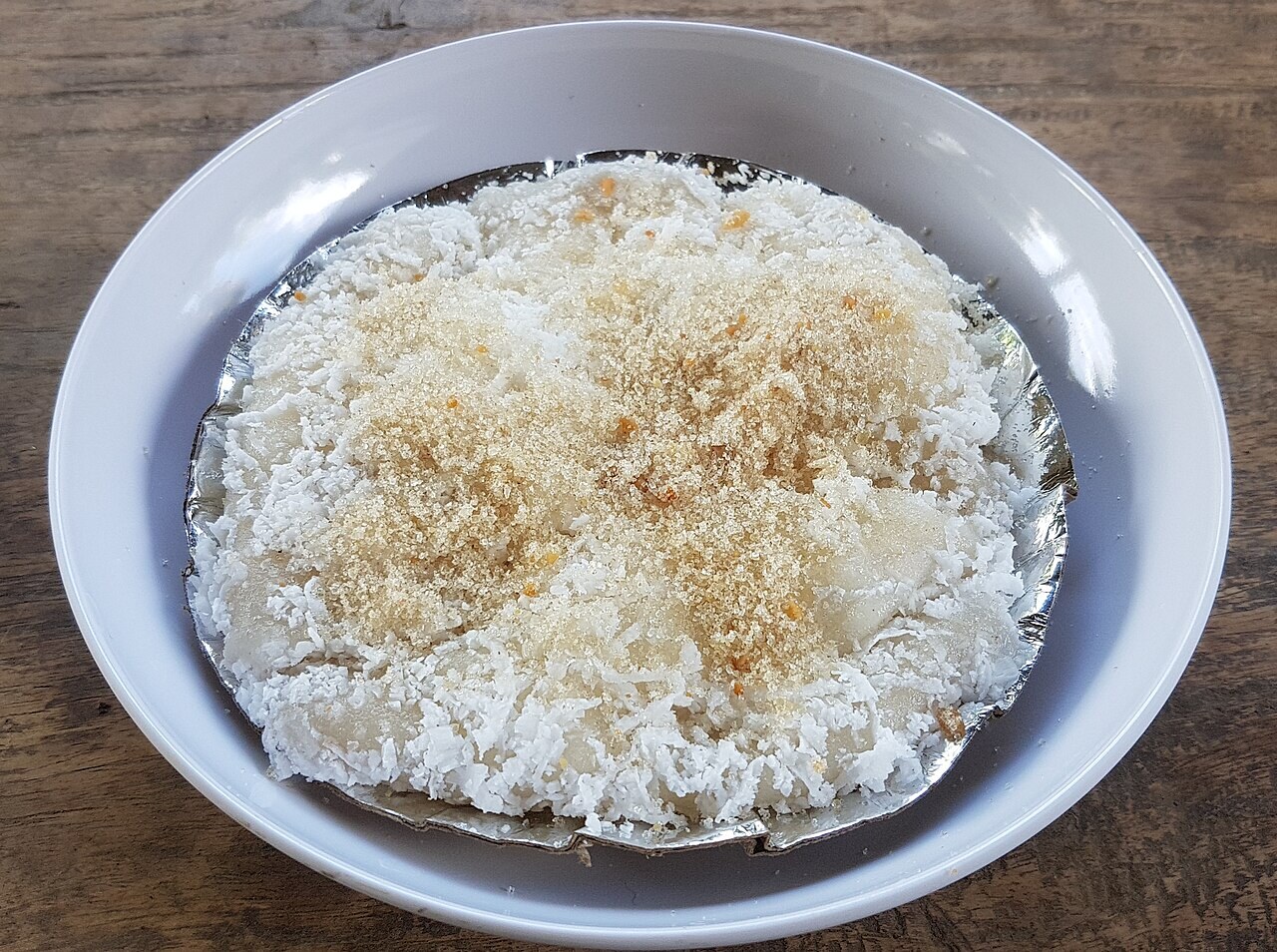
Filipino kakanin | Coconut sesame | Quick merienda
Palitaw is chewy, sweet, and simple: little rice cakes that float when cooked, then get covered in coconut, sugar, and sesame.
Why make it: This version is an approachable first kakanin because the ingredient list is short and the cooking cue is built into the name.
Fresh From the Kitchen
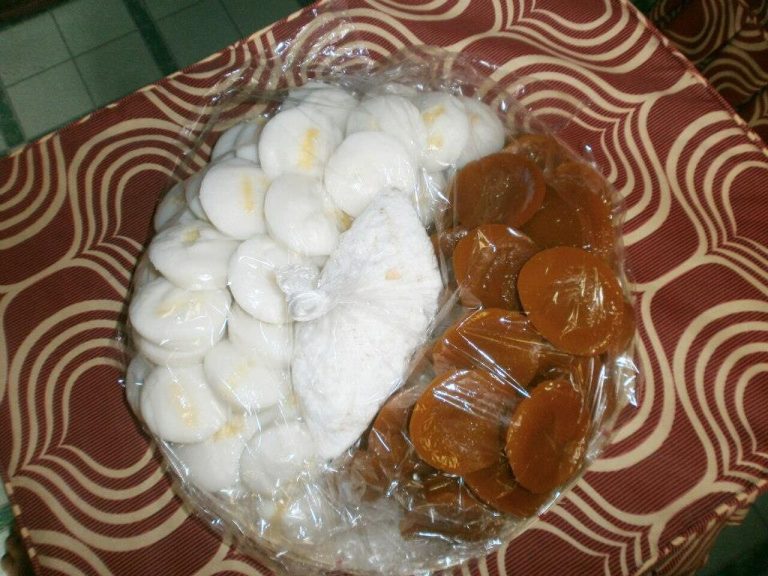
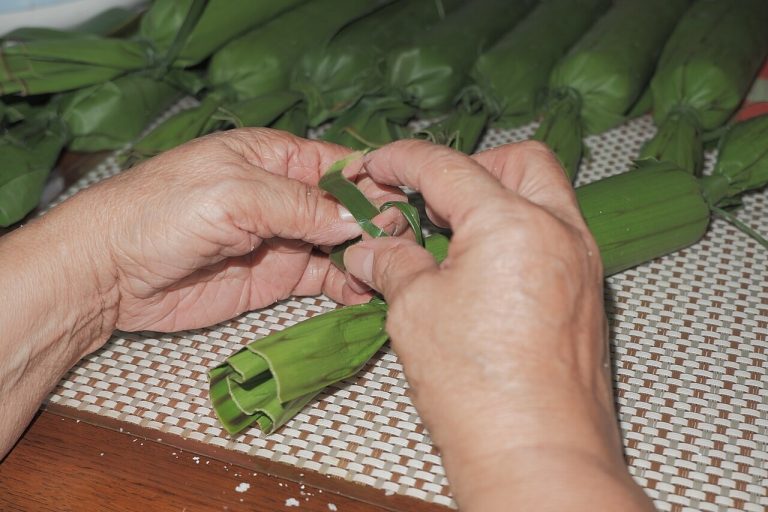
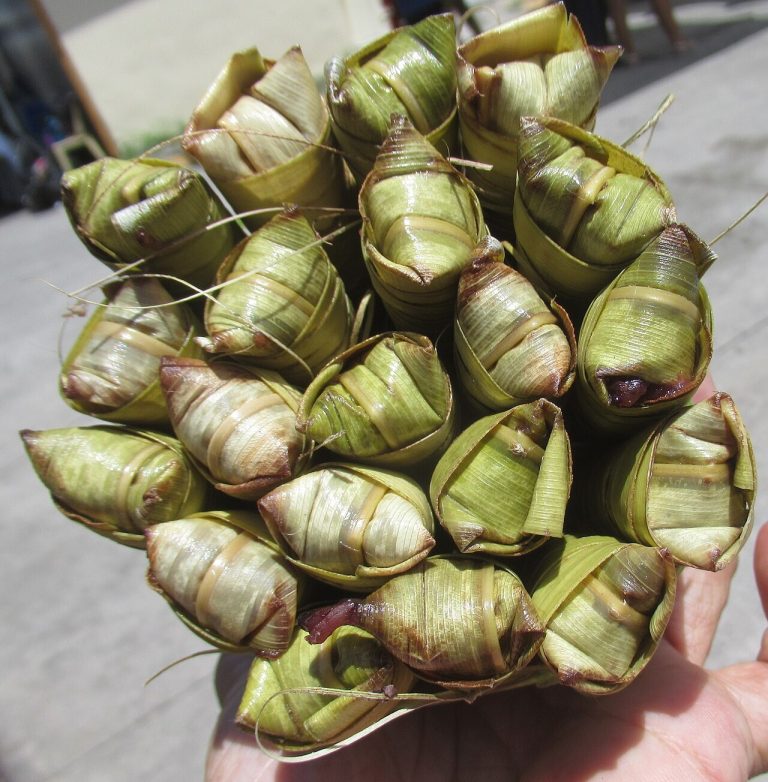
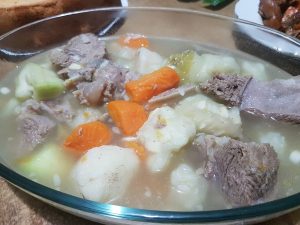
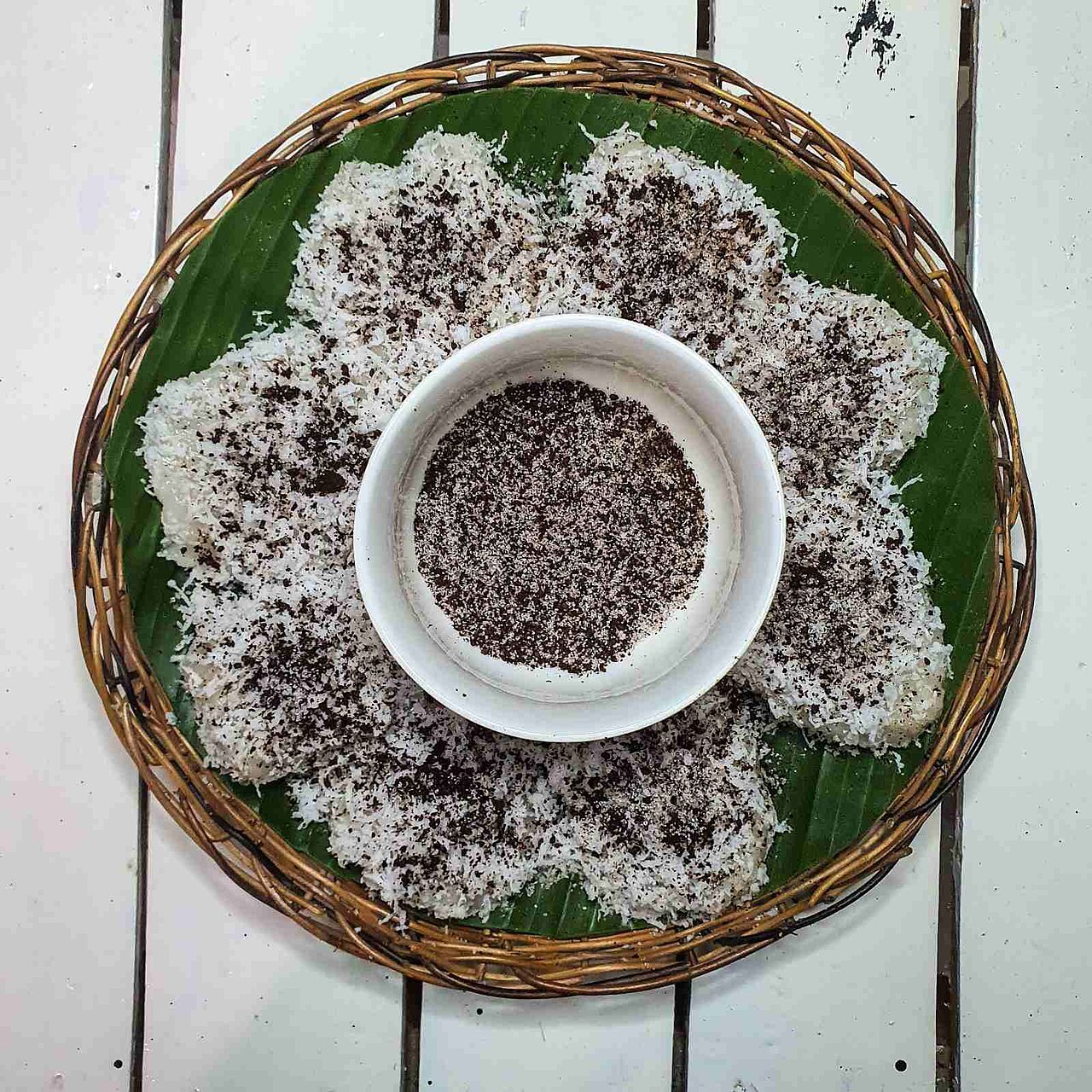
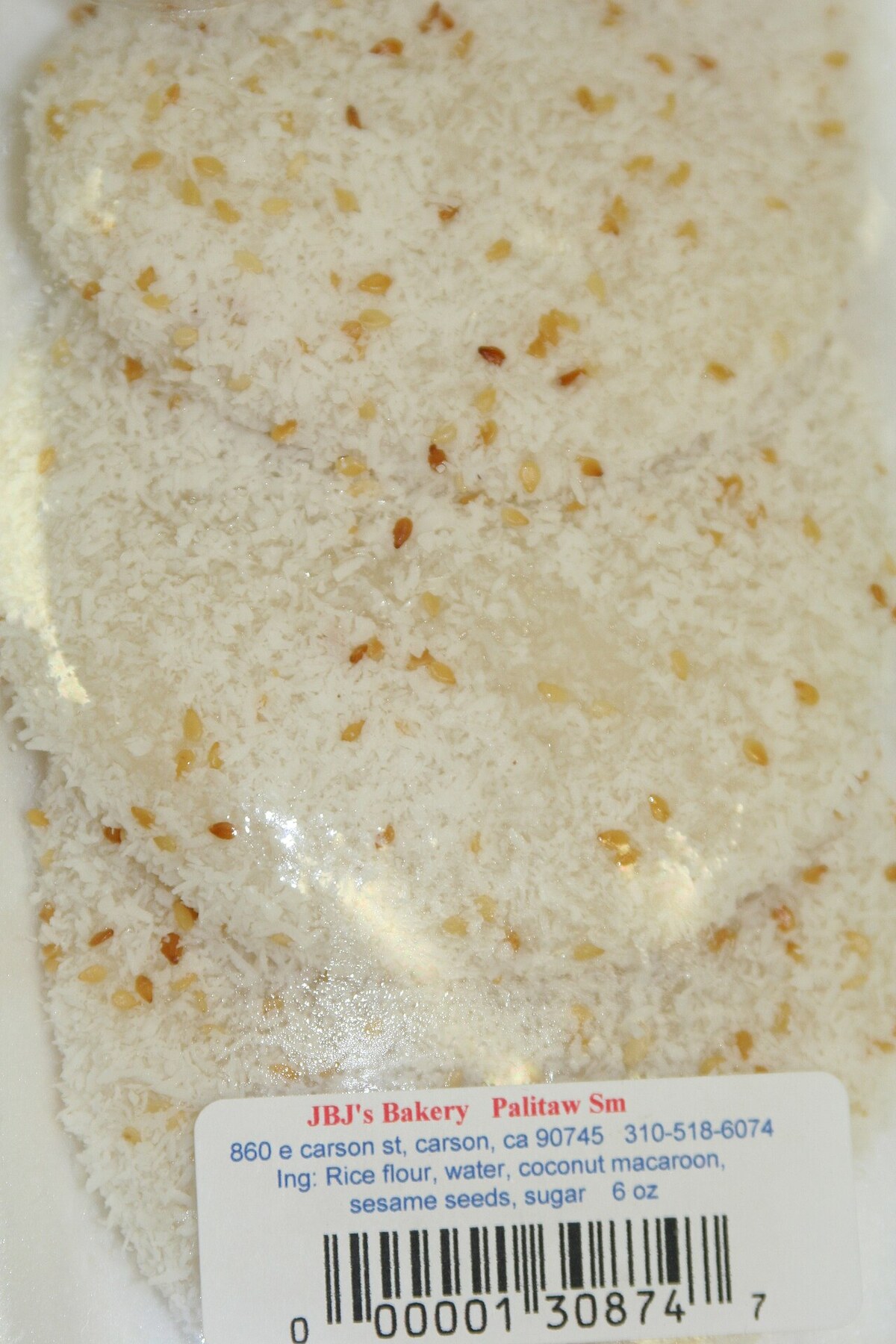
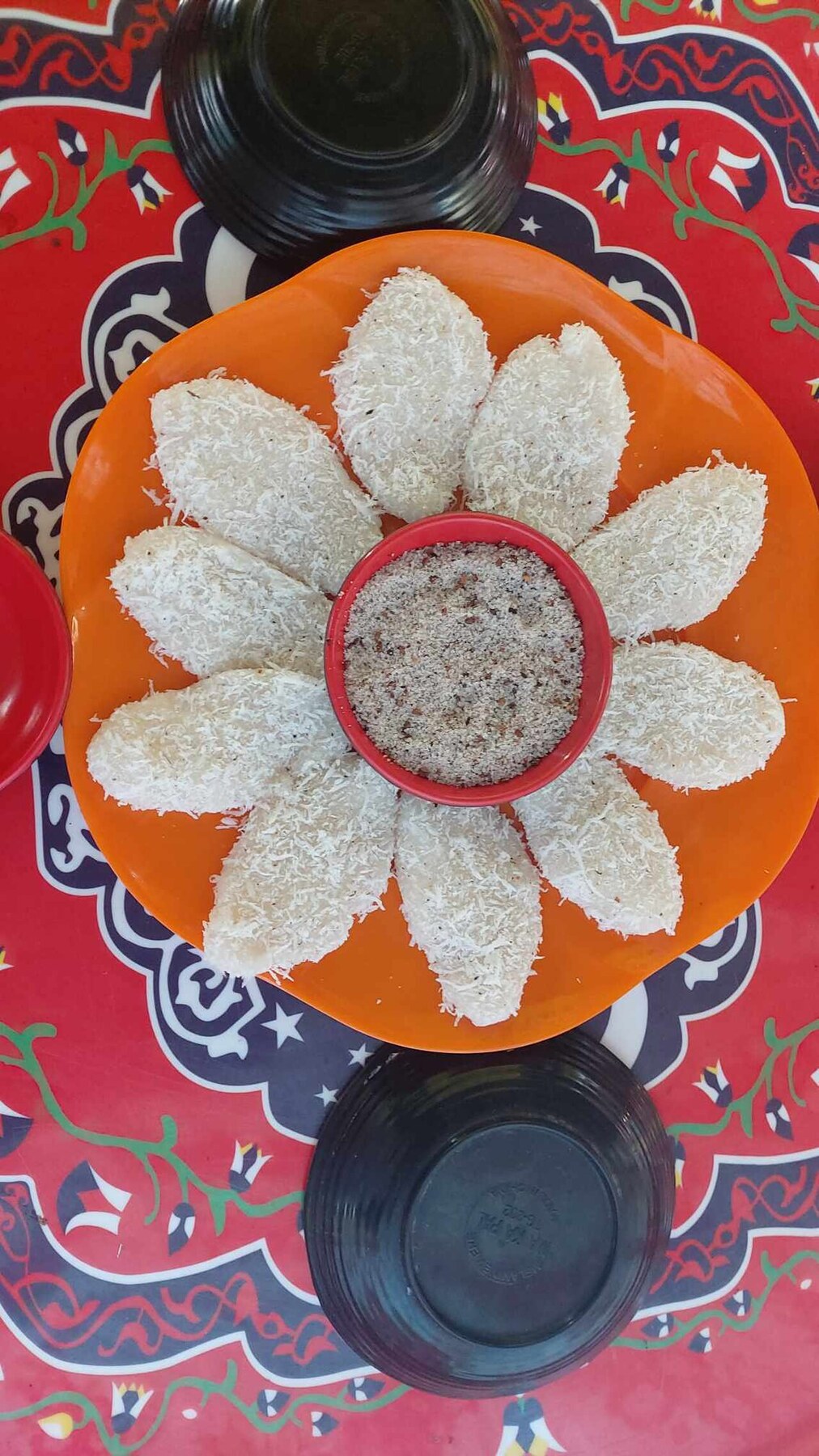
These photos show the colors, textures, and serving style to look for when making Palitaw.
About This Recipe
Palitaw are Filipino glutinous rice cakes boiled until they float, then coated with grated coconut, sugar, and toasted sesame seeds.
Why You Will Love It
- Practical for U.S. kitchens: the recipe uses ingredients and substitutions a home cook can realistically shop for.
- Built for the table: the serving notes match how the dish usually lands in Filipino-American homes, from weeknights to merienda to parties.
- Flexible without erasing the dish: swaps are named clearly so the original idea stays visible.
- Easy to cook through: the shopping list, timings, and storage notes make the recipe straightforward to test and adjust.
Ingredient Notes
For flour
Use glutinous rice flour, not regular rice flour.
For coconut
Fresh or frozen grated coconut gives the best texture.
Palitaw Recipe
This version is an approachable first kakanin because the ingredient list is short and the cooking cue is built into the name.
Shopping List
- glutinous rice flour
- water
- grated coconut
- sugar
- sesame seeds
- salt
Ingredients
Dough
- 2 cups glutinous rice flour
- 3/4 cup water, plus more as needed
- Pinch of salt
Coating
- 1 cup grated coconut
- 1/2 cup sugar
- 2 tablespoons toasted sesame seeds
For Serving
- Hot tea or coffee
Instructions
- Mix flour, salt, and water into a soft dough.
- Divide and flatten into small ovals.
- Bring water to a gentle boil.
- Cook palitaw until they float.
- Lift out with a slotted spoon and drain.
- Coat with grated coconut.
- Sprinkle with sugar and sesame.
Nutrition Estimate
Approximate values per piece based on the listed ingredients and yield. Actual nutrition will vary by brand, exact portion size, and cooking changes.
Tips For The Best Palitaw
- Use the right flour: Regular rice flour will not be chewy enough.
- Flatten evenly: Even pieces cook at the same rate.
- Toast sesame: It makes the topping fragrant.
- Serve fresh: Palitaw is best the day it is made.
How To Serve And Store
Serve soon after coating. Refrigerate leftovers, then steam briefly to soften.
Common Questions
Why are they called palitaw?
They float to the surface when cooked.
Can I use dried coconut?
Fresh or frozen is much better.
Can I make them ahead?
Shape ahead, then cook close to serving.
Can I add ube?
Yes, add a little ube halaya or extract to the dough.
Do you like extra sesame on palitaw? Share your family version or testing notes in the comments.
Recipe inspiration and technique reference: Filipino dessert and bakery source research from Panlasang Pinoy, Kawaling Pinoy, The Dusky Kitchen, and Filipino-American dessert sources in the site roadmap.