Puto Bumbong: Purple Steamed Rice Cakes
 Recipe Guy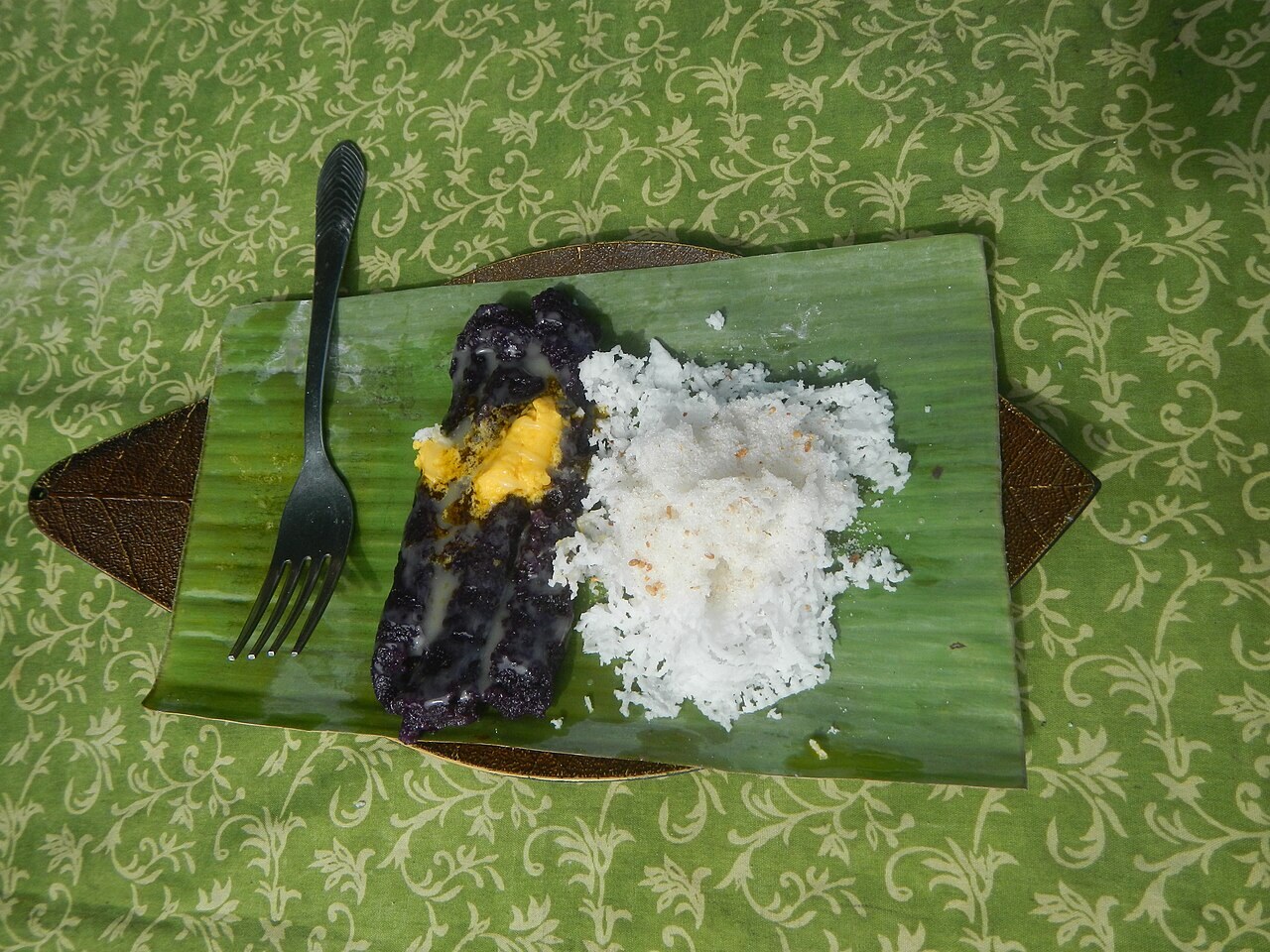
Filipino Christmas merienda | Purple rice cake | Coconut sugar
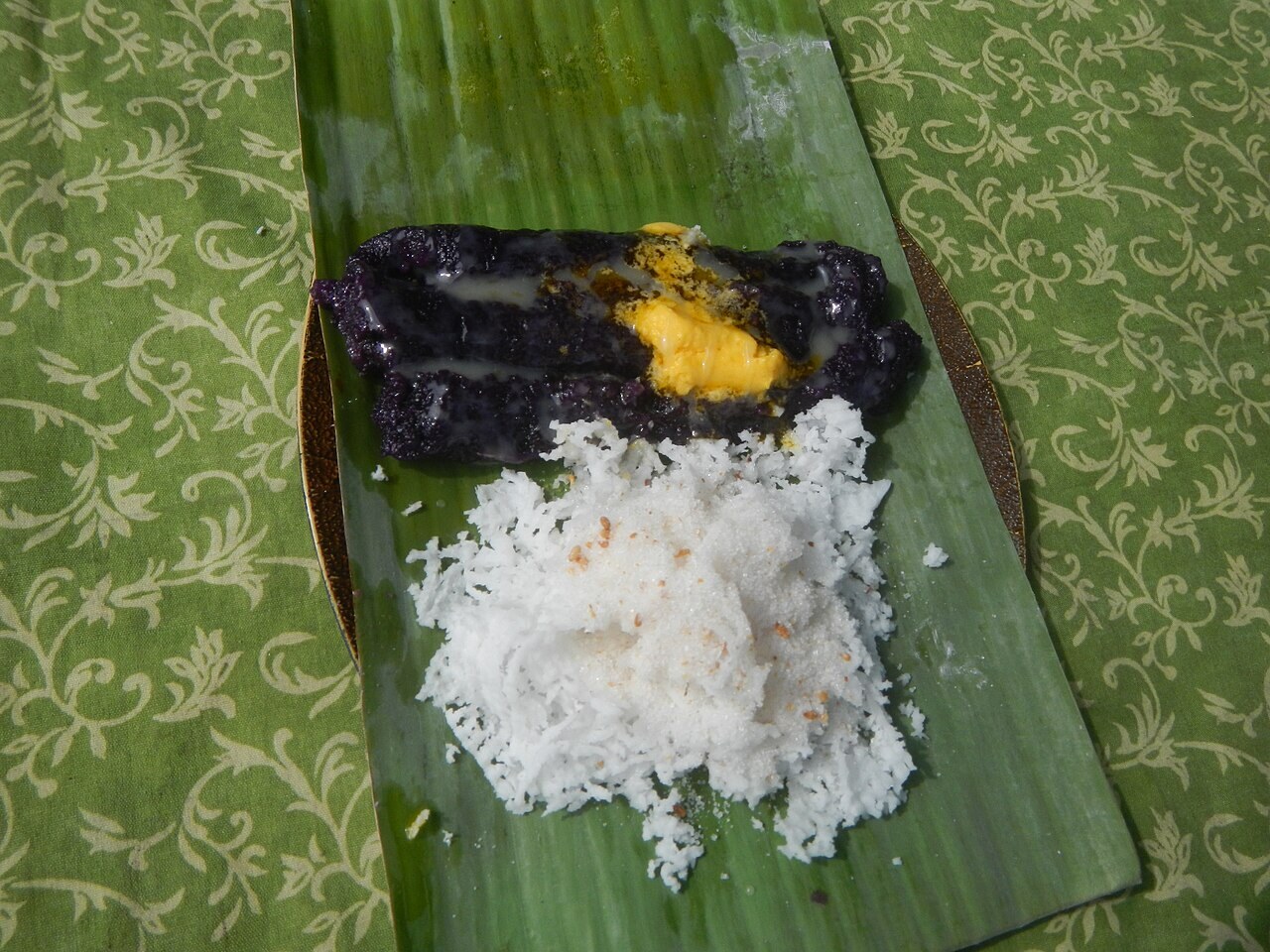
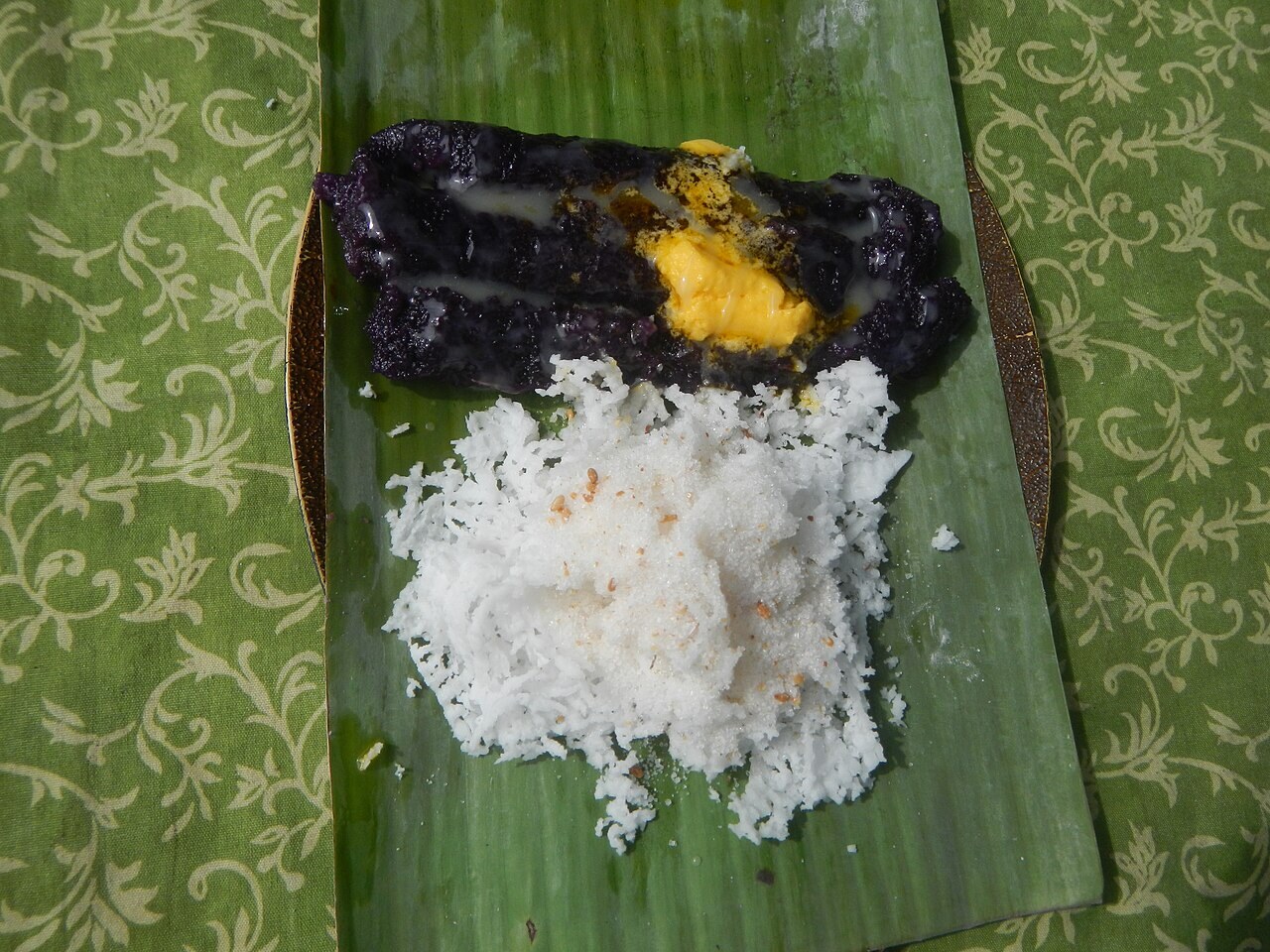
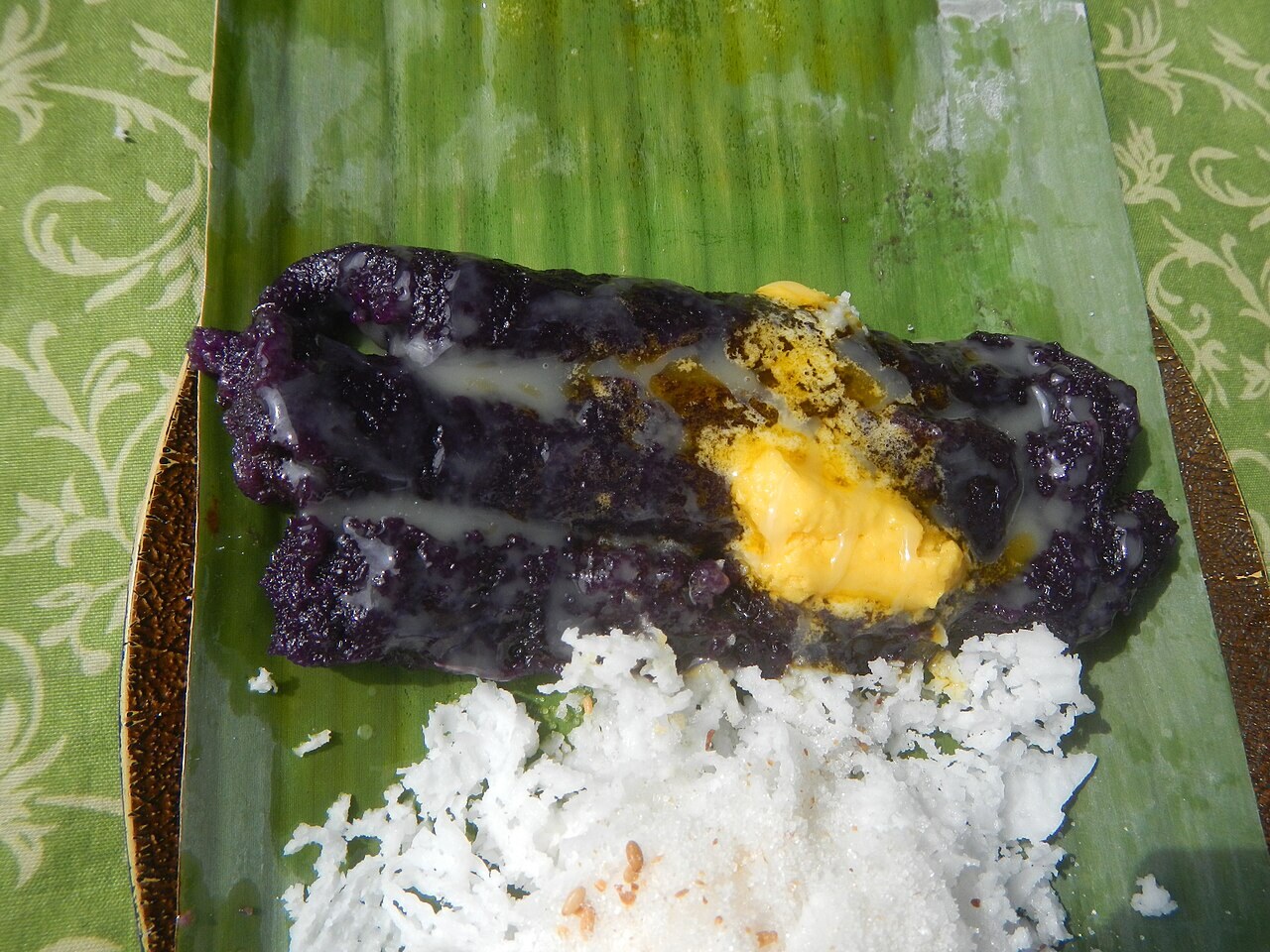
Puto bumbong is warm, chewy, buttery, and purple, finished with grated coconut and muscovado sugar for that after-Simbang Gabi feeling.
Why make it: This home version gives bamboo-tube spirit with steamer-basket practicality, plus notes for purple rice flour blends that are easier to source stateside.
Fresh From the Kitchen
About This Recipe
Puto bumbong is a Filipino steamed purple rice cake traditionally cooked in narrow bamboo tubes and served with butter, grated coconut, and muscovado sugar.
Why You Will Love It
- Practical for U.S. kitchens: the recipe uses ingredients and substitutions a home cook can realistically shop for.
- Built for the table: the serving notes match how the dish usually lands in Filipino-American homes, from weeknights to merienda to parties.
- Flexible without erasing the dish: swaps are named clearly so the original idea stays visible.
- Easy to cook through: the shopping list, timings, and storage notes make the recipe straightforward to test and adjust.
Ingredient Notes
For the rice blend
Traditional pirurutong can be hard to find. A mix of glutinous rice flour, rice flour, and a little ube or purple sweet rice powder makes a practical draft.
For serving
Puto bumbong should be eaten hot, when the rice cake is soft and the butter melts into the coconut.
Puto Bumbong Recipe
This home version gives bamboo-tube spirit with steamer-basket practicality, plus notes for purple rice flour blends that are easier to source stateside.
Shopping List
- glutinous rice flour
- regular rice flour
- purple sweet rice or ube powder
- coconut
- muscovado sugar
- butter
- banana leaves
- salt
- cheese optional
Ingredients
Rice Dough
- 1 1/2 cups glutinous rice flour
- 1/2 cup rice flour
- 2 tablespoons ube powder or purple sweet rice powder
- 1/2 teaspoon salt
- 3/4 cup water, plus more as needed
Steaming Setup
- Banana leaves, softened
- Butter for brushing
- Steamer basket or perforated mold
Toppings
- 1 cup grated coconut
- 1/2 cup muscovado or dark brown sugar
- Extra butter
- Grated cheese, optional
Instructions
- Whisk glutinous rice flour, rice flour, purple powder, and salt.
- Add water gradually and rub the mixture until it forms damp, sandy crumbs that hold when squeezed.
- Rest the mixture for at least 30 minutes, or chill overnight for deeper hydration.
- Line a steamer with softened banana leaves and bring water to a strong steam.
- Spoon the rice mixture into small logs or mounds without packing too tightly.
- Steam until the rice cakes are cooked through and springy, about 8 to 10 minutes.
- Brush hot puto bumbong with butter.
- Serve immediately with grated coconut, muscovado, and optional cheese.
Nutrition Estimate
Approximate values per serving based on the listed ingredients and yield. Actual nutrition will vary by brand, exact portion size, and cooking changes.
Tips For The Best Puto Bumbong
- Hydrate the flour: A short rest helps the rice flour steam into a softer cake.
- Keep the texture crumbly: A wet batter will not mimic the traditional loose rice mixture.
- Serve fast: The cakes firm as they cool.
- Use banana leaves: Even in a steamer basket, the leaves add important aroma.
How To Serve And Store
Serve hot for breakfast, merienda, or a holiday dessert plate. Leftovers are best steamed again rather than microwaved dry.
Common Questions
Do I need bamboo tubes?
No. They are traditional, but a lined steamer basket works for a home version.
What is muscovado?
It is a dark, moist sugar with molasses depth. Dark brown sugar is a practical substitute.
Can I use ube extract?
Use it sparingly if you want more color, but powder gives better body.
Why is my puto bumbong dry?
The flour mixture may need more water or may have steamed too long.
Do you like puto bumbong with cheese, extra coconut, or just butter and sugar? Share your family version or testing notes in the comments.
Recipe inspiration and technique reference: Filipino dessert and bakery source research from Panlasang Pinoy, Kawaling Pinoy, The Dusky Kitchen, and Filipino-American dessert sources in the site roadmap.