Suman Malagkit: Banana-Leaf Sticky Rice Bundles
 Recipe Guy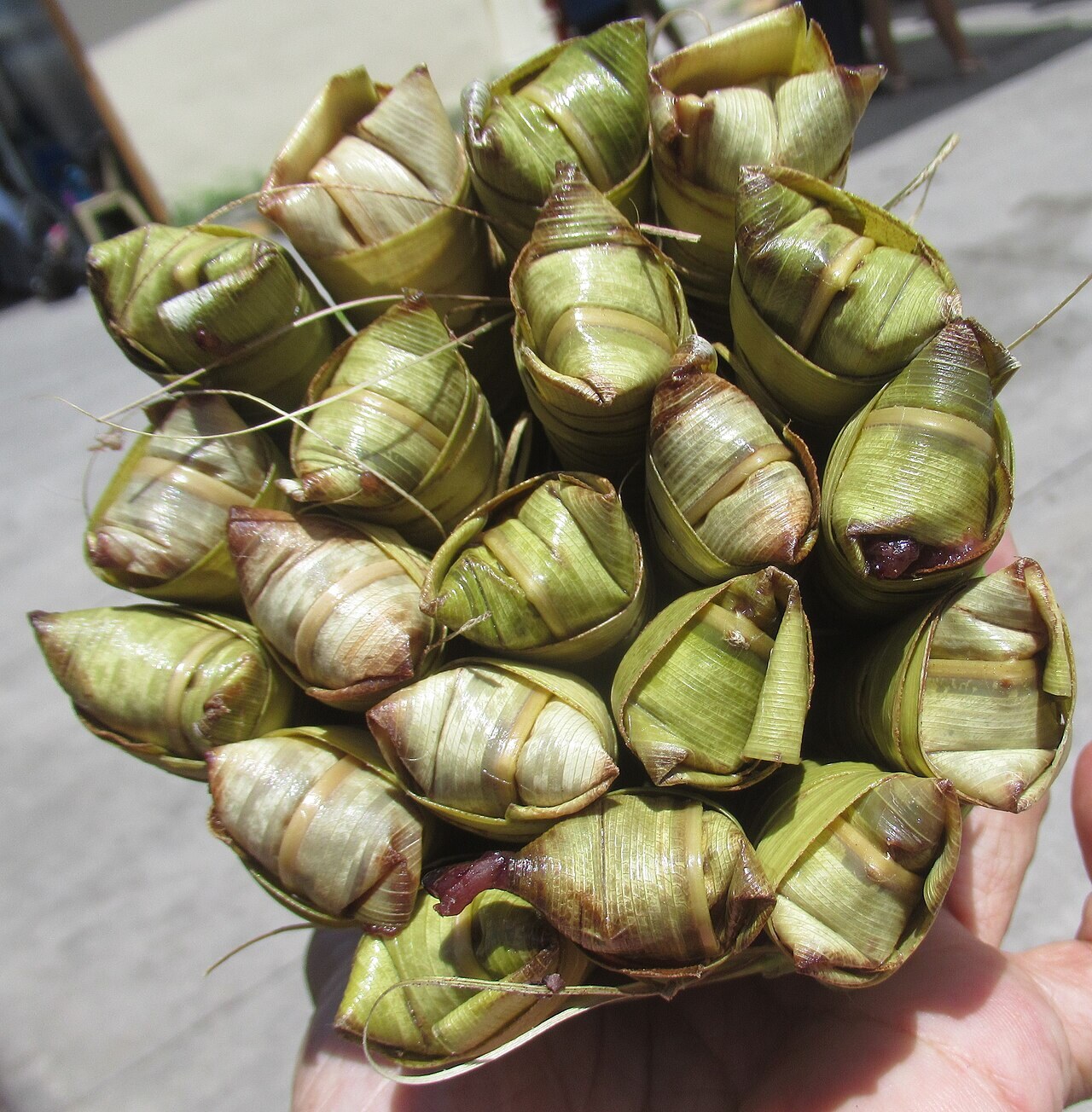
Filipino kakanin | Sticky rice | Banana leaf bundles
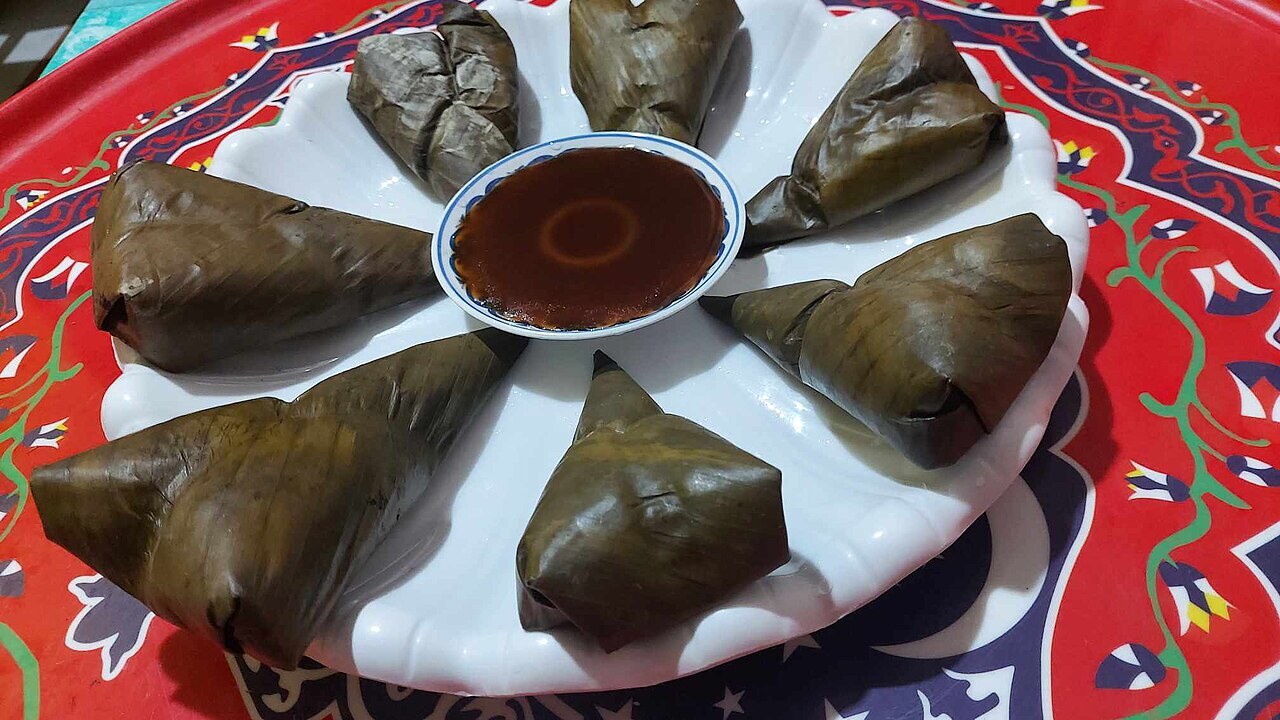
Suman malagkit is soft, chewy, coconut-rich sticky rice wrapped in banana leaves and served with sugar, latik, or coconut caramel.
Why make it: This version uses canned coconut milk, frozen banana leaves, and simple wrapping cues so the classic merienda feels doable in a U.S. kitchen.
Fresh From the Kitchen
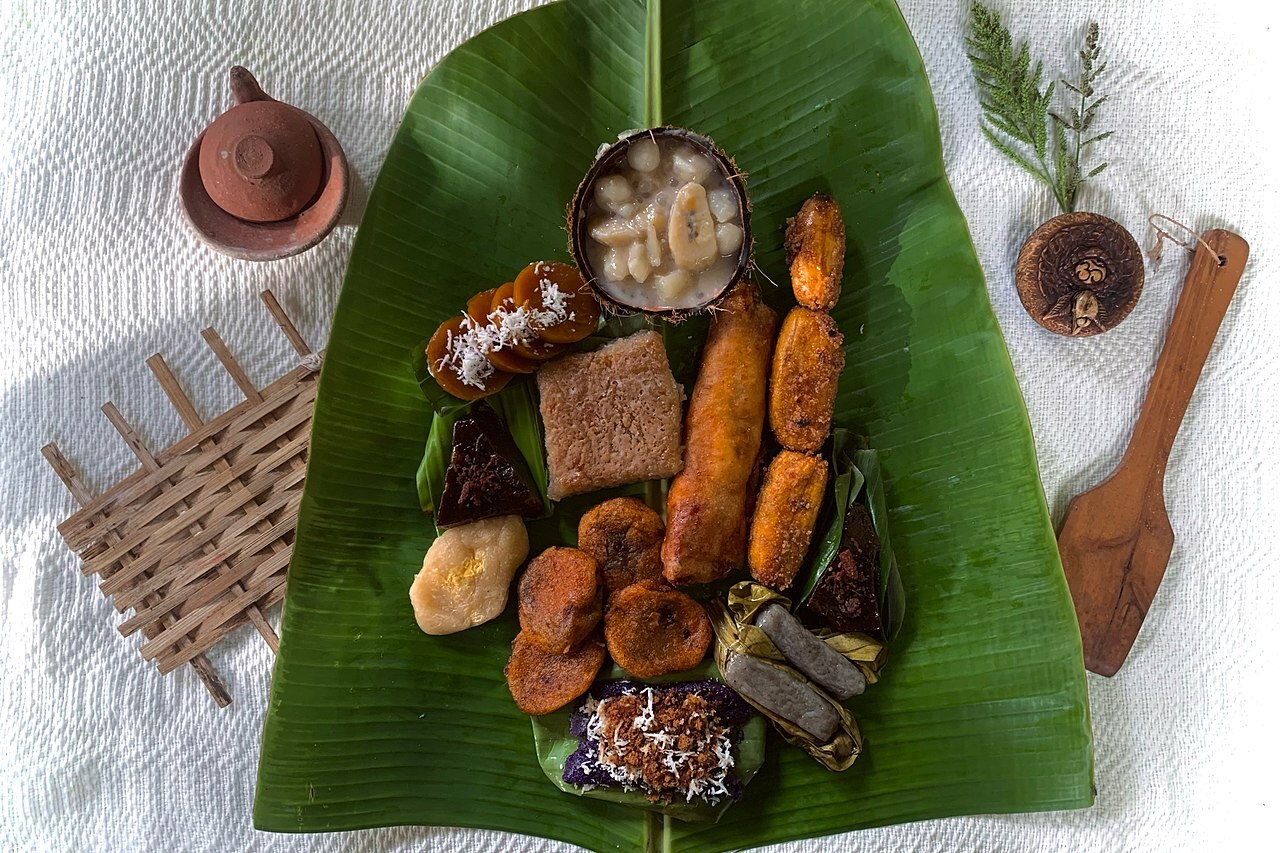
About This Recipe
Suman malagkit is a Filipino sticky rice cake made by cooking glutinous rice with coconut milk, wrapping it in banana leaves, and steaming until the grains become tender and fragrant.
Why You Will Love It
- Practical for U.S. kitchens: the recipe uses ingredients and substitutions a home cook can realistically shop for.
- Built for the table: the serving notes match how the dish usually lands in Filipino-American homes, from weeknights to merienda to parties.
- Flexible without erasing the dish: swaps are named clearly so the original idea stays visible.
- Easy to cook through: the shopping list, timings, and storage notes make the recipe straightforward to test and adjust.
Ingredient Notes
For the rice
Use glutinous rice, sometimes labeled sweet rice. Jasmine or sushi rice will not give the same chewy suman texture.
For the leaves
Frozen banana leaves are usually in Filipino or Latin markets. Warm them briefly so they bend instead of splitting.
Suman Malagkit Recipe
This version uses canned coconut milk, frozen banana leaves, and simple wrapping cues so the classic merienda feels doable in a U.S. kitchen.
Shopping List
- glutinous rice
- coconut milk
- sugar
- salt
- banana leaves
- coconut cream
- brown sugar
- vanilla optional
- kitchen twine
Ingredients
Sticky Rice
- 2 cups glutinous rice, rinsed
- 1 can full-fat coconut milk
- 1/2 cup water
- 1/3 cup sugar
- 1 teaspoon kosher salt
Wrapping
- Banana leaves, thawed and wiped clean
- Kitchen twine or thin strips of banana leaf
- Neutral oil for brushing, optional
Coconut Caramel
- 1 cup coconut cream
- 1/2 cup brown sugar
- Pinch of salt
- 1/2 teaspoon vanilla, optional
Instructions
- Rinse the glutinous rice until the water runs mostly clear, then drain well.
- Simmer coconut milk, water, sugar, and salt in a wide pan.
- Stir in the rice and cook over medium-low heat until the grains absorb most of the coconut mixture but are not fully tender.
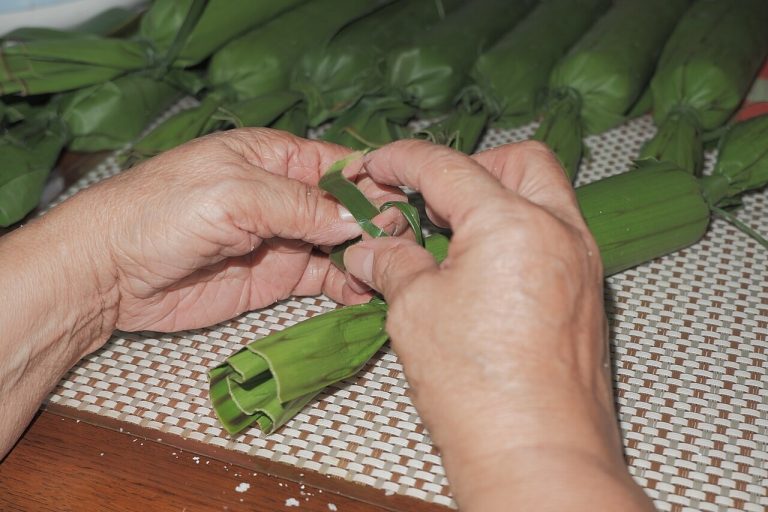
- Pass banana leaves over a flame or warm pan until pliable, then cut into rectangles.
- Spoon rice onto each leaf, shape into logs, fold tightly, and tie in pairs or single bundles.
- Steam the bundles until the rice is tender and cohesive, about 40 to 45 minutes.
- Simmer coconut cream, brown sugar, and salt into a glossy sauce.
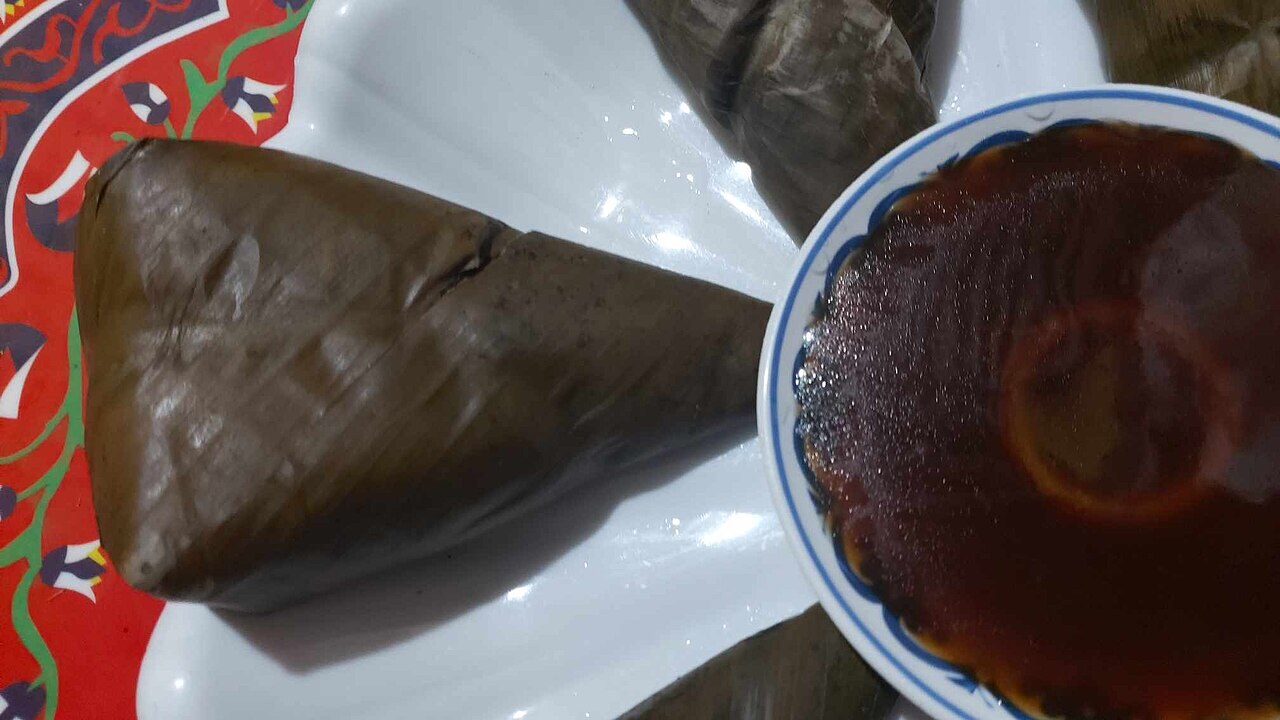
- Serve suman warm or room temperature with coconut caramel spooned over the top.
Nutrition Estimate
Approximate values per bundle based on the listed ingredients and yield. Actual nutrition will vary by brand, exact portion size, and cooking changes.
Tips For The Best Suman Malagkit
- Do not fully cook the rice first: The rice should finish inside the leaf so it stays compact and fragrant.
- Warm the banana leaves: Heat makes the leaves flexible and brings out their aroma.
- Wrap snugly: Loose bundles can open while steaming.
- Rest before serving: Ten minutes off the heat helps the rice settle.
How To Serve And Store
Serve warm or room temperature with coconut caramel, plain sugar, ripe mango, or hot coffee. Refrigerate wrapped bundles for up to 5 days and steam to refresh.
Common Questions
Can I use parchment instead of banana leaves?
Yes for structure, but the banana leaf aroma will be missing.
Can I make suman less sweet?
Yes. Keep the rice lightly sweet and offer sugar or sauce at the table.
Can I freeze it?
Yes. Freeze wrapped bundles, then steam from thawed until hot.
Why is my suman hard?
It may need more steaming time or a little more liquid in the first cook.
Do you like suman with sugar, latik, coconut caramel, or mango? Share your family version or testing notes in the comments.
Recipe inspiration and technique reference: Filipino dessert and bakery source research from Panlasang Pinoy, Kawaling Pinoy, The Dusky Kitchen, and Filipino-American dessert sources in the site roadmap.