Polvoron: Filipino Toasted Milk Candies
 Recipe Guy
Filipino candy | Toasted flour | Gift-box sweets
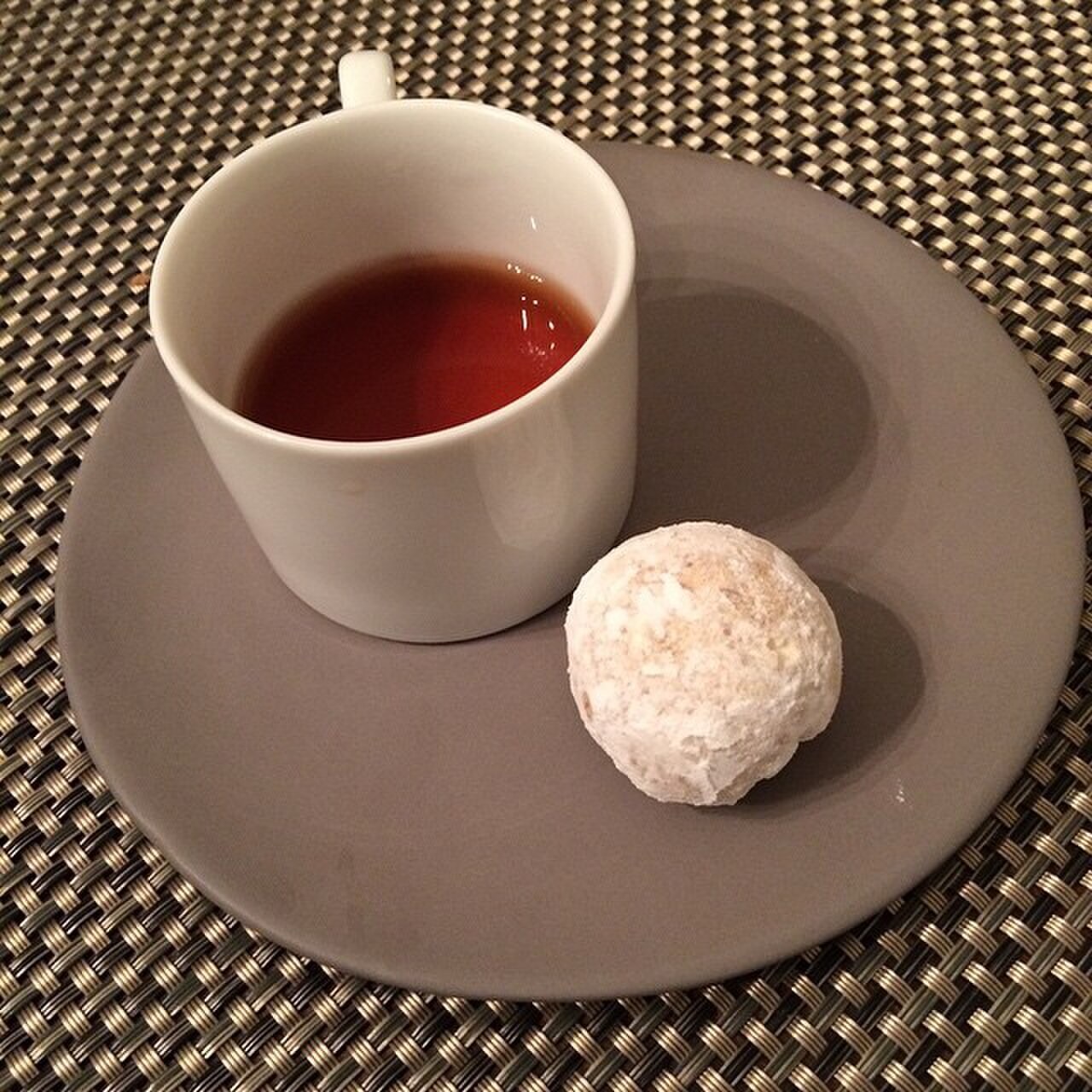
Polvoron depends on a deliberate kind of crumbliness: loose and sandy in the bowl, compact enough to lift once pressed and chilled. Powdered milk and butter give the candies their richness, with toasted flour providing the base and optional mix-ins changing the texture.
Why make it: This version gives careful flour-toasting cues and simple flavor variations like pinipig, cookies-and-cream, and ube.
Fresh From the Kitchen
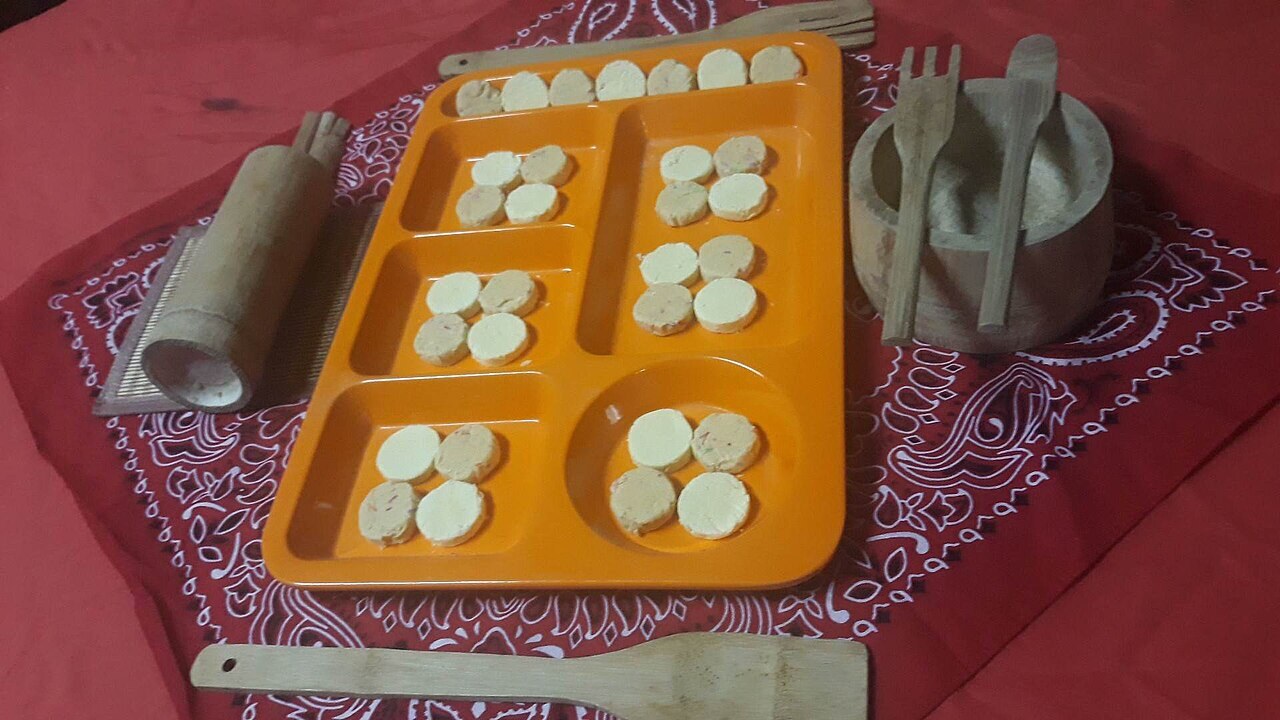
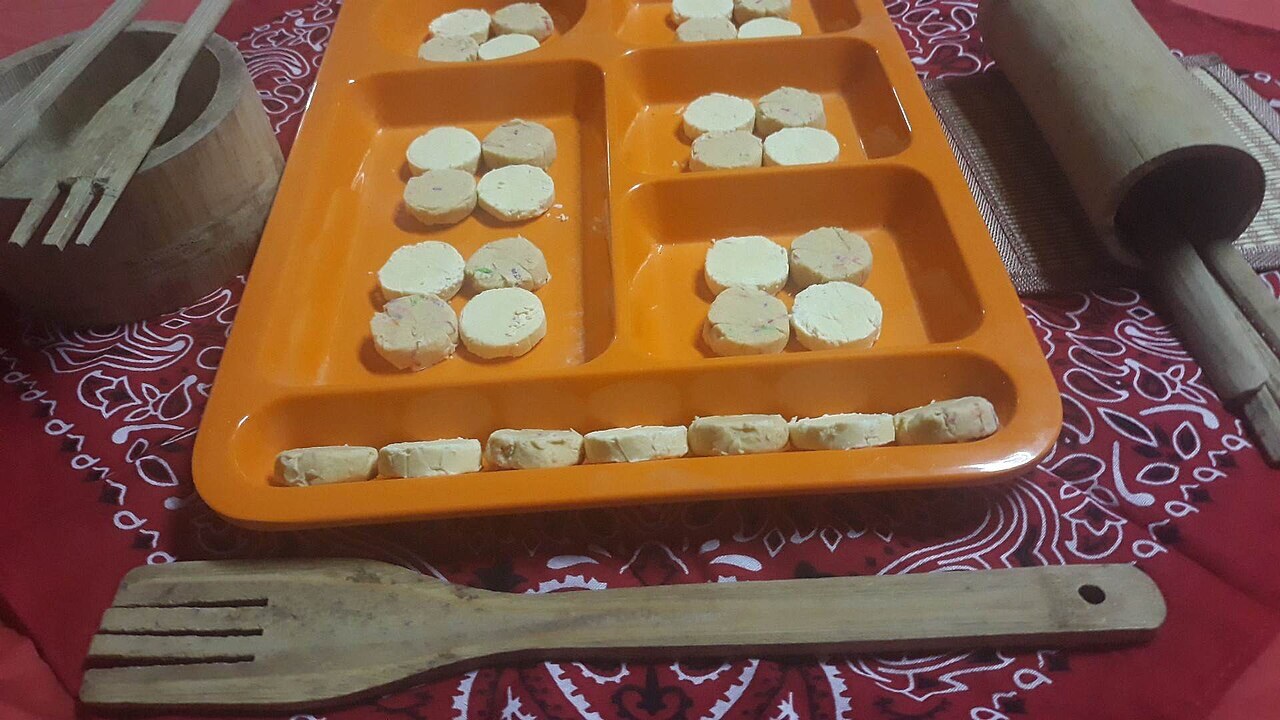
About This Recipe
The mixture is pressed rather than kneaded into an elastic dough. Butter moistens the flour, milk powder, sugar, and salt so they hold under firm pressure. Uneven mixing leaves dry pockets that break away when a piece is released from its mold.
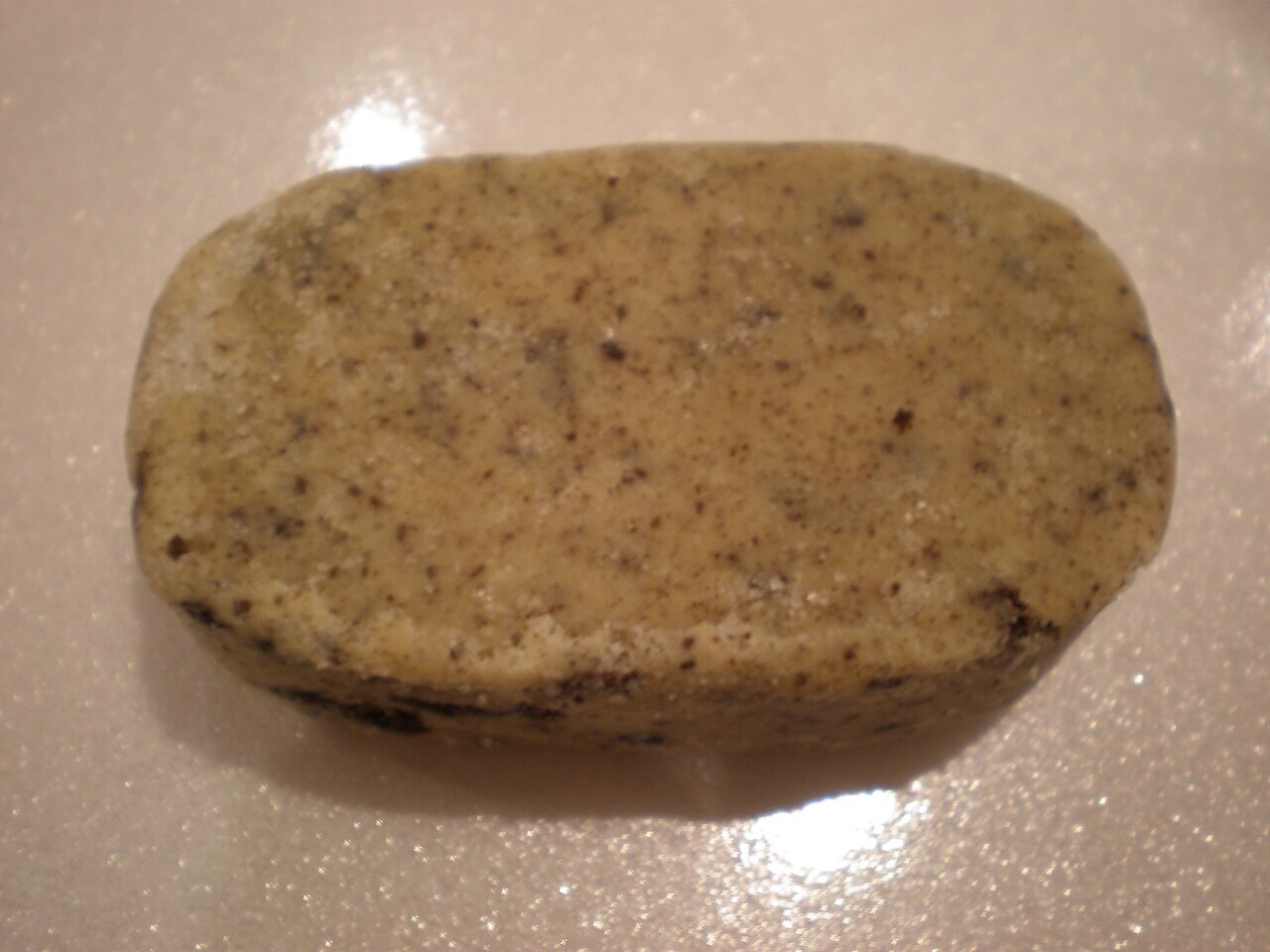
Pinipig, cookie crumbs, and ube powder are separate flavor options, not a requirement to add all three. Start with a uniformly mixed base, then distribute the chosen addition. Chilling firms the butter, making the candies easier to move and wrap without crumbling at their edges.
Cooking Notes
- Scrape the bottom and corners of the mixing bowl as you incorporate butter. A surface that looks evenly damp can conceal dry flour and milk powder underneath.
- Press the mixture firmly into the mold and level the back before releasing it. Keep the pieces on their tray for chilling instead of handling each one repeatedly while soft.
Ingredient Notes
For the flour
Use commercially treated wheat flour explicitly labeled ready-to-eat, with no further cooking required. Ordinary all-purpose flour is raw; home dry-toasting is not a validated safety treatment. Toast the ready-to-eat flour only for the nutty flavor, following any manufacturer handling directions. Do not make this no-bake candy with raw flour if an appropriate ready-to-eat product is unavailable.
For shaping
A polvoron mold is helpful, but a small scoop or lined mini muffin pan can work for a home batch.
Polvoron Recipe
This version gives careful flour-toasting cues and simple flavor variations like pinipig, cookies-and-cream, and ube.
Shopping List
- commercially treated wheat flour explicitly labeled ready-to-eat
- powdered milk
- sugar
- butter
- ready-to-eat toasted pinipig, optional
- salt
- ready-to-eat ube powder optional
- cookies optional
- cellophane wrappers optional
Ingredients
Base Mixture
- 2 cups commercially treated wheat flour explicitly labeled ready-to-eat; not ordinary raw all-purpose flour
- 1 cup powdered milk
- 3/4 cup sugar
- 1/2 teaspoon salt
- 1 cup melted butter
Flavor Options
- 1/2 cup ready-to-eat toasted pinipig, optional
- 1/2 cup crushed cookies
- 2 tablespoons ube powder labeled ready-to-eat, optional; omit powders requiring rehydration and cooking
For Shaping
- Polvoron mold
- Small parchment squares or cellophane wrappers
- Tray for chilling
Instructions
- Check that the flour is commercially treated and labeled ready-to-eat. In a clean dry skillet, stir it over medium-low heat until lightly beige and fragrant, about 10 to 15 minutes; this is a flavor step, not a pathogen-killing step.
- Cool the toasted flour slightly.
- Stir flour with powdered milk, sugar, and salt.
- Mix in melted butter until the mixture looks like damp sand and holds when pressed.
- Fold in pinipig, cookie crumbs, or ube powder if using.
- Press firmly into a polvoron mold or small lined pan.
- Chill until firm enough to handle.
- Wrap individually if desired.
Nutrition Estimate
Approximate nutrition for 1 piece (one-twenty-fourth of the batch). Assumes 250 g ready-to-eat wheat flour, 128 g whole milk powder and 60 g chocolate sandwich cookies. Optional pinipig and ube powder are excluded; product labels and packing affect values. Calculated from published food data, not laboratory tested; brands and portions vary.
Tips For The Best Polvoron
- Stir the flour constantly: Flour can scorch in hot spots.
- Press firmly: Loose packing makes crumbly pieces that fall apart too soon.
- Check ingredients before tasting: Only taste after confirming the flour and chosen mix-in are ready-to-eat; toasting raw flour at home is not a safety substitute.
- Chill for clean wrapping: Cold polvoron handles more neatly.
How To Serve And Store
Serve as a snack, dessert bite, or edible gift. Store airtight at cool room temperature for several days or refrigerate for longer firmness.
Common Questions
Can I use skim milk powder?
Yes, but whole milk powder gives a richer flavor.
Do I need a mold?
No. Press into a lined pan and cut into small squares.
Why does it fall apart?
It may need more melted butter or firmer pressing.
Can I make ube polvoron?
Use the listed 2 tablespoons only if the ube powder is labeled ready-to-eat. Powder requiring cooking is not suitable for this no-bake variation; omit it rather than relying on the flour-toasting step.
Can I shape polvoron without a special mold?
Yes. Use a small lined pan and press the mixture into an even, compact layer, then chill until firm enough to handle. Portion it carefully rather than expecting a flexible cookie dough.
Should pinipig, cookies, and ube powder all go into one batch?
They are alternatives for changing the base mixture. Choose the flavor you want, and mix it evenly throughout; using every listed option at once adds substantially more dry material than a single variation.
What polvoron flavor wins for you: classic, pinipig, ube, or cookies-and-cream? Share your family version or testing notes in the comments.
Recipe inspiration and technique reference: Filipino dessert and bakery source research from Panlasang Pinoy, Kawaling Pinoy, The Dusky Kitchen, and Filipino-American dessert sources in the site roadmap.
Technique and food-safety references: fda.gov; ardentmills.com.