Mango Graham Float
 Recipe Guy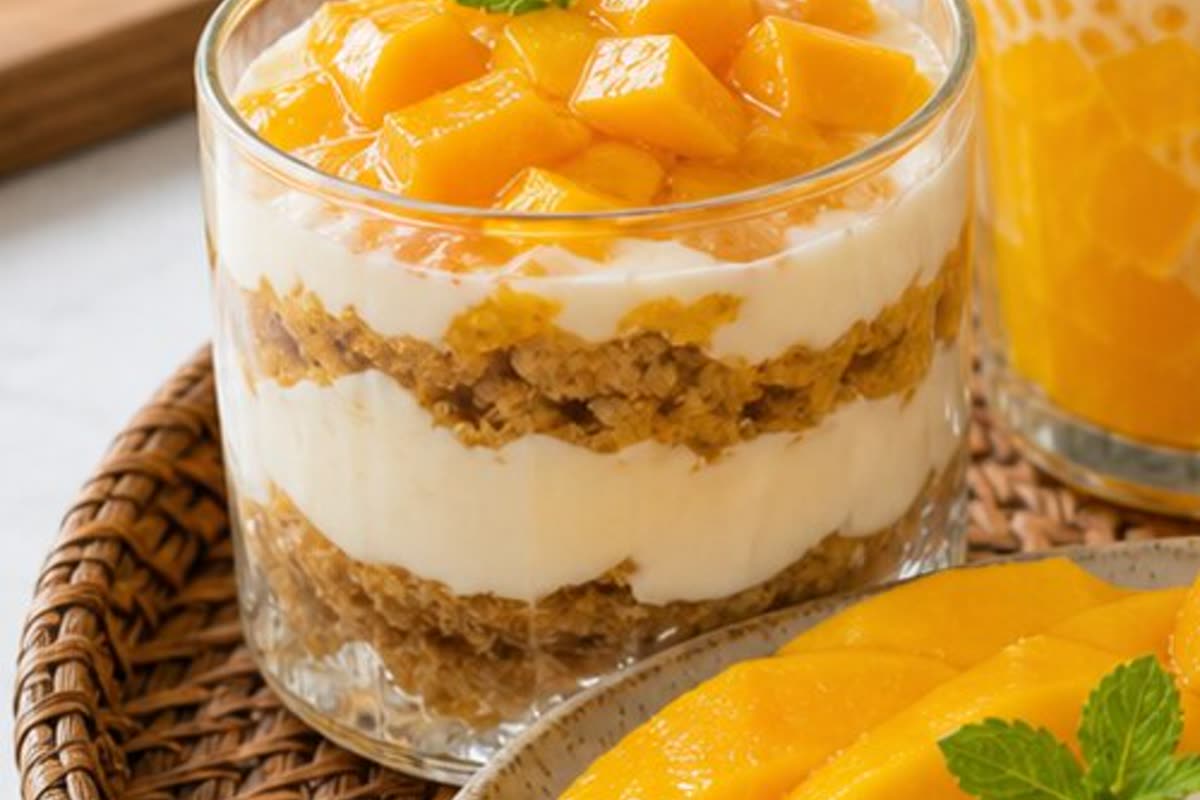
Desserts | Filipino | Party and Potluck
Mango Graham Float gets a complete home-kitchen treatment here, with practical ingredients, balanced seasoning, and clear steps for a dependable result.
Why make it: This version turns a useful flavor idea into a complete home recipe with clear shopping notes and a practical cooking process.
About This Recipe
Mango Graham Float gets a complete home-kitchen treatment here, with practical ingredients, balanced seasoning, and clear steps for a dependable result.
Why You Will Love It
- Practical for U.S. kitchens: the shopping list uses ingredients that are realistic to find in Filipino, Asian, and mainstream grocery stores.
- Clear method: the process separates prep, cooking, finishing, and serving so each stage is easy to follow.
- Flexible but focused: variation posts keep one core method and show exactly where the flavors change.
- Complete recipe: the article uses the same recipe card, quick facts, table of contents, tips, and FAQ structure as the rest of the site.
Ingredient Notes
Recipe Focus
This recipe develops the Mango Dessert Variations idea into a complete home method for Mango Graham Float.
Flavor Path
Use the variation ingredients to make the dish identifiable, but keep the base method stable so the texture stays reliable.
Kitchen Check
Taste before serving, then adjust sweetness, salt, texture, or finishing time to suit your ingredients and kitchen.
Mango Graham Float Recipe
Mango Graham Float gets a complete home-kitchen treatment here, with practical ingredients, balanced seasoning, and clear steps for a dependable result.
Shopping List
- ripe mangoes
- all-purpose cream
- condensed milk
- evaporated milk
- graham crackers
- sago pearls
- gulaman
- gelatin
- crepes
- glutinous rice
- coconut milk
- sesame seeds
- Mango Graham Float
Ingredients
Core Mango Mix
- 4 ripe mangoes, diced
- 1 cup all-purpose cream
- 1/2 cup condensed milk
- 1/2 cup evaporated milk
- 1 teaspoon vanilla
Variation Focus
- Graham crackers for mango float
- Extra mango slices
- Use ripe mango puree or diced ripe mango.
- Fold fresh mango in gently so it keeps shape.
Finish and Serve
- Taste before serving and adjust salt, sweetness, acid, or richness.
- Serve chilled except for sticky rice, which can be warm or room temperature.
Instructions
- Prepare the base ingredients for Mango Graham Float and keep the pieces evenly sized.
- Build the recipe around the mango graham float flavor path before the final cook or chill.
- Use ripe mango puree or diced ripe mango.
- Fold fresh mango in gently so it keeps shape.
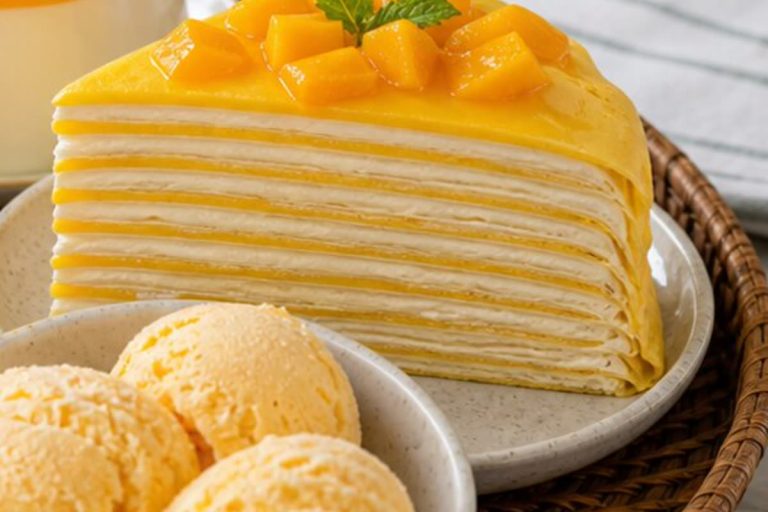
- For mango float, layer cream, mango, and graham crackers and chill until sliceable.
- For sago at gulaman, fold mango with cooked sago, diced gulaman, and sweet milk.
- For panna cotta, bloom gelatin and set mango cream in cups.
- Chill until the texture firms and the flavors settle.
- Serve cold, using a clean knife or scoop for neat portions.
Nutrition Estimate
Approximate values per serving based on the listed ingredients and yield. Actual nutrition will vary by brand, exact portion size, and cooking changes.
Tips For The Best Mango Graham Float
- Tip 1: Use ripe mango puree or diced ripe mango.
- Tip 2: Fold fresh mango in gently so it keeps shape.
- Test Batch: Make one small batch first, then adjust sweetness, salt, acid, or cooking time.
How To Serve And Store
Serve chilled except for sticky rice, which can be warm or room temperature. Refrigerate dairy-based desserts up to 3 days.
Common Questions
Can I make Mango Graham Float ahead?
Usually yes, but crisp fried foods are best served fresh while chilled desserts benefit from resting.
Can I use the parent recipe as a guide?
Yes. This recipe builds on the Mango Dessert Variations structure and focuses it on one variation.
What should I check before serving?
Check the texture and seasoning, then confirm the portions are right for the way you plan to serve it.
Can I change the flavor?
Yes. Keep the base technique the same and swap only the flavoring, filling, topping, or sauce.
Cook's note: Taste as you go and adjust sweetness, salt, texture, and finishing time for your ingredients.
Recipe developed as an original Filipino-American Cooking recipe for home kitchens.