Lumpiang Gulay: Crispy Filipino Vegetable Lumpia
 Recipe Guy
Vegetable lumpia | Crispy snack | Filipino merienda
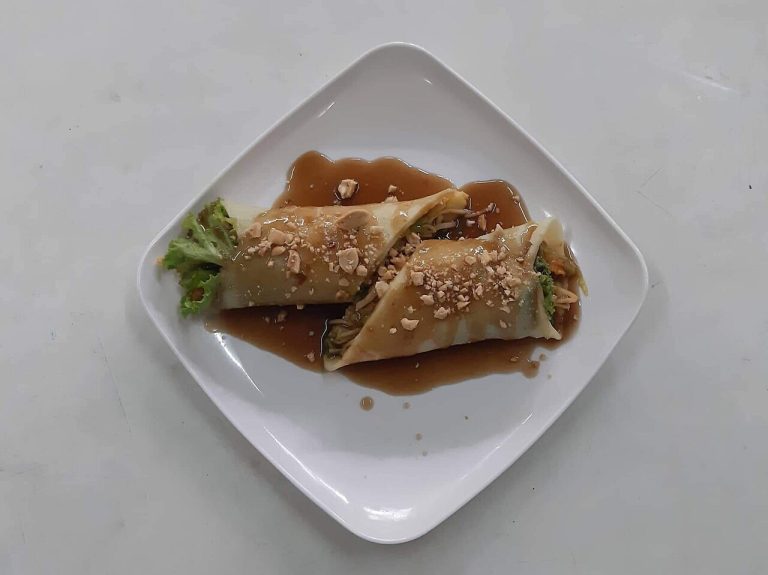
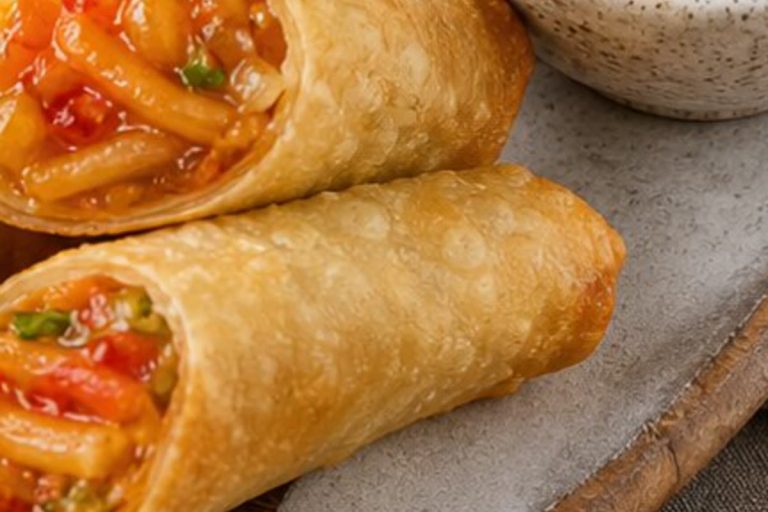
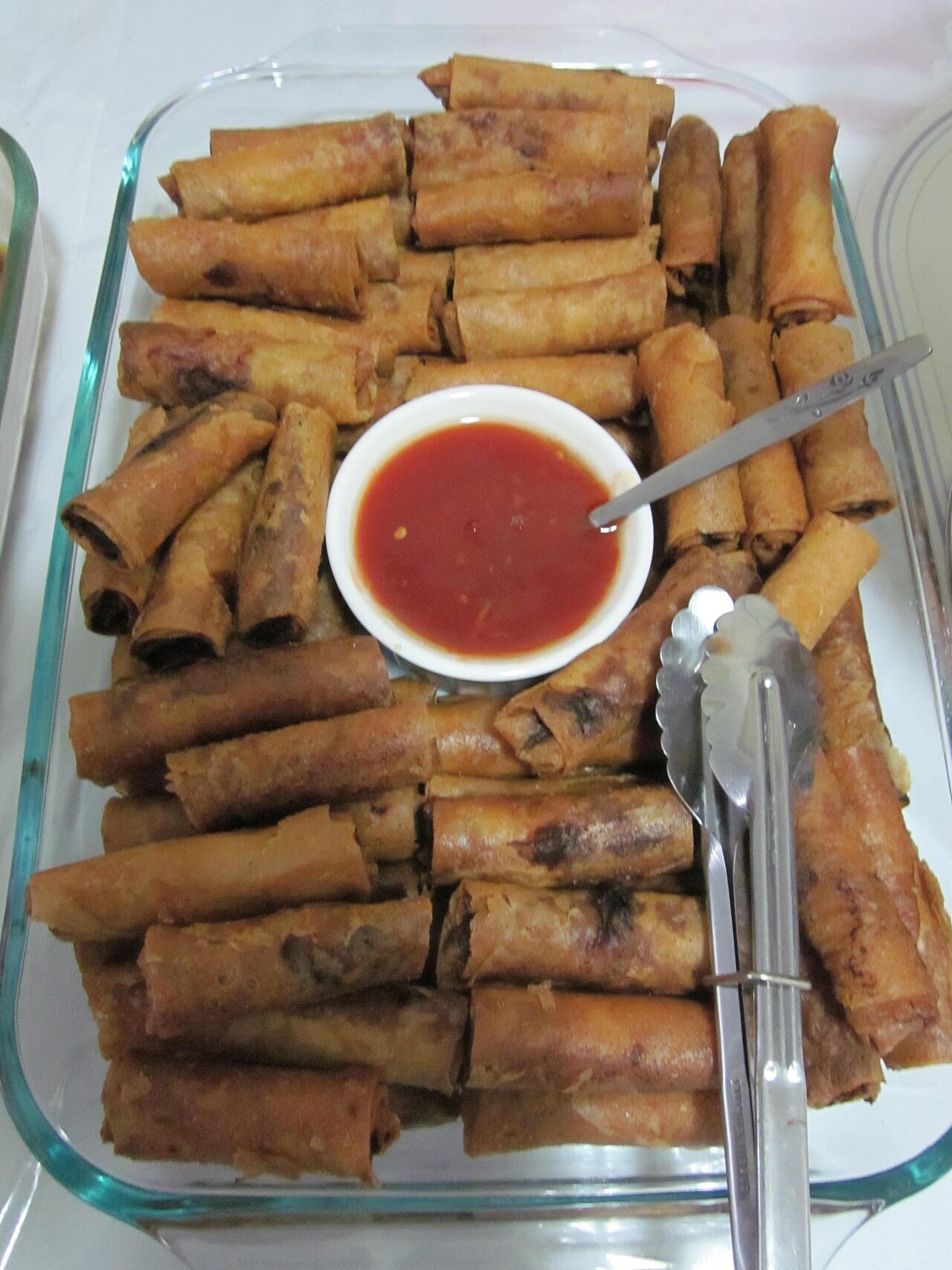
Lumpiang gulay is crisp outside and full of garlicky vegetables inside, the kind of snack that makes cabbage feel like party food.
Why make it: This version uses common U.S. vegetables, cooks the filling dry, and gives freezing notes for make-ahead lumpia trays.
Fresh From the Kitchen
About This Recipe
Lumpiang gulay are Filipino vegetable spring rolls filled with sauteed vegetables such as cabbage, carrots, green beans, and sometimes tofu or bean sprouts.
Why You Will Love It
- Practical for U.S. kitchens: the recipe uses ingredients and substitutions a home cook can realistically shop for.
- Built for the table: the serving notes match how the dish usually lands in Filipino-American homes, from weeknights to merienda to parties.
- Flexible without erasing the dish: swaps are named clearly so the original idea stays visible.
- Easy to cook through: the shopping list, timings, and storage notes make the recipe straightforward to test and adjust.
Ingredient Notes
For the filling
The vegetables should taste seasoned but not wet. Cook off excess moisture before wrapping.
For the wrappers
Thin frozen lumpia wrappers fry lighter than thick egg roll wrappers. Thaw them in the refrigerator before using.
Lumpiang Gulay Recipe
This version uses common U.S. vegetables, cooks the filling dry, and gives freezing notes for make-ahead lumpia trays.
Shopping List
- lumpia wrappers
- cabbage
- carrots
- green beans
- bean sprouts
- garlic
- onion
- soy sauce
- firm tofu optional
- neutral oil
- spiced vinegar
Ingredients
Vegetable Filling
- 2 tablespoons oil
- 1 onion, sliced
- 5 garlic cloves, minced
- 4 cups shredded cabbage
- 2 carrots, julienned
- 1 cup sliced green beans
- 2 cups bean sprouts
- 2 tablespoons soy sauce
Optional Protein
- 1 block firm tofu, pressed and crumbled
- Pinch of salt and pepper
Wrapping and Serving
- 24 lumpia wrappers
- Water or flour paste for sealing
- Neutral oil for frying
- Spiced vinegar or sweet chili sauce
Instructions
- Cook onion and garlic in oil until fragrant.
- Add tofu if using and cook until lightly browned.
- Add cabbage, carrots, green beans, bean sprouts, and soy sauce.
- Stir-fry until vegetables are tender but the pan is not watery, then cool completely.
- Place filling on lumpia wrappers, roll tightly, and seal the edges.
- Fry in batches until golden and crisp.
- Drain on a rack and serve with vinegar dip.
Nutrition Estimate
Approximate values per piece based on the listed ingredients and yield. Actual nutrition will vary by brand, exact portion size, and cooking changes.
Tips For The Best Lumpiang Gulay
- Cool the filling: Warm filling makes wrappers soggy.
- Drain if needed: Wet vegetables can burst through the wrapper.
- Roll tightly: Air pockets invite oil inside.
- Freeze flat: Freeze uncooked rolls on a tray before bagging them.
How To Serve And Store
Serve hot for merienda, potlucks, or as a vegetable side with rice. Reheat leftovers in an oven or air fryer to bring back the crunch.
Common Questions
Can I use egg roll wrappers?
Yes, but the shell will be thicker and chewier.
Can I add meat?
Ground pork or shrimp can be cooked into the filling if you want a heartier roll.
Can I air fry lumpiang gulay?
Yes. Brush or spray with oil and cook until browned and crisp.
How do I keep lumpia from getting soggy?
Cool and drain the filling, then fry close to serving time.
What vegetable has to be in lumpiang gulay for it to taste right to you? Share your family version or testing notes in the comments.
Recipe inspiration and technique reference: Filipino home-cooking source research from Panlasang Pinoy, Kawaling Pinoy, and Filipino-American cooking sources in the site roadmap.