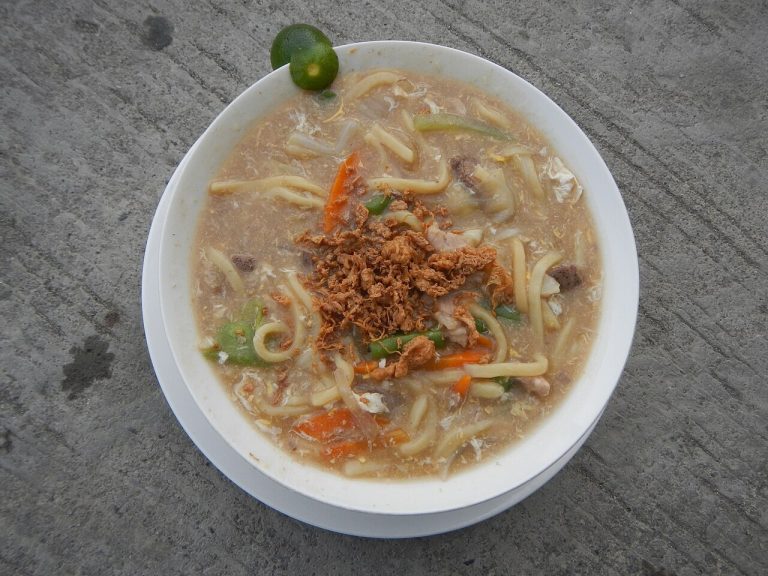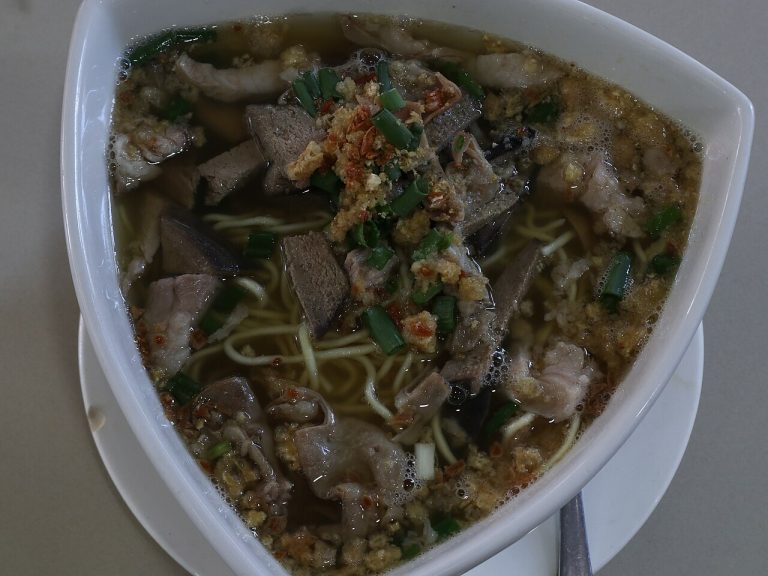
Beef Mami: Filipino-Chinese Beef Noodle Soup
 Recipe Guy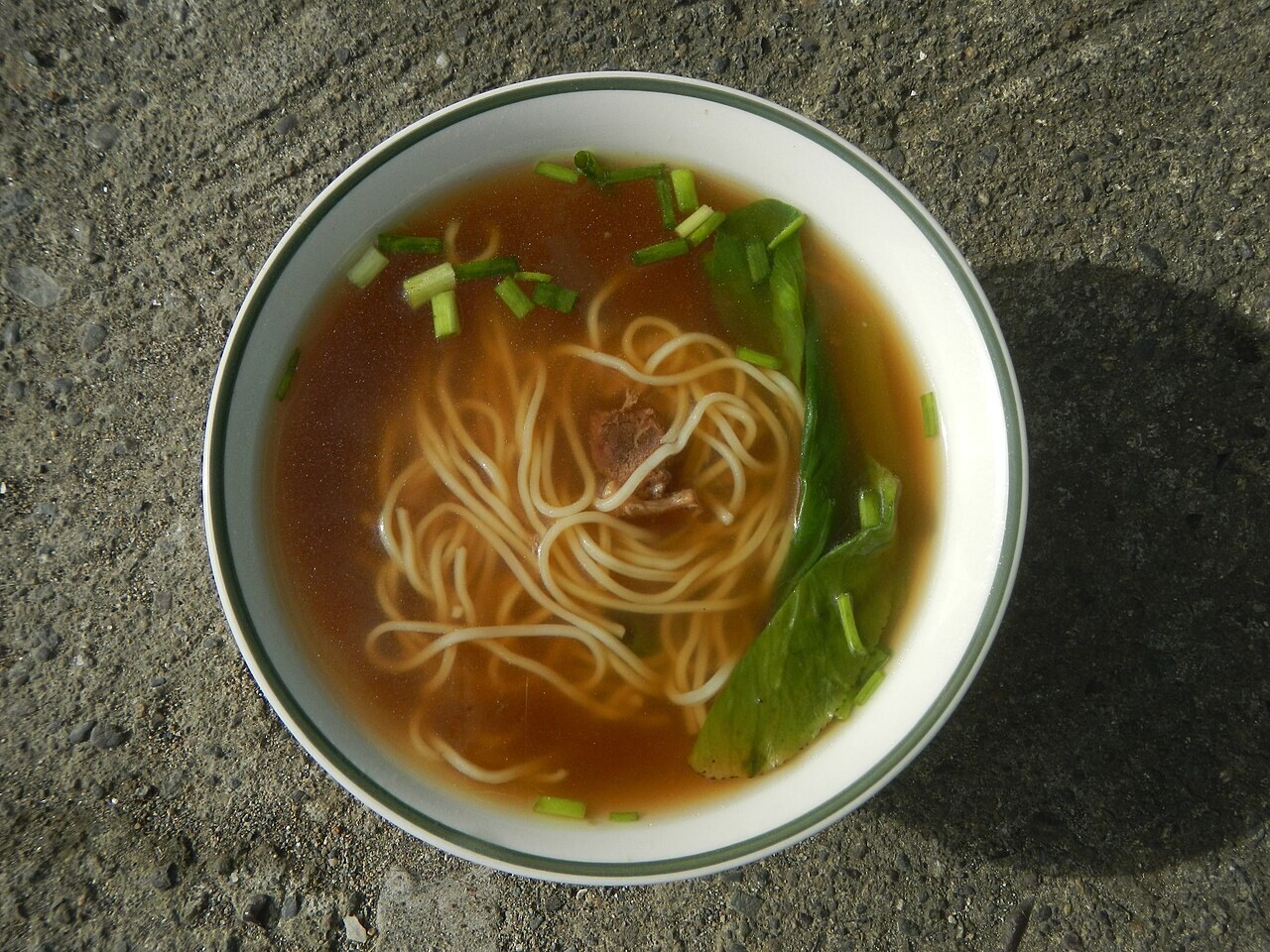
Filipino-Chinese noodle soup | Tender beef | Garlic topping
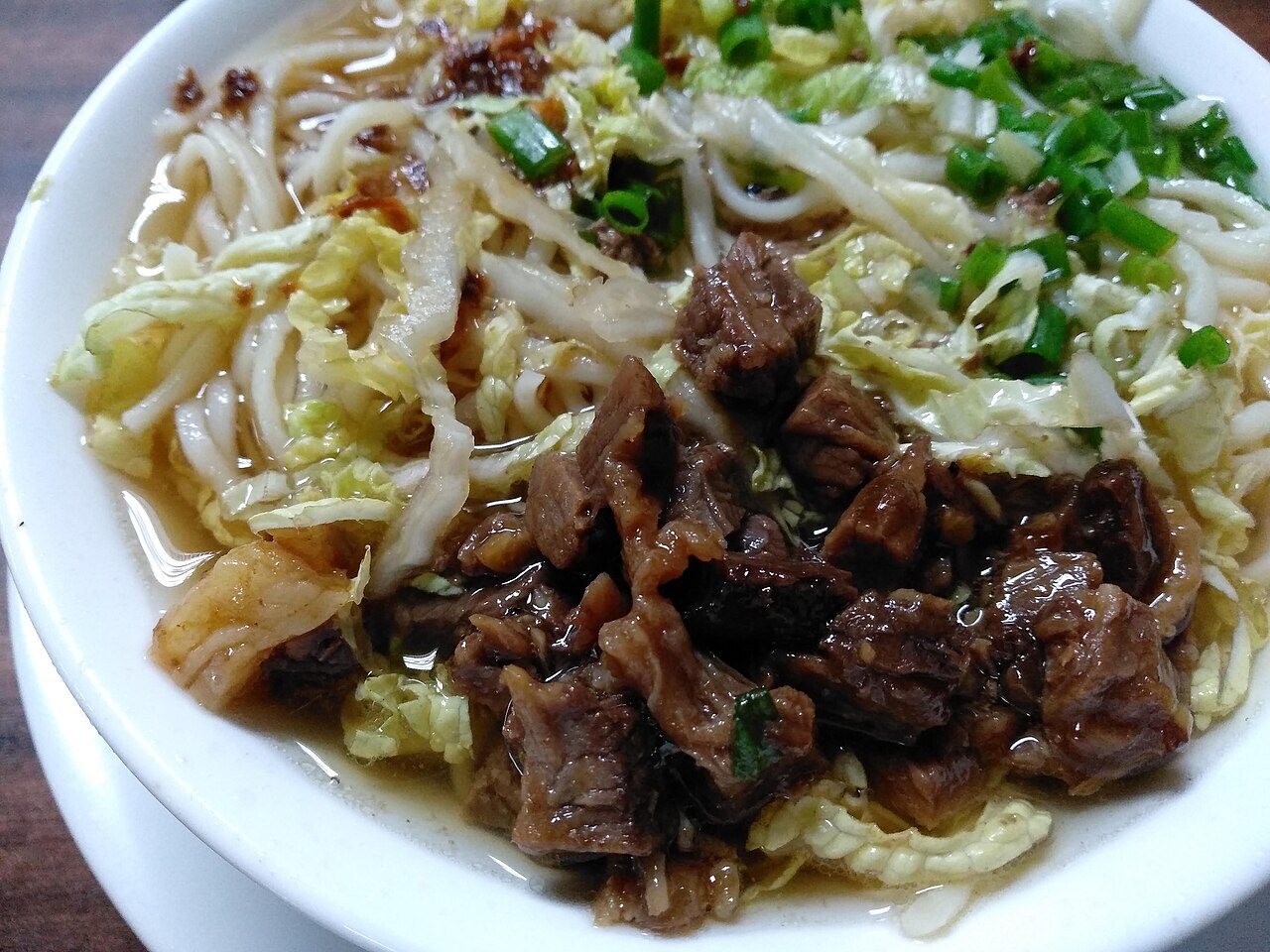
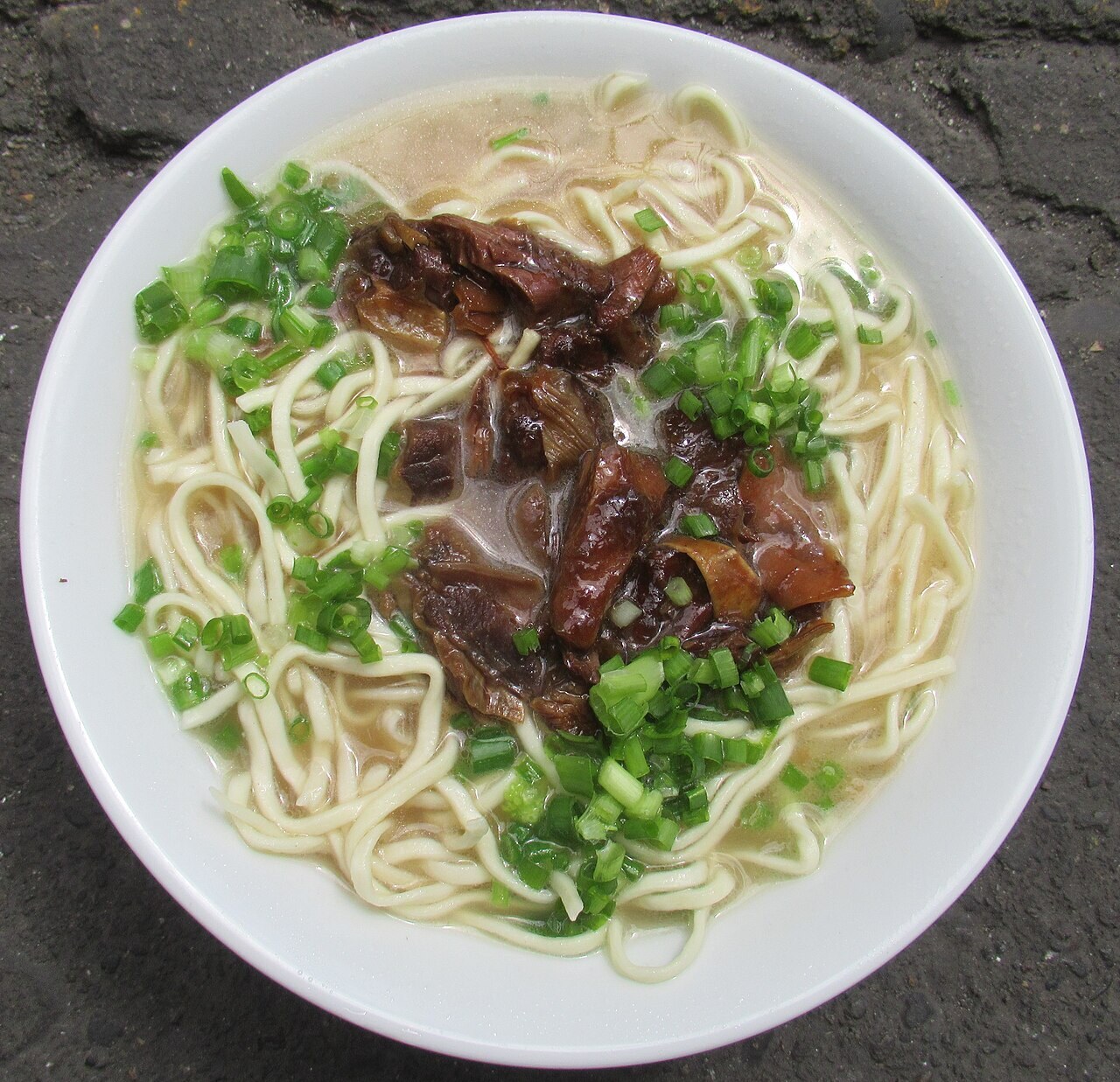
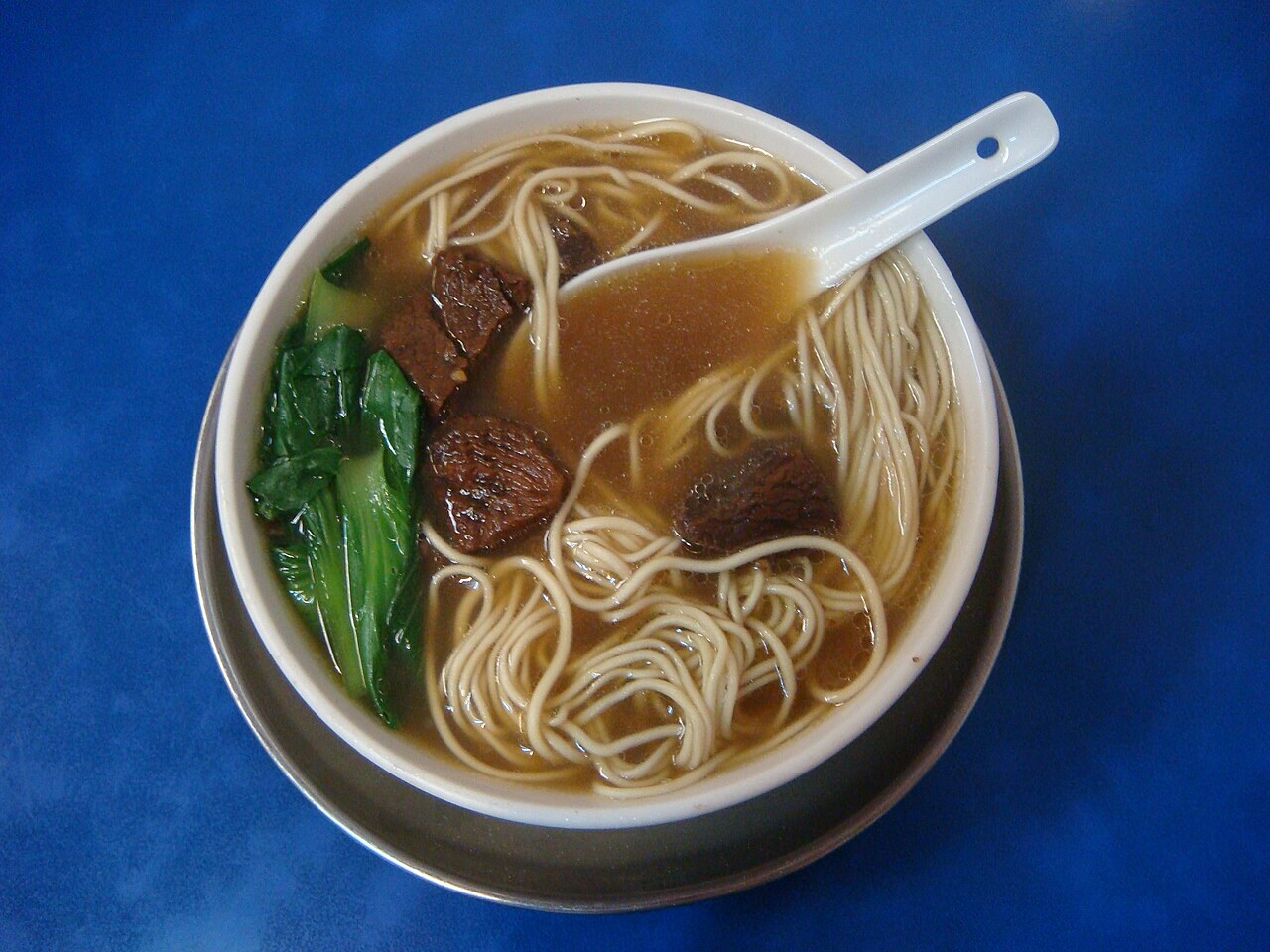
Beef mami brings together springy noodles, tender beef, clear savory broth, scallions, and fried garlic in one deeply comforting bowl.
Why make it: This version uses beef chuck or shank and a practical broth method that fits a home stovetop or pressure cooker.
Fresh From the Kitchen
About This Recipe
Beef mami is a Filipino-Chinese noodle soup with beef broth, egg noodles, slices of tender beef, scallions, and fried garlic. It is often served with soy-calamansi seasoning on the side.
Why You Will Love It
- Practical for U.S. kitchens: the recipe uses ingredients and substitutions a home cook can realistically shop for.
- Built for the table: the serving notes match how the dish usually lands in Filipino-American homes, from weeknights to merienda to parties.
- Flexible without erasing the dish: swaps are named clearly so the original idea stays visible.
- Easy to cook through: the shopping list, timings, and storage notes make the recipe straightforward to test and adjust.
Ingredient Notes
For the beef
Chuck is easy to find and becomes tender with time. Beef shank gives a more gelatin-rich broth if your market has it.
For the noodles
Fresh egg noodles are best. If using dried noodles, cook them separately so they do not cloud the broth.
Beef Mami Recipe
This version uses beef chuck or shank and a practical broth method that fits a home stovetop or pressure cooker.
Shopping List
- beef chuck or shank
- fresh egg noodles
- onion
- garlic
- ginger
- star anise optional
- soy sauce
- fish sauce
- green onions
- fried garlic
- bok choy optional
Ingredients
Beef Broth
- 2 pounds beef chuck or shank
- 9 cups water
- 1 onion, halved
- 4 garlic cloves, smashed
- 3 slices ginger
- 1 star anise, optional
- 2 tablespoons soy sauce
- 1 tablespoon fish sauce
Noodles and Greens
- 1 pound fresh egg noodles
- 2 cups baby bok choy or napa cabbage, optional
Toppings
- 1/4 cup fried garlic
- 3 green onions, sliced
- Calamansi or lemon wedges
- Extra soy sauce
Instructions
- Simmer beef with water, onion, garlic, ginger, optional star anise, soy sauce, and fish sauce until tender.
- Remove beef, strain the broth, and slice the meat across the grain.
- Taste the broth and adjust with soy sauce, fish sauce, or water.
- Cook egg noodles separately according to the package.
- Blanch bok choy or napa cabbage in the hot broth if using.
- Divide noodles among bowls and top with beef and greens.
- Ladle hot broth over the top and finish with fried garlic, scallions, and calamansi.
Nutrition Estimate
Approximate values per bowl based on the listed ingredients and yield. Actual nutrition will vary by brand, exact portion size, and cooking changes.
Tips For The Best Beef Mami
- Cook noodles separately: This keeps the broth clearer and cleaner-tasting.
- Slice beef after resting: The slices hold together better once the meat cools slightly.
- Use pressure cooking if needed: A pressure cooker can shorten the beef cooking time.
- Keep the broth simple: Mami should taste savory and clean, not heavy.
How To Serve And Store
Serve hot with calamansi, soy sauce, chile oil, or fried garlic on the side. Store broth and noodles separately for up to 4 days.
Common Questions
Can I use leftover braised beef?
Yes. Warm it in broth and adjust the seasoning.
What noodles work best?
Fresh egg noodles or thin wonton noodles are good choices.
Can I make it without star anise?
Yes. It adds aroma but is not required.
Can I freeze the broth?
Yes. Freeze broth and beef together, then cook fresh noodles later.
Do you season beef mami with calamansi, soy sauce, chile oil, or all of it? Share your family version or testing notes in the comments.
Recipe inspiration and technique reference: Filipino home-cooking source research from Panlasang Pinoy, Kawaling Pinoy, and Filipino-American cooking sources in the site roadmap.