
Ube Halaya: Filipino Purple Yam Jam
 Recipe Guy

Filipino ube jam | Purple yam | Dessert base
Ube halaya is a stirring project with a visible finish: the purple yam mixture becomes glossy, thick, and slow to settle back into the pot. Coconut milk, evaporated milk, and condensed milk make it rich enough for a small spoonful or a generous spread.
Why make it: This version uses frozen grated ube for a practical U.S. method with patient stirring cues.
Fresh From the Kitchen
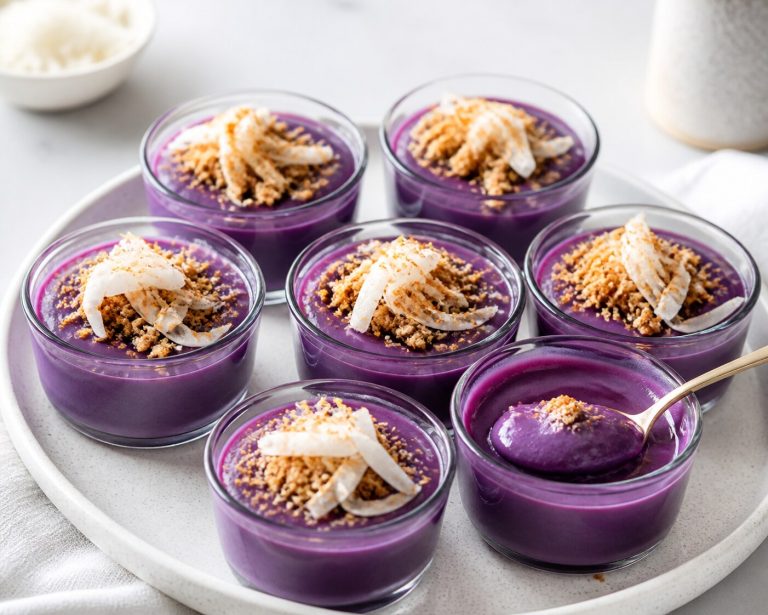
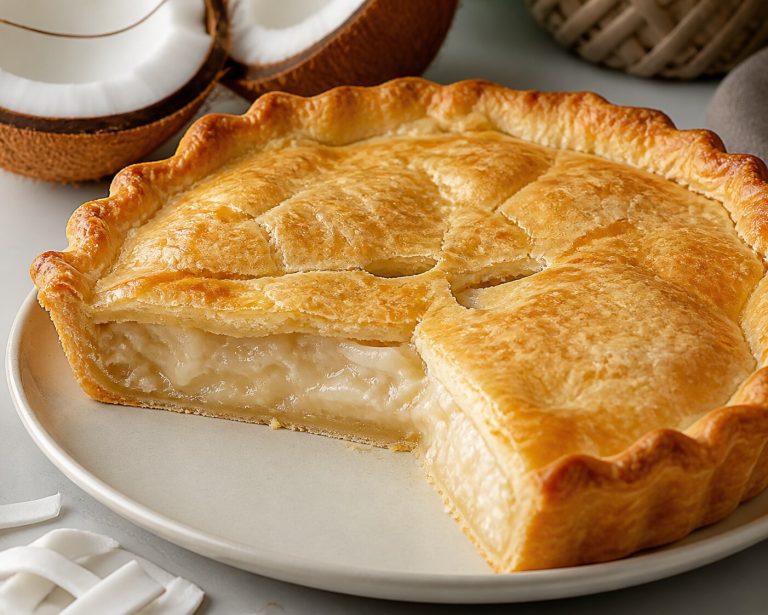
These photos show the colors, textures, and serving style to look for when making Ube Halaya.


About This Recipe
Frozen grated ube is the starting point, not merely a flavoring for a milk pudding. Thaw it before cooking so the yam can blend evenly with the milks and butter. A heavy pot makes the slow reduction easier to manage, especially once the spoon starts leaving tracks.
Keep attention on the bottom and corners as the mixture thickens. The optional extract belongs near the end and in a small amount; it supports the ube already in the pot rather than replacing its substance.
Cooking Notes
- Use a sturdy spatula that reaches the corners of the pot. Sweep the entire bottom with each stir instead of moving only the mixture in the middle.
- Mash visible yam lumps while the mixture is still loose enough to move easily. Waiting until the halaya is very thick makes it harder to smooth out stubborn pieces.
Ingredient Notes
For ube
Frozen grated ube is the most practical starting point for many U.S. cooks.
For texture
The two pounds of ube are cooked with 400 ml coconut milk, 354 ml evaporated milk, and 397 g sweetened condensed milk. Buy by those labeled quantities; smaller or larger cans change both reduction time and sweetness. Stir patiently until the mixture becomes a thick paste.
Ube Halaya Recipe
This version uses frozen grated ube for a practical U.S. method with patient stirring cues.
Yield: 32 portions (approximately 4 cups). Serving size: 2 tablespoons (one-thirty-second of the batch). Nutrition uses this portion count; dividing the batch differently changes the values per serving.
Shopping List
- frozen grated ube
- 400 ml unsweetened full-fat coconut milk
- 12 fl oz / 354 ml evaporated milk
- 14 oz / 397 g sweetened condensed milk
- sugar
- butter
- ube extract optional
Ingredients
Ube Jam
- 2 pounds frozen grated ube, thawed
- 1 can (400 ml) unsweetened full-fat coconut milk
- 1 can (12 fl oz / 354 ml) evaporated milk
- 1 can (14 oz / 397 g net weight) sweetened condensed milk
- 1/4 cup sugar, to taste
- 4 tablespoons butter
- 1/2 teaspoon ube extract, optional
For Finishing
- Extra butter for jars
For Serving
- Toast
- Halo-halo
- Pandesal
Instructions
- Combine ube, coconut milk, evaporated milk, condensed milk, sugar, and butter in a heavy pot.
- Cook over medium-low heat, stirring often.
- Mash and stir until smooth.
- Continue cooking until thick, glossy, and pulling from the sides.
- Add ube extract sparingly if using.
- Transfer to clean jars or a dish.
- Divide into shallow containers and refrigerate promptly at 40 F or below; cover once chilled. Do not treat this milk-based jam as shelf-stable canned preserves.
Nutrition Estimate
Approximate nutrition for 2 tablespoons (one-thirty-second of the batch). A 2-tablespoon portion assumes an approximately 4-cup final batch, a yield that has not been measured. Includes all sugar and the four tablespoons of recipe butter; extra jar butter, bread and other accompaniments are excluded. Calculated from published food data, not laboratory tested; brands and portions vary.
Tips For The Best Ube Halaya
- Use low heat: Milk solids can scorch.
- Stir patiently: Halaya thickens slowly.
- Go easy on extract: It should support, not dominate.
- Use a heavy pot: Thin pans burn easily.
How To Serve And Store
Serve chilled or briefly at room temperature. Refrigerate in shallow covered containers at 40 F or below within 2 hours of cooking or serving (1 hour above 90 F), and use within 3 to 4 days or freeze in small portions. This is a perishable milk-based spread, not a shelf-stable preserve.
Common Questions
Can I use fresh ube?
Yes, if cooked and mashed first.
Can I reduce condensed milk?
Yes, but texture and sweetness change.
Why is my halaya grainy?
The ube may need more mashing or blending.
Can I use it for baking?
Yes. It is a base for many ube desserts.
What does halaya look like when it is ready to transfer?
It should look glossy and pull away from the pot as you stir, rather than flow like a thin batter. Look for those changes together, since a dark pot can make the color alone misleading.
Can I leave out the ube extract?
Yes. The recipe already contains two pounds of grated ube. Extract adds an optional boost of color and aroma, but omitting it does not remove the yam that gives the halaya its body.
What do you make first when you have ube halaya? Share your family version or testing notes in the comments.
Recipe inspiration and technique reference: Filipino dessert and bakery source research from Panlasang Pinoy, Kawaling Pinoy, The Dusky Kitchen, and Filipino-American dessert sources in the site roadmap.
Technique and food-safety references: kawalingpinoy.com; verybestbaking.com; eaglebrand.com; biona.co.uk; ask.fsis.usda.gov.

