Pancit Bihon: Filipino Rice Noodles for Birthdays and Weeknights
 Recipe Guy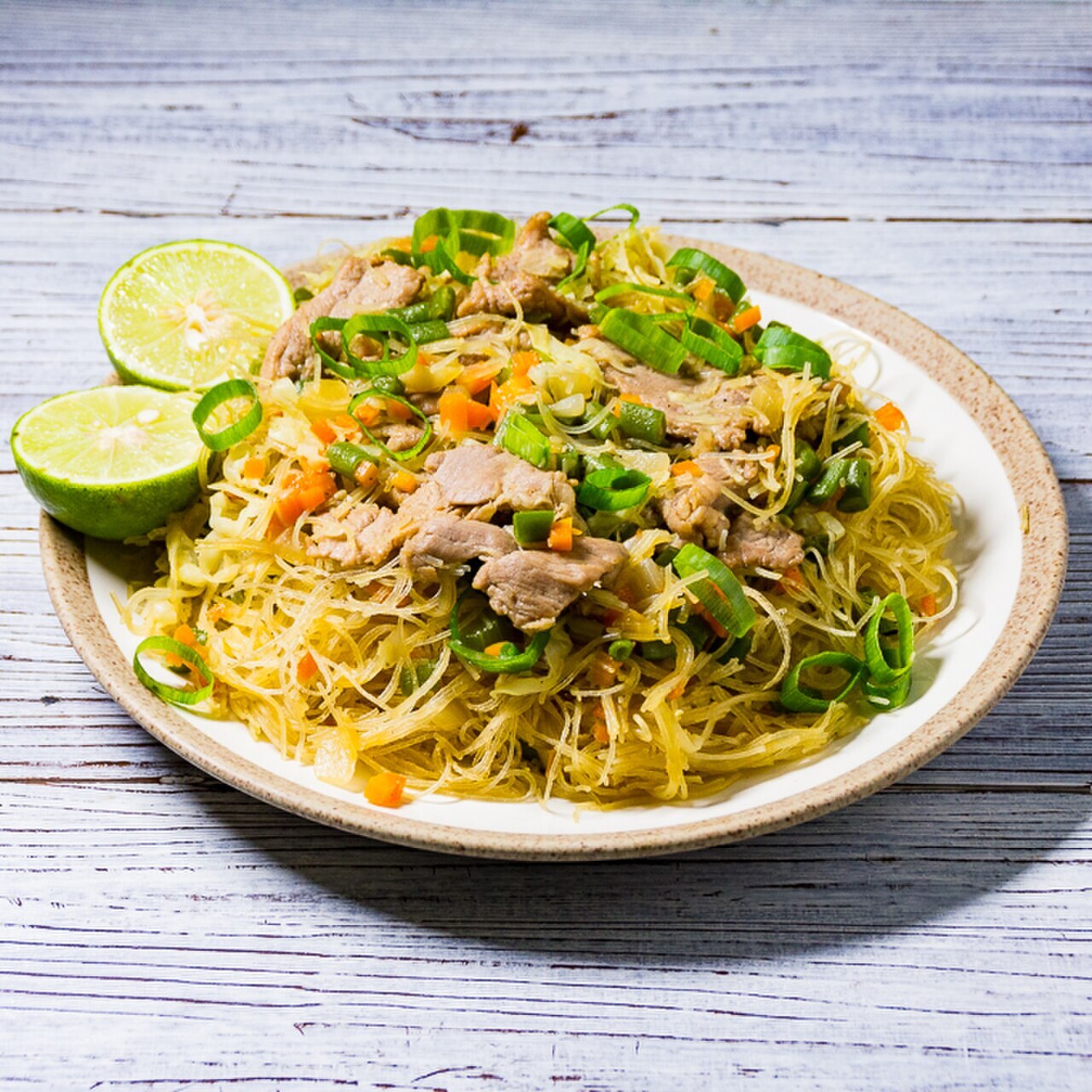
Filipino noodles | Party tray | Weeknight dinner
Pancit bihon is the Filipino noodle dish that can be a birthday centerpiece, a weeknight dinner, or the tray someone brings because everyone will eat it.
Why make it: this version uses rice noodles, chicken, vegetables, and a savory broth-soy seasoning that keeps the noodles flavorful without turning them mushy.
Fresh From the Oven
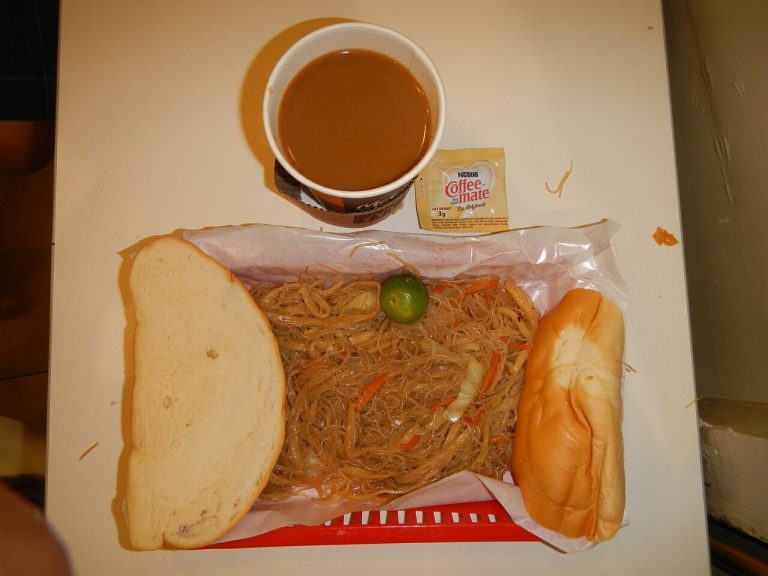
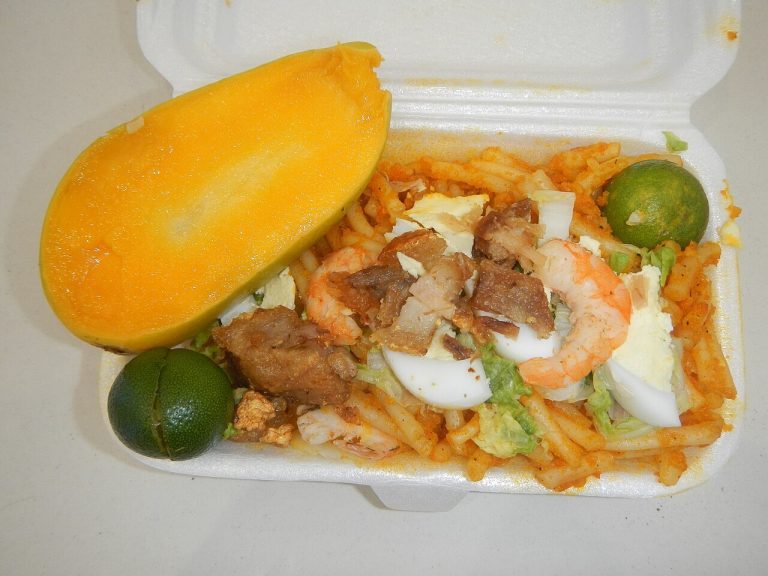
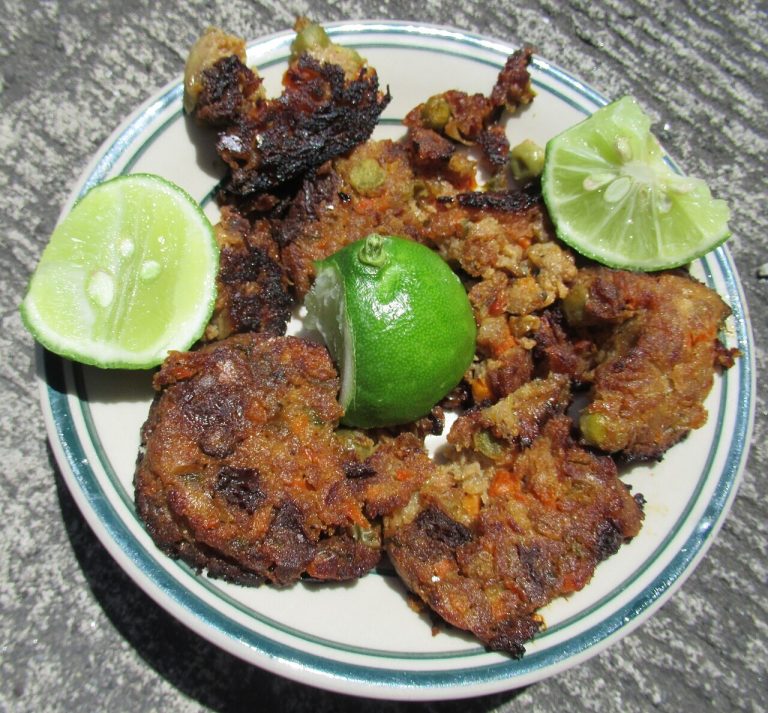
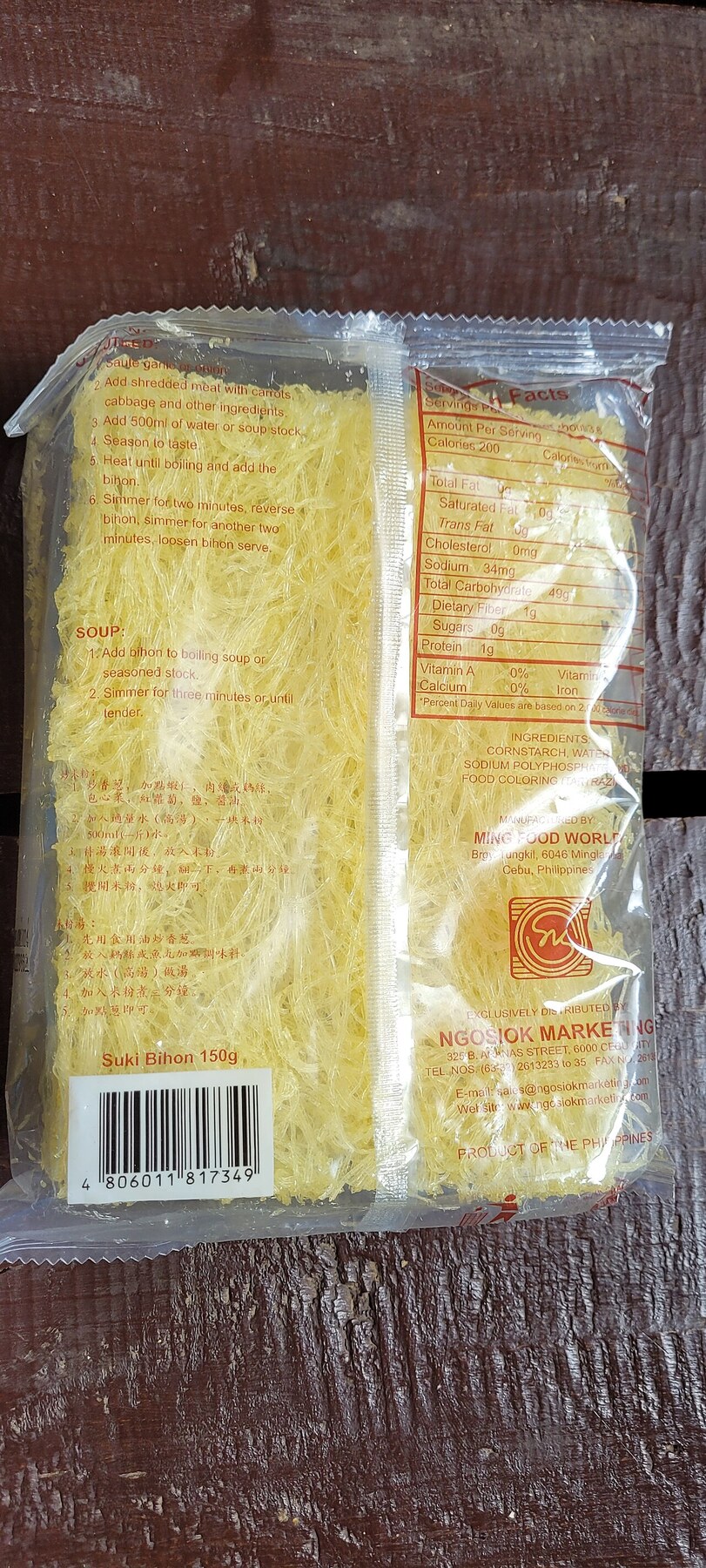
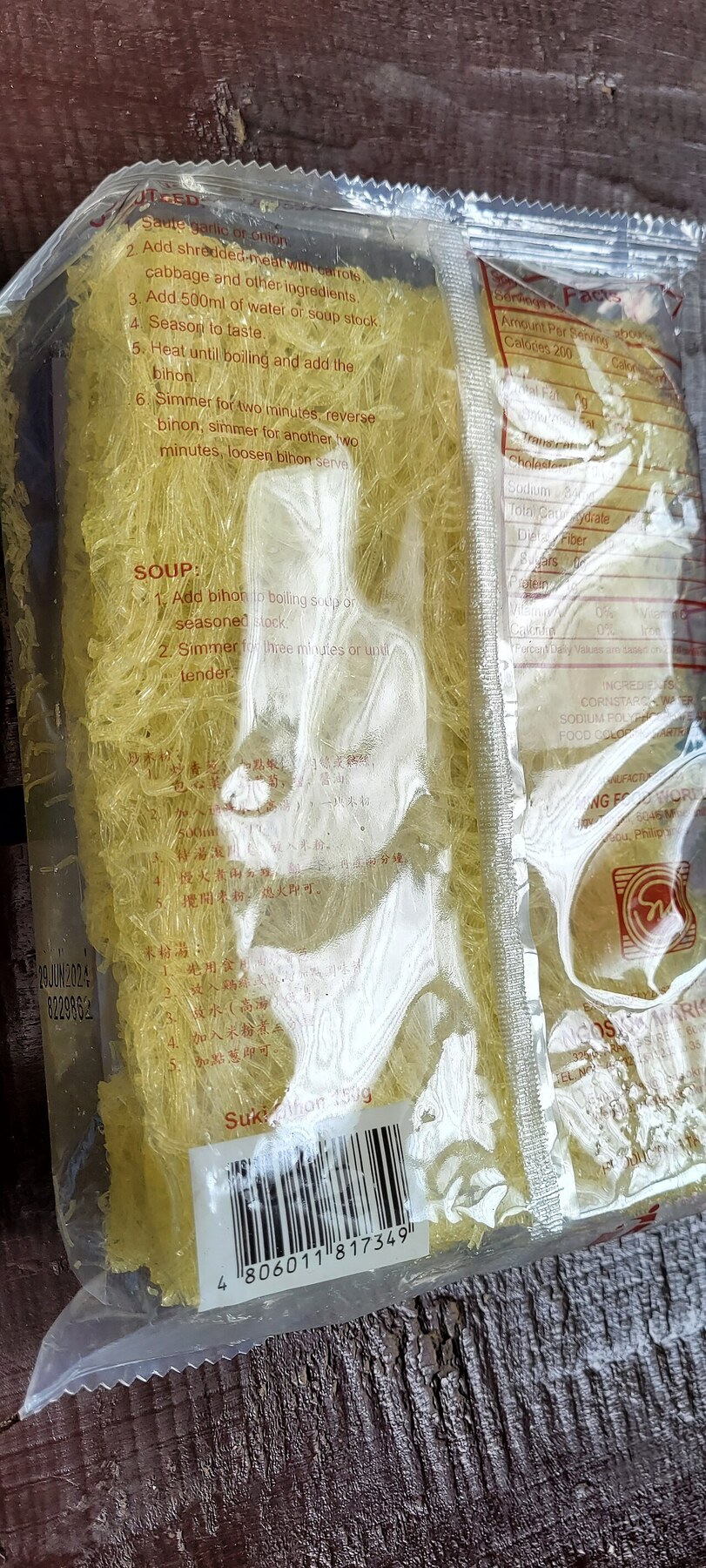
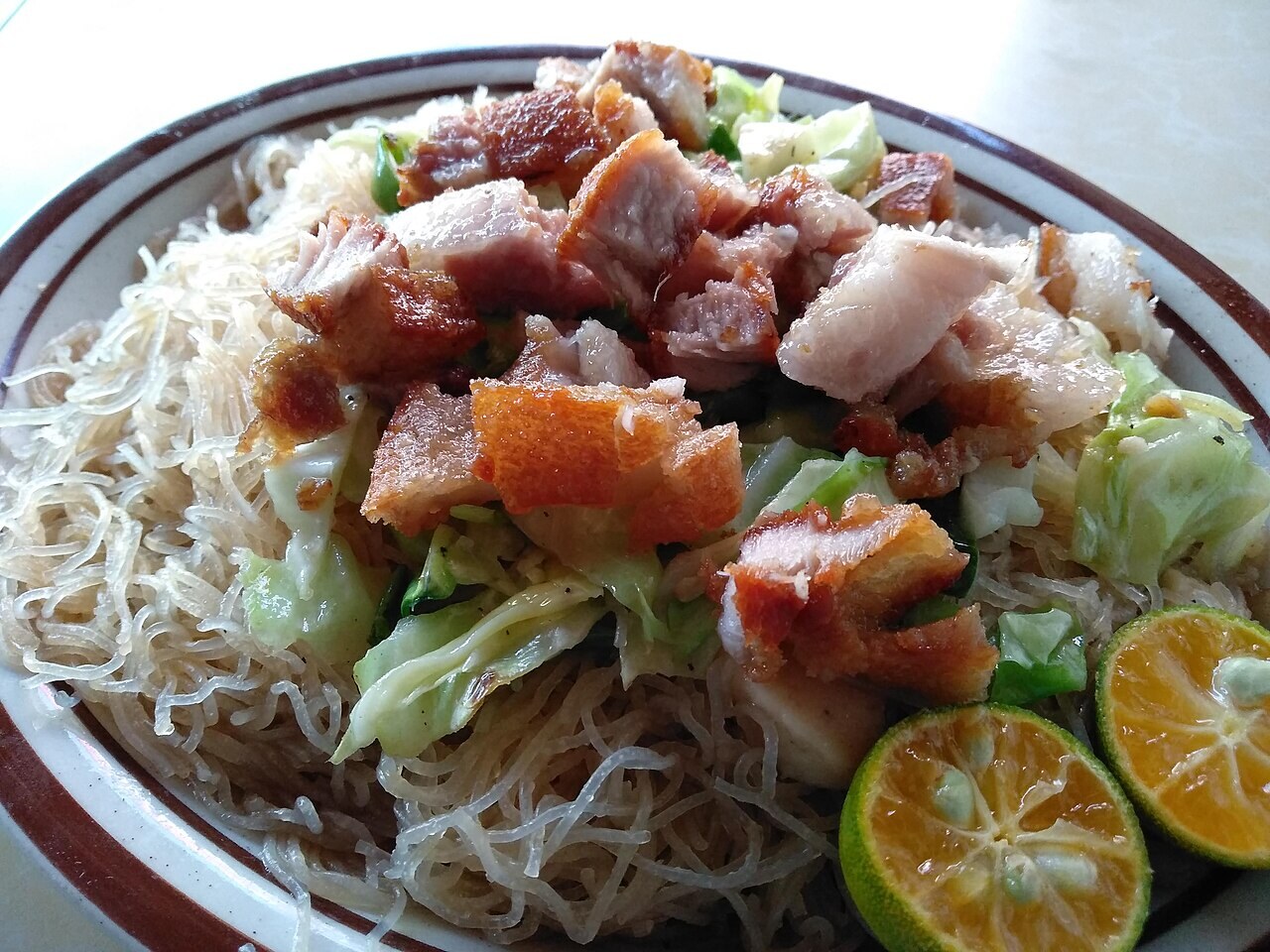
These photos show the thin bihon noodles, colorful vegetables, and party-platter style that make pancit so flexible.
About This Recipe
Pancit bihon is a Filipino stir-fried rice noodle dish. The thin noodles soak up broth and seasonings, then get tossed with meat, seafood, vegetables, and citrus at the table.
Why You Will Love It
- Party friendly: it scales well for birthdays, holidays, and potlucks.
- Weeknight useful: small amounts of chicken and vegetables stretch into a full meal.
- Bright at the table: calamansi, lemon, or lime wakes up the noodles right before serving.
- Easy to vary: shrimp, pork, tofu, or extra vegetables all fit.
Ingredient Notes
For the noodles
Bihon noodles are thin rice noodles. Soak them just until pliable, not fully soft, because they continue cooking in the pan.
For the broth and seasoning
Chicken broth is the main flavor carrier. Season it before the noodles go in. Oyster sauce is optional, but it adds body and a little sweetness.
Pancit Bihon Recipe
Filipino rice noodles with chicken, vegetables, and a savory broth-soy seasoning, written for a U.S. home kitchen.
Ingredients
Noodles And Protein
- 8 ounces bihon rice noodles
- 2 tablespoons neutral oil
- 1 pound boneless chicken thighs or breast, thinly sliced
Vegetables And Sauce
- 1 small onion, thinly sliced
- 4 garlic cloves, minced
- 2 carrots, cut into thin matchsticks
- 2 cups thinly sliced cabbage
- 1 cup green beans or snap peas, sliced on the bias
- 2 cups chicken broth
- 3 tablespoons soy sauce
- 1 tablespoon oyster sauce, optional
- 1/2 teaspoon ground black pepper
For Serving
- 2 green onions, sliced
- Calamansi, lemon, or lime wedges, for serving
Instructions
- Soak the bihon noodles in warm water until pliable, 8 to 10 minutes. Drain well.
- Heat 1 tablespoon oil in a wok or wide skillet over medium-high heat. Cook the chicken until lightly browned and just cooked through. Transfer to a plate.
- Add the remaining oil, onion, and garlic. Cook until fragrant, about 1 minute.
- Add the carrots, cabbage, and green beans. Stir-fry until crisp-tender, 3 to 4 minutes.
- Stir together the broth, soy sauce, oyster sauce, and pepper.
- Return the chicken to the pan. Add the drained noodles and pour the broth mixture over the top.
- Toss steadily until the noodles absorb the liquid and become tender, 4 to 6 minutes. Add a splash of water if the pan dries out before the noodles soften.
- Fold in the green onions. Serve with calamansi, lemon, or lime.
Nutrition Estimate
Approximate values per serving based on the listed ingredients and yield. Actual nutrition will vary by brand, exact portion size, and cooking changes.
Tips For The Best Pancit Bihon
- Do not over-soak: the noodles should be pliable, not fully soft, before they hit the pan.
- Cut vegetables thinly: they cook quickly and mix evenly into the noodles.
- Toss with tongs: lifting and turning helps the sauce coat the bihon.
- Finish with citrus: add calamansi, lemon, or lime at the table for brightness.
How To Serve And Store
Serve as a main dish or as part of a party spread with lumpia, barbecue skewers, and rice. Refrigerate leftovers for up to 3 days. Reheat in a skillet with a splash of water or broth.
Common Questions
Can I add shrimp?
Yes. Cook shrimp separately for 1 to 2 minutes, remove them, and fold them back in at the end.
Can I make this vegetarian?
Use vegetable broth, skip the chicken, and add mushrooms, tofu, or extra vegetables.
Can I make it ahead?
Yes, but pancit is best the day it is cooked. For parties, prep the vegetables and sauce ahead, then cook closer to serving.
What noodles should I buy?
Look for bihon, rice sticks, or thin rice vermicelli. Avoid thick rice noodles, which cook differently and will not give the same texture.
Do you like pancit bihon with chicken, shrimp, pork, or all vegetables? Share your family version.
Recipe inspiration and technique reference: pancit bihon methods from Panlasang Pinoy, Kawaling Pinoy, and Filipino party-tray pancit traditions.