Nilagang Baka: Filipino Beef Soup with Cabbage and Potatoes
 Recipe Guy

Filipino beef soup | Clear broth | Family dinner
Beef shank or chuck, onion, and whole peppercorns make a broth worth keeping simple. Potatoes give nilagang baka substance, cabbage brings a little sweetness, and fish sauce with calamansi on the side lets the meat take a sharper turn at the table.
Why make it: This version includes stovetop and pressure-cooker notes for getting supermarket beef tender without losing the clean broth.
Fresh From the Kitchen
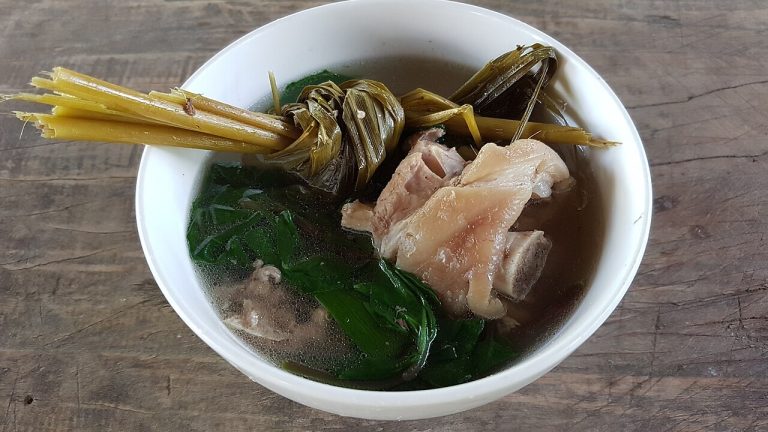
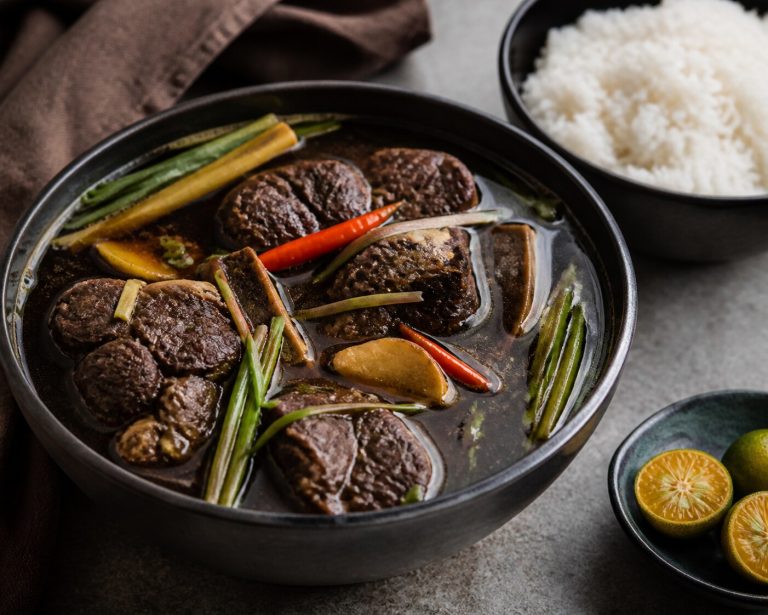
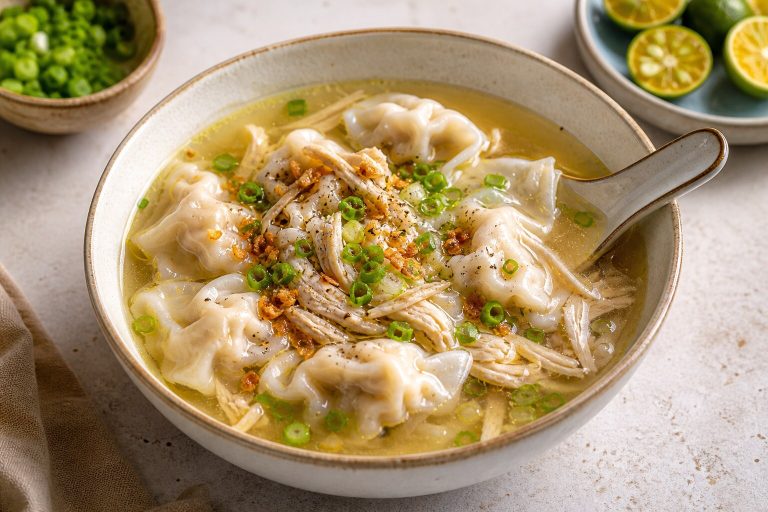
These photos show the colors, textures, and serving style to look for when making Nilagang Baka.


About This Recipe
The beef sets the pace for this soup. Large pieces may need different simmering times, so check that the meat yields easily before adding the potatoes. Skim the surface near the beginning, then keep the pot at a gentle simmer rather than a rolling boil.
Optional corn joins the potatoes, followed by green beans and cabbage. This staggered approach leaves something to bite into beside the tender beef. A separate dish of rice is useful for catching broth without filling the soup pot with starch.
Cooking Notes
- Cut cabbage into wedges with a small piece of core holding each together. Lower them into the broth gently so they cook as portions instead of scattering into loose leaves.
- Test a potato quarter with a thin knife before adding the green beans. It should be nearly tender already, since the final vegetables need only a short simmer.
Ingredient Notes
For the beef
Beef shank gives body and marrow flavor. Chuck is easier and still tender when simmered.
For the broth
The soup should be clear and savory, so skim foam early and season gradually.
Nilagang Baka Recipe
This version includes stovetop and pressure-cooker notes for getting supermarket beef tender without losing the clean broth.
Shopping List
- beef shank or chuck
- onion
- peppercorns
- fish sauce
- potatoes
- cabbage
- green beans
- corn optional
- rice
Ingredients
Broth
- 3 pounds beef shank or chuck, cut into large pieces
- 10 cups water
- 1 onion, quartered
- 1 teaspoon whole peppercorns
- 2 tablespoons fish sauce
Vegetables
- 3 potatoes, quartered
- 2 ears corn, cut into pieces, optional
- 2 cups green beans
- 1 small cabbage, cut into wedges
For Serving
- Steamed rice
- Fish sauce with calamansi or chile
Instructions
- Cover beef with water and bring to a boil. Skim foam from the surface.
- Add onion, peppercorns, and fish sauce.
- Simmer gently until beef is tender, about 2 hours depending on the cut.
- Add potatoes and corn if using and cook until nearly tender.
- Add green beans and cabbage and simmer until just cooked.
- Taste the broth and adjust fish sauce.
- Serve hot with rice and dipping sauce on the side.
Nutrition Estimate
Approximate values per serving based on the listed ingredients and yield. Actual nutrition will vary by brand, exact portion size, and cooking changes.
Tips For The Best Nilagang Baka
- Simmer gently: A hard boil clouds the broth.
- Skim early: This makes a cleaner soup.
- Add vegetables in stages: Potatoes need more time than cabbage.
- Use pressure cooking: Cook beef under pressure first, then add vegetables after.
How To Serve And Store
Serve hot with rice and fish sauce dip. Refrigerate up to 4 days.
Common Questions
Can I use short ribs?
Yes. They make a rich nilaga.
Can I add saba banana?
Yes, if you like a slightly sweet note.
How do I keep cabbage from overcooking?
Add it near the end.
Can I use chuck instead of beef shank for nilagang baka?
Yes. Both are listed for this soup. Keep the chuck in substantial pieces and judge it by tenderness, not by the clock alone; the vegetables should wait until the beef no longer resists a fork.
How can I keep the cabbage from becoming limp?
Do not put it in with the beef at the start. Add the wedges with the green beans near the end, and stop simmering when the thick parts are tender but the leaves still hold together.
What vegetables belong in nilaga at your table? Share your family version or testing notes in the comments.
Recipe inspiration and technique reference: Filipino home-cooking source research from Panlasang Pinoy, Kawaling Pinoy, and Filipino-American cooking sources in the site roadmap.