Laing: Filipino Coconut Greens with Chiles
 Recipe Guy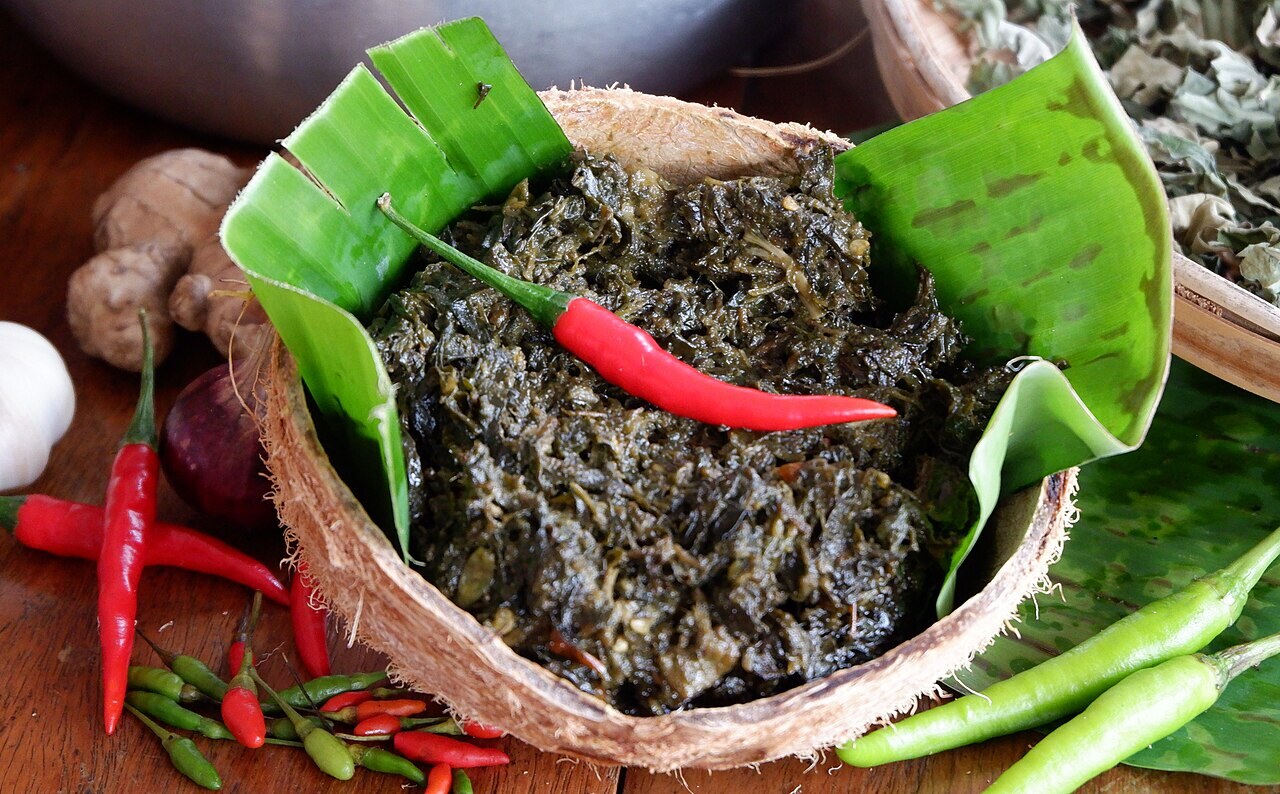
Bicolano classic | Coconut greens | Spicy side
Laing is rich, spicy, and coconut-deep, with greens simmered until they soak up ginger, garlic, chiles, and bagoong.
Why make it: This version explains taro leaf safety and gives careful U.S. shopping notes without pretending spinach is the exact same dish.
Fresh From the Kitchen
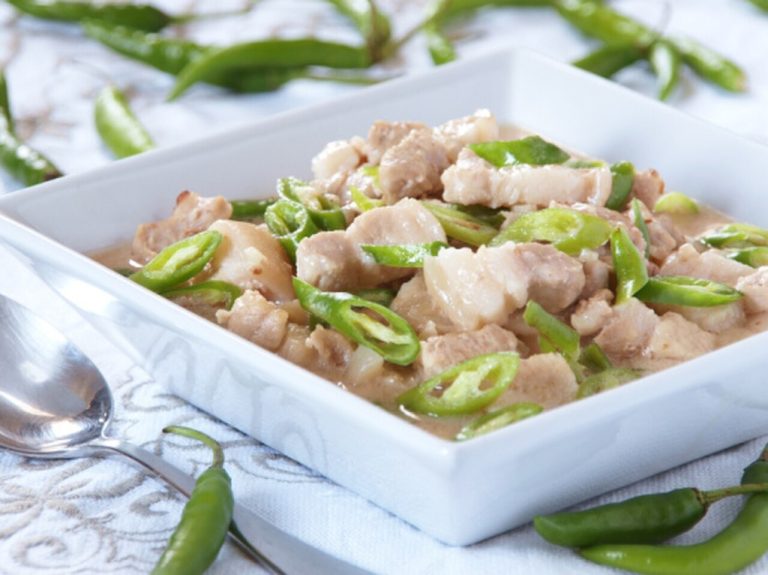
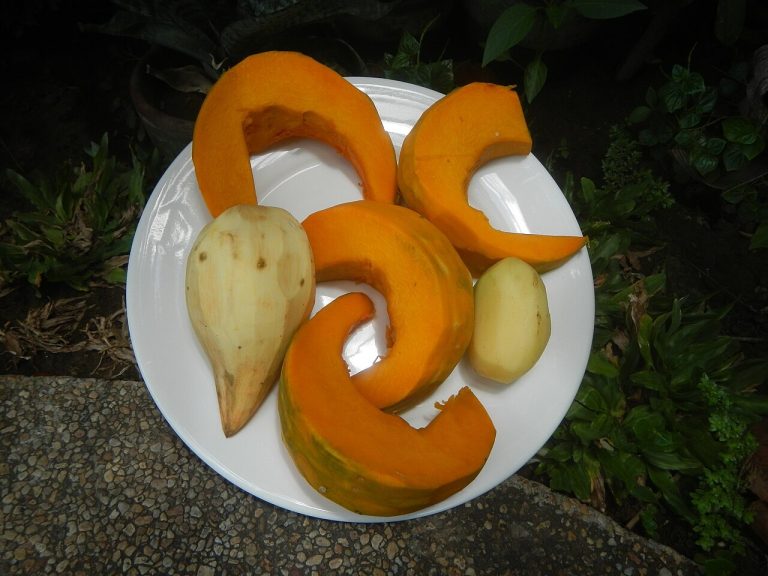
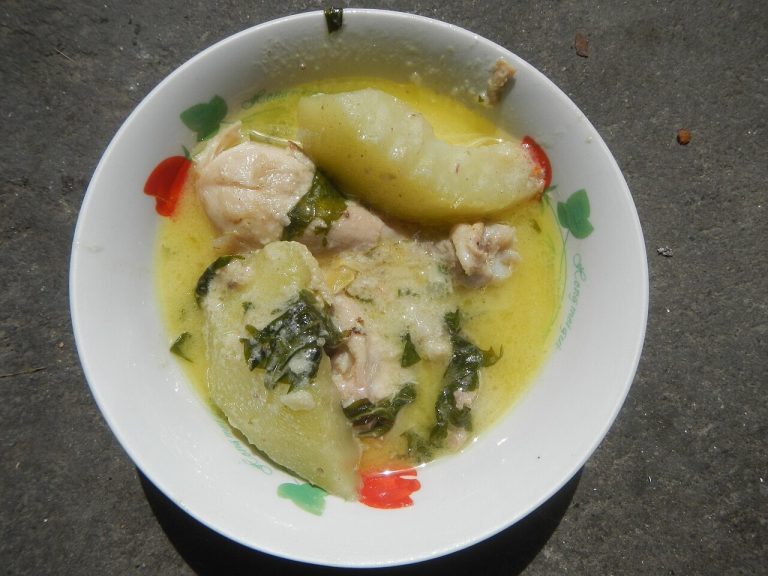
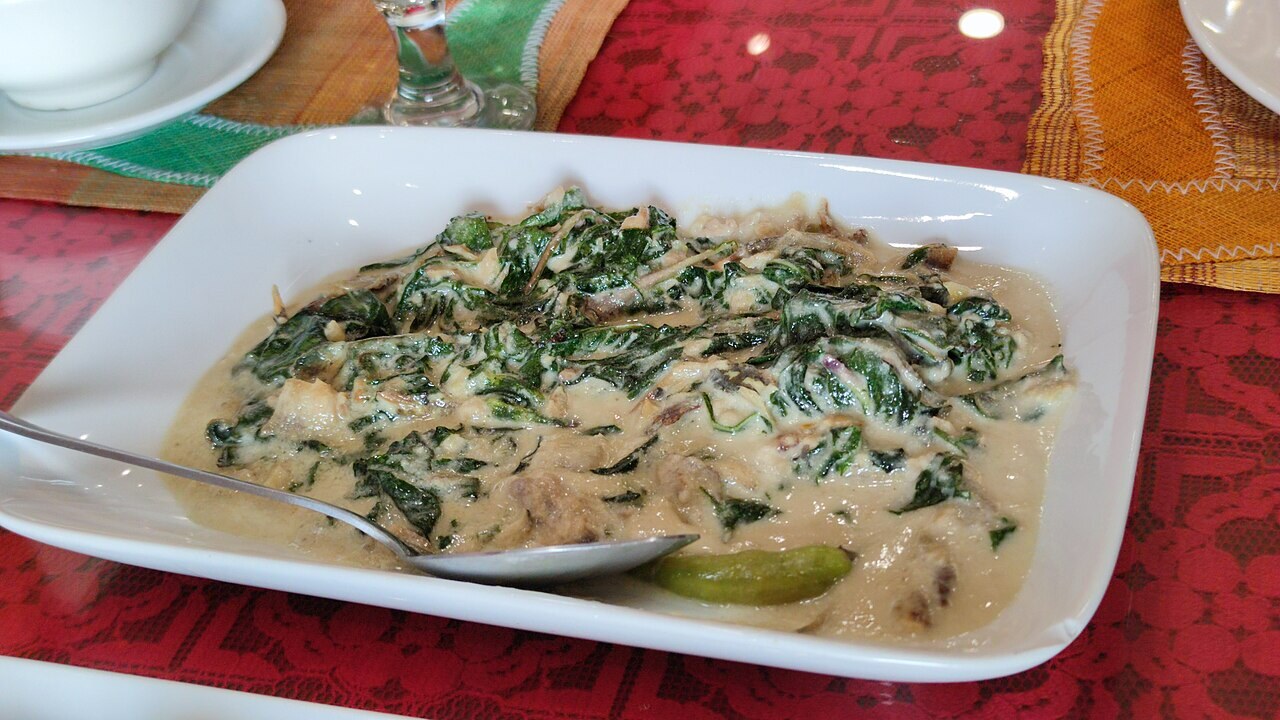
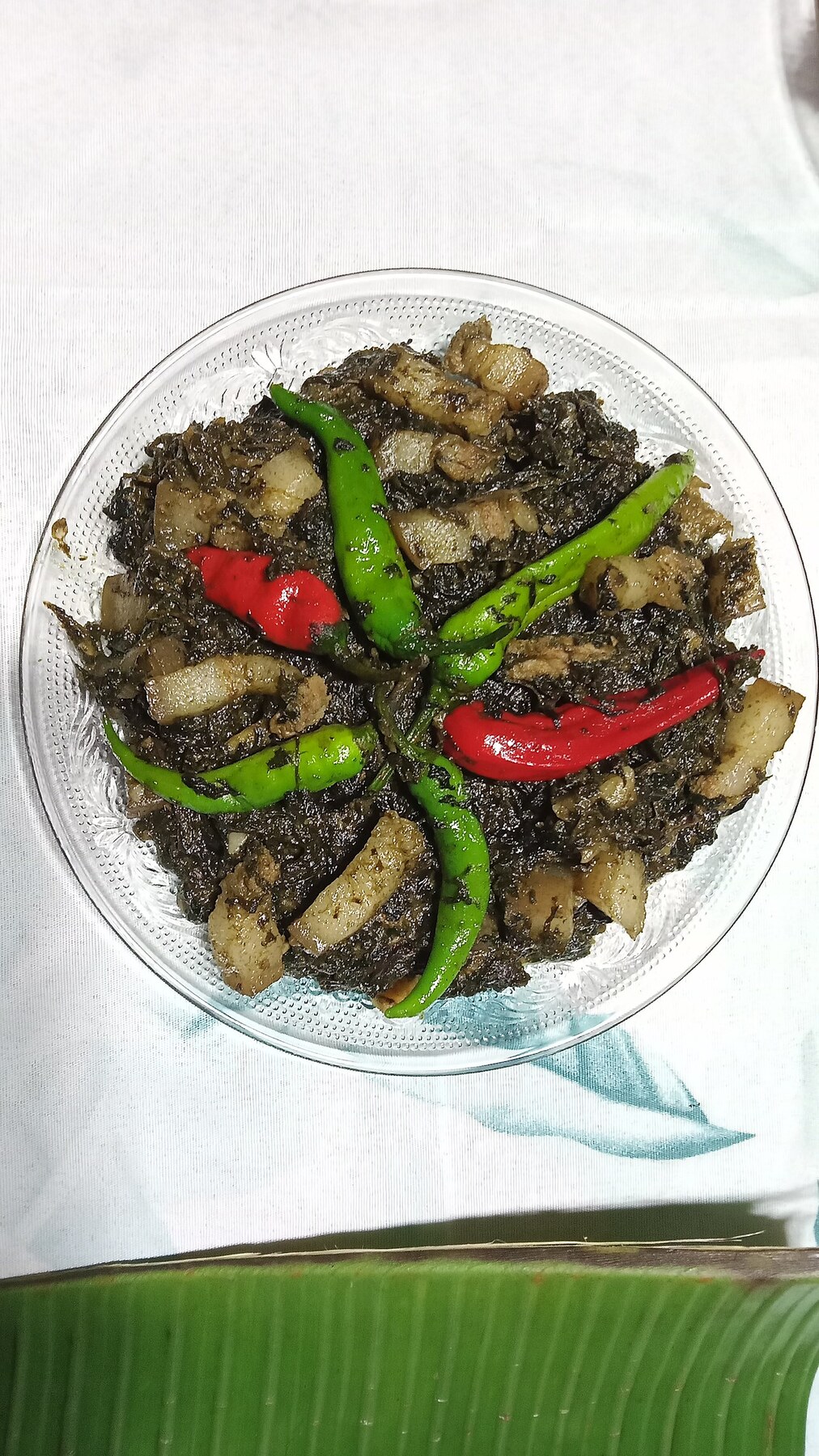
These photos show the colors, textures, and serving style to look for when making Laing.
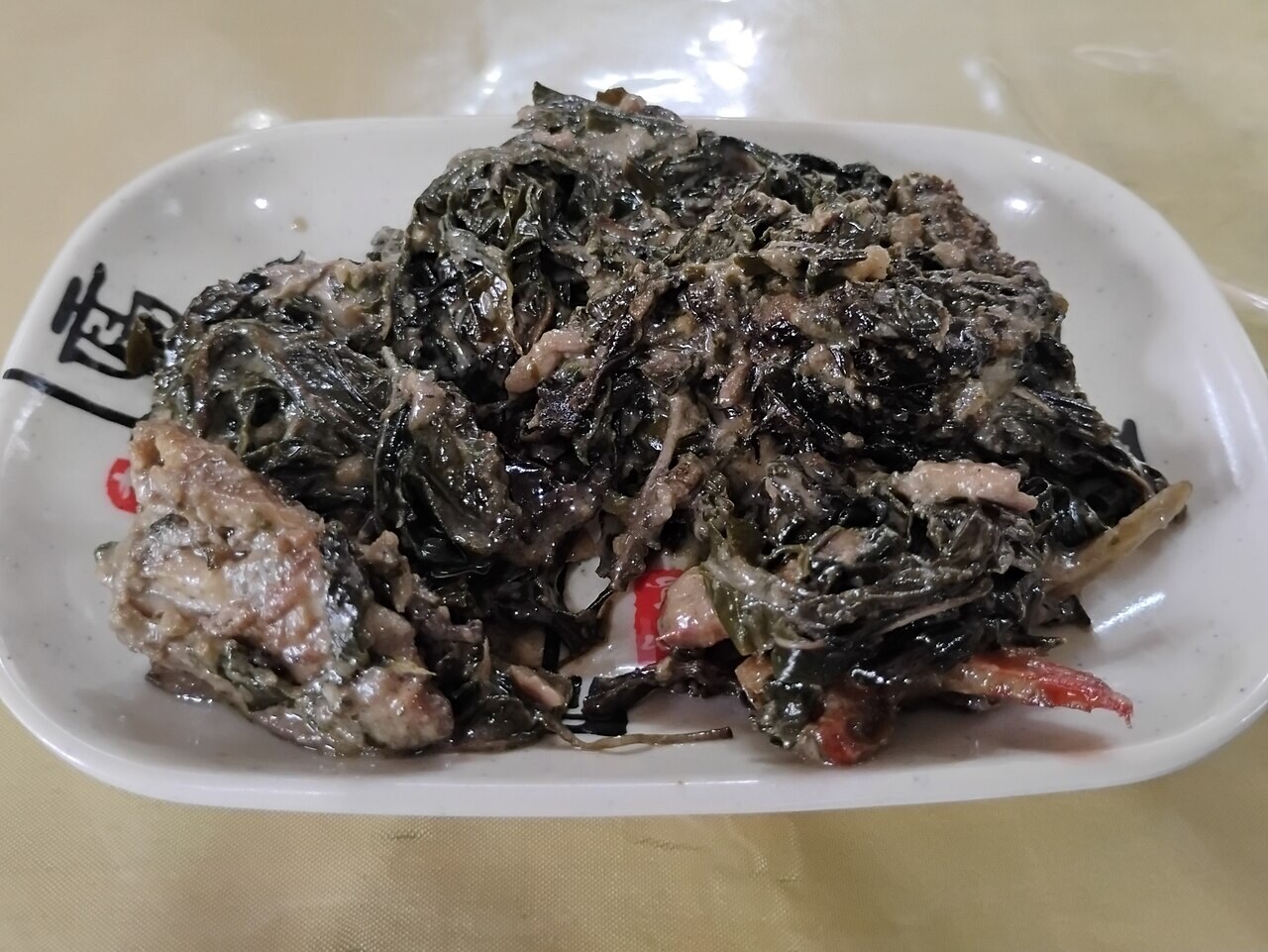
About This Recipe
Laing is a Filipino dish from the Bicol region made with dried taro leaves cooked in coconut milk with aromatics, chiles, and often shrimp paste or dried fish.
Why You Will Love It
- Practical for U.S. kitchens: the recipe uses ingredients and substitutions a home cook can realistically shop for.
- Built for the table: the serving notes match how the dish usually lands in Filipino-American homes, from weeknights to merienda to parties.
- Flexible without erasing the dish: swaps are named clearly so the original idea stays visible.
- Easy to cook through: the shopping list, timings, and storage notes make the recipe straightforward to test and adjust.
Ingredient Notes
For taro leaves
Use dried taro leaves from a trusted Filipino market and cook thoroughly; undercooked taro leaves can irritate.
For the coconut
Coconut milk cooks the leaves; coconut cream at the end makes the sauce lush.
Laing Recipe
This version explains taro leaf safety and gives careful U.S. shopping notes without pretending spinach is the exact same dish.
Shopping List
- dried taro leaves
- coconut milk
- coconut cream
- ginger
- garlic
- onion
- chiles
- bagoong
- pork or dried shrimp optional
- rice
Ingredients
Coconut Base
- 2 cans coconut milk
- 1 onion, sliced
- 5 garlic cloves, minced
- 2 tablespoons ginger, sliced
- 2 tablespoons bagoong
- 4 ounces pork belly or dried shrimp, optional
Greens and Heat
- 4 ounces dried taro leaves
- 3 to 5 Thai chiles
- 1 cup coconut cream
For Serving
- Steamed rice
- Extra chiles, optional
Instructions
- Combine coconut milk, onion, garlic, ginger, bagoong, and optional pork in a pot.
- Bring to a gentle simmer.
- Add dried taro leaves without stirring aggressively.
- Simmer gently until leaves hydrate and soften, about 35 minutes.
- Add chiles and coconut cream.
- Continue cooking until thick, rich, and no raw leaf texture remains.
- Rest 10 minutes before serving with rice.
Nutrition Estimate
Approximate values per serving based on the listed ingredients and yield. Actual nutrition will vary by brand, exact portion size, and cooking changes.
Tips For The Best Laing
- Cook thoroughly: Taro leaves need enough time to become safe and pleasant.
- Keep the simmer gentle: Coconut can break if boiled hard.
- Do not rush the sauce: Laing tastes best when the leaves fully absorb coconut.
- Adjust heat: Use fewer chiles for a gentler version.
How To Serve And Store
Serve with rice and fried fish, grilled pork, or vegetables. Refrigerate up to 4 days.
Common Questions
Can I use fresh taro leaves?
Only if you know how to prepare them safely. This version uses dried leaves.
Can I use spinach?
Spinach makes a coconut greens dish, but it is not the same texture as laing.
Is laing always spicy?
It is often spicy, but you can control the chiles.
Can I make it vegetarian?
Use a vegetarian salty seasoning in place of bagoong.
How spicy do you like laing? Share your family version or testing notes in the comments.
Recipe inspiration and technique reference: Filipino home-cooking source research from Panlasang Pinoy, Kawaling Pinoy, and Filipino-American cooking sources in the site roadmap.