Pork Sinigang: Filipino Tamarind Soup with Vegetables
 Recipe Guy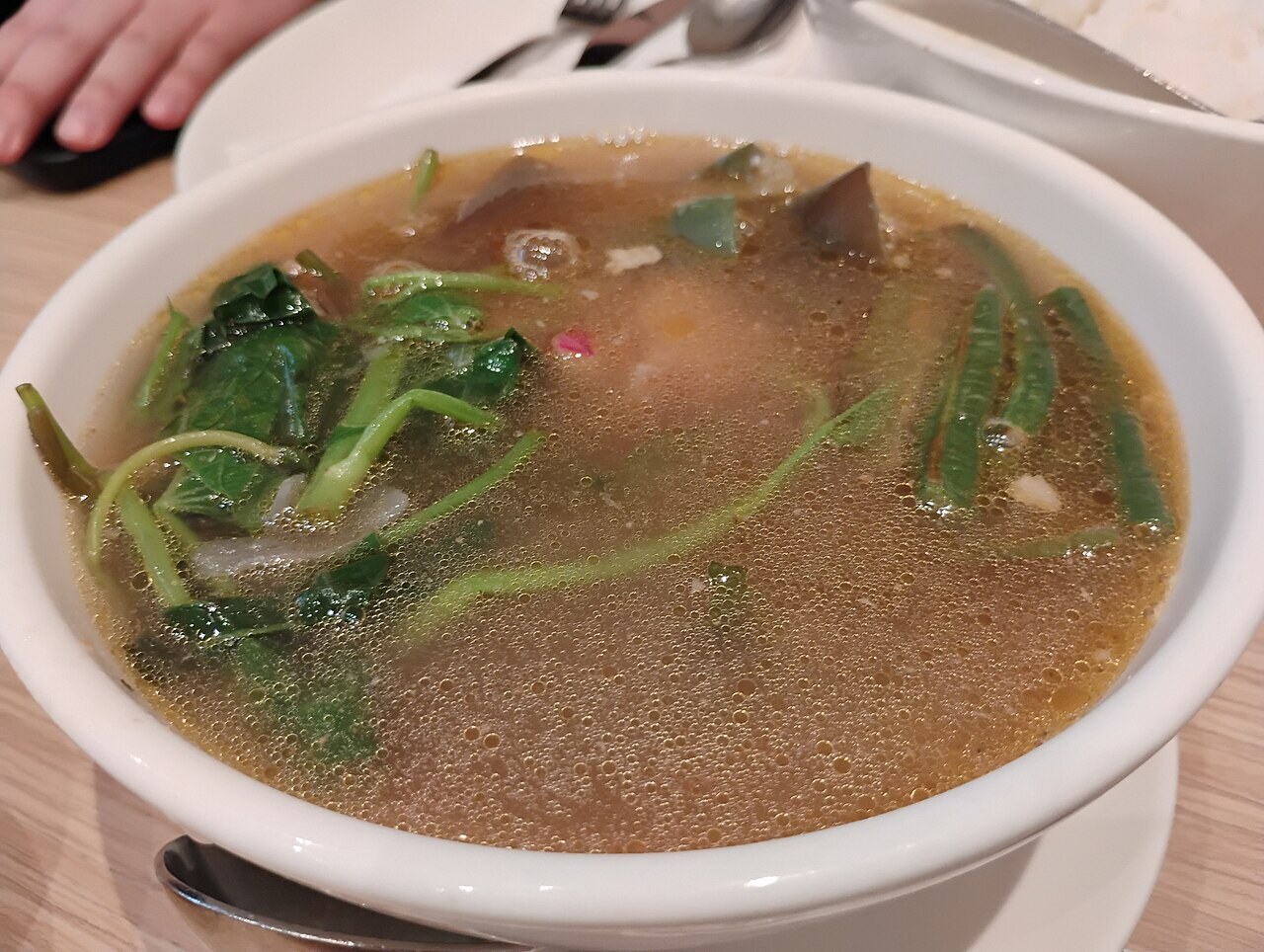
Filipino soup | Tamarind broth | Comfort food
Pork sinigang is the kind of soup that wakes up the table: sour tamarind broth, tender pork, vegetables, and enough rice on the side to catch every spoonful.
Why make it: this version gives U.S. home cooks a practical path using pork ribs or shoulder, tamarind mix or paste, and vegetables that are easier to find.
Fresh From the Oven
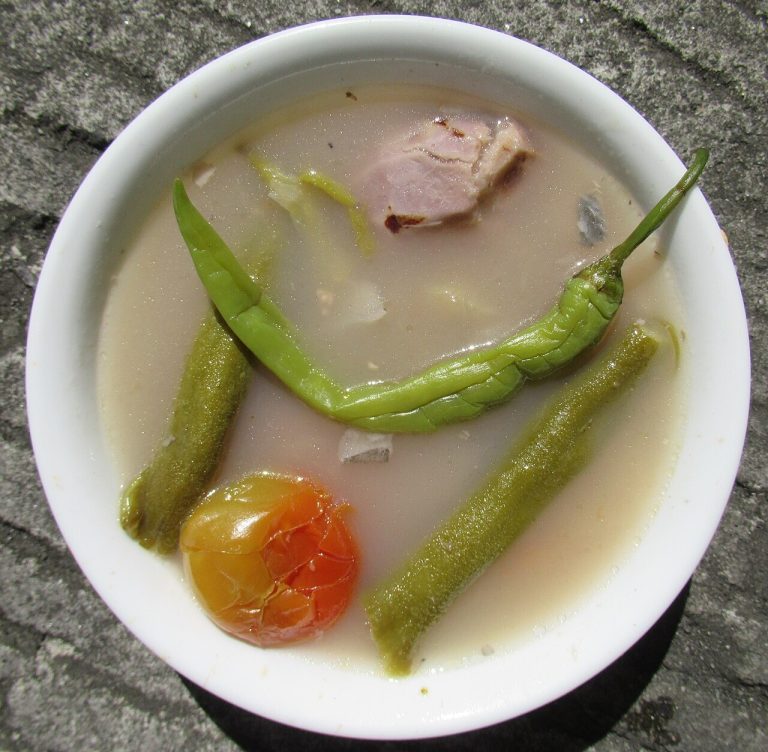
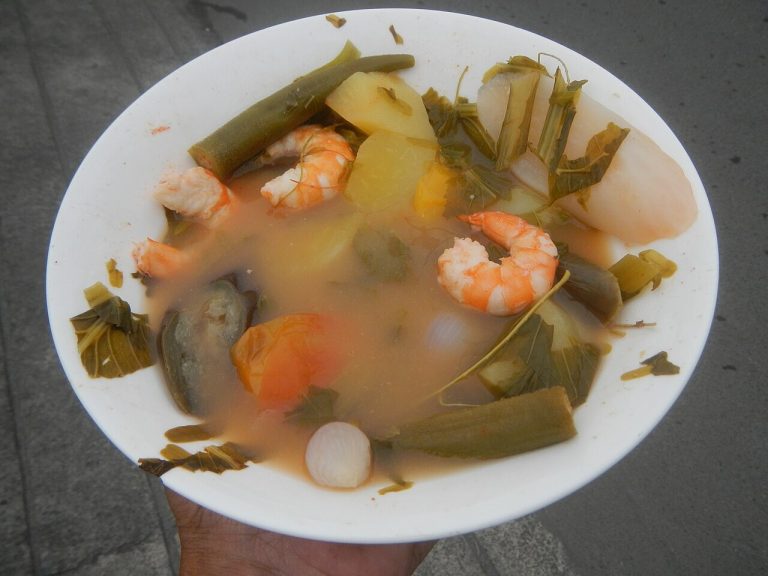
These photos show the sour broth, tender pork, and vegetable mix that make sinigang such a comforting rice-table soup.
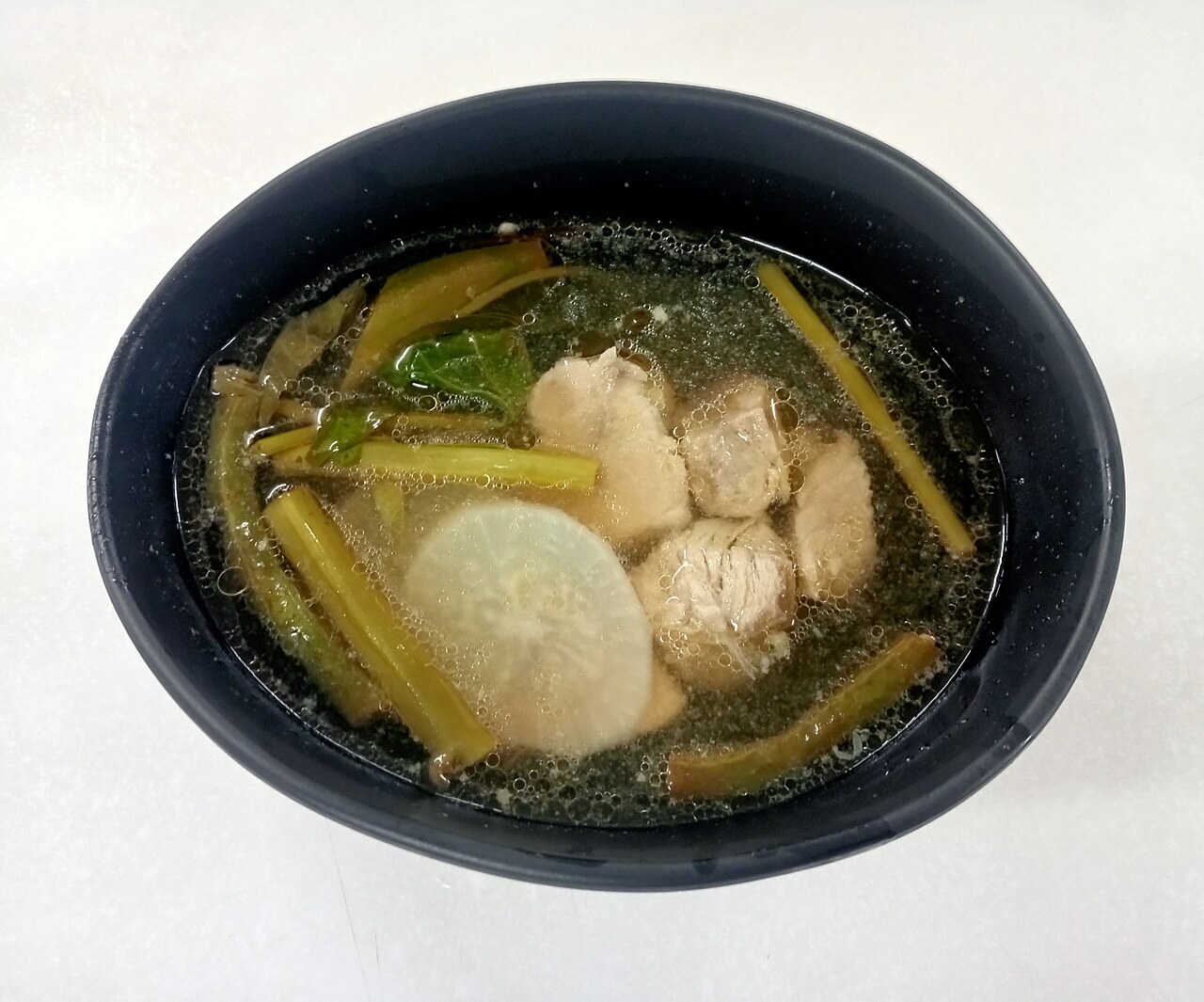
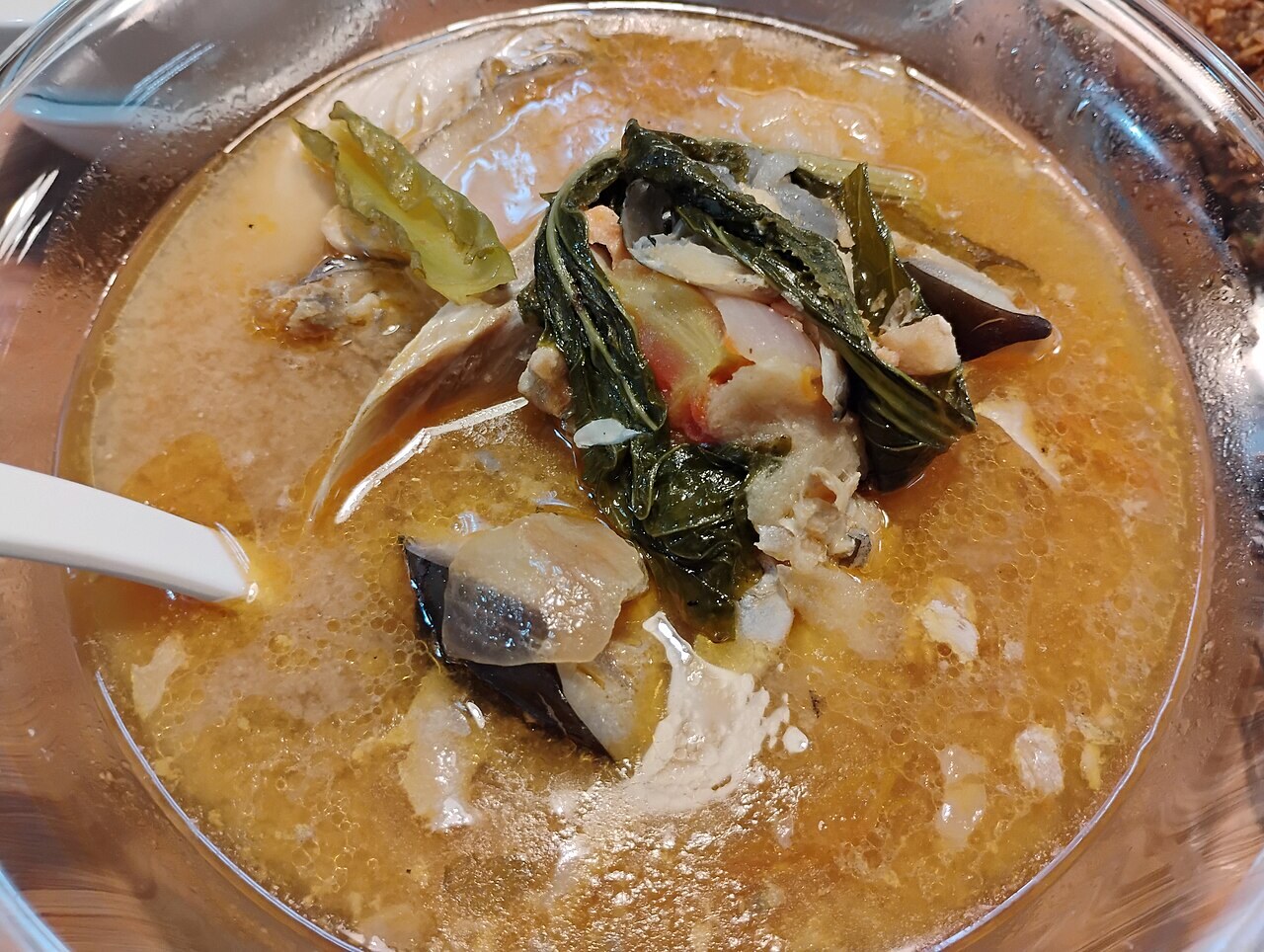
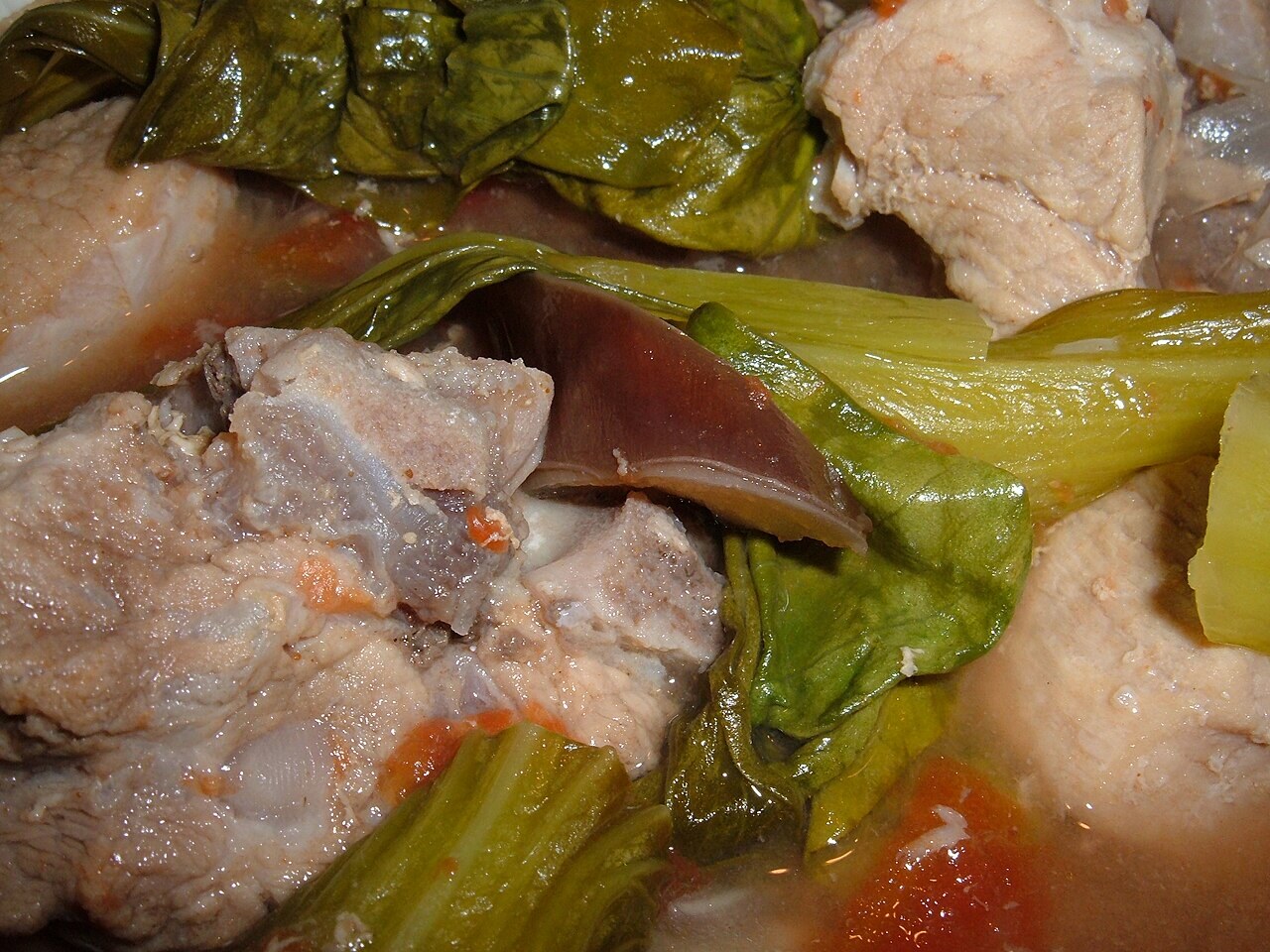
About This Recipe
Sinigang is a Filipino sour soup. Pork sinigang commonly uses tamarind for sourness, plus tomatoes, onion, vegetables, and fish sauce. Different families use different souring agents and vegetables.
This version is written for a U.S. home kitchen, where tamarind soup mix, tamarind paste, daikon, eggplant, green beans, okra, and bok choy are often easier to find than the exact vegetables a family might use in the Philippines.
Why You Will Love It
- Bright sour broth: tamarind gives the soup its signature wake-up tang.
- Comforting with rice: the broth, pork, and vegetables are made to be spooned over rice.
- Flexible vegetables: use long beans, green beans, bok choy, spinach, daikon, eggplant, or okra.
- Easy to adjust: add tamarind gradually so the sourness lands where you like it.
Ingredient Notes
For the pork
Pork ribs make a rich broth. Pork shoulder is easier to cube and eat. A mix works well.
For the broth and vegetables
Tamarind soup mix is common and convenient. Tamarind paste gives more control, but brands vary in strength. Use water spinach if available; bok choy or spinach are practical substitutes for many U.S. grocery stores.
Pork Sinigang Recipe
Pork sinigang with tamarind broth, tender pork, and vegetables, written for a U.S. home kitchen with practical substitution notes.
Ingredients
Soup Base
- 2 1/2 pounds pork spare ribs, country-style ribs, or pork shoulder, cut into serving pieces
- 10 cups water
- 1 large onion, quartered
- 3 medium tomatoes, quartered
- 2 tablespoons fish sauce, plus more to taste
- 1 packet tamarind soup mix, or tamarind paste to taste
Vegetables
- 1 small daikon radish, sliced
- 1 medium eggplant, cut into chunks
- 1 cup long beans or green beans, cut into 2-inch pieces
- 8 okra pods, trimmed
- 2 cups bok choy, spinach, or water spinach
- 1 to 2 green chiles, optional
For Serving
- Steamed rice, for serving
- Fish sauce with sliced chile, optional
Instructions
- Put the pork and water in a large pot. Bring to a boil, then skim off any foam.
- Add the onion and tomatoes. Lower the heat and simmer until the pork is nearly tender, 50 to 70 minutes depending on the cut.
- Stir in the fish sauce and tamarind soup mix, using less at first if you prefer a gentler sourness.
- Add the daikon and simmer for 8 minutes.
- Add the eggplant, long beans, okra, and chiles if using. Simmer until the vegetables are tender but not falling apart, 6 to 8 minutes.
- Add the leafy greens and cook just until wilted.
- Taste the broth. Add more tamarind for sourness, fish sauce for salt, or water if the broth is too intense.
- Serve hot with steamed rice and extra fish sauce on the side.
Nutrition Estimate
Approximate values per serving based on the listed ingredients and yield. Actual nutrition will vary by brand, exact portion size, and cooking changes.
Tips For The Best Sinigang
- Skim early: removing foam gives the broth a cleaner look and flavor.
- Add vegetables in stages: daikon needs more time than leafy greens.
- Adjust sourness at the end: tamarind strength varies, so taste before adding more.
- Serve with rice: sinigang is meant to be eaten with it.
How To Serve And Store
Serve hot with steamed rice. A small dish of fish sauce with sliced chile is classic for people who want more salt and heat. Refrigerate for up to 4 days. Reheat gently so the vegetables do not overcook further.
Common Questions
Can I use tamarind paste instead of soup mix?
Yes. Start with 2 tablespoons, simmer, then add more to taste.
What vegetables can I substitute?
Try bok choy, spinach, green beans, daikon, eggplant, okra, or even cabbage. The exact mix can vary.
Can I make this less sour?
Yes. Start with half the tamarind, then build the sourness gradually.
Can I use shrimp or fish instead of pork?
Yes, but add seafood much later because it cooks quickly. Build the broth first, then simmer shrimp or fish just until done.
What vegetables do you always want in sinigang? Tell us whether you like the broth gently sour or sharp enough to make you pause.
Recipe inspiration and technique reference: pork sinigang methods from Panlasang Pinoy, Kawaling Pinoy, and Serious Eats, adapted here for a practical U.S. home kitchen.