Lechon Manok-Style Grilled Chicken
 Recipe Guy
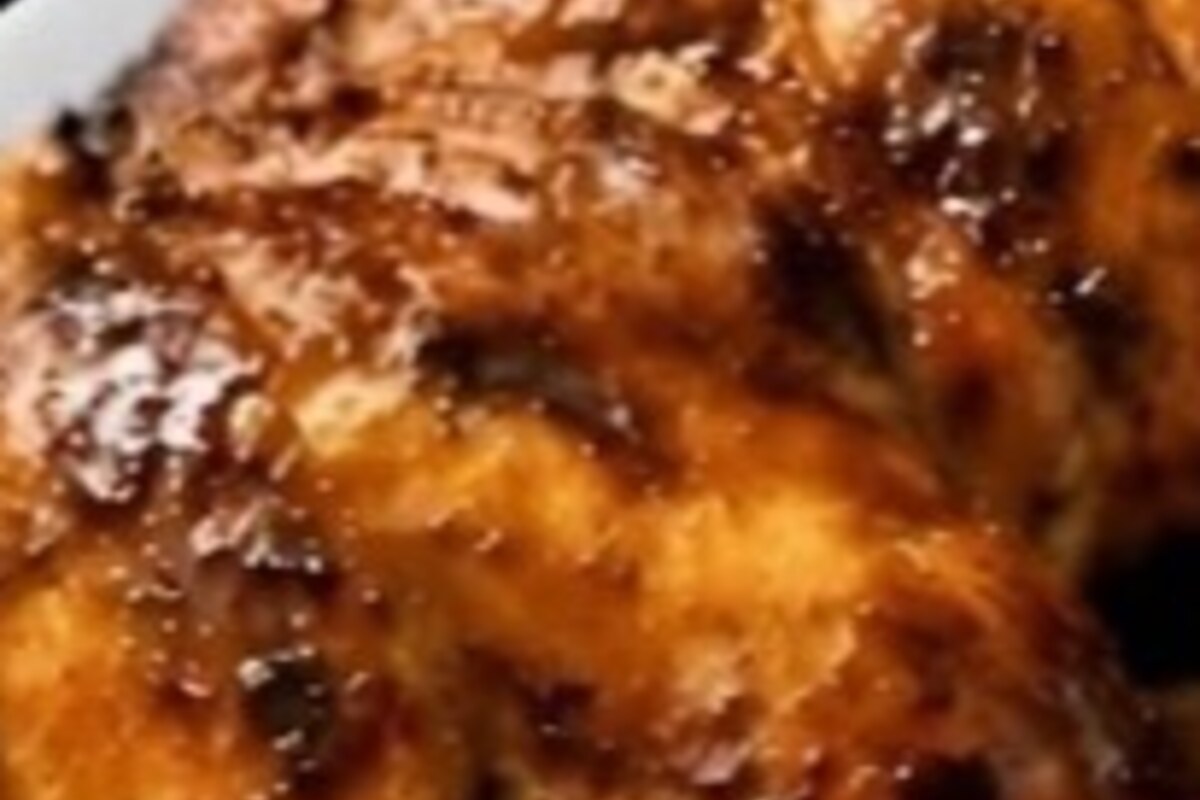
Filipino | Grilling | Weeknight Dinner
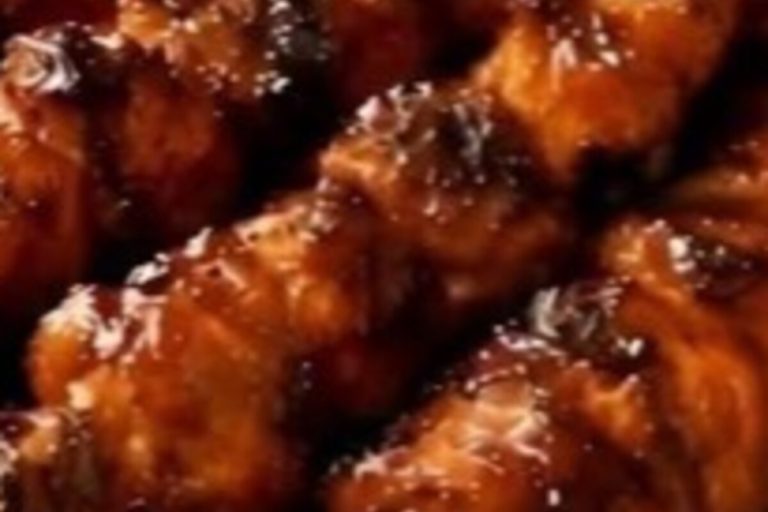
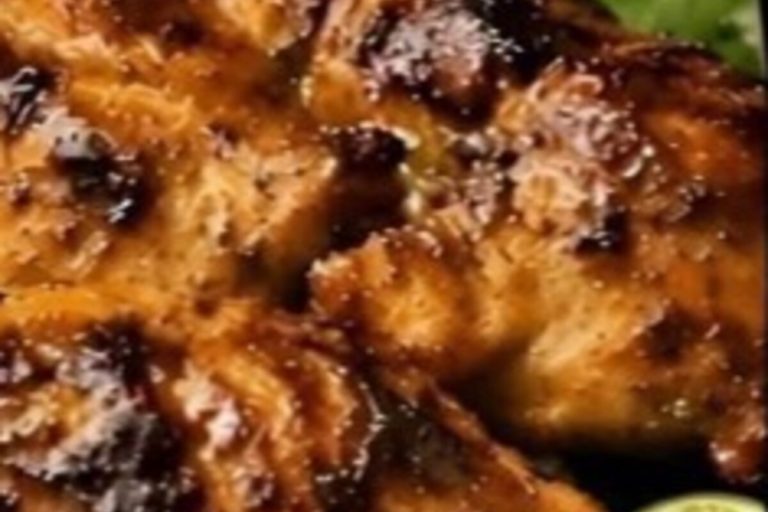
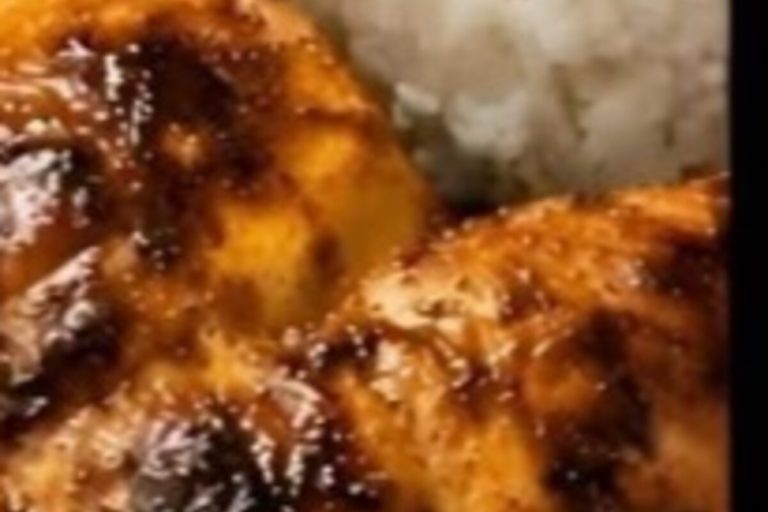
Pineapple juice, citrus, and cane vinegar give this lechon manok-style chicken a bright marinade beneath its browned skin. Soy sauce, fish sauce, and garlic provide the savory side, while indirect grilling gives a flattened whole bird time to cook before its final direct-heat finish.
About This Recipe
Spatchcocking opens the chicken into a flatter shape, making it easier to position over the cooler part of the grill. Leg quarters are the listed alternative, but the two choices should be checked individually rather than treated as identical shapes with identical cooking times.
The marinade already contains brown sugar and pineapple juice, so the surface can color well before the interior is done. Start over indirect heat and reserve direct heat for the brief skin finish. Check the meat itself before resting and carving.
Ingredient Notes
Chicken cut
Bone-in dark meat stays juicy on the grill. Boneless thighs work for skewers and cook faster.
Acid
Calamansi gives the most Filipino flavor; lemon or lime works when calamansi is not available.
Sugar
A small amount of honey or brown sugar helps browning, but too much can burn over direct heat.
Cooking Notes
- Lift the chicken from the marinade and remove loose garlic or onion pieces from the skin. Those bits can blacken quickly when the bird moves over direct heat.
- Keep enough indirect space available for the entire chicken. If one edge colors faster, reposition the bird within that zone instead of moving the whole thing over the fire early.
Lechon Manok-Style Grilled Chicken Recipe
A home-grilled lechon manok-style chicken with soy sauce, citrus, pineapple juice, fish sauce, garlic, and a savory-sweet glaze.
Shopping List
- whole chicken or chicken leg quarters
- soy sauce
- calamansi or lemon juice
- pineapple juice
- fish sauce
- cane vinegar
- garlic
- brown sugar
- onion powder
- black pepper
- neutral oil
- lemongrass and onion, optional
Ingredients
Chicken
- 1 whole chicken, 3 1/2 to 4 pounds, spatchcocked
- Or 3 pounds chicken leg quarters
Marinade
- 1/4 cup soy sauce
- 1/4 cup lemon or calamansi juice
- 1/4 cup pineapple juice
- 2 tablespoons fish sauce
- 2 tablespoons cane vinegar
- 5 garlic cloves, minced
- 1 tablespoon brown sugar
- 1 teaspoon onion powder
- 1 teaspoon black pepper
- 2 tablespoons neutral oil
Optional Aromatics
- 1 lemongrass stalk, bruised
- 1 small onion, sliced
- For basting: reserve 1/4 cup of the measured marinade before it touches raw chicken; no extra glaze ingredients
Instructions
- Spatchcock the chicken so it cooks evenly.
- Whisk the marinade ingredients. Before adding chicken, measure 1/4 cup into a separate covered container and refrigerate for basting. Coat the chicken with the remaining marinade and optional lemongrass and sliced onion.
- Marinate for 4 to 8 hours in the refrigerator at 40 F or below. Lift out the chicken, remove loose aromatics, and discard the raw-contact marinade.
- Set up the grill for indirect cooking at about 375 F.
- Grill covered, skin-side up over indirect heat, keeping the grill near 375 F. Plan about 45 to 60 minutes overall for the flattened whole bird; leg quarters may differ. Begin checking early and continue until the thickest breast and inner thigh and wing areas reach at least 165 F, without touching bone.
- Move briefly over direct heat to brown the skin, watching continuously and moving back to the cooler zone if the sugary surface darkens too quickly.
- Brush lightly with the reserved clean 1/4 cup marinade during the last 2 minutes, using a clean brush. Discard any remaining baste after brushing; check at least 165 F in multiple thick areas before removing the chicken.
- Rest 10 minutes before carving.
Nutrition Estimate
Approximate values per serving based on the listed ingredients and yield. Actual nutrition will vary by brand, exact portion size, and cooking changes. Counts all measured marinade; discarded marinade lowers actual intake. Edible meat yield and cooking fat loss vary.
Tips For The Best Lechon Manok-Style Grilled Chicken
- Pat the chicken dry: Dry surfaces brown better and pick up cleaner grill marks.
- Marinate cold: Keep the chicken refrigerated while it absorbs salt, acid, and aromatics.
- Use two zones: Cook over indirect heat first, then use a brief direct-heat finish for the skin.
- Rest before serving: Rest the cooked chicken for 10 minutes before carving.
How To Serve And Store
Serve with garlic rice, sliced tomatoes, cucumber, sawsawan, and extra calamansi. Refrigerate leftovers up to 4 days.
Common Questions
Can I bake this instead?
Yes. Roast the flattened chicken on a rack at 400 F until the thickest breast and inner thigh and wing areas are at least 165 F, avoiding bone. Brush with the clean reserved baste near the end, broil briefly only if needed for color, and rest 10 minutes.
Can I use bottled calamansi juice?
Yes, but taste first. Some bottled versions are sweeter or sharper than fresh juice.
How do I know chicken is done?
Use a thermometer: 165 F for breast meat and 175 F for dark meat if you like it more tender.
Can I marinate overnight?
For this pineapple, citrus, and vinegar marinade, use 4 to 8 hours under refrigeration. Do not extend it to 24 hours; a long acidic soak can soften the surface excessively.
Why use indirect heat before crisping the chicken skin?
It gives the thicker meat time to cook without prolonged direct flame under the sugary marinade. The brief final move over direct heat is for browning, not for rushing an undercooked center.
How should I check a spatchcocked chicken for doneness?
Use a thermometer in the thickest breast and inner thigh and wing areas, avoiding bone. Poultry needs at least 165 F; check more than one location before removing the whole bird to rest.
Technique and food-safety references: fsis.usda.gov; kawalingpinoy.com; ask.fsis.usda.gov.