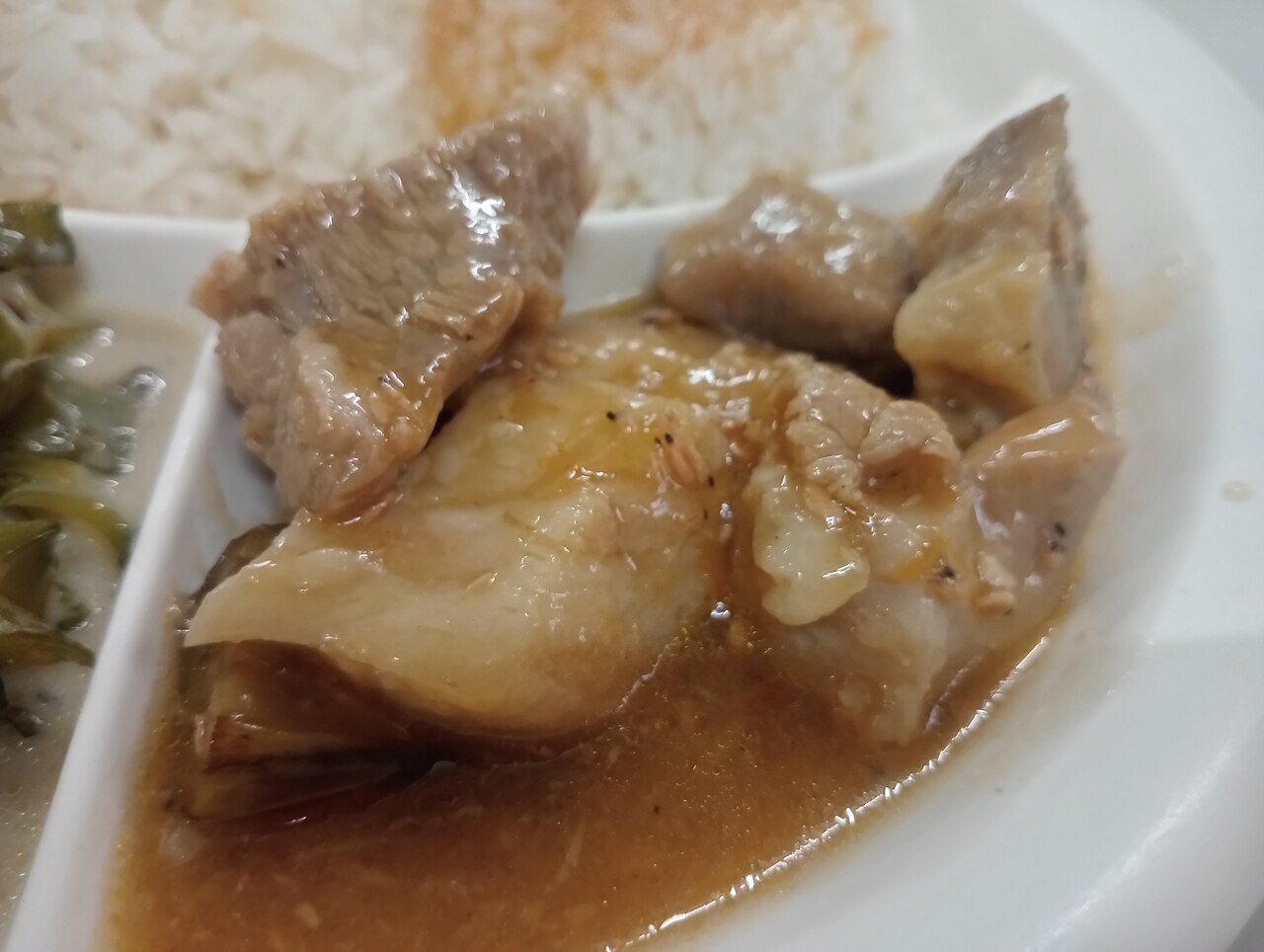
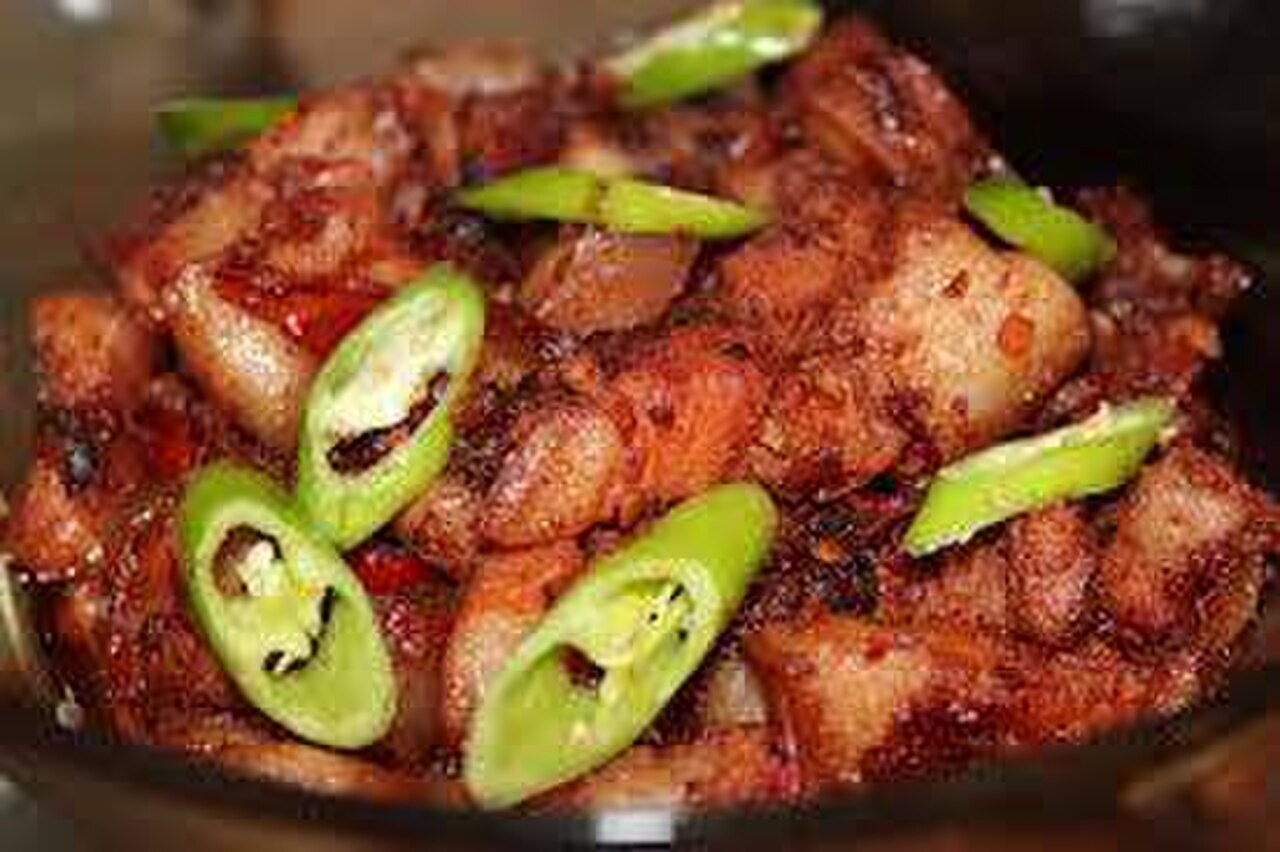
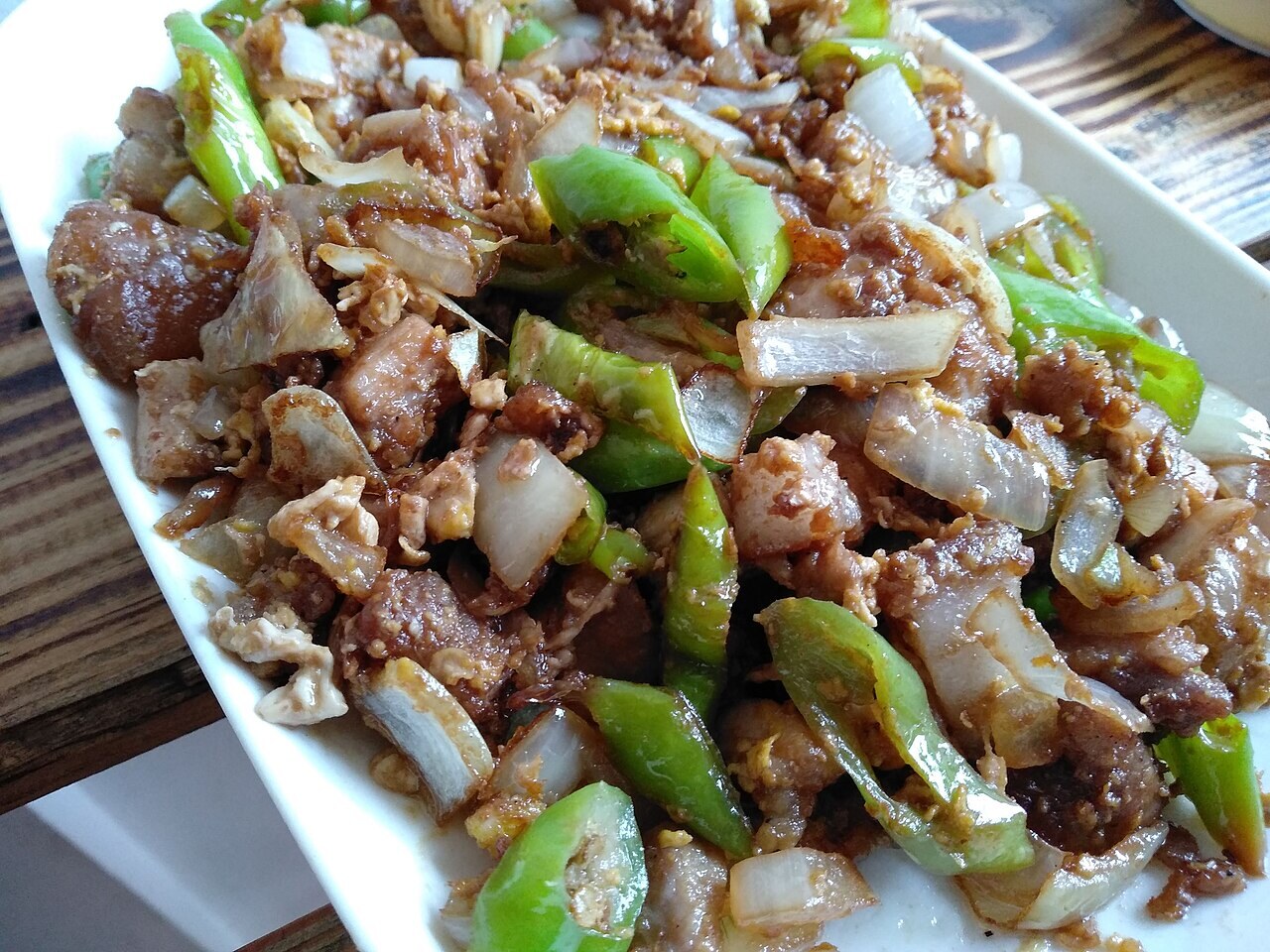
Pork Binagoongan: Filipino Pork with Shrimp Paste and Eggplant
 Recipe Guy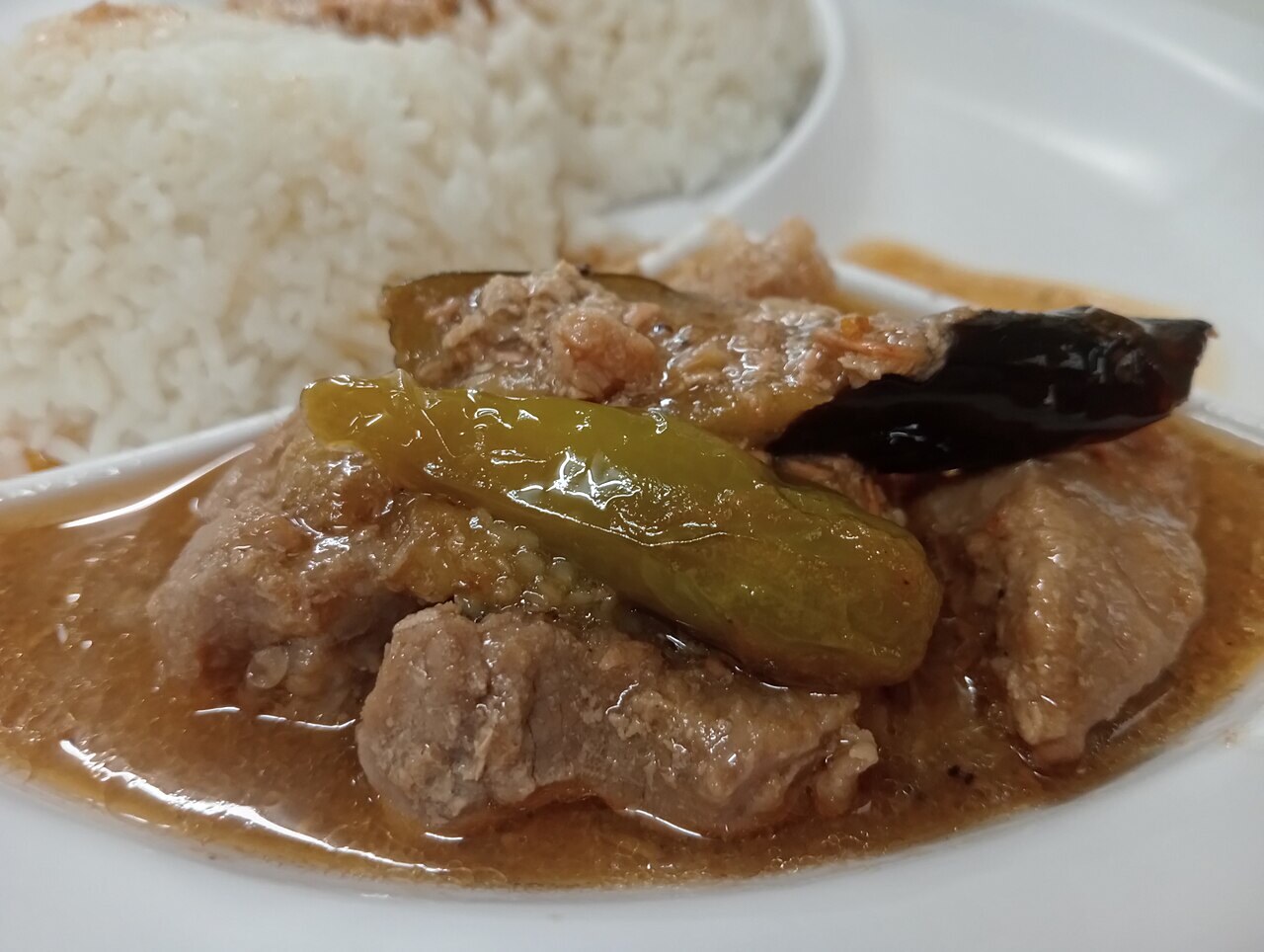
Filipino pork stew | Bagoong | Rice-friendly sauce
Pork binagoongan is salty, savory, a little sweet, and built for rice, with tender pork, tomatoes, eggplant, and bagoong doing the heavy lifting.
Why make it: This version gives U.S. cooks a controlled way to use bagoong so the dish tastes deep and balanced instead of simply salty.
Fresh From the Kitchen
About This Recipe
Pork binagoongan is a Filipino pork dish cooked with shrimp paste, aromatics, tomatoes, and often eggplant or chiles. The sauce is intense, savory, and meant to be stretched with rice.
Why You Will Love It
- Practical for U.S. kitchens: the recipe uses ingredients and substitutions a home cook can realistically shop for.
- Built for the table: the serving notes match how the dish usually lands in Filipino-American homes, from weeknights to merienda to parties.
- Flexible without erasing the dish: swaps are named clearly so the original idea stays visible.
- Easy to cook through: the shopping list, timings, and storage notes make the recipe straightforward to test and adjust.
Ingredient Notes
For the bagoong
Sauteed bagoong from a jar is convenient and already seasoned. Start with less, then add more after the sauce reduces.
For the pork
Shoulder gives meaty pieces, belly gives richness, and a mix gives the best balance for a family pot.
Pork Binagoongan Recipe
This version gives U.S. cooks a controlled way to use bagoong so the dish tastes deep and balanced instead of simply salty.
Shopping List
- pork shoulder or belly
- bagoong alamang
- eggplant
- tomatoes
- onion
- garlic
- cane vinegar
- brown sugar
- long green chiles
- rice
Ingredients
Pork and Aromatics
- 2 pounds pork shoulder or belly, cut into 1-inch pieces
- 1 tablespoon neutral oil
- 1 onion, chopped
- 5 garlic cloves, minced
- 3 ripe tomatoes, chopped
Sauce and Vegetables
- 3 tablespoons bagoong alamang, plus more to taste
- 1/3 cup water
- 2 tablespoons cane vinegar
- 1 teaspoon brown sugar
- 2 Asian eggplants, sliced
- 2 long green chiles, optional
For Serving
- Steamed jasmine rice
- Calamansi or lemon wedges
- Sliced cucumber, optional
Instructions
- Brown the pork in a wide pot with the oil until some fat renders and the edges pick up color.
- Add onion, garlic, and tomatoes and cook until the tomatoes collapse into a rough sauce.
- Stir in the bagoong and cook for a minute so it blooms in the pork fat.
- Add water, vinegar, and brown sugar, then simmer gently until the pork is tender.
- Add eggplant and chiles and cook until the eggplant softens but still holds shape.
- Taste the sauce and adjust with more bagoong, sugar, or a splash of water.
- Rest the pot for 10 minutes before serving so the pork settles into the sauce.
Nutrition Estimate
Approximate values per serving based on the listed ingredients and yield. Actual nutrition will vary by brand, exact portion size, and cooking changes.
Tips For The Best Pork Binagoongan
- Brown first: A little color on the pork keeps the sauce from tasting flat.
- Go slowly with bagoong: Different brands vary wildly in salt and sweetness.
- Add eggplant late: It should soak up sauce without disappearing into the pot.
- Serve with fresh sides: Cucumber, tomato, or green mango balances the richness.
How To Serve And Store
Serve hot with plenty of rice and something crisp or sour on the side. Refrigerate leftovers for up to 4 days and reheat gently with a splash of water.
Common Questions
Can I use raw bagoong?
Yes, but cook it longer with the aromatics and adjust sugar to taste.
Can I make it less salty?
Use less bagoong at first, add more tomatoes, and serve with rice and vegetables.
Can I use pork tenderloin?
It will cook quickly but will not become as rich or tender as shoulder.
Is eggplant required?
No, but it is a natural partner for the salty sauce.
Does your binagoongan lean spicy, sweet, tomatoey, or extra bagoong-forward? Share your family version or testing notes in the comments.
Recipe inspiration and technique reference: Filipino home-cooking source research from Panlasang Pinoy, Kawaling Pinoy, and Filipino-American cooking sources in the site roadmap.