Pancit Guide: Bihon, Canton, Palabok, Sotanghon, and More
 Recipe Guy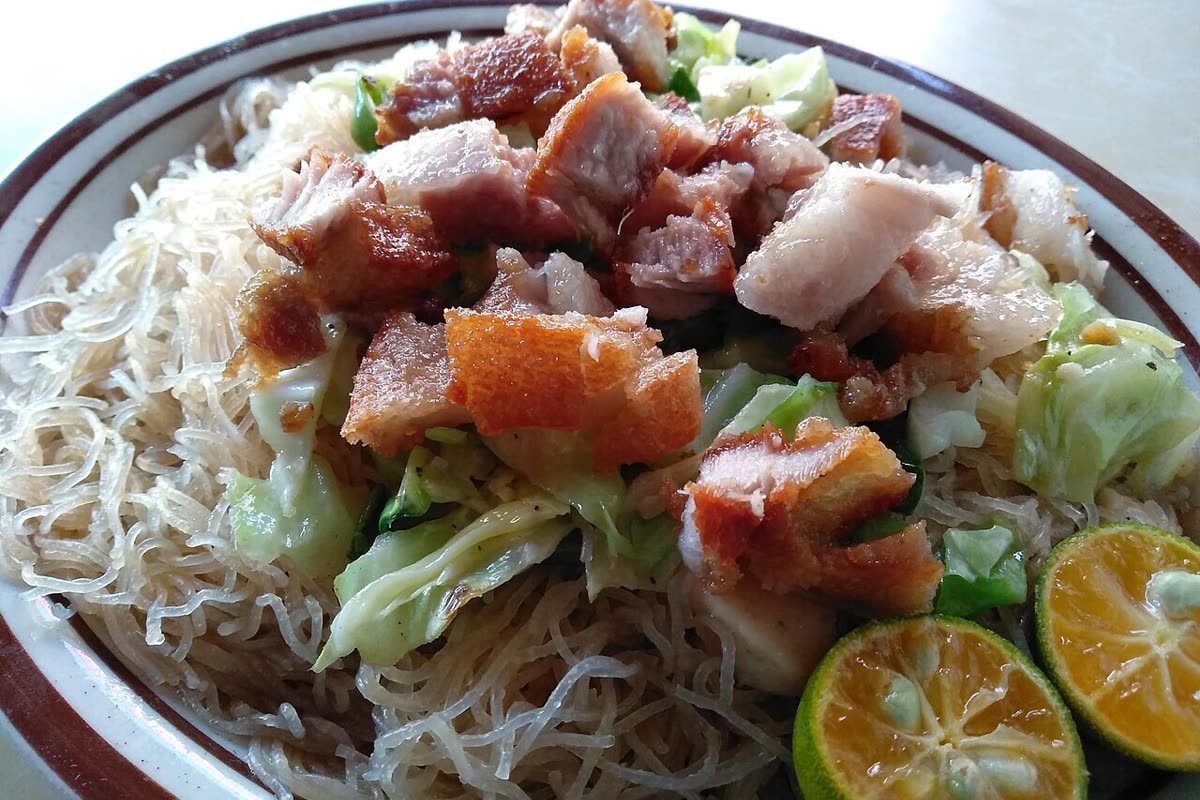
Filipino noodles | Kitchen guide | Party planning
Pancit is not one dish but a whole family of Filipino noodle dishes, each with its own noodle, sauce, texture, and party role.
Why make it: This guide helps readers choose the right pancit before they shop, whether they want a quick stir-fry, a saucy party tray, or a soup-style noodle dish.
Fresh From the Kitchen
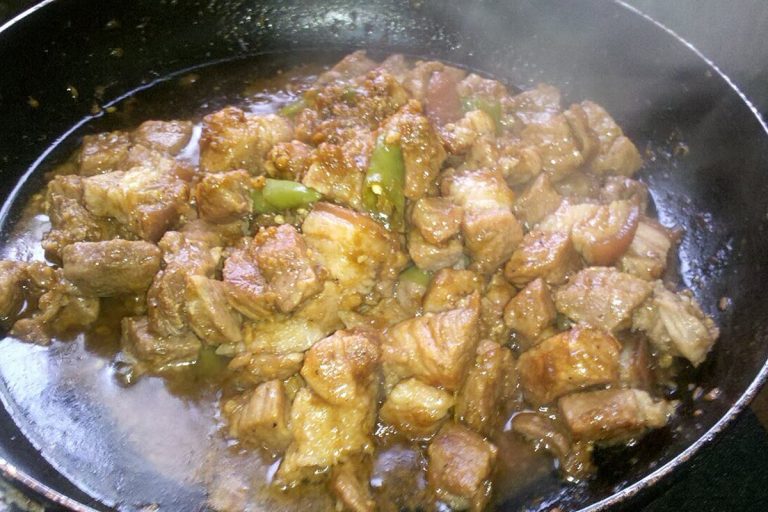
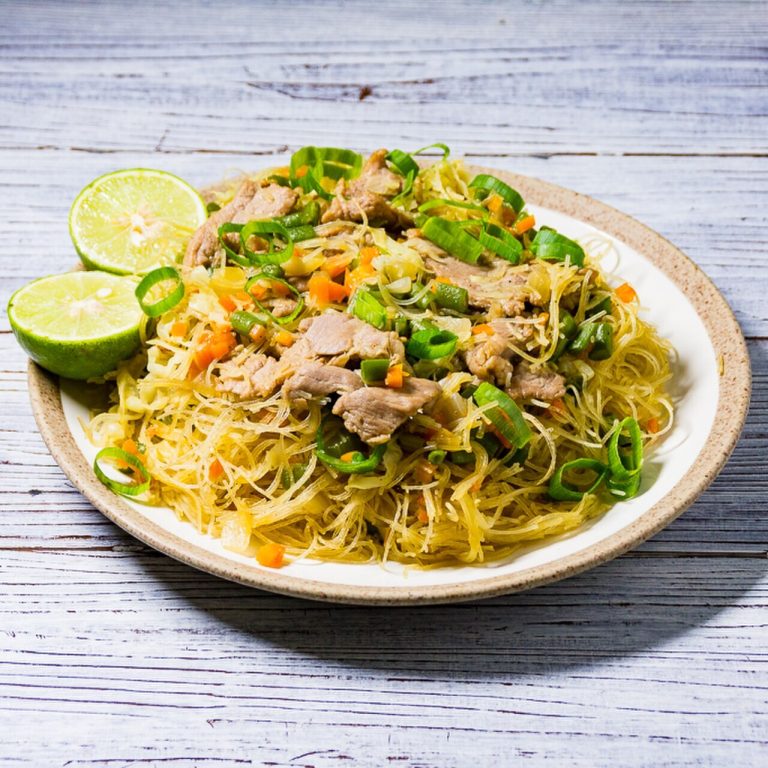
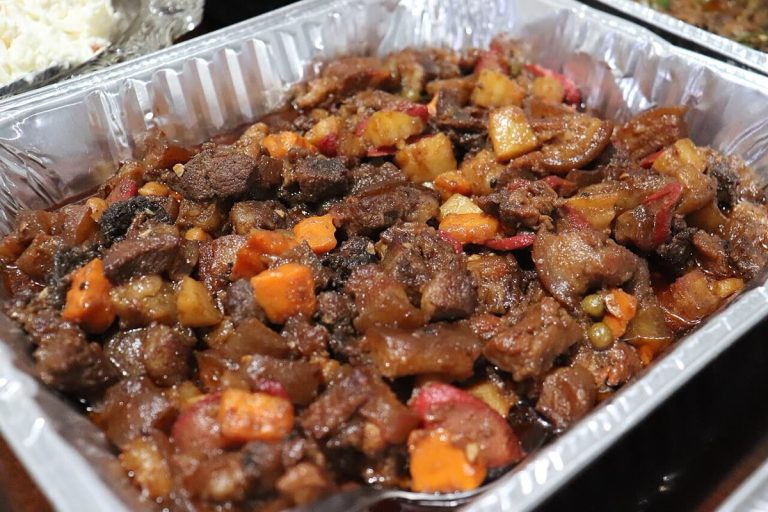
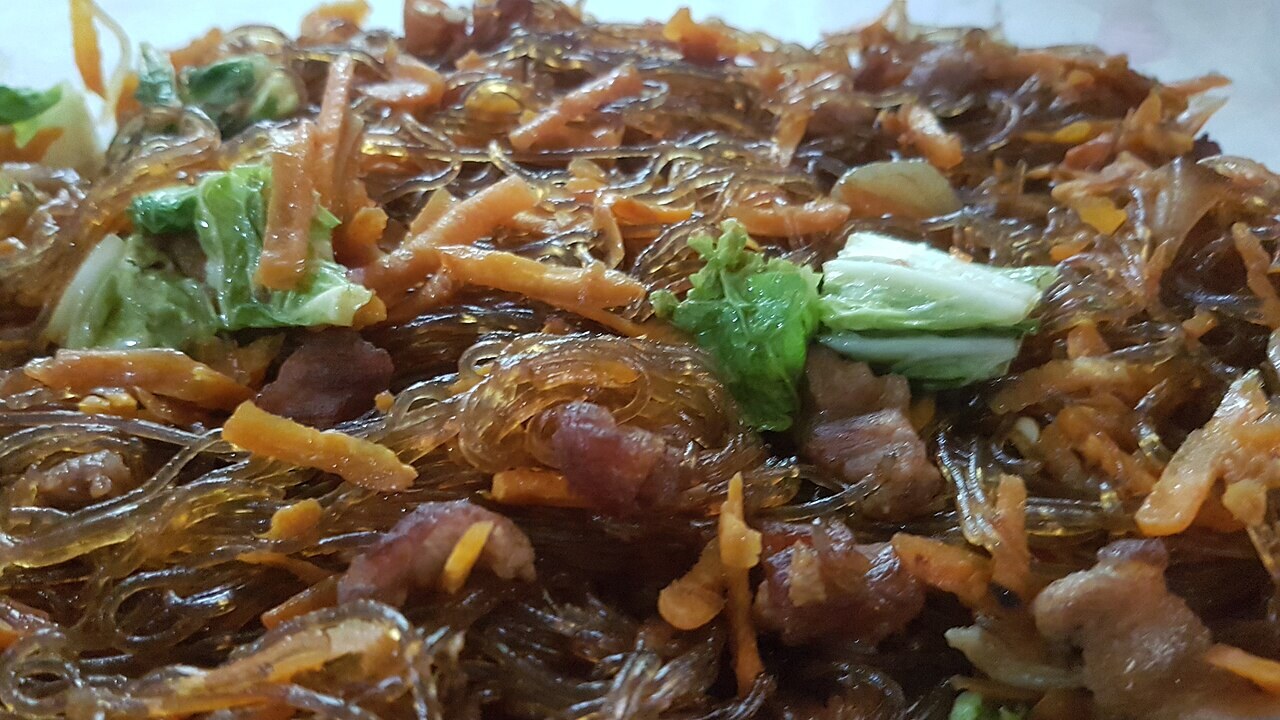
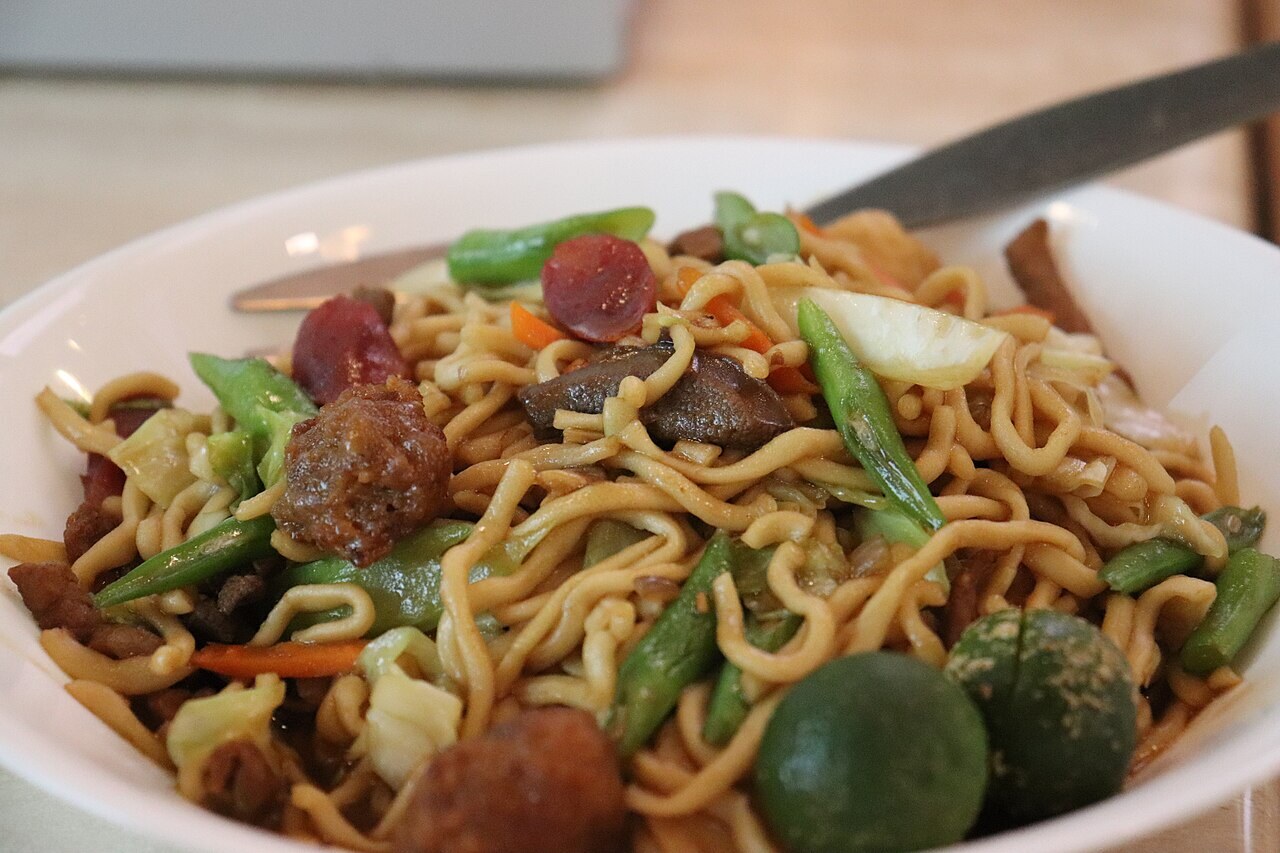
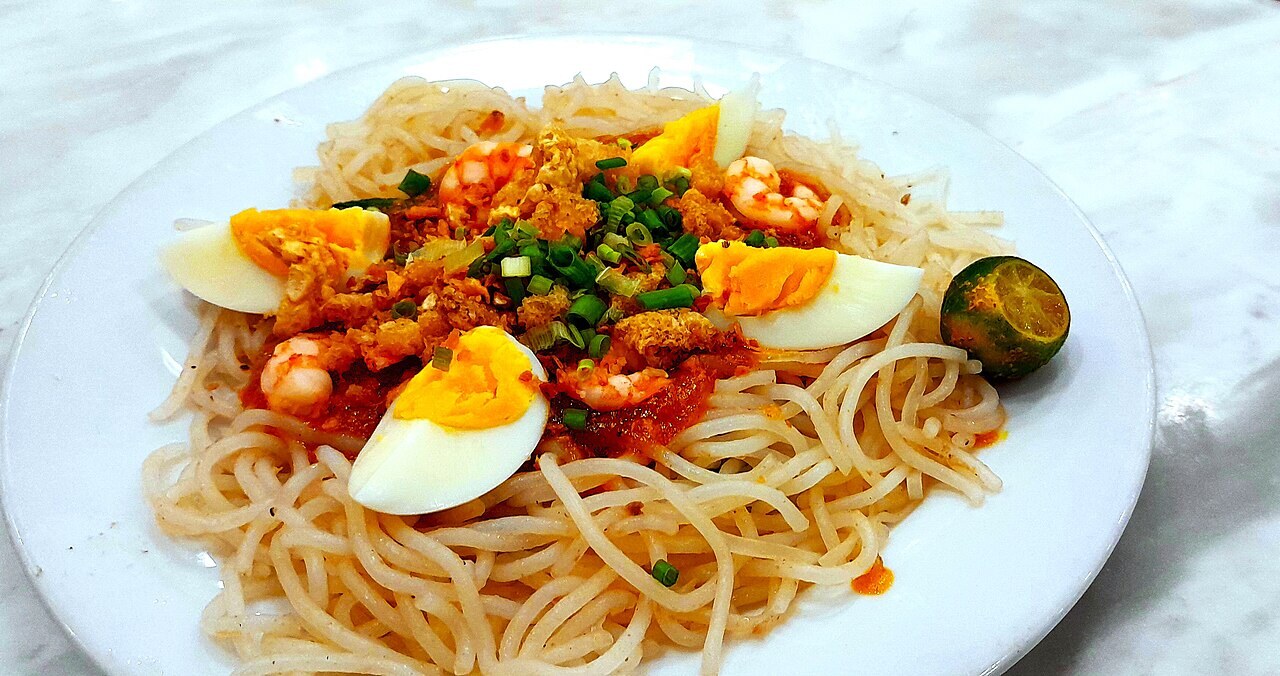
These photos show the colors, textures, and serving style to look for when making Pancit Guide.
About This Recipe
Pancit is the Filipino word used for many noodle dishes. Bihon uses thin rice noodles, canton uses wheat noodles, palabok is saucy and orange, sotanghon uses glass noodles, and molo is dumpling-like.
Why You Will Love It
- Practical for U.S. kitchens: the recipe uses ingredients and substitutions a home cook can realistically shop for.
- Built for the table: the serving notes match how the dish usually lands in Filipino-American homes, from weeknights to merienda to parties.
- Flexible without erasing the dish: swaps are named clearly so the original idea stays visible.
- Easy to cook through: the shopping list, timings, and storage notes make the recipe straightforward to test and adjust.
Ingredient Notes
For the noodles
The noodle type decides the cooking method, so buy the right package before choosing a recipe.
For parties
Bihon and canton hold well in trays; palabok is best sauced close to serving.
Starter Pancit Bihon-Canton Recipe
A practical party-style pancit that uses rice noodles, canton noodles, chicken, shrimp, vegetables, and a savory broth base.
Shopping List
- bihon rice noodles
- canton noodles
- boneless chicken breasts
- shrimp
- cabbage
- carrot
- soy sauce
- fish sauce
- chicken broth
- calamansi or lemon
Ingredients
Noodles
- 8 ounces bihon rice noodles
- 8 ounces canton noodles
Protein and Vegetables
- 1 pound boneless chicken breasts, sliced thin
- 8 ounces shrimp, peeled and deveined
- 2 cups shredded cabbage
- 1 large carrot, julienned
- 1 medium onion, sliced
- 4 garlic cloves, minced
- 3 green onions, sliced
Sauce and Cooking
- 2 cups chicken broth
- 3 tablespoons soy sauce
- 1 tablespoon fish sauce
- 2 tablespoons neutral oil
- Calamansi or lemon wedges for serving
Instructions
- Soak bihon in warm water until pliable, then drain well.
- Loosen canton noodles according to package directions and drain.
- Heat oil in a wide pan and saute onion and garlic until fragrant.
- Add chicken and cook until no longer pink, then add shrimp and cook just until opaque.
- Add cabbage and carrot and stir-fry for 2 minutes.
- Pour in broth, soy sauce, and fish sauce and bring to a simmer.
- Add both noodles and toss until they absorb the liquid and turn tender.
- Finish with green onions and serve with calamansi.
Nutrition Estimate
Approximate values per serving based on the listed ingredients and yield. Actual nutrition will vary by brand, exact portion size, and cooking changes.
Tips For The Best Pancit Guide
- Read the package: Noodles that look similar can cook very differently.
- Do not over-soak: Many noodles finish cooking in the pan.
- Season the broth: Noodles absorb flavor from liquid.
- Finish with citrus: Calamansi makes pancit taste brighter.
How To Serve And Store
Use this as an internal guide hub linking to individual pancit recipes as they go live.
Common Questions
Which pancit should beginners make first?
Pancit bihon is a practical starting point.
Which pancit is best for parties?
Bihon, canton, and palabok are all party-friendly.
Are all pancit noodles rice noodles?
No. Canton uses wheat noodles and sotanghon uses glass noodles.
Can I mix bihon and canton?
Yes. That combination is common in some party trays.
Which pancit should this site build next? Share your family version or testing notes in the comments.
Guide inspiration and technique reference: Filipino recipe source research from Panlasang Pinoy, Kawaling Pinoy, Serious Eats, and the site roadmap.