Pancit Miki Bihon: Mixed Egg and Rice Noodles
 Recipe Guy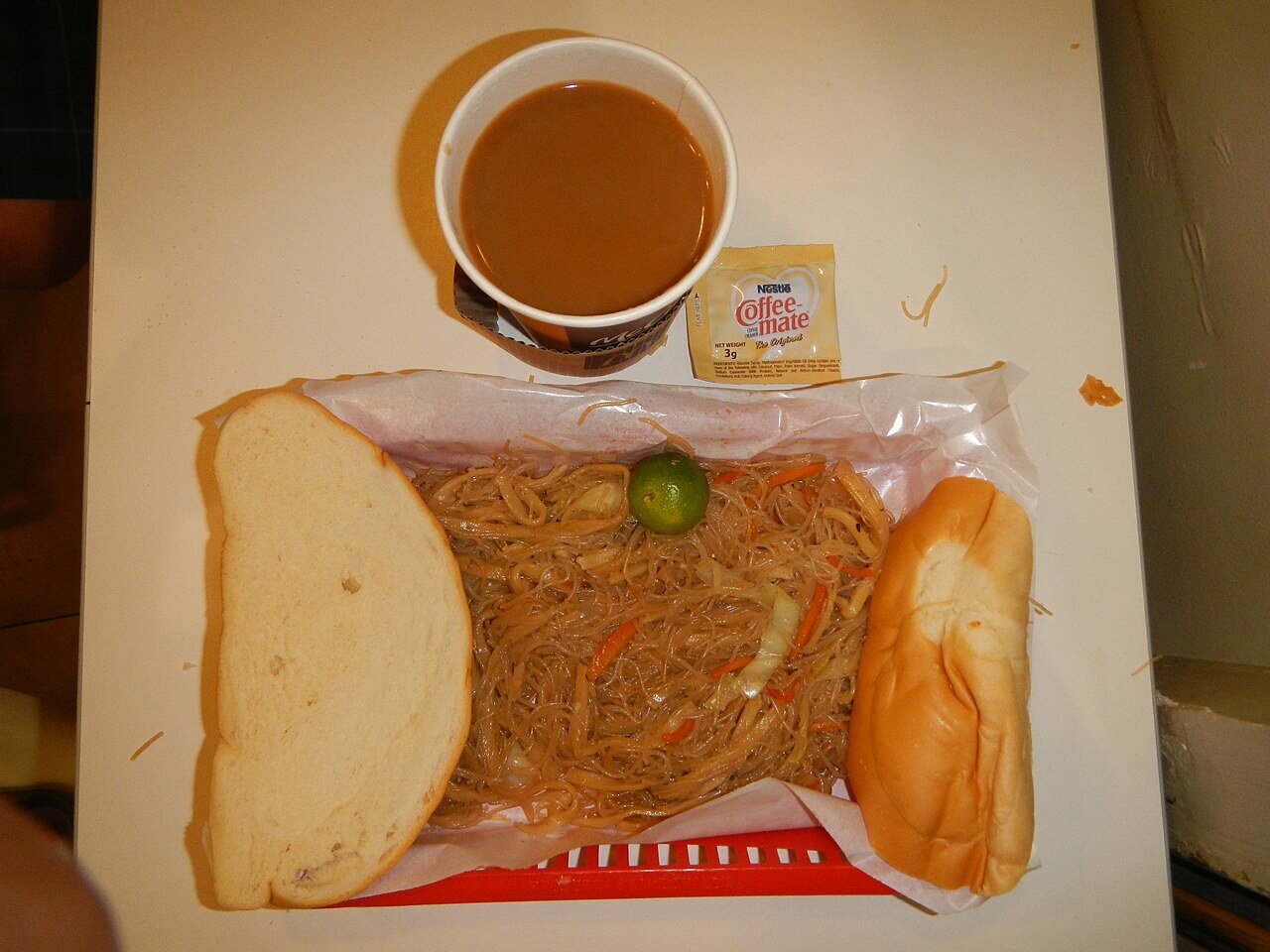
Filipino mixed noodles | Celebration pancit | Two textures
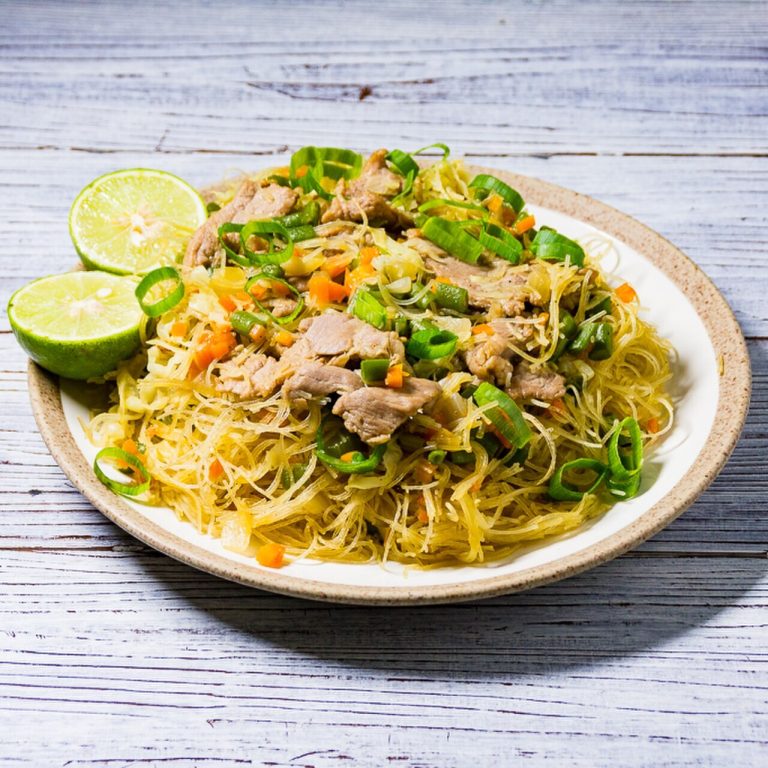
Pancit miki bihon gives you the best of two noodles: chewy egg noodles and light rice noodles tangled with meat, vegetables, and a savory sauce.
Why make it: This version keeps the platter flexible with fresh or refrigerated miki, dried bihon, and the kind of vegetables most U.S. cooks can shop in one trip.
Fresh From the Kitchen
About This Recipe
Pancit miki bihon is a Filipino noodle dish that combines fresh egg noodles with thin rice noodles. The mix creates a hearty but not heavy pancit for parties and family meals.
Why You Will Love It
- Practical for U.S. kitchens: the recipe uses ingredients and substitutions a home cook can realistically shop for.
- Built for the table: the serving notes match how the dish usually lands in Filipino-American homes, from weeknights to merienda to parties.
- Flexible without erasing the dish: swaps are named clearly so the original idea stays visible.
- Easy to cook through: the shopping list, timings, and storage notes make the recipe straightforward to test and adjust.
Ingredient Notes
For miki
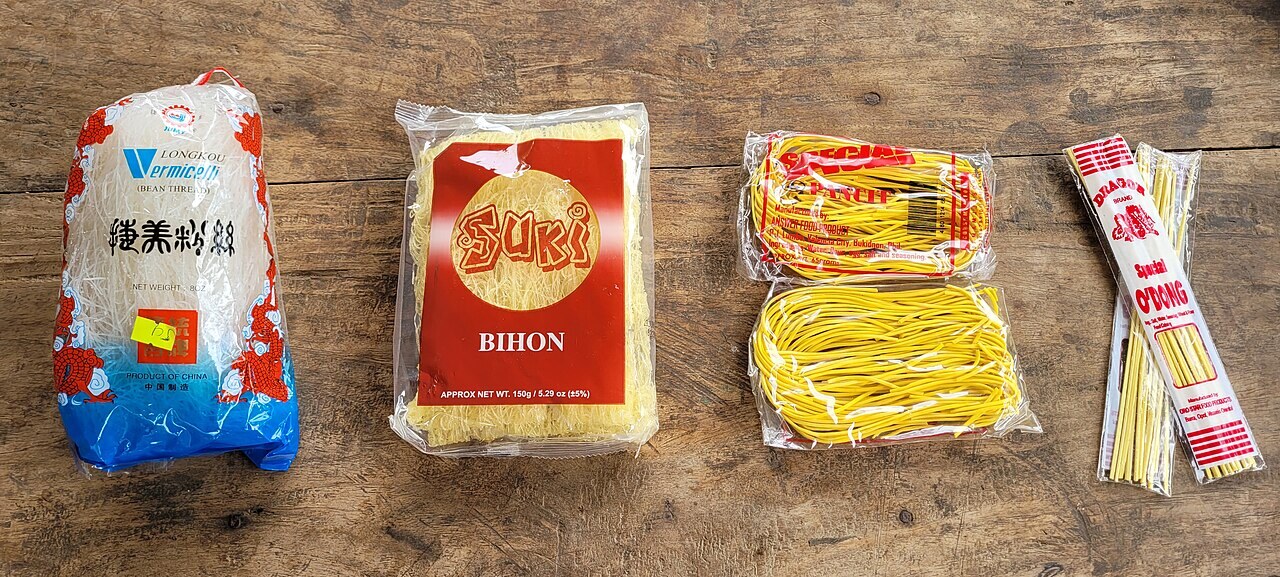
Fresh miki noodles are often in the refrigerated or freezer case at Filipino and Asian markets. Rinse if the package says to remove excess oil or salt.
For bihon
Soak dried bihon just until flexible so it finishes in the sauce instead of turning mushy.
Pancit Miki Bihon Recipe
This version keeps the platter flexible with fresh or refrigerated miki, dried bihon, and the kind of vegetables most U.S. cooks can shop in one trip.
Shopping List
- fresh miki egg noodles
- bihon rice noodles
- chicken thighs
- shrimp optional
- cabbage
- carrots
- green beans
- onion
- garlic
- soy sauce
- oyster sauce
- chicken broth
Ingredients
Noodles
- 12 ounces fresh miki egg noodles
- 6 ounces bihon rice noodles
- Warm water for soaking bihon
Protein and Sauce
- 2 tablespoons oil
- 1 pound boneless chicken thighs, sliced
- 8 ounces shrimp, optional
- 1 onion, sliced
- 5 garlic cloves, minced
- 3 cups chicken broth
- 3 tablespoons soy sauce
- 1 tablespoon oyster sauce
Vegetables and Serving
- 3 cups shredded cabbage
- 1 carrot, julienned
- 1 cup sliced green beans
- Calamansi or lemon wedges
Instructions
- Soak bihon until flexible, then drain well.
- Prepare miki according to the package, rinsing or loosening the noodles if needed.
- Heat oil in a wok or wide pot and brown the chicken.
- Add shrimp if using and cook briefly, then move protein to a plate.
- Cook onion and garlic in the same pan, then add broth, soy sauce, and oyster sauce.
- Add bihon first and toss until it starts absorbing the sauce.
- Add miki, protein, cabbage, carrot, and green beans, then toss until everything is hot and glossy.
- Serve with calamansi or lemon wedges.
Nutrition Estimate
Approximate values per serving based on the listed ingredients and yield. Actual nutrition will vary by brand, exact portion size, and cooking changes.
Tips For The Best Pancit Miki Bihon
- Add noodles in stages: Bihon needs more time with the sauce than fresh miki.
- Keep the heat lively: A hot pan helps the noodles taste stir-fried instead of boiled.
- Loosen miki gently: Fresh noodles can break if pulled too hard while cold.
- Taste before serving: Two noodle types can dull the seasoning, so adjust with soy sauce or citrus.
How To Serve And Store
Serve on a large platter for birthdays, potlucks, or Sunday lunch. Refrigerate leftovers for up to 3 days and reheat with a small splash of broth.
Common Questions
Can I use all bihon?
Yes, but it becomes a lighter pancit bihon-style dish.
Can I use all miki?
Yes. Use less broth and watch the salt if the noodles are pre-seasoned.
What protein works best?
Chicken and shrimp are easy, but pork slices or tofu also work.
Can I make it vegetarian?
Use vegetable broth, mushrooms, tofu, and vegetarian oyster-style sauce.
Which noodle do you try to get more of in miki bihon: the chewy miki or the light bihon? Share your family version or testing notes in the comments.
Recipe inspiration and technique reference: Filipino home-cooking source research from Panlasang Pinoy, Kawaling Pinoy, and Filipino-American cooking sources in the site roadmap.